Long jump looks simple from the stands: run fast, hit the board, fly like a superhero, land in sand, try not to look surprised. But anyone who has actually tried it knows the truth. A better long jump is not just about “jumping harder.” It is a carefully timed mix of speed, rhythm, takeoff power, body control, and landing skill. Miss one piece, and your jump can turn into a very dramatic sandcastle demolition.
The good news? You do not need a magic cape to increase your long jump. You need three big improvements: a faster and more consistent approach, a stronger and cleaner takeoff, and a smarter landing. Add specific strength and plyometric training, and your body starts learning how to turn runway speed into distance instead of chaos.
This guide breaks down three practical ways to increase your long jump, whether you are a high school athlete, a beginner learning the event, or a recreational jumper who wants to stop landing like a folding lawn chair. The focus is simple: build speed, produce force, and waste less distance.
Why Long Jump Distance Depends on More Than “Jumping High”
The long jump is a horizontal jumps event, which means the biggest goal is not simply to go up. It is to travel forward as far as possible while creating just enough lift to stay in the air. A jumper who launches too high loses forward speed. A jumper who stays too flat may skim into the pit early. The sweet spot is fast, controlled, elastic, and aggressive.
Coaches often describe the long jump as a sprint with a takeoff at the end. That is accurate. Your approach speed strongly influences your final distance, but only if you can control it. Running wildly down the runway and hoping the board appears under your foot is not a strategy; it is a lottery with spikes.
To improve your long jump, think of the event in four parts:
- Approach: building speed and rhythm down the runway.
- Takeoff preparation: setting up the final two steps without slowing down.
- Takeoff: pushing powerfully through the board with posture and timing.
- Flight and landing: controlling rotation and reaching the feet forward without falling backward.
The three methods below target those exact pieces.
1. Improve Your Approach Speed and Runway Consistency
If you want to increase your long jump, start with the runway. Speed is the engine of the event. But the key phrase is controlled speed. A good long jumper accelerates smoothly, reaches a fast but manageable rhythm, and arrives at the board in position to take off. A bad approach feels like sprinting toward a cliff while doing math.
Find the Right Approach Length
Beginners do not need a professional-length approach. In fact, using too many steps too early often causes fouls, stutter steps, and awkward takeoffs. Young or new athletes usually benefit from shorter approaches because they are easier to repeat. More advanced jumpers can use longer approaches once they have the strength, speed, and body control to handle them.
A useful starting point is:
- Beginners: 6 to 10 total steps.
- Intermediate athletes: 12 to 16 total steps.
- Advanced jumpers: 18 to 20 or more total steps, depending on training age and consistency.
The goal is not to copy another athlete’s mark. The goal is to find the approach that lets you reach the board fast, tall, and balanced. If you are slowing down before takeoff or chopping your steps like you are tap dancing at a talent show, your approach is too long, too rushed, or not practiced enough.
Use Check Marks to Build Rhythm
Check marks are simple runway reference points that help you and your coach see whether your approach is consistent. One mark can be placed near the start, another around the middle of the approach, and the board serves as the final checkpoint. If you are off early, the problem is usually your start. If you are on early but off late, the problem may be posture, acceleration rhythm, fatigue, or over-striding.
Practice several approach runs without jumping. Count your steps. Focus on the same push out of the start every time. Your first two steps matter more than many athletes realize because they set the rhythm for the entire runway. A lazy first step can become a foul later. A rushed first step can make you reach for the board. Long jump rewards athletes who are fast and repeatable.
Run Tall, Not Tight
During the approach, keep your head neutral, shoulders relaxed, hips tall, and arms moving naturally. Tension is sneaky. It shows up as clenched fists, raised shoulders, and a face that looks like you are solving a tax audit while sprinting. Relaxation helps speed. Fast athletes are powerful, but they are not stiff.
A good approach should feel like a controlled build. Accelerate first, then transition into upright sprinting mechanics. In the final part of the runway, avoid reaching forward with the foot. Over-striding usually causes braking, and braking is the enemy of long jump distance. Your foot should strike under or slightly in front of your center of mass, not way out ahead like you are trying to stop a rolling shopping cart.
Approach Drills That Help
- 12-step approach runs: Sprint down the track or runway and focus on repeating the same rhythm without jumping.
- Cone acceleration drill: Place cones at key steps to help develop a smooth build-up pattern.
- Mid-mark practice: Check whether you pass the same middle mark each repetition.
- Short approach jumps: Jump from 5 to 8 steps to practice rhythm and takeoff without full-speed pressure.
Do not treat approach practice as boring homework. It is the foundation. The athlete who owns the runway usually owns the jump.
2. Build a More Explosive Takeoff With Strength and Plyometrics
The takeoff is where speed becomes flight. It is also where many promising jumps go to retire early. If you slam into the board, collapse at the knee, or jump straight up like you are trying to touch a ceiling fan, you lose distance. The best takeoff is quick, stiff enough to transfer force, and coordinated through the whole body.
Understand the Final Two Steps
The final two steps set up the takeoff. The second-to-last step, often called the penultimate step, helps lower the hips slightly while maintaining speed. The last step should be quick and active. This sequence allows the jumper to prepare for takeoff without sitting down, reaching, or slowing dramatically.
Think of it as “lower slightly, then strike.” Not “sink into a squat and negotiate with gravity.” The lowering should be subtle. Your hips stay tall enough to preserve speed, and your takeoff foot contacts the board actively. A flat, passive foot contact can kill momentum. A quick contact helps you pop off the board and continue moving forward.
Use the Arms and Free Leg
Your arms and free leg are not decorative accessories. They help create lift, balance, and rhythm. At takeoff, drive the free knee up and forward while the arms coordinate with the jump. The exact arm style can vary, but the goal is the same: help the body rise without losing forward momentum.
A common mistake is throwing the head back or leaning too far behind the hips. This may feel powerful, but it often causes early rotation and a messy landing. Stay tall through the chest, push through the board, and let the takeoff leg finish strongly behind you.
Strength Training for a Better Long Jump
Long jumpers need relative strength, which means being strong for their body weight. Heavy, slow lifting alone is not enough, but basic strength gives your body the tools to produce force safely and repeatedly. The best exercises build the hips, glutes, hamstrings, quadriceps, calves, and core.
Helpful strength exercises include:
- Squats: Build lower-body force production.
- Trap bar deadlifts: Train hip and leg power with a jumper-friendly position.
- Reverse lunges: Improve single-leg strength and stability.
- Step-ups: Develop leg drive similar to sprinting and jumping.
- Calf raises: Strengthen the ankle complex for stiffness and elastic response.
- Planks and dead bugs: Build trunk stability so force transfers cleanly.
Strength work should support jumping, not leave you so sore you walk down stairs like a newborn giraffe. Two or three focused strength sessions per week are plenty for many athletes, especially during the season.
Plyometric Training for Jump Power
Plyometrics train your muscles and tendons to absorb force and produce force quickly. That rapid stretch-and-rebound action is essential in sprinting and jumping. However, plyometrics must be respected. More is not always better. Doing endless jumps with poor form is not “grinding”; it is sending your knees a strongly worded complaint.
Start with low-to-moderate intensity drills and progress gradually. Quality matters more than quantity. Each rep should be sharp, controlled, and athletic.
Good plyometric exercises for long jump include:
- Pogo jumps: Train ankle stiffness and quick ground contact.
- Standing long jumps: Build horizontal power.
- Bounds: Develop single-leg rhythm and elastic force.
- Box jumps: Practice explosive extension with lower landing stress.
- Hurdle hops: Improve reactive strength and coordination.
- Single-leg hops: Build takeoff-specific strength, but only after mastering easier drills.
A simple weekly plyometric session might include 3 sets of 5 standing long jumps, 3 sets of 20 meters of bounds, and 3 sets of 10 pogo jumps. Rest fully between sets. You are training power, not trying to win a contest called “Who Can Look the Most Exhausted Beside the Sand Pit?”
Sample Takeoff Power Workout
- Dynamic warm-up: 10 minutes
- Acceleration runs: 4 x 20 meters
- Standing long jump: 4 x 3 reps
- Short approach pop-ups: 5 x 3 to 5 steps
- Trap bar deadlift or squat: 3 x 4 to 6 reps
- Reverse lunge: 3 x 6 reps per leg
- Pogo jumps: 3 x 12 contacts
- Cooldown and mobility: 8 minutes
Remember, the takeoff improves when strength, sprint speed, rhythm, and technical timing work together. Train the system, not just the jump.
3. Fix Your Flight and Landing to Stop Losing Distance
The landing does not create the jump, but it can absolutely ruin one. Many athletes produce a decent takeoff and then give away inchesor even feetby landing with the feet low, dropping the hands behind them, or falling backward into the sand. The sand remembers everything. It is basically a very petty scoreboard.
Control Rotation in the Air
After takeoff, your body naturally rotates forward. Flight techniques like the hang or hitch-kick do not magically make you fly farther; they help control rotation so you can prepare for an efficient landing. Beginners do not need an elaborate hitch-kick. They need posture, patience, and a landing they can repeat.
The hang technique is often easier for developing jumpers. After takeoff, the body extends in the air, helping slow forward rotation. The hitch-kick technique uses a running-like action in flight, but it requires more speed, coordination, and practice. Choose the style that matches your level, not the one that looks coolest in slow-motion videos.
Reach the Feet Forward at the Right Time
Good landing preparation begins near the peak of flight. Bring the legs forward, keep the torso tall, and sweep the arms forward and down as the feet reach toward the sand. If you reach too early, your legs may drop before landing. If you reach too late, you land underneath yourself and lose distance.
At impact, bend the knees and let the hips move toward the heels. The goal is to land with the feet forward and then move the body through the landing mark. Do not let your hands or backside drop behind your heels. In long jump, the measurement is taken from the closest mark in the sand. One hand behind you can turn a personal record into a personal tragedy.
Landing Drills That Add Real Distance
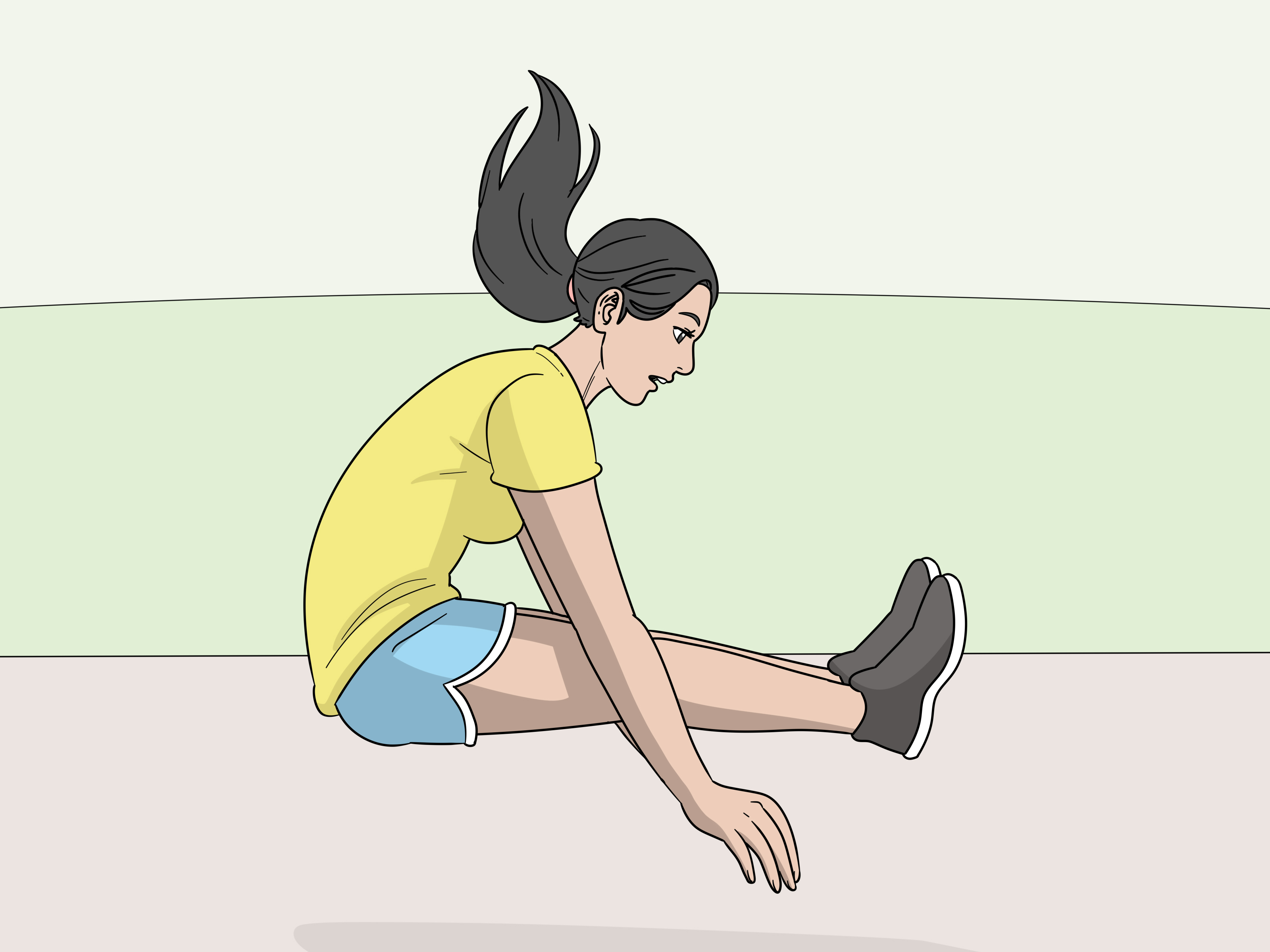
- Seated sand kicks: Sit at the edge of the pit and practice kicking both feet forward into the sand.
- Standing long jump landings: Jump from two feet and focus on reaching the legs forward while keeping the chest up.
- Short approach landings: Jump from 3 to 5 steps and practice landing mechanics at low speed.
- Pop-up jumps: Use a short approach to practice takeoff posture and controlled flight.
- Medicine ball forward throws: Build coordinated hip extension and forward projection.
Landing practice should be frequent but not exhausting. A few high-quality landing drills after warm-up or before full jumps can make a noticeable difference. Many athletes improve quickly simply by learning not to throw away distance at the end.
Warm-Up, Recovery, and Safety: The Boring Stuff That Makes You Better
Long jump training is explosive. That means your warm-up matters. Cold muscles, stiff ankles, and sleepy glutes do not create great jumps. Start with light jogging, skipping, mobility drills, sprint drills, and a few progressive accelerations. Save static stretching for after training or after a general warm-up when the muscles are warm.
A strong warm-up might include:
- 5 minutes of easy jogging or skipping
- Leg swings, hip circles, and ankle mobility
- A-skips, high knees, butt kicks, and straight-leg bounds
- 3 to 5 progressive accelerations
- Low-level jumps before high-intensity takeoffs
Recovery matters too. Sprinting, bounding, and jumping place a lot of stress on the nervous system, tendons, and joints. Plan easier days between intense sessions. Sleep well, eat enough, hydrate, and pay attention to pain. Soreness is normal. Sharp pain is not a personality test. If something hurts in a concerning way, stop and get help from a qualified coach, athletic trainer, or medical professional.
Common Long Jump Mistakes That Limit Distance
Chopping Steps Before the Board
This usually happens when the approach is inconsistent. Practice approach runs, use check marks, and avoid adjusting at the last second.
Jumping Too High
A huge vertical takeoff may look impressive, but long jump is about horizontal distance. Think “up and out,” not “straight up.”
Collapsing at Takeoff
If the takeoff knee bends too much or the hips drop, you lose stiffness and speed. Strength training, short approach jumps, and penultimate-step drills can help.
Landing With the Feet Under the Body
This leaves distance in the air. Practice extending the legs forward while keeping the torso upright.
Doing Too Many Full Jumps
Full approach jumps are intense. Use short approach jumps, drills, and technical work to build skill without overloading the body.
A Simple Weekly Plan to Increase Your Long Jump
Here is a basic weekly structure for a developing athlete. Adjust volume based on age, training level, competition schedule, and coaching guidance.
Day 1: Speed and Approach
- Dynamic warm-up
- Acceleration sprints: 5 x 20 meters
- Approach runs: 6 to 8 reps
- Short approach jumps: 4 to 6 reps
- Core training and cooldown
Day 2: Strength and Low-Level Plyometrics
- Squat or trap bar deadlift: 3 x 5
- Reverse lunge: 3 x 6 per leg
- Step-ups: 3 x 6 per leg
- Pogo jumps: 3 x 12
- Mobility and stretching
Day 3: Technique and Landing
- Warm-up and sprint drills
- Pop-up jumps: 5 reps
- Landing drills: 10 to 15 minutes
- Bounds: 3 x 20 meters
- Easy cooldown
Day 4: Rest or Light Recovery
Walk, stretch, do easy mobility, and let your legs reload. Rest is not laziness. Rest is where the upgrade installs.
Experience-Based Tips: What Actually Helps When You Train the Long Jump
The biggest lesson most jumpers learn is that improvement rarely comes from one heroic workout. It comes from repeated, focused sessions where you fix one small thing at a time. The long jump is brutally honest. If your approach is inconsistent, the board exposes it. If your takeoff is weak, the pit exposes it. If your landing is sloppy, the tape measure exposes it. The event is basically a coach with sand.
One useful experience is keeping a simple jump journal. After each practice, write down your approach length, best jump, how the board felt, and one technical cue that helped. For example: “12-step approach, hit board 4 out of 6 times, cue was tall hips.” Over a few weeks, patterns appear. Maybe you foul when you start too aggressively. Maybe you are short on the board when tired. Maybe your best jumps happen when you focus on rhythm instead of forcing the takeoff.
Another practical lesson is to avoid chasing distance in every practice. Athletes often want every jump to be a personal record. That mindset creates tension. Some days should be about approach rhythm. Some should be about takeoff posture. Some should be about landing mechanics. Ironically, when you stop trying to crush every rep, your body learns the skill faster.
Video is also incredibly helpful. You do not need a Hollywood camera crew. A phone placed safely beside the runway can reveal whether you are over-striding, leaning back, dropping the hips, or landing with your hands behind you. Watch the video at normal speed first. Slow motion is useful, but normal speed shows rhythm. Long jump is a rhythm event wearing a power-event costume.
Training with a partner or coach makes a difference. A teammate can watch your check mark, count your steps, and tell you whether your takeoff foot is consistent. They can also stop you from doing “just one more jump” twelve times, which is how many athletes accidentally turn a good practice into a survival documentary.
Footwear and runway conditions matter too. Use proper track spikes if you compete seriously, but practice gradually in them. Spikes change how your foot contacts the ground, and your calves may complain if you suddenly do a full session in them. Also, be aware of wind, runway surface, and fatigue. A headwind can change your approach. A tailwind can push you closer to the board. Smart jumpers adjust with awareness, not panic.
Finally, confidence grows from consistency. When you know your approach, trust your speed, and understand your takeoff cue, the board becomes less scary. The best jumps often feel smooth rather than violent. You sprint, rise, float, and land with control. It may not feel like a monster effort, but then the tape measure says otherwise. That is the beautiful trick of long jump: better technique often feels easier.
Conclusion
To increase your long jump, focus on the three areas that matter most: improve your approach speed and consistency, build a more explosive takeoff, and stop losing distance in the air and landing. Speed gives you potential. Strength and plyometrics help you convert that potential into power. Technique makes sure the distance actually counts.
Do not rush the process. Practice the runway. Build strength. Use plyometrics wisely. Learn to land with purpose. The athlete who improves steadily, avoids sloppy reps, and respects recovery will usually jump farther than the athlete who simply tries to attack the board with maximum drama.
Long jump is not just about flying. It is about earning the flight before your foot ever hits the board.