White hairs have a dramatic sense of timing. They rarely arrive quietly. One day you are brushing your hair like a normal citizen, and the next day a shiny silver strand is standing upright near your part like it has breaking news. Before you grab tweezers, panic-buy five boxes of dye, or start blaming your pillow, take a breath. White hair is common, usually harmless, and often more manageable than it looks in bathroom lighting.
The honest answer is this: you usually cannot permanently “get rid of” white hairs once a follicle has stopped making pigment. Hair color comes from melanin, produced by pigment cells in the hair follicle. As we age, or sometimes because of genetics, stress, smoking, nutritional deficiencies, autoimmune conditions, thyroid issues, or certain medications, those pigment cells may slow down or stop working. When the next hair grows from that follicle, it may come in gray, silver, or white.
But “not permanently reversible” does not mean “game over.” There are smart, realistic ways to reduce the appearance of white hairs, slow premature graying when lifestyle or health factors are involved, and style your hair so those pale strands stop acting like tiny neon signs. Below are three practical ways to get rid of white hairs visually, confidently, and safelywithout falling for miracle oils that promise to turn you into your 17-year-old yearbook photo overnight.
Why White Hairs Happen in the First Place
To understand how to deal with white hairs, it helps to know why they show up. Each strand of hair grows from a follicle under the skin. That follicle contains cells called melanocytes, which make melanin, the pigment that gives hair its color. Dark hair contains more melanin; lighter hair contains less. When melanocytes become less active or disappear, new hair grows with little or no pigment. The result is gray or white hair.
Genetics is the biggest factor. If your parents or grandparents went gray early, your hair may have RSVP’d to the same party. Age also matters. Many people notice their first gray or white hairs in their 30s or 40s, though some see them earlier. Premature graying is often discussed when white or gray hair appears before age 20 in people with lighter skin tones or before age 30 in people with darker skin tones.
Lifestyle and health can also play a role. Smoking has been linked with premature graying. Low levels of vitamin B12, iron, folate, copper, vitamin D, or protein may affect hair health. Thyroid disease, vitiligo, alopecia areata, chronic inflammation, and some medications may also influence pigment loss. Stress is more complicated. A stressful week will not instantly bleach your hair like a cartoon villain’s lair exploded nearby, but long-term stress may affect hair cycles and pigment-producing cells in some people.
The key point: white hair is not dirty, damaged, or “dead.” It is simply hair with little or no pigment. That means the best plan is not to fight it blindly, but to choose the right strategy based on your age, health, hair type, budget, and patience level.
Way 1: Cover White Hairs With Smart Hair Color
The fastest and most reliable way to get rid of white hairs is to cover them. Hair dye does not restore pigment inside the follicle, but it can make white hairs disappear visually. For many people, this is the most practical solution. It works immediately, it can be customized, and it does not require you to drink mysterious green sludge from the internet.
Use Permanent Hair Color for Full Coverage
Permanent hair dye is often the strongest option for stubborn white hairs. It opens the hair cuticle and deposits color that lasts until the hair grows out. This is useful if you have a high percentage of white hair, especially around the temples, part line, or hairline. Permanent color is also helpful for dark hair, where white strands create high contrast.
For natural-looking results, avoid choosing a box dye that is too dark. Very dark dye can make regrowth more obvious and may look flat. A shade close to your natural color, or slightly lighter, is usually softer. If you are more than 30 percent gray or white, a professional colorist can help blend tones so your hair does not look like a helmet painted in one ambitious afternoon.
Try Demi-Permanent Color for Softer Blending
Demi-permanent color is less aggressive than permanent dye and gradually fades over several weeks. It is excellent for people who are just starting to notice white hairs and want softer blending instead of total coverage. Demi-permanent color can make silver strands look like highlights rather than surprise party crashers.
This option is especially useful if you are nervous about commitment. Since demi-permanent dye fades, the grow-out line is usually less harsh. It can also add shine, which makes hair look healthier. However, it may not fully cover very resistant white hairs, especially if your hair is coarse or naturally very dark.
Use Root Sprays, Powders, and Mascara-Style Touch-Ups
For a few white hairs near the part, temples, or hairline, temporary root products are lifesavers. Root sprays, powders, sticks, and mascara-style wands coat the hair until your next wash. They are ideal before photos, work meetings, weddings, date nights, or any event where your bathroom mirror decides to be emotionally unkind.
The trick is to use a light hand. Spray from a short distance, blend with your fingers or a brush, and let it dry before touching your hair. For powders, tap gently rather than rubbing. Too much product can look dusty or stiff. Choose a shade that matches your roots, not your ends, because roots are what people notice first.
Blend White Hairs With Highlights or Lowlights
If you do not want constant root maintenance, blending may be better than covering. Highlights, lowlights, balayage, or “gray blending” can soften the contrast between pigmented hair and white hair. This works beautifully for people with scattered white strands, salt-and-pepper growth, or natural waves and texture.
Instead of fighting every white hair, blending turns them into part of the design. On brunettes, caramel or ash-brown lowlights can break up silver. On blondes, white hairs often blend naturally with cool highlights. On black hair, soft espresso or charcoal tones can make the transition more elegant.
Color Safely
Hair dye is common, but it still deserves respect. Always follow product directions, avoid dyeing irritated or broken skin, and perform a patch test when recommended. Some people react to ingredients such as para-phenylenediamine, also known as PPD, which is used in many permanent dyes. Reactions may include itching, redness, swelling, burning, or rash. If you have a history of allergies, eczema, scalp sensitivity, or previous dye reactions, talk with a dermatologist before using permanent color.
Also, do not use regular hair dye on eyebrows or eyelashes. That is a fast way to turn a beauty project into an urgent-care field trip. Use only products specifically made and approved for those areas, and when in doubt, see a professional.
Way 2: Address Health and Lifestyle Factors That May Speed Up White Hair
If your white hairs are age-related or genetic, lifestyle changes may not reverse them. Still, healthy habits can support stronger hair and may help slow premature graying when deficiencies or stressors are involved. Think of this as giving your follicles a fair work environment. They may not all return to producing pigment, but at least they are not trying to do their job while living on iced coffee and three hours of sleep.
Check for Nutritional Deficiencies
Hair needs nutrients to grow well. A shortage of vitamin B12, iron, folate, copper, vitamin D, or protein may contribute to hair changes in some people. This is especially important if you are graying very early, follow a restrictive diet, are vegan or vegetarian without careful supplementation, have digestive issues, or have symptoms such as fatigue, dizziness, brittle nails, hair shedding, numbness, or weakness.
Do not guess your way through supplements. More is not always better, and unnecessary supplementation can cause problems. A healthcare professional can order blood tests and recommend the right dose if you are deficient. If your body truly lacks a nutrient, correcting that deficiency may improve overall hair health and, in rare cases, may help with pigment changes. If your levels are normal, mega-doses of vitamins are unlikely to repaint your hair from the inside.
Support Hair With a Pigment-Friendly Plate
A balanced diet is not a magic wand, but it gives your hair the raw materials it needs. Include protein at meals from eggs, fish, poultry, tofu, beans, lentils, Greek yogurt, or lean meat. Add leafy greens for folate, nuts and seeds for minerals, and colorful fruits and vegetables for antioxidants. Seafood, fortified foods, dairy, eggs, and supplements can help maintain vitamin B12 intake, especially for people who do not eat animal products.
For example, a simple hair-supporting day might include scrambled eggs with spinach for breakfast, lentil soup with vegetables for lunch, salmon or tofu with brown rice and broccoli for dinner, and a snack of yogurt or nuts. Will this turn white hair brown by Friday? No. But it supports the scalp and follicles better than a diet made entirely of chips, stress, and heroic denial.
Quit Smoking
Smoking affects circulation, oxidative stress, and overall skin and hair health. It has also been associated with premature graying. If you smoke, quitting is one of the most meaningful changes you can makenot just for hair, but for your heart, lungs, skin, and long-term health. White hair may be the most visible complaint, but smoking has a much larger invoice.
Manage Long-Term Stress
Stress is not the sole villain behind gray hair, but chronic stress can affect the body in many ways, including sleep, hormones, inflammation, and hair shedding. Some research suggests severe stress may influence pigment-producing cells. Even when stress does not directly cause white hair, it can make you notice every strand with the intensity of a detective solving a tiny silver crime.
Useful stress habits include regular movement, consistent sleep, breathing exercises, journaling, therapy, time outdoors, and boundaries with work or social obligations. You do not need to become a monk on a mountaintop. Start with basic routines: go to bed at a regular time, take a 20-minute walk, drink water before your third coffee, and stop checking email like it owes you money.
See a Professional for Sudden or Early Graying
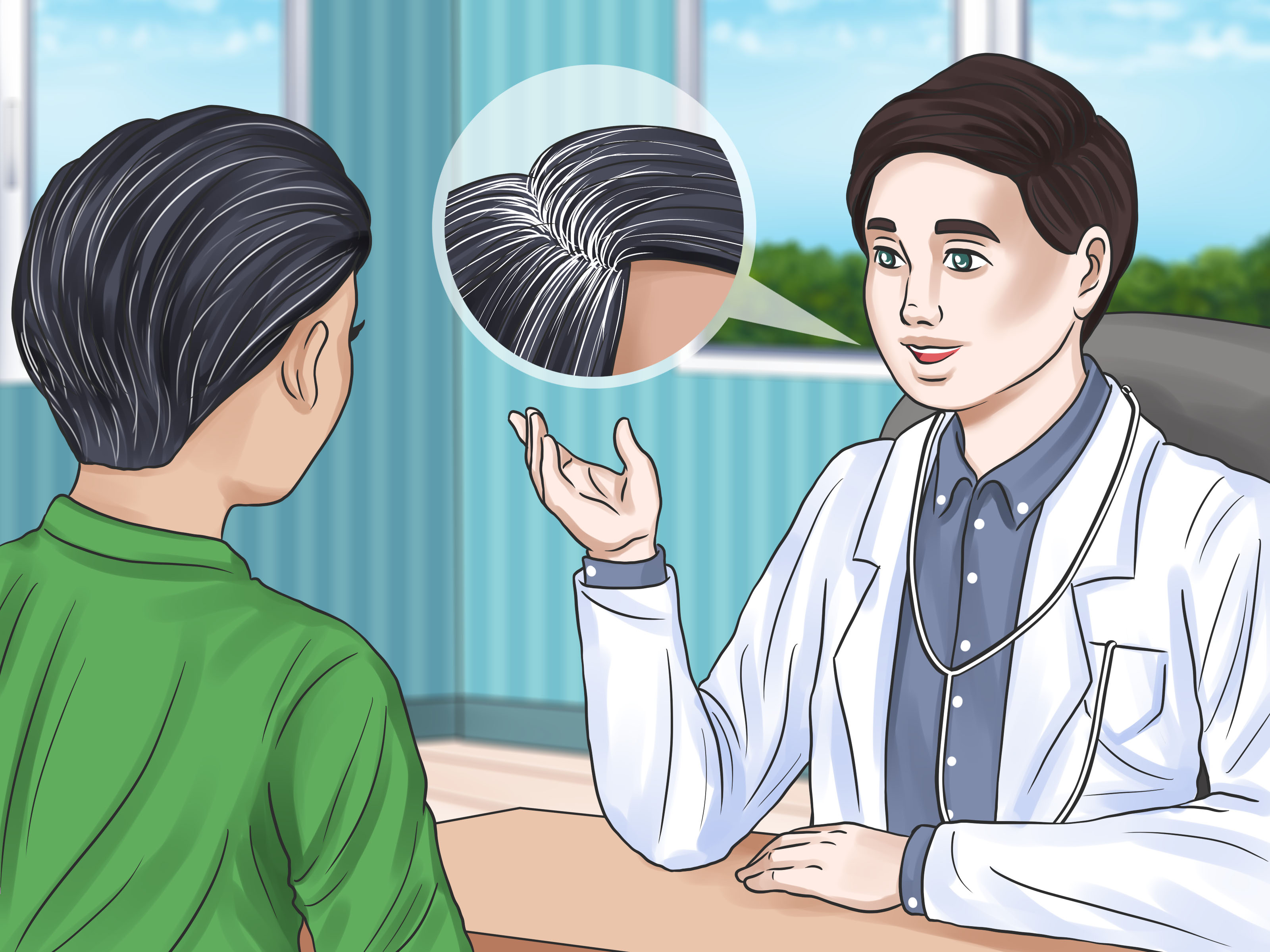
If you develop many white hairs suddenly, notice patchy pigment loss, experience hair loss, or see graying at a very young age, schedule a visit with a dermatologist or healthcare provider. They may ask about family history, diet, medications, autoimmune conditions, thyroid symptoms, stress, and scalp changes. They may also recommend lab work.
This does not mean white hair is automatically a medical emergency. Most of the time, it is normal. But when the change is sudden, early, or paired with other symptoms, it is worth checking. The best case is reassurance. The second-best case is finding something fixable.
Way 3: Style, Trim, and Camouflage White Hairs Strategically
Sometimes the best way to get rid of white hairs is not to dye every strand, but to make them less obvious. Styling can change how light hits the hair, how the part exposes regrowth, and how much contrast people notice. This approach is low-risk, affordable, and surprisingly effective.
Change Your Part
White hairs often gather near the temples or along the part line, which is unfair because the part line is basically the billboard of the scalp. Switching your part from center to side, or from one side to the other, can hide clusters of white hair instantly. A zigzag part can also break up the line and make regrowth less obvious.
Use a tail comb or your fingers to create a softer part. Avoid making it too sharp if you are trying to camouflage white hairs. A slightly messy part looks natural and reflects light in a more forgiving way.
Choose a Cut That Adds Movement
Flat, one-length hair can make white strands stand out. Layers, face-framing pieces, waves, curls, or textured ends create movement and reduce contrast. White hairs become part of the overall dimension instead of sitting there like tiny fluorescent wires.
If your white hairs are concentrated around the face, ask your stylist about curtain bangs, soft layers, or a shape that moves hair away from the most obvious regrowth line. For short hair, textured crops and pixie cuts can make silver strands look intentional. For longer hair, waves and volume help blend tones.
Use Glosses and Toners
White and gray hair can sometimes look dull or yellow because it reflects light differently and may pick up minerals, pollution, or product buildup. A clear gloss can add shine, while a toner can cool down brassiness. Purple shampoo may help reduce yellow tones in white, silver, or gray hair, but it should be used carefully. Too much can leave hair looking lavender, which may be fabulous if intentional and confusing if not.
Use clarifying shampoo occasionally if your hair looks coated or dull, but do not overdo it. White hair can be drier and more fragile, so follow with conditioner. Hydrated hair reflects light better and looks smoother, which makes white strands appear polished rather than wiry.
Do Not Pluck Every White Hair
Plucking one white hair will not cause seven more to grow in its place. That myth has survived because it sounds dramatic enough to be true. However, repeated plucking can irritate the follicle and may eventually damage it. If a single white hair is bothering you, trim it close to the base with small scissors instead of yanking it out.
If you have many white hairs, plucking is not a strategy; it is a part-time job with terrible benefits. Color, blending, styling, or acceptance will be kinder to your scalp and your schedule.
What Not to Do When Trying to Get Rid of White Hairs
Do not trust products that promise guaranteed gray reversal without evidence. Many oils, pills, shampoos, and “melanin activators” use impressive language but offer little proof. Some may moisturize the hair, which can make it look better, but that is not the same as restoring pigment.
Do not apply harsh chemicals repeatedly without giving your hair recovery time. White hair may feel coarser or drier, and over-processing can cause breakage. If your hair is already fragile, choose gentler color options or see a stylist.
Do not ignore sudden changes. A few white hairs are normal. A rapid shift, patchy loss of pigment, scalp inflammation, or graying with fatigue, weight changes, hair loss, or skin changes deserves professional attention.
Real-Life Experiences: What Actually Works When White Hairs Show Up
The first experience many people have with white hair is not philosophical acceptance. It is leaning toward the mirror, squinting, and saying, “Excuse me, who invited you?” That reaction is normal. White hairs feel personal because they appear in places we check every day: the hairline, temples, part, beard, or eyebrows. The good news is that most people eventually find a routine that works without turning hair care into a second career.
One common experience is the “single strand obsession.” A person sees one white hair and cannot stop noticing it. They move it, tuck it, photograph it, inspect it under different lights, and consider naming it. In this stage, temporary solutions work best. A root touch-up wand, a tiny trim, or a quick part change can solve the problem without committing to full dye. Many people realize the strand was far more obvious to them than to anyone else.
The second experience is the “temple takeover.” White hairs often appear around the temples first, especially on darker hair. This can make people feel as if they aged overnight, even though the process has been building quietly. For this stage, demi-permanent color, face-framing highlights, or soft lowlights can be excellent. Instead of chasing every new strand, blending creates a more forgiving look. People who choose this route often say maintenance becomes easier because regrowth no longer looks like a hard line.
The third experience is dye fatigue. Permanent color works, but repeated root appointments can become expensive, time-consuming, and annoying. Some people love the ritual. Others begin to feel trapped by a calendar that says, “Your roots are due.” This is where gray blending, glosses, shorter cuts, or a gradual transition to natural silver can help. Many people discover that white hair looks better when it is shiny, shaped, and intentional. The problem was never the white hair itself; it was the awkward in-between stage.
Another lesson from real life: lighting is rude. Bathroom lighting, car mirrors, and fluorescent store lights can make white hairs look brighter than they appear in normal settings. Before making a major decision, check your hair in daylight and in photos. You may find that what looked dramatic at 7 a.m. beside the sink is barely visible at lunch.
People also learn that healthy hair makes every color look better. Dry, frizzy, over-processed hair draws attention to white strands. Conditioned, trimmed, glossy hair makes them look softer. A weekly deep conditioner, heat protection, regular trims, and gentle styling can make a noticeable difference.
The most practical experience is this: there is no single best choice. Some people cover every white hair and feel fantastic. Some blend them. Some embrace silver completely and look like they own a vineyard, a design studio, or at least a very confident linen shirt. The right choice is the one that fits your lifestyle, budget, personality, and scalp health. White hairs are not a failure. They are just hair that changed its outfit.
Conclusion
Getting rid of white hairs depends on what you mean by “get rid of.” If you want them gone from sight, hair color, root touch-ups, highlights, and blending are the most reliable options. If you want to slow premature graying, focus on nutrition, smoking cessation, stress management, sleep, and medical evaluation when needed. If you want the easiest daily solution, strategic styling, gloss, toning, and a flattering haircut can make white hairs far less noticeable.
The most important thing is to stay realistic. Most white hair caused by aging or genetics cannot be permanently reversed today. But it can be covered, blended, softened, styled, and cared for beautifully. Whether you dye it, disguise it, or let it sparkle, your hair is still yours. The white strands are not in chargeyou are.
Note: This article is for general education and beauty guidance. If white hair appears suddenly, very early, or along with hair loss, fatigue, skin changes, or other symptoms, consult a dermatologist or healthcare professional.