Losing a pet is one of those life moments that makes the house feel strangely loud and quiet at the same time. The food bowl is still there. The leash still hangs by the door. The favorite sunny spot on the floor is suddenly just a square of sunlight, and somehow that feels deeply unfair.
When a dog, cat, rabbit, bird, hamster, or other beloved companion dies, many families want a final resting place that feels personal, respectful, and close to home. Pet burial can be a meaningful way to say goodbye, but it also comes with practical questions: Is backyard pet burial legal? How deep should you bury a pet? What if you rent? What if your pet was euthanized? And how do you plan a farewell without turning into a tearful landscaping crew with a shovel?
This guide covers three common ways to bury a pet: burial at home, burial in a pet cemetery, and burial of cremated remains. Each option has emotional, legal, environmental, and budget considerations. The goal is not to make grief tidygrief is famously bad at tidying up after itselfbut to help you make a thoughtful decision when your heart is tired and your brain is running on fog.
Before You Choose: What to Know About Pet Burial
Before deciding where and how to bury a pet, pause for a few practical checks. They may not feel romantic, but they can prevent future problems.
Check Local Rules First
Pet burial laws vary by state, county, city, neighborhood, lease agreement, and homeowners association. In some places, burying a pet on private property is allowed if the burial does not create a public health concern. In others, local ordinances may restrict or prohibit home burial. If you live in an apartment, rental home, condo community, or HOA neighborhood, you may need written permission or may not be allowed to bury an animal on the property at all.
A safe starting point is to call your city or county animal services office, local health department, or veterinarian. They can often tell you what is allowed in your area. It is also wise to check your lease, HOA rules, and local digging restrictions before you start. Nothing says “not the goodbye I imagined” like realizing the spot under the maple tree is actually above a utility line.
Consider Health and Environmental Safety
If your pet died from a contagious disease, was exposed to toxic substances, or was euthanized with certain medications, ask your veterinarian how to handle the remains safely. Some euthanasia drugs can be dangerous to scavenging animals if remains are disturbed. Proper burial depth, secure placement, and professional aftercare may be especially important in these situations.
You should also avoid burial near wells, streams, ponds, vegetable gardens, drainage areas, or places that flood. The purpose of a burial is remembrance, not accidentally creating a tiny environmental science project in the backyard.
Think About Your Future Plans
Home burial can feel comforting because your pet remains nearby. But if you may move soon, the decision can become emotionally complicated. Some families find peace in knowing their pet is part of the place where they lived. Others prefer a pet cemetery or cremation burial because it creates a memorial that is easier to visit or take with them.
Way 1: Bury Your Pet at Home
Home burial is often the most personal and intimate choice. It allows a family to create a private farewell in a familiar place: under a tree, near a garden, beside a porch, or in a quiet corner of the yard. For many people, the idea of keeping a pet close brings comfort.
When Home Burial Makes Sense
Backyard pet burial may be a good option if you own the property, local laws allow it, the soil is suitable, and the burial site can be kept safe from flooding, digging animals, and future construction. It is most practical for small to medium pets, though larger dogs may require much more planning, physical effort, and space.
Home burial can also be meaningful for children when handled gently. A small ceremony, a drawing, a letter, or a favorite toy can help them understand that saying goodbye can include love, memory, and ritual. Adults may need the same thing, honestly. We just use words like “closure” because “I need to cry into a tennis ball” sounds less official.
How to Prepare for a Home Pet Burial
First, confirm that burial is allowed where you live. Then choose a site that is away from water sources, utility lines, garden beds used for food, and low-lying areas. Call 811 before digging if there is any chance utilities may be nearby. This step matters even for a small grave because underground lines are not impressed by your grief.
Many veterinary and environmental guidelines recommend a grave deep enough to prevent odor and discourage wildlife from disturbing the remains. A common recommendation is about three to four feet deep, with at least two feet of soil above the body. Exact requirements may vary locally, so follow your local rules first.
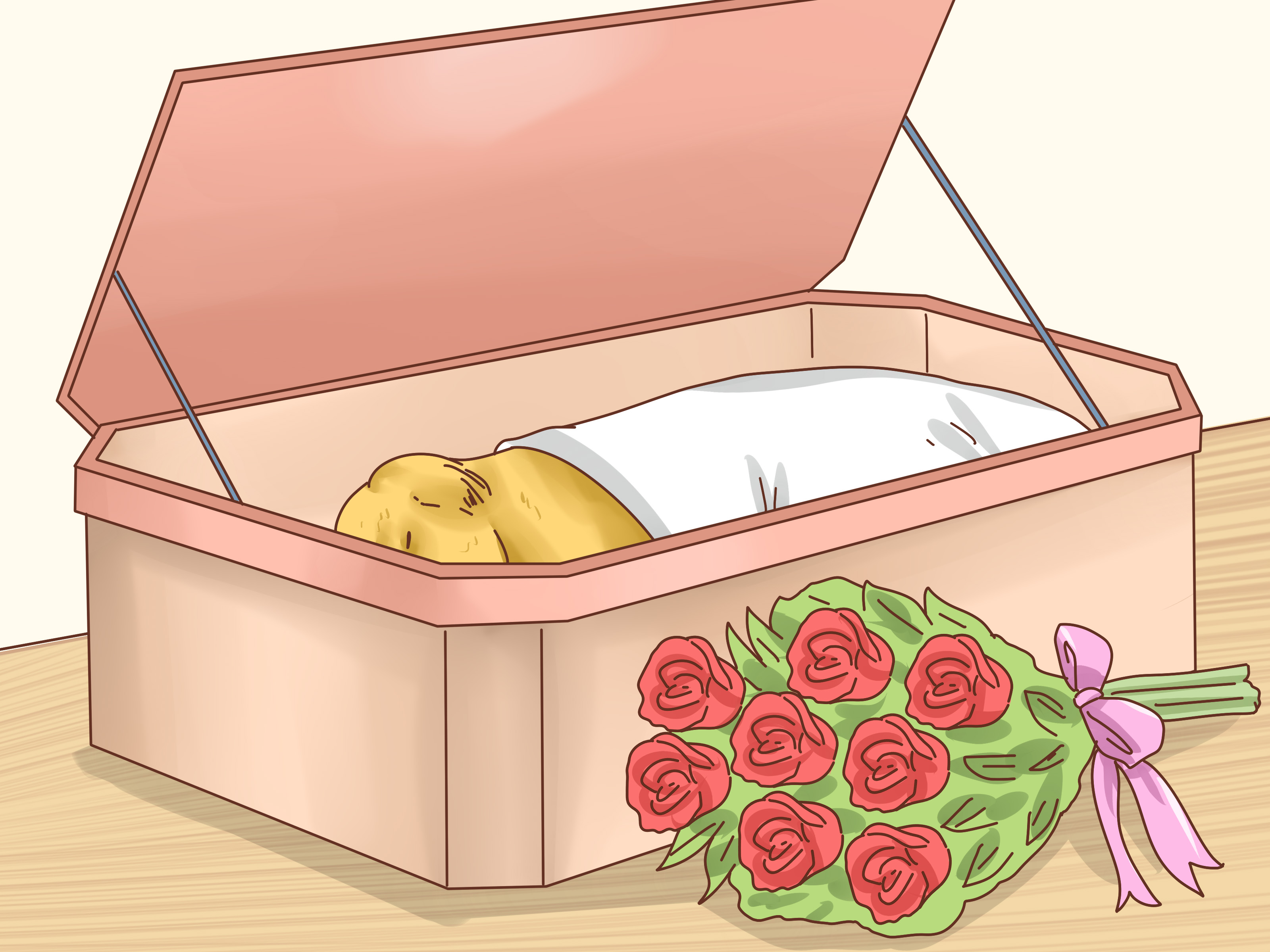
Wrap your pet in a biodegradable material such as a cotton towel, sheet, or small blanket. You can also use a biodegradable pet casket or simple wooden box. Avoid plastic bags or non-biodegradable containers when possible, especially if your goal is a natural burial. If your pet was euthanized, ask your veterinarian whether extra precautions are needed.
What to Place in the Grave
Many families include a favorite toy, a collar, a note, a small drawing, or a flower. Keep it simple and avoid items made of plastic, metal, batteries, synthetic stuffing, or anything that could harm the soil. A soft blanket or handwritten letter is usually enough. Your pet will not be offended by minimalist design choices. They loved you when you wore sweatpants with mystery stains.
Creating a Memorial at Home
After filling the grave, you can place a marker, stone, small statue, or planted flowers nearby. Some people plant a tree or perennial flower as a living memorial. Choose plants that are appropriate for your climate and yard conditions. If you have other pets, monitor the area for a while, especially if they are curious diggers. A heavy stone or secure garden border may help protect the site.
Pros and Cons of Home Burial
Pros: Home burial is personal, affordable, and emotionally comforting. It gives the family a private place to visit and can make the farewell feel less clinical.
Cons: It may not be legal in every area. It can be difficult if you rent or move. Soil, weather, wildlife, and euthanasia medications may complicate the process. It can also be physically hard, especially when grief has already drained your energy.
Way 2: Bury Your Pet in a Pet Cemetery
A pet cemetery offers a formal, long-term resting place for animals. This option is especially helpful for families who cannot bury a pet at home, do not own property, live in a city, or want a dedicated memorial site that will not be affected by moving houses.
What a Pet Cemetery Provides
Pet cemeteries vary widely, but many offer burial plots, caskets, grave markers, memorial stones, transportation services, and sometimes private ceremonies. Some are beautifully landscaped, with walking paths and sections for different types of pets. Others are simpler but still provide a protected place for remembrance.
This option can feel more official, which some people appreciate. It also removes many practical burdens. You do not need to dig, measure, call 811, wrestle with tree roots, or discover that your yard soil is basically concrete wearing a grass wig.
How to Choose a Pet Cemetery
Start by asking your veterinarian, local animal hospital, humane society, or animal services office for recommendations. Look for a cemetery that is transparent about pricing, burial options, maintenance, visitation policies, and whether plots are individual or communal. Ask if the cemetery is licensed or regulated in your state and how long-term grounds maintenance is funded.
Important questions include:
- Is the burial private or communal?
- Can I visit the grave?
- What type of marker or headstone is allowed?
- Are caskets required?
- Are there additional fees for transportation, opening and closing the grave, or maintenance?
- What happens if the cemetery changes ownership?
If possible, visit the cemetery before choosing. Notice how the grounds are kept, whether staff members answer questions clearly, and whether the atmosphere feels respectful. During grief, small details matter. A kind staff member can make the experience gentler; a rushed or vague one can make it feel worse.
Private vs. Communal Burial
In a private burial, your pet is buried in an individual plot, often with a marker. This gives you a specific place to visit. In a communal burial, multiple pets may be buried in a shared area without individual remains separated. Communal burial is usually less expensive, but it may not provide a personal gravesite.
Neither choice is “more loving.” Love is not measured by plot size, urn style, or marble engraving. The right choice is the one that fits your values, budget, and emotional needs.
Pros and Cons of Pet Cemetery Burial
Pros: A pet cemetery offers a legal, dedicated, professionally managed resting place. It is a strong option for renters, city residents, and families who may move. It also allows formal memorialization.
Cons: It costs more than home burial. Availability may be limited in rural areas. You will need to understand cemetery policies, fees, and long-term maintenance arrangements before committing.
Way 3: Cremate Your Pet and Bury the Ashes
Some families want a burial but prefer cremation first. Burying cremated remains can combine flexibility with ritual: you can place ashes in a garden, bury them beneath a memorial tree, use a biodegradable urn, or keep part of the ashes in an urn while burying the rest.
Why Choose Cremation Before Burial?
Cremation may be practical when home burial is not allowed, when the ground is frozen, when you plan to move, or when the pet is too large for a manageable home burial. It may also reduce concerns about scavengers, odor, burial depth, and environmental safety when handled through a reputable provider.
Veterinary clinics often help arrange cremation through trusted aftercare services. Options usually include private cremation, where your pet’s ashes are returned to you, and communal cremation, where ashes are not returned. If you plan to bury the ashes, choose private cremation and ask how identification is tracked throughout the process.
Ways to Bury Cremated Remains
You can bury ashes in a small urn, biodegradable container, or memorial box. Some families place ashes beneath a tree, rose bush, lavender plant, or native flowers. Others bury them near a favorite path, porch, or sunny garden bed. If you use a biodegradable urn with seeds or a tree kit, choose a plant that can actually survive in your region. A memorial tree is lovely; a memorial twig of regret is less inspiring.
Check local rules before burying ashes in public parks, beaches, forests, or shared spaces. Even ashes may be regulated on public land. If you want a nature-based memorial, look for a green pet cemetery, private land with permission, or a pet memorial garden that allows cremated remains.
Pros and Cons of Burying Ashes
Pros: Cremation burial is flexible, portable, and usually easier than full-body burial. It works well for renters, people who may move, and families who want a smaller memorial space.
Cons: Private cremation can be expensive. Some people feel less emotionally connected to ashes than to a traditional burial. You also need to choose a reputable cremation provider to feel confident that the remains returned are your pet’s.
How to Plan a Simple Pet Burial Ceremony
A ceremony does not need to be elaborate. In fact, simple is often better. The point is to create a moment where love has somewhere to go.
Choose a Few Meaningful Words
You might say a short thank-you: “Thank you for being part of our family. Thank you for the walks, the purrs, the chaos, the comfort, and the weird things you did that made no sense but somehow made our lives better.”
You can also invite each family member to share one memory. Children may want to draw a picture or place a flower. Adults may want to pretend they are “fine” and then cry halfway through a sentence about the pet’s favorite snack. Both responses are normal.
Add a Personal Touch
Consider playing soft music, lighting a candle indoors before or after the burial, reading a poem, or placing a small stone with your pet’s name. You can make a paw print keepsake, save a collar, frame a photo, or create a memory box with tags, toys, and favorite pictures.
Give Yourself Permission to Grieve
Pet loss is real grief. A pet may have been your morning routine, your emotional support, your walking buddy, your couch companion, your alarm clock, your shadow, or your tiny furry supervisor. Do not minimize the loss because “it was just a pet.” Anyone who says that has clearly never been stared at lovingly by an old dog or judged professionally by a cat.
Common Mistakes to Avoid When Burying a Pet
Burying Without Checking Local Rules
Even if neighbors have done it, your area may have restrictions. Always check first, especially if you rent, live in a city, or belong to an HOA.
Choosing the Wrong Location
Avoid areas near water sources, vegetable gardens, utility lines, drainage paths, and places that flood. Also avoid locations that future owners may disturb if you sell your home.
Making the Grave Too Shallow
A shallow grave can attract wildlife and may create odor or sanitation concerns. Follow local rules and general safety guidance for adequate depth and soil cover.
Using Non-Biodegradable Materials
Plastic bags, synthetic blankets, and treated materials may remain in the soil for years. A cotton cloth, simple wooden box, or biodegradable urn is usually better for a natural burial.
Ignoring Euthanasia Medication Concerns
If your pet was euthanized, talk to your veterinarian before burial. This is especially important in areas with wildlife, loose dogs, or scavenging animals.
What If You Cannot Bury Your Pet?
If burial is not possible, you still have loving options. Private cremation allows you to keep or bury ashes later. Communal cremation is often less expensive. Some veterinary hospitals and animal shelters offer aftercare guidance. Pet memorial jewelry, framed paw prints, photo books, garden stones, and donation tributes can also honor your companion.
The farewell does not have to look a certain way to be meaningful. Some people need a graveside ceremony. Others need a quiet evening with photos and a blanket that still smells like their pet. Some people need to tell stories. Some need silence. Some need to clean immediately; others cannot move the food bowl for weeks. Grief has many outfits, and none of them are particularly stylish.
Experiences Related to “3 Ways to Bury a Pet”
Families often discover that choosing how to bury a pet is not only about the body; it is about the relationship. The practical decision becomes a final act of care. One common experience is the backyard burial that turns into a family storytelling circle. Someone starts digging, someone else brings flowers, and before long everyone is remembering the dog who stole sandwiches, the cat who slept in laundry baskets, or the rabbit who chewed one very specific baseboard as if it had personally offended him.
In home burials, many pet owners describe comfort in creating a place they can see every day. A marker under a tree or a small garden stone near the fence can become part of the rhythm of home. People may pause there while mowing the lawn, watering plants, or walking outside with coffee. The memorial becomes quiet, ordinary, and deeply personal. For children, this visible place can help make death less abstract. They can bring flowers, draw pictures, or say goodnight. It gives grief a location, which can be surprisingly helpful.
Pet cemetery burials often create a different kind of experience. They can feel formal, dignified, and protected. Families who live in apartments or expect to move may find relief in knowing their pet’s resting place will not be left behind in a yard they no longer own. A cemetery also takes care of the difficult physical details. For someone grieving hard, that support can feel like oxygen. The ceremony may feel closer to a human funeral, with staff, a marker, and a maintained place to visit. Some people find that structure comforting because it tells the world, “This life mattered.”
Burying cremated remains offers another emotional path. Some families keep ashes for months before deciding where they belong. That delay can be healthy. It gives the first sharp wave of grief time to soften before making a permanent choice. A person may eventually bury the ashes beneath a young tree, in a flower bed, or beside another pet who passed years earlier. Others divide the ashes, keeping a small amount in a keepsake while burying the rest. This option can feel flexible without being impersonal.
One of the most repeated lessons from pet owners is that there is no perfect goodbye. You may forget the perfect words. You may cry into the dirt. The hole may be crooked. The flower arrangement may look like it was assembled by a raccoon with a craft budget. None of that ruins the farewell. What matters is intention. A pet who spent life loving your voice, your footsteps, and your presence does not need a flawless ceremony. They need, in that final human way, to be honored with care.
Another experience many people share is the strange calm after the burial. The hardest part is not magically over, but something has been done. The pet has been placed somewhere safe. The family has said words out loud. The day has a before and after. In the weeks that follow, visiting the memorial can become part of healing. Some people talk to their pet. Some place seasonal flowers. Some simply stand there for a moment and remember. That small ritual can keep love connected to daily life without trapping the person in the worst moment of loss.
Whether you choose home burial, a pet cemetery, or burial of ashes, the experience is ultimately about making a goodbye that matches the bond. The best option is the one that is legal, safe, respectful, and emotionally bearable. That may sound like a modest goal, but during grief, modest goals are heroic.
Conclusion
Burying a pet is a tender decision that blends love, law, safety, and memory. Home burial can be intimate and comforting when local rules allow it. A pet cemetery offers a dedicated resting place with professional support. Cremation followed by burial gives families flexibility, especially when they rent, move often, or want a smaller memorial. No matter which path you choose, take time to check local requirements, protect the environment, and create a farewell that feels true to your pet’s place in your life.
The best pet burial is not the fanciest one. It is the one handled with care. Your companion gave you loyalty, laughter, comfort, and probably a few mysterious stains on the carpet. A thoughtful goodbye is one final way to return that love.
Note: Burial rules and environmental requirements vary by location. Before burying a pet, check with your veterinarian, local animal services office, health department, landlord, or HOA.