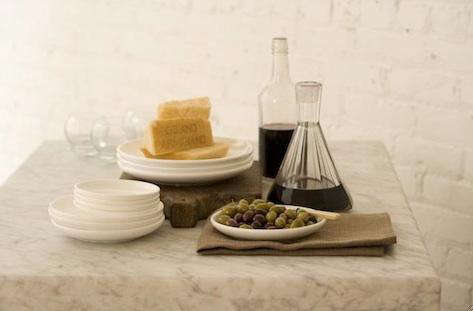
There are two kinds of people at a party: the person who brings chips in the bag, and the person who arrives with cheese arranged on marble like the dairy aisle got invited to a black-tie gala. A marble cheese tray instantly makes a tabletop feel polished, intentional, and a little bit luxuriouseven when the “menu planning” was mostly opening the refrigerator and negotiating with a wedge of cheddar.
Marble cheese trays are more than pretty slabs. They are practical serving pieces for cheese, fruit, nuts, crackers, chocolate, canapés, and small bites. Their naturally cool surface helps keep cheese pleasantly firm for serving, their veining adds visual drama, and their weight gives them that “yes, I own real serving pieces” energy. Whether you are hosting a holiday dinner, building a casual charcuterie board, or upgrading your kitchen counter display, a marble cheese board can be one of the most useful tabletop accessories in your entertaining collection.
This guide explores how marble cheese trays work, why they remain a favorite in modern entertaining, how to choose the right style, how to arrange a memorable cheese spread, and how to care for marble so it stays gorgeous instead of becoming a sad, stained rectangle of regret.
What Is a Marble Cheese Tray?
A marble cheese tray is a serving board or platter made from natural marble, often polished smooth and cut into round, rectangular, square, paddle, scalloped, or pedestal shapes. Some designs include handles, brass accents, wood inlays, feet, or matching cheese knives. Others are simple, minimal slabs that let the natural stone do the talking.
The main keyword here is simple: marble cheese trays. But the real appeal is layered. They function as cheese boards, charcuterie boards, dessert platters, appetizer trays, and decorative tabletop pieces. A white marble cheese board can make strawberries look brighter, brie look creamier, and crackers look less like they were panic-bought fifteen minutes before guests arrived.
Why Marble Works So Well for Cheese
It stays naturally cool
Marble is prized in kitchens because it feels cool to the touch. That coolness is one reason bakers like marble pastry boards, and it is also why marble serving trays work beautifully for cheese. When chilled briefly in the refrigerator before serving, a marble tray can help fruit, cheese, and small bites stay fresh-looking longer on the table.
This does not mean marble replaces food safety rules. Cheese, cut fruit, cured meats, dips, and other perishable foods should not sit out indefinitely. In general, keep cold foods refrigerated until serving, use the tray for presentation, and follow the two-hour rule for perishable foods at room temperature. Marble is elegant, not magical. It cannot defeat bacteria with good cheekbones.
It creates instant visual contrast
Marble’s veining gives a tabletop texture before you add a single grape. White marble makes colorful ingredients pop: green olives, deep red figs, golden honey, pink prosciutto, purple grapes, and orange cheddar all look more vibrant against a pale stone surface. Dark marble, meanwhile, creates a moody, restaurant-style look that works well for evening entertaining.
It feels elevated without trying too hard
A marble cheese tray sits comfortably between casual and formal. It can handle a wine-and-cheese night, a bridal shower, Thanksgiving appetizers, a birthday spread, or a quiet Friday dinner where the main event is “things on crackers.” The tray does not need a complicated centerpiece around it. In many cases, it is the centerpiece.
Types of Marble Cheese Trays
Classic white marble boards
White marble cheese boards are the most versatile option. They work with almost every dinnerware style, from farmhouse ceramics to modern matte plates. They are especially good for bright, fresh boards with fruit, soft cheese, nuts, herbs, and honey.
Gray or black marble trays
Gray and black marble trays feel more dramatic. They are perfect for cocktail parties, savory boards, smoked cheeses, cured meats, dark chocolate, roasted nuts, and bold garnishes. A black marble cheese tray with gold flatware or brass cheese knives can make even supermarket gouda feel like it has a trust fund.
Marble and wood cheese boards
Marble-and-wood trays combine cool stone with warm natural grain. These are excellent if you want the refined look of marble without losing the cozy charm of a wooden charcuterie board. The wood section is useful for bread, crackers, or dry items, while the marble side can hold cheese, fruit, or chilled bites.
Pedestal marble cheese trays
A pedestal tray adds height to the tabletop. Use it when you want a layered buffet, dessert table, or appetizer station. Height makes a spread feel abundant and helps guests notice the food instead of walking past it like it is a decorative mystery.
Marble trays with cheese knives
Some marble cheese tray sets come with a chisel knife, pronged knife, spreader, or small fork. These sets are convenient for gifting and hosting because different cheeses need different tools. A spreader works for soft goat cheese or brie, a chisel knife handles firmer cheeses, and a pronged knife helps transfer slices without guests using their fingers like tiny forklifts.
How to Choose the Best Marble Cheese Tray
Consider the size
For two to four people, a small marble board around 8 to 12 inches is usually enough for two cheeses, crackers, fruit, and a small bowl of olives. For six to eight guests, choose a medium board or combine a marble tray with a second platter. For a larger party, use multiple boards rather than overcrowding one tray until it resembles a delicious traffic jam.
Think about weight
Marble is heavy. That weight makes it stable, but it also means you should consider where you will store it and how easily you can carry it once loaded. A giant marble slab looks impressive until you try to move it across the kitchen while balancing grapes, knives, and your dignity.
Look for protective feet
Some marble trays have small pads or feet underneath to protect tables and countertops. This is especially useful if you have wood furniture, delicate finishes, or a dining table you love more than some of your relatives.
Match the shape to your hosting style
Round marble trays feel soft and social. Rectangular boards are great for rows, groupings, and long tables. Paddle boards with handles are easy to move and look casual. Scalloped or carved-edge trays add decorative flair and work beautifully for showers, brunches, and holiday spreads.
How to Build a Beautiful Cheese Spread on Marble
Start with the cheeses
Choose three to five cheeses with different textures and flavors. A simple formula is one soft cheese, one firm cheese, one aged cheese, and one bold cheese. For example, try brie, aged cheddar, manchego, and blue cheese. For a gentler board, use goat cheese, gouda, havarti, and parmesan shards.
Place the cheeses first because they are the anchors of the tray. Keep them spaced apart so guests can reach each one easily. Cut a few slices or wedges before serving to make the board inviting. People are often shy about being the first person to attack an untouched cheese wedge. Give them permission with a starter slice.
Add something crunchy
Crackers, crostini, breadsticks, pita chips, and toasted baguette slices give guests a vehicle for cheese. Choose at least two textures: one crisp cracker and one bread-like option. If your tray is small, place extra crackers in a nearby bowl so the marble surface does not disappear under a beige cracker avalanche.
Add something sweet
Fruit balances rich cheese beautifully. Grapes, figs, berries, apple slices, pear wedges, dried apricots, dates, and cherries all work well. Honey, fig jam, pepper jelly, and fruit preserves bring shine and flavor. Put sticky spreads in small bowls to protect the marble and keep cleanup easy.
Add something salty or briny
Olives, cornichons, roasted nuts, marcona almonds, pistachios, cured meats, and marinated vegetables add contrast. These ingredients keep the tray from tasting one-note. A cheese board should feel like a conversation: creamy, crunchy, salty, sweet, sharp, mellow, and occasionally a little dramatic.
Finish with color and garnish
Fresh herbs, edible flowers, citrus leaves, rosemary sprigs, or small bunches of grapes can make a marble cheese tray look styled without requiring a culinary arts degree. Use garnish sparingly. The goal is “effortless host,” not “cheese board trapped in a forest.”
Food Safety Tips for Marble Cheese Trays
Because marble cheese trays are often used for ready-to-eat foods, cleanliness matters. Wash your hands before arranging the tray. Make sure the tray, knives, bowls, and utensils are clean. Keep cheese and perishable ingredients refrigerated until close to serving time. Use separate utensils for dips, jams, and cheeses so flavors stay clean and guests are not cross-contaminating the entire board.
Perishable foods should generally not sit at room temperature for more than two hours, or one hour when the environment is very hot. If you are hosting a long event, prepare a smaller board first and keep backup ingredients chilled. Refresh the tray in batches instead of putting out every last cube of cheese at once. Your board will look better, taste fresher, and avoid becoming a dairy-based science project.
How to Clean and Care for Marble Cheese Trays
Hand-wash only
Most marble cheese trays should be hand-washed with mild dish soap, warm water, and a soft cloth or sponge. Rinse thoroughly and dry immediately with a soft towel. Do not put marble in the dishwasher. High heat, harsh detergent, and water exposure can damage the stone or weaken decorative elements.
Avoid acidic cleaners
Marble is sensitive to acid. Lemon juice, vinegar, and harsh cleaners can etch the surface, leaving dull marks. Acidic foods such as citrus, tomatoes, and vinegar-heavy pickles should be placed in bowls or on parchment rather than directly on the marble. This is not marble being high-maintenance. This is marble having boundaries.
Protect against stains
Marble can stain, especially lighter stone. Wipe spills quickly, particularly from wine, berries, oils, jams, and deeply colored sauces. For serving, small bowls and ramekins are your best friends. They add height to the board and protect the tray from oily or acidic ingredients.
Store carefully
Store marble trays flat or upright in a secure spot where they will not slide, chip, or fall. If stacking with other serving pieces, place a soft cloth between items. Marble is strong, but edges and corners can chip if treated like a gym weight with cheese aspirations.
Marble Cheese Trays vs. Wood, Slate, and Ceramic
Wooden cheese boards are warm, rustic, and excellent for bread, crackers, and charcuterie. Slate boards are dark, dramatic, and often used for labeling cheese with chalk. Ceramic platters are lightweight and easy to coordinate with dinnerware. Marble stands apart because it combines a cool surface, natural veining, and a polished tabletop presence.
The best choice depends on your style. If you want cozy and casual, wood may win. If you want sleek and modern, marble is hard to beat. If you entertain often, owning both a wood board and a marble cheese tray gives you flexibility. Use marble for chilled cheese, fruit, chocolate, and refined appetizers; use wood for bread-heavy spreads, rustic boards, or casual family snacks.
Styling Ideas for Every Occasion
Wine night
Use a small marble cheese tray with brie, aged cheddar, grapes, almonds, fig jam, and water crackers. Add one cheese knife and cocktail napkins. This setup looks polished but takes less time than finding the corkscrew you definitely put somewhere logical.
Holiday appetizer board
Choose a large marble tray and build around seasonal colors. For winter, use rosemary, cranberries, pears, walnuts, blue cheese, and sharp cheddar. For fall, try figs, apples, smoked gouda, maple nuts, and pumpkin seeds. For spring, use goat cheese, strawberries, pistachios, honey, and fresh mint.
Brunch tray
Marble is beautiful for brunch. Arrange soft cheese, smoked salmon, cucumber slices, capers, mini bagels, boiled eggs, berries, and lemon wedges in small bowls. Keep acidic lemon off the marble directly, but let it add color nearby.
Dessert cheese tray
Pair mascarpone, brie, or triple-cream cheese with dark chocolate, strawberries, honeycomb, candied nuts, and shortbread. A marble tray makes dessert feel elegant without requiring frosting, piping bags, or emotional recovery.
Common Mistakes to Avoid
The first mistake is overcrowding. Marble looks best when some of the stone remains visible. Let the veining show. The second mistake is using too many wet or acidic ingredients directly on the surface. Bowls exist for a reason, and that reason is saving your marble from lemon juice betrayal.
The third mistake is serving cheese ice-cold. Cheese often tastes better after it has had a little time to temper, though it still must be handled safely. Take cheese out close enough to serving that flavors can open up, but not so early that the board lingers for hours. The fourth mistake is forgetting utensils. Give each cheese its own knife when possible, especially if you are serving a strong blue cheese next to a mild brie.
Buying Tips: What Makes a Good Marble Cheese Tray?
A good marble cheese tray should feel sturdy, sit flat, have smooth edges, and be easy to clean. Natural veining should look attractive to you, but remember that every marble piece is unique. Variations in tone, line, and pattern are part of the charm. If you prefer uniformity, choose a simpler white marble pattern. If you like drama, look for bold gray, green, or black veining.
For gifting, a marble cheese board set with knives is practical and attractive. For everyday use, a medium rectangular board may be the most flexible. For display, a pedestal or scalloped marble tray creates more impact. The best marble cheese tray is the one you will actually use, not the one that lives in a cabinet waiting for a dinner party fancy enough to deserve it.
Personal Experience: Living With Marble Cheese Trays
After using marble cheese trays in real hosting situations, one thing becomes clear: they make simple food look intentional. A plain wedge of cheddar, a small bunch of grapes, and a handful of crackers can look surprisingly elegant when placed on marble. The tray does half the styling work before you even unwrap the cheese. It is the tabletop equivalent of putting on a blazer over a T-shirt.
The best experience comes from treating the marble tray as both a serving tool and a visual frame. I like leaving open space around the edges so the stone can show. When the tray is completely covered, you lose the reason you chose marble in the first place. A little negative space makes the board look more expensive and less frantic. It also gives guests room to cut cheese without knocking almonds into the jam.
Another practical lesson: small bowls are essential. Marble is beautiful, but it does not love oily olives, beet-colored spreads, or acidic condiments sitting directly on its surface. Tiny ramekins, pinch bowls, or even small teacups can hold honey, mustard, jam, pickles, or marinated vegetables. They protect the stone while adding height and structure to the arrangement.
Pre-chilling the tray can be helpful, especially for summer snacks or warm kitchens. I do not freeze the tray or shock it with extreme temperature changes. I simply place it in the refrigerator for a short time before serving. The surface feels cool, the cheese looks fresh, and the whole board has a crisp, composed quality. It is a small step that makes the presentation feel more professional.
One surprise is how useful a marble cheese tray can be outside of cheese. It works beautifully for chocolate truffles, sliced fruit, tea sandwiches, sushi-style appetizers, cookies, mini pastries, and even butter curls for a dinner table. A marble tray on a coffee table with fruit, nuts, and chocolates looks curated without becoming fussy. It is also excellent for photographing food because the neutral stone background reflects light nicely and adds texture.
Cleaning is easy when done immediately. The trouble starts when sticky jam, wine drops, or oily foods sit too long. My rule is simple: enjoy the party first, but do not leave the marble tray abandoned overnight like a crime scene. Wash with mild soap, rinse, dry, and put it away safely. It takes only a few minutes and keeps the board ready for the next event.
Marble cheese trays also change how guests interact with food. People tend to gather around them. They ask what the cheeses are, which jam pairs best, and whether the fancy-looking wedge is “too strong” before bravely trying it anyway. A good tray creates a small social moment. It invites grazing, conversation, and that universal party phrase: “I’m just having one more cracker,” which is almost never true.
The final experience-based tip is to keep the board realistic. You do not need twelve cheeses, rare imported honey, or grapes arranged by a stylist named Sebastian. Three cheeses, one fruit, one crunchy item, one salty item, and one sweet spread are enough. Marble makes restraint look elegant. In fact, a simple board often looks better than an overloaded one because the stone, colors, and shapes have room to breathe.
Conclusion
Marble cheese trays are timeless tabletop pieces because they combine beauty, function, and versatility. They keep cheese presentation cool and refined, create a striking backdrop for colorful ingredients, and adapt easily to casual snacks, formal dinners, brunch spreads, dessert boards, and holiday entertaining. With the right caregentle hand-washing, quick cleanup, and protection from acidic foodsa marble cheese tray can remain a favorite serving piece for years.
The secret is not to overthink it. Choose a tray that fits your hosting style, use a mix of cheese textures and flavors, add sweet and salty accents, protect the stone with small bowls, and let the marble show. The result is a tabletop spread that looks polished, tastes generous, and quietly announces that yes, you are the kind of person who owns a proper cheese tray. Congratulations. The crackers are proud of you.
Note: This article is based on synthesized guidance from reputable U.S. food safety, natural stone care, entertaining, kitchenware, and home design resources, rewritten in original language for web publication.