Note: This article provides general home-gardening information. Always identify the pest as accurately as possible, follow product-label directions, and test any treatment on a smat.
A cactus is supposed to be the low-maintenance roommate of the plant world. It drinks very little, does not ask for emotional reassurance, and looks dramatic even when it is doing absolutely nothing.
Then one day, you spot white cottony fluff tucked between the spines. Or tiny brown bumps that look like someone glued sesame seeds onto the plant. Or faint webbing that makes your cactus look like it has been decorating for Halloween without consulting you.
Welcome to the world of cactus bugs.
The good news is that most common cactus pests can be controlled without turning your home into a chemical laboratory. Mealybugs, scale insects, spider mites, aphids, and cochineal scale may be annoying, but they are not invincible. With careful inspection, direct removal, and a few repeat treatments, your cactus can go back to doing what it does best: sitting quietly and looking tougher than everyone else.
This guide covers three simple ways to get rid of cactus bugs, how to identify the most likely offender, and what experienced cactus owners often learn after their first pest battle.
First, Make Sure You Are Actually Looking at Cactus Bugs
Before you declare war on every speck of dust, take a closer look. Cacti naturally collect dust, dried flower remnants, bits of soil, and the occasional mysterious fuzz that seems to appear from another dimension.
However, certain signs usually point to a real pest problem.
Common cactus pest signs
- White cottony clusters: Usually mealybugs or cochineal scale.
- Small tan, brown, or gray bumps: Often scale insects.
- Fine webbing and pale speckling: Usually spider mites.
- Sticky residue: Often honeydew left behind by mealybugs, aphids, or soft scale.
- Distorted new growth: Can indicate sap-sucking insects feeding on tender tissue.
- White fuzz on prickly pear pads that stains red when crushed: Likely cochineal scale.
- Weak growth or unexplained decline: May point to root mealybugs hiding below the soil line.
Cactus pests are sneaky because they prefer protected areas. Check between ribs, around areoles, under dried flower parts, near the base of the plant, and along the pot rim. If your cactus has long spines, use tweezers, gloves, or a soft paintbrush. Your fingers deserve better than an accidental lesson in cactus anatomy.
Why Cactus Bugs Show Up in the First Place
Most cactus bug problems begin with one of three things: a newly purchased plant, a nearby infested houseplant, or a stressed cactus. Pests can hitchhike from nurseries, patios, outdoor gardens, or plant swaps. They can also spread when crowded plants touch each other.
Stress makes the situation worse. A cactus kept in poor drainage, watered too often, deprived of enough light, or placed in stagnant indoor air may become more vulnerable to pests. That does not mean a healthy cactus is immune, but strong growing conditions give it a much better chance of bouncing back.
Think of it this way: pests are opportunists. They are the tiny freeloaders of the plant world. Give them a crowded, stressed, dusty cactus collection, and they will treat it like an all-inclusive resort.
1. Remove Visible Cactus Bugs by Hand
The simplest way to get rid of cactus bugs is also the least glamorous: physically remove them.
This method works especially well when you catch an infestation early. A few mealybugs, scale insects, or spider mites are much easier to manage than a full-blown cactus bug convention.
Use rubbing alcohol for mealybugs and scale
For light infestations, dip a cotton swab, small paintbrush, or cotton ball in rubbing alcohol and gently dab the visible insects. The alcohol helps dissolve the waxy coating that protects mealybugs and can kill or loosen many soft-bodied pests.
Use a gentle touch. You are treating a cactus, not scrubbing a burnt casserole dish.
Focus on the hidden spots where pests like to gather:
- Between cactus ribs
- Near the base of spines
- Where stems join
- Under dried flowers
- Along the pot edge
- Near the soil surface
Do not soak the cactus. Dab the pests directly instead. Some cacti can be sensitive to alcohol, especially if they are already stressed, sunburned, or dehydrated. Test a small area first and wait a day or two before treating the rest of the plant.
Use water pressure for outdoor prickly pear cactus bugs
If you have an outdoor prickly pear cactus covered in white waxy clusters, you may be dealing with cochineal scale. A strong stream of water can knock off much of the waxy coating and expose the insects underneath.
Use a hose nozzle with enough force to dislodge pests, but not enough force to damage tender pads. Start from a safe distance and work gradually. If the infestation is concentrated on a few badly affected pads, pruning those pads may be more effective than trying to rescue every inch of the plant.
Always dispose of heavily infested plant material rather than tossing it near healthy plants. A pest-covered cactus pad is not garden decor. It is a tiny bug shuttle bus.
Brush away spider mites carefully
Spider mites are extremely small, but their damage can be obvious. Look for pale stippling, dull patches, tiny webs, or an overall dusty appearance. Because spider mites are related to spiders rather than insects, they may need a slightly different approach.
Gently rinse the cactus with water or wipe accessible areas with a soft brush. Repeat every few days if needed. Spider mites reproduce quickly, so consistency matters more than one dramatic treatment session.
2. Treat Cactus Bugs With Insecticidal Soap or Horticultural Oil
When hand removal is not enough, insecticidal soap or horticultural oil can help control larger cactus pest populations.
These products work by contact. In plain English: the spray has to touch the bug. Spraying vaguely in the general direction of your cactus while hoping for emotional results will not do much.
Insecticidal soap for soft-bodied pests
Insecticidal soap is commonly used against mealybugs, aphids, spider mites, young scale insects, and other soft-bodied cactus pests. It can be a practical option for indoor cactus care because it breaks down quickly and does not leave a heavy residue when used properly.
When applying insecticidal soap:
- Choose a product labeled for houseplants, succulents, or ornamental plants.
- Apply it directly to pests and the areas where they hide.
- Pay attention to crevices, ribs, joints, and the underside of any leaves.
- Do not spray during intense heat or direct midday sun.
- Repeat as directed on the label because eggs and newly hatched pests may survive the first treatment.
Most cactus bug infestations are not solved in one round. The adult bugs you see are only part of the problem. Eggs, crawlers, and hidden pests can appear later, so follow-up treatments are often the difference between “problem handled” and “why are the cotton blobs back?”
Horticultural oil for scale and stubborn infestations
Horticultural oil can be especially useful for scale insects and mealybugs because it can smother pests that are difficult to control with simple contact sprays. However, cactus owners should be careful with oil-based treatments.
Some cacti and succulents are sensitive to oils, especially in hot weather or bright sunlight. Spray during a cool part of the day, such as early morning or evening, and keep the plant out of harsh direct sun until the spray dries.
Never mix insecticidal soap, horticultural oil, rubbing alcohol, and random kitchen ingredients into one homemade super-spray. Your cactus is a plant, not a science fair volcano.
What about neem oil?
Neem-based products are often marketed for houseplant pests, and some gardeners use them successfully on mealybugs, aphids, and mites. However, neem oil can also cause leaf spotting or stress if used too heavily, especially on plants exposed to heat or strong light.
If you choose neem oil, use a product labeled for ornamental plants, follow the directions exactly, and test a small area before treating the entire cactus. More is not better. In plant care, “just one more spray” is often how good intentions become crispy regrets.
3. Repot, Isolate, and Reset the Growing Conditions
If cactus bugs keep returning, the problem may not be entirely above the soil. Root mealybugs can hide in potting mix, cling to roots, and quietly reinfest the plant after you have cleaned the visible parts.
This is where a reset becomes necessary.
When to repot a cactus with pests
Consider repotting when:
- You see white insects or fluffy material near the soil line.
- The cactus keeps getting reinfested after treatment.
- The plant looks weak despite removing visible pests.
- You suspect root mealybugs.
- The potting mix is old, dense, or staying wet too long.
How to repot a cactus after a pest problem
- Move the cactus away from your other plants.
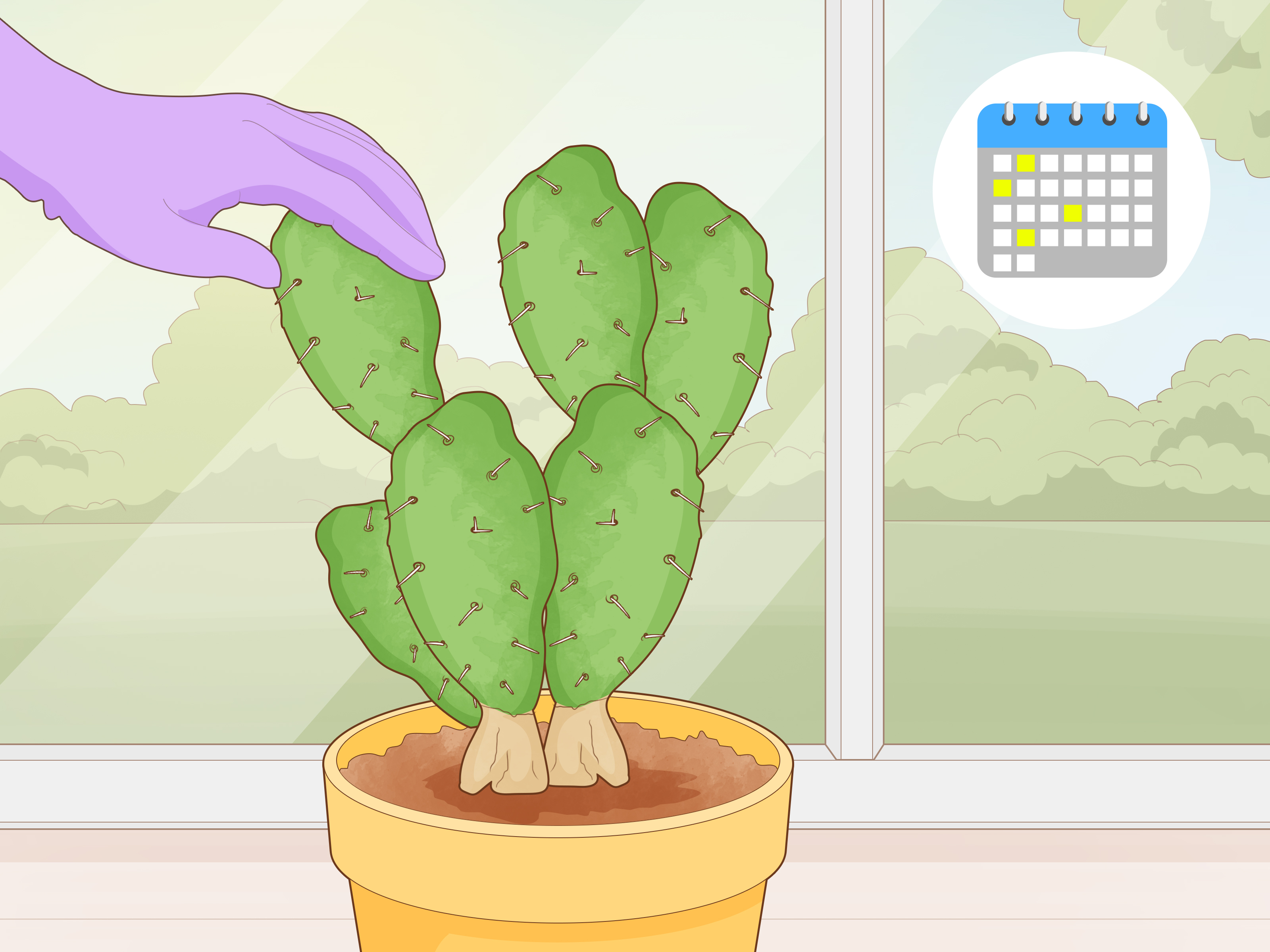
- Wear thick gloves or use folded newspaper, tongs, or a towel to handle spiny plants.
- Remove the cactus from its pot and gently shake away the old soil.
- Inspect the roots for white cottony clusters, tiny insects, rot, or mushy tissue.
- Discard the old potting mix rather than reusing it.
- Wash the pot thoroughly with hot, soapy water.
- Use fresh, fast-draining cactus or succulent potting mix.
- Wait a few days before watering if roots were disturbed or damaged.
After repotting, keep the cactus isolated for at least a couple of weeks and inspect it regularly. This is not punishment. It is plant quarantine. Your other houseplants will appreciate the boundaries.
Improve cactus care to prevent future bugs
Good cactus care does not guarantee that pests will never appear, but it makes infestations less likely to get out of control.
- Give your cactus bright light appropriate for its species.
- Use a pot with drainage holes.
- Allow the soil to dry thoroughly between waterings.
- Avoid overfertilizing, especially with high-nitrogen products.
- Inspect new plants before bringing them home.
- Keep newly purchased cacti separate for two to three weeks.
- Check your collection every time you water.
- Clean up dead flowers, fallen leaves, and debris around pots.
How to Tell Which Cactus Pest You Have
Mealybugs
Mealybugs look like tiny white cotton balls or fuzzy bits of lint. They feed on plant sap and often hide in crevices. You may also notice sticky honeydew or black sooty mold nearby.
Best first move: Dab visible bugs with rubbing alcohol, then follow up with insecticidal soap if needed.
Scale insects
Scale insects look like small brown, tan, gray, or black bumps attached to the cactus. They may be mistaken for natural scars at first, but they do not belong there.
Best first move: Scrape or dab individual insects off carefully, then use horticultural oil or insecticidal soap according to label instructions.
Spider mites
Spider mites are tiny and difficult to see without magnification. Their clues are pale spots, dull cactus skin, fine webbing, and gradual discoloration.
Best first move: Rinse or wipe the plant, improve airflow, and use a labeled insecticidal soap or horticultural oil treatment if the infestation continues.
Cochineal scale
Cochineal scale commonly appears on prickly pear cactus as white, waxy fluff. If a small amount is crushed and produces red staining, that is a strong clue.
Best first move: Spray with water to remove waxy coverings, prune badly affected pads, and use insecticidal soap on exposed insects when necessary.
Root mealybugs
Root mealybugs are the underground troublemakers. They can cause poor growth, yellowing, unexplained decline, and repeat infestations.
Best first move: Repot the cactus in clean soil and carefully inspect the roots.
Common Mistakes to Avoid When Treating Cactus Bugs
Even a good treatment can go wrong if it is applied carelessly. Avoid these common mistakes:
- Spraying in direct hot sun: This can burn or scar cactus tissue.
- Using too much rubbing alcohol: Alcohol can damage some plants if overapplied.
- Treating only once: Many pests require repeat treatments.
- Ignoring nearby plants: Your cactus may be getting reinfested by a neighboring houseplant.
- Overwatering after treatment: A stressed, wet cactus is more vulnerable to additional problems.
- Using random dish soap mixtures: Household soaps may contain additives that can harm plant tissue.
- Assuming every white mark is a pest: Some cacti naturally have woolly areoles or protective fuzz.
When to Throw Away an Infested Cactus
No one likes this option, especially after you have spent months convincing yourself that your cactus is “basically thriving.” Still, severely infested plants can become a constant source of pests for the rest of your collection.
Consider discarding the cactus if:
- The infestation is massive and repeatedly returns.
- Root mealybugs have spread through multiple plants.
- The cactus is severely weakened, rotting, or collapsing.
- It is likely to infect valuable or healthy nearby plants.
Throwing away one heavily infested cactus can protect an entire collection. It is not failure. It is strategic gardening. Sometimes the bravest thing a plant parent can do is admit that the cactus has become the pest equivalent of a reality-show villain.
Real-World Cactus Bug Experiences: What Plant Owners Commonly Learn
Most cactus pest stories begin with denial.
A plant owner notices one tiny white speck near the base of a cactus spine and assumes it is dust. Then, a week later, there are three white specks. Another week passes, and suddenly the cactus looks like it has been sprinkled with shredded coconut.
The first lesson many people learn is that cactus bugs are easier to manage early. A single mealybug can seem harmless, but mealybugs hide in folds, roots, and tight spaces. By the time the visible bugs are obvious, there may be more lurking nearby. Regular inspections are not glamorous, but they are far easier than trying to rescue a heavily infested plant later.
Another common experience involves the “one treatment miracle” expectation. Someone dabs a few bugs with alcohol, feels victorious, and returns to normal life. Ten days later, more bugs appear. This can feel like the treatment failed, but it often means newly hatched pests emerged after the first round.
The more useful mindset is to treat cactus bugs like laundry. One load does not mean clothes will never get dirty again. You remove what is there, check again, repeat when necessary, and eventually regain control of the situation.
People also discover that nearby plants matter. A cactus may be treated perfectly but continue getting reinfested because a pothos, orchid, succulent, or decorative plant nearby has a hidden colony of mealybugs. In a crowded plant shelf, pests do not respect personal space. They see a collection of plants as an apartment complex with free utilities.
Outdoor cactus owners often have a different experience. Prickly pear cactus can develop dramatic white cochineal scale colonies that look alarming from a distance. The white waxy material may make the plant look diseased, yet the cactus can sometimes tolerate a moderate amount of infestation. The issue becomes more serious when pads weaken, discolor, or show poor growth.
Many gardeners find that a practical combination works best: prune the worst pads, wash the remaining plant with water, then apply a labeled insecticidal soap where pests remain. It is less about one magical product and more about reducing the population repeatedly until the cactus is no longer under pressure.
Root mealybugs create another memorable lesson. A cactus can look clean above the soil while continuing to decline. The owner may keep spraying the top of the plant, wondering why nothing changes. Then, during repotting, white clusters appear around the roots. That discovery often explains everything.
Repotting is not always fun, particularly when the cactus has sharp spines and a personality that suggests it wants revenge. But fresh potting mix, a clean container, and careful root inspection can break the pest cycle when surface treatments are not enough.
Finally, many experienced cactus owners become more cautious about new purchases. A beautiful $6 cactus from a nursery can bring home far more than a decorative plant. It can bring mealybugs, scale insects, mites, and a future weekend project nobody requested.
Quarantining new plants for a few weeks may sound excessive, but it is one of the easiest habits for protecting an established cactus collection. Inspect new arrivals carefully, especially around the soil line and under decorative gravel. A few minutes of caution can save months of pest control.
The best cactus bug experience is the boring one: you notice a pest early, remove it quickly, inspect again, and move on with your life. Your cactus survives, your other plants remain safe, and nobody has to explain why there is rubbing alcohol, insecticidal soap, gloves, tweezers, and a suspiciously angry-looking prickly pear spread across the kitchen table.
Conclusion
Getting rid of cactus bugs does not have to be complicated. Start by identifying the pest, isolate the affected cactus, and remove visible insects by hand. Use rubbing alcohol for small mealybug or scale problems, apply insecticidal soap or horticultural oil for broader infestations, and repot the cactus when root pests or repeated outbreaks become a concern.
The key is persistence. Cactus pests are small, stubborn, and deeply committed to freeloading, but they are manageable when you act early and repeat treatments as needed. With a little patience, your cactus can return to its normal routine of looking tough, asking for almost nothing, and silently judging everyone in the room.