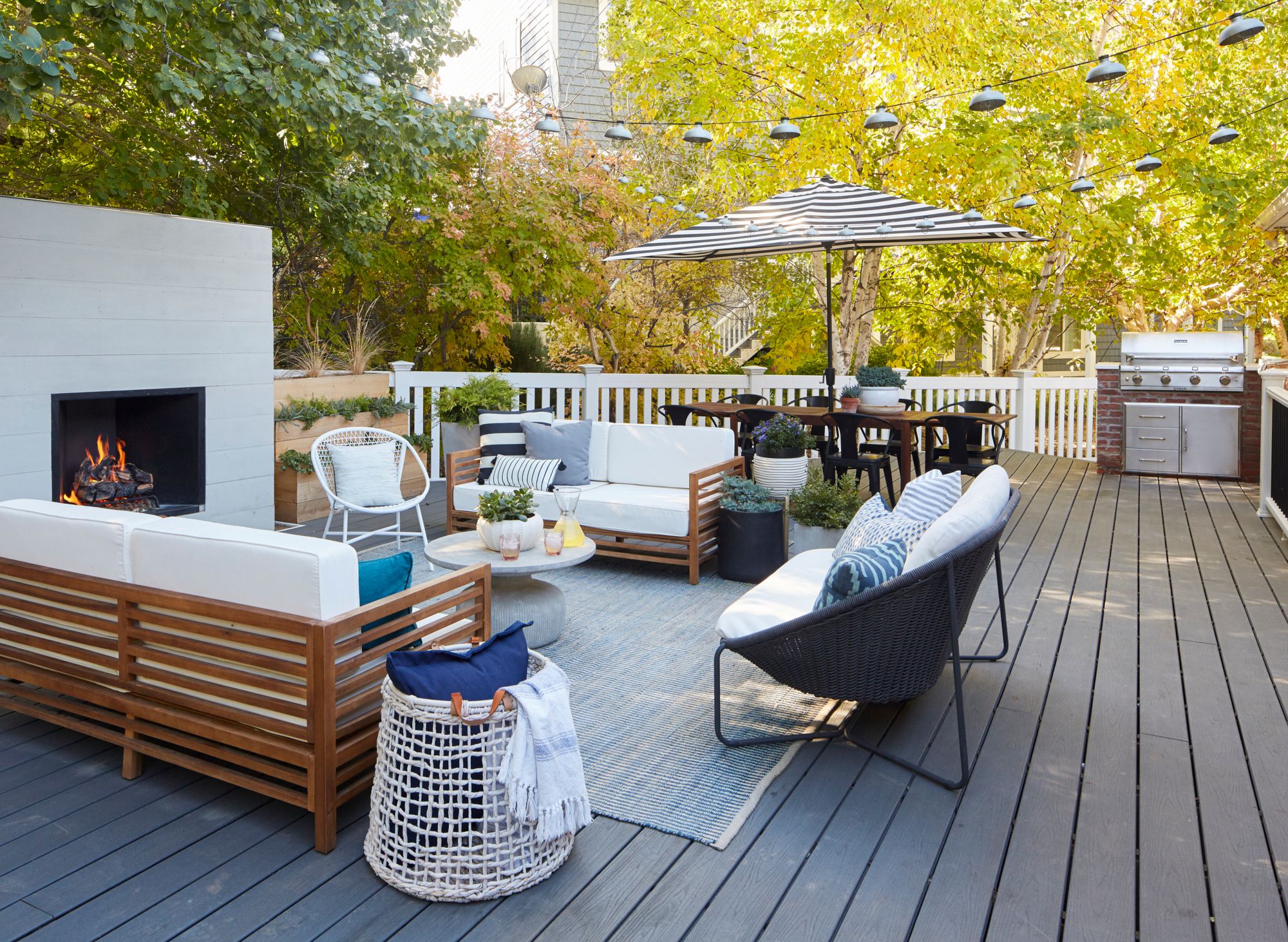
Your deck has dreams. Big dreams. Like being a relaxing outdoor oasis instead of the place where pool noodles go to retire and garden tools mysteriously multiply. The good news: you don’t need a bigger deckyou just need smarter storage.
Below are 26 practical deck storage ideas (from quick buys to weekend DIYs) that help you hide the clutter, protect your gear from weather, and make your outdoor space feel intentionally “put together” instead of accidentally “garage-adjacent.”
A Simple Deck-Storage Game Plan (So You Don’t Just Move the Mess Around)
1) Sort your stuff into “deck zones”
Most deck clutter falls into a few predictable categories: seating extras (cushions/blankets), outdoor games and toys, grilling tools, gardening supplies, and seasonal decor. Create a “home” for each group, and suddenly your deck stops behaving like an outdoor junk drawer.
2) Use the “one-step rule” for daily items
If you use it every day, store it within one step of where you use it. Grill tools near the grill. Throws near seating. Garden gloves near planters. Convenience is the secret ingredient that keeps organization from turning into a one-week hobby.
3) Choose storage that matches your weather reality
Rainy region? Prioritize waterproof lids, drainage, and elevation off the deck boards. Hot/sunny climate? Look for UV-resistant materials and breathable storage so mildew doesn’t throw a house party inside your bins.
26 Deck Storage Ideas to Organize Your Outdoor Space
Mix and match these deck storage solutions based on your deck size, layout, and what you actually use. The goal is simple: fewer trip hazards, more “ahhh.”
-
Storage bench seating (the classic two-for-one)
A bench with a hinged seat hides cushions, toys, or small tools while adding extra seating. Put it along a wall or railing where it doesn’t steal walking space.
-
Built-in bench with hidden compartments
If you’re remodeling, build storage into perimeter seating. It looks custom (because it is) and keeps the deck footprint cleanno random bins photobombing your vibe.
-
Deck box that doubles as a side table
Many deck boxes have a flat top strong enough for drinks and snacks. Choose a size that fits your cushionsand your impulse to buy more cushions.
-
Deck box with wheels for “grab-and-go” storage
Wheels are underrated. Roll the box closer during parties, then tuck it back against the house when you want an open layout.
-
Outdoor storage cabinet for grilling and serving gear
A slim, weather-rated cabinet can hold grill brushes, trays, seasoning bins, and paper goods. Bonus: cabinets make “mess” look like “furniture.”
-
Rolling bar cart with baskets underneath
Use the top for drinks, the lower shelf for napkins and cups, and add bins for citronella, lighters, and “where are the bottle openers?” items.
-
Outdoor coffee table with hidden storage
Storage ottomans and lift-top tables hide throws, games, or remote speakers. This is perfect for small decks where every item must earn its keep.
-
Under-bench slide-out bins
Add shallow rolling bins under existing seating to store sandals, dog toys, or garden gloves. Label them so you don’t create a “mystery drawer” outdoors.
-
Railing-mounted shelves for tiny essentials
Clip-on or screw-on railing shelves hold drinks, small planters, or a bin for sunscreen and bug spray the stuff you always need and never know where it went.
-
Vertical wall-mounted tool rack
Mount hooks or a rail system on an exterior wall to hang a hose nozzle, small broom, dustpan, and hand tools. Vertical storage saves floor space fast.
-
Weatherproof hooks for chairs, lanterns, and watering cans
Heavy-duty outdoor hooks keep frequently used items off the deck boards. Group by “activity” (grilling, gardening, games) for easy grabbing.
-
Decorative baskets for blankets and pillows (with a moisture plan)
Use lidded baskets or bins for throws, and rotate textiles indoors when storms hit. Stylish? Yes. Also a great way to stop “pillow drift” across the yard.
-
Planter boxes with built-in storage
Some planters have a hollow base for tools or small bags of soil. It’s a clever way to disguise storage as landscaping (very sneaky, very chic).
-
Storage ottomans as extra seating
An outdoor ottoman can hide pool toys or small cushions while serving as a footrest or spare seat. Great for compact decks that host big hangouts.
-
A narrow “spice rack” shelf for grill season
Install a slim shelf near your cooking zone and use small bins for rubs, sauces, and utensils. Keep it covered or inside a cabinet if rain is common.
-
Corner storage cabinet (because corners deserve purpose too)
Corners often become “pile zones.” A corner cabinet or triangular shelf unit turns dead space into organized storage without blocking flow.
-
A hidden trash-and-recycling enclosure
Build or buy a lidded enclosure for bins so they’re accessible but not center stage. Add a simple latch to discourage wind and curious critters.
-
Outdoor shoe cubby (aka: the anti-mud solution)
Use a weather-resistant cubby or bench near the door for sandals and garden shoes. It reduces dirt indoors and ends the “where did my flip-flops go?” saga.
-
Wall-mounted fold-down table with storage hooks
A fold-down surface works for potting plants or serving snacks, and hooks below can hold small tools, towels, or grilling mitts.
-
Ceiling-mounted hooks under a covered deck
If you have a roof or pergola, use overhead hooks for lanterns, lightweight chairs, or rolled outdoor rugsjust keep weight limits and wind in mind.
-
Under-deck storage with skirting and an access door
If your deck is elevated, enclose the underside with skirting and add a door for larger storage. This is a smart spot for folded chairs, kids’ gear, and bulky seasonal items.
-
Under-deck “dry zone” with a drainage system
For serious under-deck storage, a drainage system can divert water and help create a drier area below. Pair it with shelving and sealed bins to protect items long-term.
-
A potting bench with shelves and bins
A potting bench is basically a tiny outdoor workshop. Store soil, gloves, hand tools, and watering accessories on shelves, hooks, and labeled containers.
-
Firewood storage bench or rack
If you use a fire pit, keep wood elevated and ventilated. A bench-style holder keeps logs neat, nearby, and less likely to become a soggy science experiment.
-
A locking deck box for pool supplies and chemicals (stored safely)
If you have pool gear, a lockable box keeps floats and accessories contained. For chemicals, always follow product labels and store out of reach of kids and pets.
-
Seasonal “swap bins” (the easiest organization habit)
Create two or three labeled bins: “Summer,” “Fall,” “Holiday Lights.” When the season changes, swap bins instead of re-inventing your storage system each time.
Pro Tips for Weatherproof, Safe Deck Storage
Pick materials that won’t tap out mid-season
Resin and plastic storage often handle rain and sun with low maintenance. Wood looks great but needs sealing and airflow. Metal can be durable, but watch for rust in damp climates.
Think “air + drainage,” not “airtight forever”
Outdoor storage works best when water can’t pool inside. Look for designs with drainage channels, raised feet, or a slightly open base to avoid mildew and funky smells.
Anchor tall items and keep walkways clear
A deck should feel easy to move around onespecially at night. Keep storage out of main paths and consider anchoring tall shelves or cabinets to reduce tipping risk.
Use labels like a minimalist (you only need a few)
Labels prevent the “everything bin” phenomenon. Aim for broad categories: Cushions, Grill, Garden, Games, Seasonal. Your future self will thank you.
Common Mistakes to Avoid (So Your Storage Doesn’t Wreck Your Deck)
- Trapping moisture: Rubber-backed mats, constantly damp planters, and tightly packed piles can hold moisture against the deck surface.
- Leaving heat sources too close: Fire features and hot equipment can discolor or damage decking if placed carelessly.
- Storing textiles outside 24/7: Even “outdoor” pillows can fade or mildew. Give them a storage home when weather turns.
- Ignoring security: If you store tools or pricey items, choose lockable storage or keep valuables inside.
FAQ: Deck Storage & Outdoor Organization
What’s the best storage for a small deck?
Go vertical and multi-use: a storage bench, a deck box that doubles as a table, and wall hooks for tools. Three pieces can replace ten scattered items.
How do I store cushions without mildew?
Let cushions dry completely before storing. Use a box with a weather-resistant lid plus ventilation or drainage features, and consider tossing in moisture absorbers if your climate is humid.
Is under-deck storage worth it?
If your deck is elevated, yesespecially for bulky gear. Add skirting with an access door for basic storage, or upgrade with drainage if you want a drier, more “room-like” area below.
How do I keep storage looking stylish?
Match finishes (all black metal, all warm wood tones, or cohesive resin “wicker” looks), and limit visible bins. A couple of furniture-like pieces look intentional; ten mismatched tubs look like a yard sale.
Conclusion
The best deck storage isn’t the fanciestit’s the one you’ll actually use. Start with one “pain point” (like cushions or toys), pick a solution that fits your weather and layout, and build from there. When every item has a home, your deck becomes what it was meant to be: a place to relax, not a place to relocate clutter.
Real-World Lessons That Make Deck Organization Stick (Extra)
Here’s what tends to happen once people start organizing a deck: the first day feels amazing, the second day feels confusing, and by the third weekend you either have a system… or you have a very tidy pile. The difference usually isn’t motivationit’s friction. If storage is annoying to open, too far away, or doesn’t fit what you actually use, stuff migrates back into the open like it’s following invisible deck laws.
One of the biggest “aha” moments is realizing that deck clutter is seasonal and social. During regular weekdays, you might only use a couple of chairs, a broom, and a watering can. Then guests arrive and suddenly you need extra seating, serving pieces, lighting, and bug spray. That’s why multi-purpose storage wins: a bench becomes extra seating; a deck box becomes a buffet station; a rolling cart becomes party central. When storage helps you host, you’ll use it without thinking.
Another lesson: waterproof isn’t the same as problem-proof. Even a weather-resistant box can become a humidity incubator if you toss in damp towels, wet pool toys, or cushions that just survived a surprise rainstorm. In real life, “let it dry first” is the rule that gets broken most oftenso build a backup plan. Keep a small open-air drying spot (hooks, a rail, or a breathable bin) and move items into closed storage only when they’re actually dry. It’s not glamorous, but neither is opening a box and getting greeted by Eau de Mildew.
People also underestimate how much “micro-storage” matters. A giant deck box is great, but it won’t solve the daily scatter of tiny items: lighters, grill thermometers, sunscreen, dog leashes, batteries for string lights. Those are the things that end up on every flat surface. A small lidded bin inside a cabinet, a hanging caddy near the seating zone, or a narrow shelf near the grill keeps small stuff corralled. Tiny storage prevents tiny chaos.
Finally, the most successful setups tend to follow a simple routine: once a week, do a two-minute “deck reset.” Toss stray items back into their bins, wipe down surfaces, and do a quick scan for anything that shouldn’t live outside long-term. That reset is what keeps organization from becoming a big, dramatic project you avoid until it’s practically a reality TV makeover episode. Small habits, big calm.