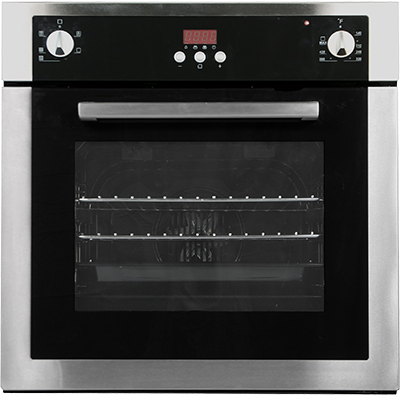
A full-size range can dominate a compact kitchen like an enthusiastic relative who refuses to leave the party. The 24-inch drop-down European-style convection oven offers a more civilized solution: built-in cooking performance without surrendering an entire wall to an appliance.
The title commonly refers to the Fagor 6HA-196BX, a compact electric wall oven with a drop-down door, European convection system, four cooking programs, and a 1.98-cubic-foot cavity. Although this particular model is no longer widely available new, its design remains useful for understanding what to expect from compact European convection ovensand what to check before buying a used unit or modern replacement.
What Does “24-INCH DROP” Actually Mean?
The wording sounds slightly mysterious, but no oven is expected to drop from the ceiling. “Drop” refers to the traditional drop-down door, which opens from the top and lowers toward the floor. It distinguishes this design from compact ovens with left- or right-swinging doors.
The 24-inch measurement is the oven’s nominal exterior width. It does not automatically describe the cabinet opening. The Fagor unit is approximately 23 25/64 inches wide, 23 15/64 inches high, and 21 3/8 inches deep. Published specifications list a useful capacity of 1.98 cubic feet.
This format is especially appealing in apartments, condominiums, accessory dwelling units, vacation homes, and older kitchens built around narrower European-style cabinetry. It can also be installed under a compatible countertop or cooktop when the manufacturer’s clearance requirements are followed.
Drop-Down Door Versus Side-Swing Door
A drop-down door creates a convenient temporary shelf when checking a roast, but it also requires clear floor space in front of the appliance. If the oven is mounted low, reaching across a hot open door may be awkward. A side-swing model can offer easier access for some users, particularly when installed at waist or chest height.
Kitchen layout should therefore influence the door decision. A gorgeous oven that blocks a narrow aisle every time it opens is less “European sophistication” and more “daily obstacle course.”
How European-Style Convection Works
A conventional electric oven relies mainly on stationary heating elements. Natural air movement distributes the heat, but warmer and cooler zones can still form. Convection adds a fan to circulate hot air, improving heat transfer around the food.
The Fagor 6HA-196BX uses a third heating element surrounding a two-speed fan at the back of the cavity. This configuration is often called European convection, true convection, or third-element convection. Because the fan moves air heated at the rear, it can provide more consistent temperatures than a basic fan-assisted oven that circulates heat generated only by upper and lower elements.
Why Moving Air Changes Cooking Results
Circulating air continually replaces the cooler air surrounding food with hotter air. That can promote faster surface browning, more even roasting, and better results when cooking on more than one level. It is particularly helpful for cookies, roasted vegetables, poultry, pastries, and foods that benefit from a crisp exterior.
Convection is not automatically better for everything. Delicate cakes, custards, soufflés, and quick breads may rise more evenly with gentler conventional heat. Strong airflow can set the exterior too quickly, create a lopsided rise, or blow lightweight parchment paper into an interpretive dance.
European Convection Is Not a Standardized Promise
Manufacturers use terms such as “European,” “true,” “genuine,” and “pro” convection in different ways. When comparing ovens, look beyond the label. Confirm whether there is a dedicated heating element around the fan, whether multiple fan speeds are available, and which cooking modes actually activate that rear element.
Key Features of the Fagor 6HA-196BX
The oven combines a compact footprint with a straightforward feature set. It is less complicated than many current smart ovens, which can be refreshing if your ideal dinner does not require a firmware update.
Four Cooking Programs
The appliance provides three primary cooking programs plus a convection defrost setting. Its available functions cover essential baking, broiling, and convection tasks without burying the cook beneath dozens of specialty modes. The selector dial controls the cooking function, while a separate control manages temperature.
Digital Display With Dial Controls
A digital clock and timer are paired with physical knobs. This arrangement offers clearer timing than a purely mechanical oven while preserving the speed of turning a dial. The controls support timed cooking and delayed start functions, although delayed cooking should be used only with foods that can remain safely unrefrigerated before heating begins.
Compact 1.98-Cubic-Foot Interior
The cavity is approximately 17 1/8 inches wide, 12 19/32 inches deep, and 15 3/4 inches high. Fagor promoted the oven as capable of holding a turkey weighing up to 20 pounds, but the roasting pan, handles, airflow space, and bird shape matter as much as the advertised weight.
Standard bakeware should never be assumed to fit merely because its label says “9 by 13 inches.” Handles and flared rims can add several inches. Measure the complete pan before planning Thanksgiving around it.
Enamel Interior and Included Accessories
The interior uses easy-clean enamel rather than a high-temperature self-cleaning system. The original package included a deep enameled tray, a shallow enameled tray, and one chrome rack. The absence of telescoping rails and self-cleaning may feel basic, but it also means fewer specialized mechanisms inside a compact cavity.
Triple-Layer Glass Door
The insulated door uses three layers of glass to reduce heat transfer to the exterior. A cooling fan and ventilated steam outlet help manage heat and moisture around the appliance. These features improve comfort and cabinet protection, but the door and nearby surfaces can still become hot during operation.
Cooking Performance: Where This Oven Shines
Roasted Vegetables
European convection is excellent for sheet-pan vegetables because moving air encourages evaporation and browning. Leave space between pieces, use a shallow metal pan, and avoid overcrowding. Broccoli florets and potato wedges packed shoulder to shoulder will steam politely rather than develop crisp edges.
Cookies and Pastries
The even airflow can produce consistent color across a tray of cookies. In a compact oven, however, food is closer to the walls and heating elements. Begin checking several minutes earlier than the recipe suggests, especially when using dark metal pans.
For pastries, cold dough and a fully preheated oven generally deliver the best lift. Avoid opening the door during the early stages of baking because the small cavity loses heat quickly.
Chicken and Small Roasts
Convection promotes browned skin while the compact cavity preheats relatively quickly. A shallow roasting pan allows air to reach more of the food. Use a food thermometer rather than relying on color, cooking time, or the optimistic declaration that “it looks done.”
Poultry and reheated leftovers should reach 165°F. Whole cuts of beef, pork, veal, and lamb should generally reach at least 145°F and rest for three minutes. Ground meats require their applicable higher safe temperature.
Multi-Rack Cooking
Convection can reduce temperature differences between rack positions, but a two-tray load still restricts airflow in a cavity under two cubic feet. Stagger pans so one does not sit directly above the other, and leave clearance around their edges. Rotating trays may still improve color when baking sensitive foods.
How to Convert Conventional Recipes
A practical starting point is to reduce a conventional recipe’s temperature by approximately 25°F while keeping the original cooking time. Another approach is to retain the stated temperature and begin checking the food earlier. Some dishes may finish 10% to 25% faster, but food type, pan color, moisture, and rack position all affect the result.
Do not reduce both time and temperature aggressively on the first attempt. Change one variable, record the result, and adjust the next batch. This is especially important in a small convection oven, where a few minutes can separate golden cookies from tiny edible hockey pucks.
Use low-sided cookware when crisping is the goal. Deep pans shield food from circulating air. Shiny aluminum generally produces lighter browning, while dark pans absorb more radiant heat and can darken the bottom of baked goods.
Installation Requirements That Matter
A built-in wall oven is not a countertop appliance that can simply be plugged in wherever the cord happens to reach. The Fagor 6HA-196BX is a 240-volt electric oven rated at approximately 2.3 kilowatts and 15 amps. Installation must follow the model’s instructions, local building requirements, and applicable electrical codes.
Measure the Cabinet Opening, Not the Old Oven
Nominal appliance width is only a shopping category. Cabinet cutout dimensions, exterior trim, junction-box placement, ventilation space, and door clearance determine whether the oven will actually fit.
Published product data for the 6HA-196BX lists a cutout width of roughly 23 19/45 inches and a cutout height of approximately 23 4/17 inches. Because archived listings may contain transcription or rounding differences, installers should use the original installation diagram rather than treating retailer measurements as construction drawings.
Plan for Ventilation and Heat-Resistant Materials
Built-in ovens need unobstructed ventilation. Blocking an outlet or enclosing the chassis too tightly can increase temperatures around the controls and cabinetry. Adjacent cabinet panels, veneers, adhesives, and finishes must tolerate the temperatures specified in the installation manual.
Use a Qualified Installer
The electrical supply must be disconnected before installation, correctly grounded, and connected with approved conductors and hardware. A qualified appliance installer or electrician can verify the circuit, junction box, grounding, cabinet support, and final operation. This is not the moment to discover that confidence and electrical competence are different hobbies.
Cleaning and Everyday Maintenance
Because the oven does not provide a self-cleaning cycle, frequent light cleaning is easier than conducting an archaeological excavation twice a year.
- Allow the oven to cool completely before cleaning.
- Wipe fresh spills with a soft damp cloth and mild detergent.
- Avoid abrasive pads that can scratch enamel, glass, or stainless steel.
- Soak removable trays and racks in warm soapy water.
- Keep the rear fan openings free of foil, grease, and food debris.
- Never line the cavity floor with aluminum foil unless the manual explicitly permits it.
- Clean door glass with nonabrasive products and avoid saturating vents or seals.
Do not spray cleaner directly into control openings. Check the door gasket periodically for tears, hardened sections, or trapped crumbs. A damaged seal can allow heat to escape and contribute to uneven cooking.
Benefits and Limitations
Main Advantages
- Compact 24-inch profile suited to smaller kitchens
- Dedicated rear convection element and two-speed fan
- Even browning and useful multi-level cooking performance
- Simple physical controls paired with a digital timer
- Drop-down door and built-in stainless steel appearance
- Triple-layer glass, cooling fan, and ventilated steam outlet
- Undercounter installation compatibility when properly configured
Important Tradeoffs
- Smaller cookware capacity than most 27- or 30-inch wall ovens
- Only one standard rack in the original accessory package
- No self-cleaning cycle, temperature probe, proof mode, or telescopic rails
- Drop-down door requires open space directly in front
- The original Fagor model is discontinued in the U.S. retail market
- Replacement parts and authorized service may be difficult to locate
An archived European “Class A” efficiency claim should not be confused with a current U.S. ENERGY STAR certification or a modern EnergyGuide comparison. When evaluating a replacement, compare electrical demand, cavity size, insulation, preheat behavior, warranty coverage, and actual cooking modes.
Should You Buy a Used Fagor 6HA-196BX?
A used unit may make sense when replacing the same model in an existing cabinet, particularly if changing the cutout would require expensive millwork. Before purchasing, confirm that the oven heats in every mode, the fan runs quietly, the display works, the temperature control responds, and the door closes evenly.
Inspect the gasket, hinges, glass, wiring, rack supports, enamel, and ventilation areas. Ask whether the rack and both original trays are included. Obtain the full model and serial number, then investigate the availability of elements, thermostats, control components, hinges, glass, and qualified local service.
A low purchase price is less appealing if a failed control turns the oven into a handsome stainless steel cabinet. For a major renovation, a currently supported 24-inch wall oven will usually offer a better warranty, easier parts access, additional cooking modes, and more predictable long-term ownership.
Conclusion: Extended Real-World Experience With a 24-Inch European Convection Oven
The first noticeable difference in daily use is not the oven’s width but its speed of response. A cavity under two cubic feet contains less air than a typical 30-inch oven, so preheating feels relatively brisk. On a busy weeknight, that matters. Vegetables can be washed and chopped while the oven warms, rather than prepared during what feels like an entire documentary.
The second adjustment is learning that compact does not mean miniature. A casserole dish, pie plate, loaf pan, or modest roasting pan fits comfortably. Two wide sheet pans may not. Owners quickly develop a relationship with their tape measure and discover that cookware dimensions include handles, lips, and other decorative ambitions.
Roasted vegetables provide an excellent first test. Spread sliced carrots, onions, and potatoes across the shallow tray, add oil and seasoning, and select convection. The moving air dries the surfaces efficiently, producing browned edges without requiring heroic quantities of oil. Crowding the tray reverses the advantage, so a second batch often performs better than one overloaded batch.
Cookies reveal the oven’s personality more precisely. Reducing the recipe temperature by about 25°F is a sensible beginning, but the first tray should be treated as a calibration exercise. Check it early, record the rack position, and note whether the back row colors faster. Once the pattern is understood, repeat batches become wonderfully predictable.
For roast chicken, the compact cavity makes monitoring easy through the door window. Convection helps crisp the skin, although the fan may brown exposed wing tips rapidly. Tucking the wings or shielding them near the end can prevent excessive darkening. A thermometer remains essential because attractive browning is not proof that the center has reached a safe temperature.
The drop-down door is convenient when mounted at a comfortable height. It offers a clear view of the cavity and allows trays to slide straight forward. When installed under a counter, however, the open door creates a longer reach. Heavy roasting pans require deliberate handling, good oven mitts, and an uncluttered landing area nearby.
Cleaning is pleasantly uncomplicated when done promptly. Once the oven is cool, a damp cloth usually handles condensation and minor splashes. Waiting until several dinners have formed a permanent coalition on the enamel makes the job considerably less charming. The removable trays are especially useful because they catch drips before those drips become interior architecture.
Noise is another practical consideration. A convection fan produces an audible hum, and the cooling fan may continue operating after cooking ends. That behavior can be normal because the appliance is protecting its controls and surrounding cabinetry. Grinding, scraping, strong vibration, repeated electrical clicking, or a fan that never stops warrants professional inspection.
The most satisfying experience is how naturally a 24-inch European convection oven fits a small kitchen. It supplies legitimate baking and roasting capability without visually overwhelming the room. The tradeoff is discipline: cookware must fit, airflow must remain open, and recipes occasionally need adjustment.
For a household that cooks sensible portions, values even browning, and has limited cabinet width, the format remains compelling. The original Fagor 6HA-196BX is now more historical reference than easy retail purchase, but its basic formulacompact dimensions, third-element convection, simple controls, and a clean built-in appearancecontinues in modern 24-inch wall ovens. Small kitchen, serious dinner: that is the real appeal.