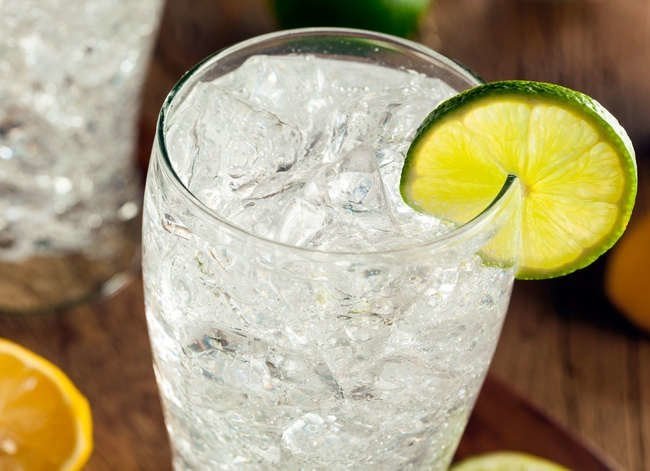
Club soda may look like plain water wearing a party hat, but that bottle of bubbles can do considerably more than top off a cocktail. Around the house, it can serve as a quick stain-rinsing solution, a gentle surface cleaner, a cooking ingredient, and even an emergency assistant for rusty hardware.
The secret is not supernatural cleaning power. Club soda is carbonated water that usually contains added minerals, such as sodium bicarbonate or potassium salts. The liquid helps dilute water-soluble messes, while the bubbles may loosen some particles from fibers and textured surfaces. In many situations, acting quickly and blotting correctly matters more than the fizz itself.
That distinction is important. Club soda is useful, inexpensive, and generally mild, but it is not a disinfectant, degreaser, or universal stain remover. Laboratory testing has also found that it may perform no better than plain water on some clothing stains. Think of it as a convenient first responder rather than a tiny bottle of housekeeping sorcery.
Before Using Club Soda Around the House
Choose plain, unflavored club soda. Lemon, lime, berry, tonic, and sweetened sparkling drinks can leave sugar, coloring, fragrance, or sticky residue behind. Freshly opened club soda provides the most carbonation, but flat club soda is still useful as a simple rinsing liquid.
Before treating fabric, upholstery, stone, painted surfaces, jewelry, or appliance finishes, test a small hidden area. Check the manufacturer’s care instructions, especially for delicate textiles, electronic devices, natural stone, antiques, and specialty coatings.
Keep three rules in mind: blot instead of rubbing, avoid soaking materials unnecessarily, and follow up with the appropriate cleaning or laundering process. Club soda can dilute a mess, but it does not remove every trace of bacteria, grease, dye, or odor.
1. Respond Quickly to Fresh Carpet Spills
A glass of juice tips over, a coffee mug performs a somersault, or red wine makes a dramatic entrance onto the beige carpet. Club soda can buy you valuable time before the liquid settles deeper into the fibers.
How to use it
Remove any solid material with a spoon, then blot the spill with a clean white cloth. Pour or spray a small amount of club soda around the outer edge of the mark and work inward. Blot repeatedly with a dry section of cloth until little or no color transfers.
Do not scrub. Scrubbing can spread the stain and roughen carpet fibers. Also avoid flooding the carpet, which may push moisture into the backing or padding. Once the area is dry, apply a carpet-safe stain treatment if discoloration remains. Cleaning professionals commonly recommend club soda as an immediate rinse for fresh, water-soluble spills, not as a replacement for deeper treatment.
2. Pretreat Wine, Coffee, Tea, and Berry Stains
Club soda is most promising on fresh stains caused by water-based drinks and colorful foods. It is much less useful against butter, cooking oil, lipstick, salad dressing, and other greasy substances.
How to use it
Place the stained section of washable fabric over a clean towel. Rinse the back of the stain with cold club soda so the liquid pushes pigment away from the fibers rather than farther through them. Blot gently, apply a suitable laundry pretreatment, and wash according to the care label.
Inspect the item before placing it in the dryer. Heat can set remaining pigment and turn a temporary mishap into a permanent fashion feature. For silk, wool, upholstery-only fabric, or dry-clean-only garments, consult a professional cleaner instead of conducting a kitchen-counter chemistry experiment.
3. Freshen Upholstery After Small Accidents
Food drips, muddy paw prints, and beverage splashes do not always justify dragging out a full-size upholstery machine. For a small, recent mark, club soda can serve as a controlled rinse.
How to use it
Check the furniture cleaning code first. If water-based cleaning is permitted, blot the mark, dampen a white microfiber cloth with club soda, and dab from the perimeter toward the center. Follow with a second cloth dampened with plain water, then blot dry.
Club soda will not sanitize pet accidents or reliably neutralize urine odors. An enzyme-based cleaner is usually the better follow-up for biological messes. The bubbles may be entertaining, but they have not completed veterinary school.
4. Clean Mirrors Without a Heavy Fragrance
When a bathroom mirror is dotted with toothpaste, fingerprints, or light water marks, club soda offers a low-odor alternative to strongly scented glass sprays.
How to use it
Pour plain club soda into a clean spray bottle. Mist the mirror lightly rather than soaking it, then wipe with a lint-free microfiber cloth. Turn the cloth to a dry side and buff until the surface is clear.
For greasy cosmetics, hairspray buildup, or stubborn mineral deposits, use a cleaner formulated for those problems. Club soda is best for light maintenance, not for excavating three years of aerosolized beauty products.
5. Give Interior Windows a Quick Touch-Up
The same simple method can remove dust, smudges, and ordinary fingerprints from interior glass. It is particularly convenient when you need to clean one patio door five minutes before guests arrive.
How to use it
Dust the frame and sill first so you do not create wet mud. Spray a modest amount of club soda onto the glass and wipe from top to bottom with a microfiber cloth. Buff the edges where liquid tends to collect.
Club soda has been used as a simple mirror and window cleaner, but heavily soiled exterior windows may still need detergent or a dedicated glass product.
6. Polish Stainless Steel Appliances
Stainless steel has an impressive ability to collect every fingerprint within a three-mile radius. Club soda can remove light smudges and restore shine without leaving a thick, oily coating.
How to use it
Check the appliance manual, then spray club soda onto a microfiber cloth rather than directly into control panels or seams. Wipe in the direction of the grain. Finish immediately with a dry cloth to prevent water spots.
This method is suitable for ordinary fingerprints and light residue. It will not cut through baked-on grease, and it should never be sprayed near electrical openings. Household cleaning sources recommend careful buffing with a fresh microfiber cloth for a streak-free finish.
7. Brighten Chrome Faucets and Hardware
A little club soda can improve the appearance of chrome faucets, drawer pulls, and other washable metal hardware when the problem is light spotting rather than heavy corrosion.
How to use it
Dampen a soft cloth with club soda and wipe the metal carefully. Use a soft toothbrush around faucet bases or decorative grooves, then rinse with plain water and dry completely.
Drying is the important final step. Allowing mineral-containing water to evaporate on the fixture may create new spots, which is a rather inefficient way to spend a Saturday afternoon.
8. Lift Light Grime From Ceramic Tile
Club soda can loosen light dirt, beverage splashes, and residue on glazed ceramic tile. It is especially handy for a fast cleanup in kitchens, entryways, and mudrooms.
How to use it
Apply a small amount to the affected area, allow it to sit briefly, and wipe with a microfiber cloth or soft brush. Rinse and dry the tile afterward. On grout, scrub gently and avoid leaving the area saturated.
Do not assume the surface has been disinfected. For bathroom floors, food-contaminated areas, or illness-related cleanup, use an appropriate disinfecting product according to its label. Avoid using improvised methods on natural stone unless the installer or manufacturer confirms that the liquid is safe.
9. Loosen Food From a Warm Pan
When food has attached itself to a pan with the confidence of a long-term tenant, club soda may make cleanup less strenuous.
How to use it
Remove the pan from the burner and allow extreme heat to subside. While it is still warmnot dangerously hotadd enough room-temperature club soda to cover the stuck residue. Let it sit for several minutes, then lift softened food with a wooden spoon or nonabrasive scraper.
Avoid pouring cold liquid into extremely hot cookware, since sudden temperature changes can warp or damage some materials. Wash the pan normally afterward. Club soda can loosen debris, but it does not replace dish soap when grease is present.
10. Soak Small Rusty Hardware
Rusty screws, nuts, bolts, and small hand-tool components can sometimes benefit from a club soda soak before more serious rust-removal products enter the scene.
How to use it
Place the removable metal item in a container, cover it with club soda, and let it soak for several hours or overnight. Scrub loosened rust with a stiff nylon brush, rinse thoroughly, and dry immediately. Apply an appropriate lubricant or rust inhibitor afterward.
For a bolt that cannot be removed, saturate a cloth with club soda and wrap it around the hardware. This may soften light surface rust, but a dedicated penetrating oil is usually more effective when the fastener is severely corroded. Household experts commonly present club soda as a preliminary rust treatment rather than an industrial-strength solution.
11. Clean Certain Jewelry Pieces
Plain club soda and a drop of mild dish soap can help loosen body oil and everyday residue from durable jewelry made with nonporous stones.
How to use it
Mix club soda with one or two drops of gentle dish soap. Soak suitable pieces for about 10 minutes, brush lightly with a very soft toothbrush, rinse with clean water, and dry with a lint-free cloth.
Do not use this method automatically on pearls, opals, turquoise, coral, emeralds, glued costume jewelry, oxidized finishes, antique pieces, or settings that may already be loose. When the jewelry is valuable or its materials are unknown, ask a jeweler. A diamond may be forever, but an improvised cleaning mistake can also enjoy surprising longevity.
12. Make Tempura and Fried Batter Lighter
Club soda is not limited to cleaning duty. Cold carbonation can help produce a lighter batter for vegetables, shrimp, fish, onion rings, and fried chicken.
How to use it
Replace some or all of the cold water in a batter recipe with thoroughly chilled club soda. Mix only until the dry ingredients are moistened; a few lumps are acceptable. Use the batter promptly so the bubbles do not disappear while everyone discusses what to watch on television.
Carbonated liquid is widely used in tempura-style recipes, including professional recipes that combine dry batter ingredients with club soda immediately before frying.
13. Add Lift to Pancakes and Waffles
A splash of club soda can make pancake or waffle batter feel lighter by adding extra bubbles. It is not a complete replacement for baking powder in every recipe, but it can provide a helpful boost.
How to use it
Replace a portion of the recipe’s milk or water with cold club soda. Fold it in near the end of mixing and cook the batter promptly. Avoid aggressive whisking, which knocks out the carbonation and encourages excess gluten development.
Because brands contain different levels of sodium and added minerals, taste the batter before adding extra salt. Your breakfast should be fluffy, not unexpectedly seaworthy.
14. Keep Burgers and Meat Mixtures Moist
A small amount of club soda can add moisture to ground-meat mixtures used for burgers, meatballs, or meatloaf. The goal is not to turn dinner into soup, but to distribute a little additional liquid throughout the mixture.
How to use it
Add one or two tablespoons per pound of ground meat, depending on the recipe. Mix gently and stop as soon as the ingredients are combined. Overworking ground meat can produce a dense texture regardless of how cheerful the bubbles were at the beginning.
Food Network recipes have used club soda directly in seasoned ground-beef mixtures, demonstrating that its role extends beyond beverages and cleaning hacks.
15. Reset Your Palate During a Tasting
Unsweetened club soda can serve as a refreshing palate cleanser between strongly flavored foods or drinks. It works well during chocolate, cheese, coffee, mocktail, or cocktail tastings.
How to use it
Serve the club soda well chilled and plain, without citrus, sweeteners, or flavored syrups. Take a small sip between samples and wait a moment before continuing. The clean flavor and carbonation help clear lingering sensations without adding a competing taste.
It is also useful for turning concentrated fruit syrups into quick homemade sodas, lengthening cocktails, or creating alcohol-free spritzers. In other words, the bottle that rescued the carpet can still attend the partyprovided it did not actually touch the carpet.
Club Soda Uses That Require Extra Caution
Club soda’s mildness is part of its appeal, but mild does not mean universally safe or effective. Keep it away from electronic devices, charging ports, remote controls, keyboards, and appliance control panels. Never pour it directly into electrical equipment.
Do not rely on it for oily stains. Water-based liquids cannot dissolve grease effectively and may spread oily residue over a wider area. Absorb fresh oil with a suitable powder or use a fabric-safe degreasing treatment instead.
Use caution on wood, unsealed stone, delicate fabric, antiques, painted surfaces, and automotive finishes. For bird droppings on a vehicle, a specialized automotive cleaner and clean microfiber towel are safer choices for paint. Club soda may be used cautiously to soften material on glass, followed by a thorough rinse, but it should not replace proper car-care products.
Finally, club soda is not a disinfectant. It may rinse away visible dirt, but it is not formulated to kill disease-causing microorganisms. Use an EPA-registered disinfectant or another appropriate sanitizing product when health and hygiene are the actual objectives.
Conclusion: A Useful Helper, Not a Household Superhero
The most creative uses for club soda rely on its simplest qualities: it is wet, mildly mineralized, carbonated, readily available, and unlikely to leave sugary residue when the plain variety is used. Those qualities make it convenient for fresh spills, quick polishing jobs, light cooking batters, rusty hardware, and last-minute beverage duty.
Its limitations are equally important. Club soda cannot dissolve substantial grease, sanitize a contaminated surface, reverse permanent fabric damage, or rescue every material from every stain. The best results usually come from using it promptly, applying only a small amount, blotting rather than rubbing, and following with the correct cleaning process.
Keep a small bottle in the pantry or bar cart, and you may be surprised by how often it earns its shelf space. Just do not hand it a cape. It already has bubbles, which is enough personality for one household product.
Real-World Experience Notes: What Usually Makes the Difference
In everyday use, the greatest advantage of club soda is convenience. A stain rarely waits politely while someone studies a cleaning manual, gathers five products, and watches a twelve-minute tutorial. Club soda is often already cold, nearby, and ready to pour. That accessibility encourages immediate action, which is one of the most important factors in managing a fresh spill.
Consider the familiar dinner-party scenario: a guest bumps a wineglass and everyone freezes as though the carpet has filed a formal complaint. The most effective response is usually calm and boring. Lift the glass, blot the wine, apply a small amount of club soda, and continue blotting. The disappointing response is pouring half the bottle onto the floor and scrubbing with the energy of someone trying to erase a bad memory. Oversaturation spreads moisture, while rubbing pushes pigment deeper and distorts the pile.
The same lesson applies to clothing. Club soda is most satisfying when it visibly carries some fresh coffee, juice, or wine away from the fabric. It is less impressive when the stain has already dried, passed through a hot dryer, and become a legal resident of the shirt. In those cases, a proper stain remover and repeated treatment are more realistic than additional fizz.
Surface cleaning produces another practical observation: the cloth matters almost as much as the liquid. Spraying club soda onto stainless steel and wiping it with a greasy kitchen rag merely rearranges the fingerprints. A clean microfiber cloth lifts residue, while a second dry cloth produces the shine. The technique is simple, but skipping the drying step often leaves spots that make the appliance look as though nothing happened.
Cooking tests tend to be more immediately rewarding. When ice-cold club soda is folded gently into tempura batter and used right away, the coating can fry into a delicate, craggy shell. Let the bowl sit on the counter for half an hour, however, and much of the carbonation escapes. The difference demonstrates why timing matters: the bubbles are temporary guests, not permanent kitchen staff.
Pancake batter behaves similarly. A modest splash can lighten the mixture, but pouring in too much creates thin batter and weakens the flavor. Starting with a few tablespoons is safer than replacing every drop of milk without adjusting the remaining ingredients. Club soda works best as a supporting actor. Give it the entire script, and breakfast may become experimental theater.
Rust removal calls for patience rather than spectacle. Small bolts soaked overnight often show more improvement than hardware sprayed briefly and wiped immediately. Even then, club soda is usually a preliminary treatment. A nylon brush, complete drying, and proper lubricant finish the work. Severely corroded fasteners still need penetrating oil, rust remover, or replacement.
Perhaps the most useful experience is learning when not to use the bottle. Grease, electronics, delicate gemstones, sealed stone, and valuable finishes deserve specialized care. Club soda is appealing because it feels harmless, but any liquid can cause trouble in the wrong location. Testing first is not an unnecessary delay; it is a five-minute investment that can prevent a very expensive lesson.
Used with realistic expectations, club soda is a genuinely practical household helper. It handles quick rinsing, light polishing, batter aeration, and emergency cleanup without demanding much money or storage space. Its success comes less from mythical carbonated cleaning power and more from prompt action, gentle handling, and knowing what job the bubbles can reasonably perform.