Accepting that a relationship is ending can feel like trying to fold a fitted sheet: technically possible, emotionally confusing, and likely to make you question every life decision that brought you here. Whether the breakup is already happening, slowly unfolding, or sitting in the room like a very awkward houseguest, the truth is this: endings hurt because something mattered.
The goal is not to become cold, unaffected, or “totally fine” by Tuesday. Real acceptance is gentler than that. It means seeing the relationship clearly, honoring what was good, admitting what no longer works, and slowly choosing yourself again. You may still love someone and understand that the relationship is ending. You may miss them and know that going back would reopen the same wound. Both things can be true.
This guide explores 13 ways to accept your relationship is ending, with practical steps, emotional insight, and a few reality checks served with compassion rather than a lecture. Keep your tea, tissues, playlist, or emergency chocolate nearby. Healing is not linear, but it is possible.
Why Accepting the End of a Relationship Feels So Hard
A breakup is not just the loss of a person. It can also be the loss of routines, shared jokes, future plans, family connections, favorite restaurants, inside references, and the identity you had inside the relationship. Your brain may keep reaching for the old pattern because familiarity feels safe, even when the relationship itself has become painful.
This is why acceptance often arrives in layers. One day, you understand logically that it is over. The next day, you see their favorite cereal at the store and suddenly you are emotionally face-down in aisle five. That does not mean you are failing. It means you are human, and humans are famously inconvenient creatures with memories, nervous systems, and Spotify playlists that know too much.
13 Ways to Accept Your Relationship Is Ending
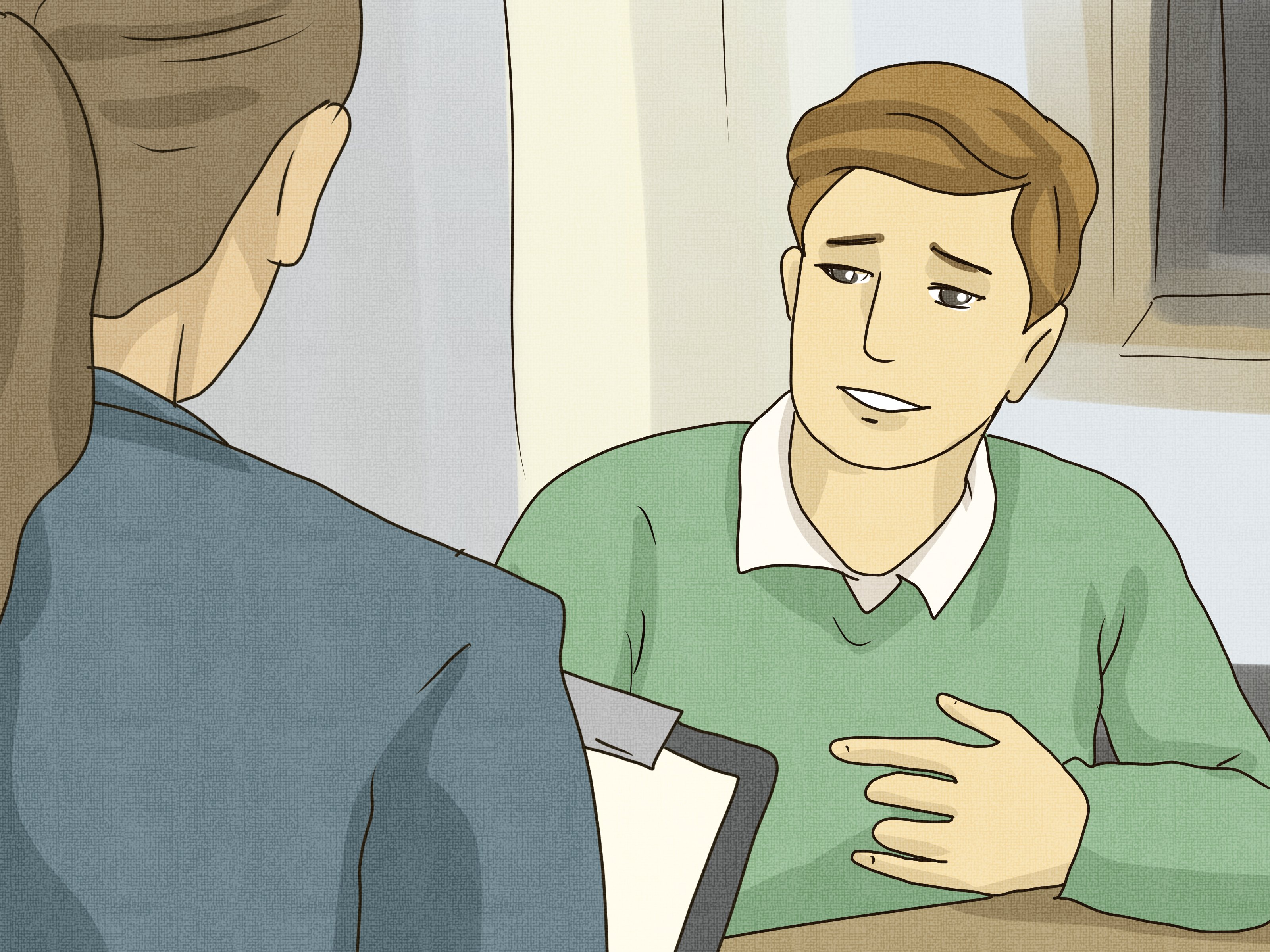
1. Admit What Is Happening Without Softening the Truth
The first step is saying the quiet part clearly: “This relationship is ending.” Not “Maybe they just need space forever.” Not “We are in a complicated emotional weather pattern.” Not “They watched my stories, so obviously destiny is still negotiating.” Say it plainly.
Acceptance begins when you stop bargaining with reality. That does not mean you like what is happening. It means you are willing to stop arguing with the facts. If conversations keep ending in distance, if effort is one-sided, if trust has been broken repeatedly, or if one person has clearly checked out, naming the truth can reduce confusion.
Try writing one honest sentence: “This relationship is ending because…” Then complete it without blaming, dramatizing, or defending. The goal is clarity, not courtroom evidence.
2. Let Yourself Grieve the Relationship
Grief is not reserved for funerals. A breakup can create real grief because you are losing attachment, companionship, dreams, and daily emotional rhythm. You may feel sadness, anger, denial, relief, guilt, numbness, hope, jealousy, and hunger for fries within the same afternoon. That emotional variety pack is normal.
Let yourself feel without turning every emotion into a problem to solve. Cry if you need to. Sit quietly. Talk it out. Take a walk. Write messy notes you do not send. Feeling grief is not the same as being stuck in grief. In fact, avoiding feelings often makes them louder, like a smoke alarm with unresolved childhood issues.
3. Stop Looking for One Perfect Explanation
Many people delay acceptance because they want the breakup to make complete sense. They search for the exact sentence, moment, mistake, or villain. Sometimes there is a clear reason: betrayal, incompatibility, abuse, different life goals, or emotional neglect. Other times, the answer is less tidy: the relationship stopped growing, love changed shape, or both people became versions of themselves that no longer fit together.
You do not need a perfect explanation to begin healing. Closure is helpful, but it is not always handed to you in a beautifully formatted email with bullet points. Sometimes closure is a decision you make when more analysis only creates more pain.
4. Notice the Difference Between Love and Compatibility
One of the hardest truths is that love alone does not always make a relationship healthy, stable, or sustainable. You can love someone deeply and still be mismatched in values, communication styles, emotional needs, family plans, money habits, or conflict repair.
Ask yourself: “If love were not the only question, what else would I need to be okay?” Maybe you need consistency. Maybe respect. Maybe emotional safety. Maybe a partner who does not disappear every time feelings enter the chat. Compatibility is not boring; it is the foundation that keeps love from having to do all the heavy lifting.
5. Create Healthy Distance
Constant contact keeps the emotional wound open. If every text, photo, or social media update sends you into detective mode, distance may be necessary. This does not have to be cruel. It can be a boundary: fewer conversations, no late-night check-ins, muted accounts, or a temporary no-contact period.
If you share children, pets, work, or living arrangements, total no contact may not be realistic. In that case, keep communication brief, respectful, and focused on logistics. Think “calendar and responsibilities,” not “three-hour emotional archaeology expedition.”
Distance gives your nervous system time to stop treating every notification like a romantic emergency siren.
6. Remove the Relationship From the Center of Your Day
When a relationship is ending, it can become the headline of your life. You wake up thinking about it, eat lunch thinking about it, shower thinking about it, and go to bed replaying conversations like an unpaid editor of emotional footage.
Start gently moving the relationship out of the center. Add structure back into your day: meals, work blocks, exercise, hobbies, errands, and time with people who remind you that you exist outside this heartbreak. Do not wait to feel motivated. Motivation may be busy wearing sweatpants and staring at the ceiling. Begin anyway, very small.
A ten-minute walk counts. Washing your sheets counts. Making a real breakfast counts. Healing is often built from boring, practical acts that whisper, “I am still here.”
7. Talk to People Who Can Hold the Truth With You
Isolation can make a breakup feel bigger and scarier. Choose a few trusted people who can listen without turning your life into a group project. You need support, not a panel of judges holding imaginary gavels.
Good support sounds like: “That makes sense,” “I’m here,” “Do you want comfort or advice?” and “Please eat something besides iced coffee.” Less helpful support sounds like: “I never liked them,” “Download five dating apps tonight,” or “Everything happens for a reason,” which, while possibly true, is not always what a crying person wants to hear at 11:42 p.m.
Let people help you stay grounded. Ask a friend to check in. Spend time with family. Join a support group if you need one. Heartbreak shrinks when it is witnessed with kindness.
8. Stop Romanticizing the Highlight Reel
After a breakup, the mind often becomes a suspiciously talented film editor. It cuts out the arguments, loneliness, confusion, and unmet needs, then plays a glowing montage of vacations, cute messages, and that one perfect Sunday morning. Suddenly, the relationship looks like a luxury perfume ad instead of a full human experience.
Balance the memory. Make two lists: what you loved and what hurt. This is not to demonize your ex. It is to tell the whole truth. A relationship can have beautiful moments and still not be right for your future.
When nostalgia hits, remind yourself: “I can miss the good parts without returning to the painful pattern.”
9. Practice Self-Compassion Instead of Self-Blame
Breakups often wake up the inner critic. It may say you were too much, not enough, too trusting, too guarded, too needy, too distant, too emotional, too calm, too everything. The inner critic is rarely original, but it is persistent.
Self-compassion does not mean pretending you made no mistakes. It means speaking to yourself like someone you are responsible for caring for. You can reflect honestly without turning yourself into a punching bag.
Try this sentence: “I am hurting, and I can be kind to myself while I learn from this.” It may feel cheesy at first. That is fine. Healing sometimes wears a little cheese. So does pizza, and pizza has helped many civilizations survive difficult evenings.
10. Learn From the Relationship Without Making It Your Whole Identity
Every relationship teaches something, even if the lesson arrives wearing muddy boots. Maybe you learned that you need clearer boundaries. Maybe you learned not to ignore early red flags. Maybe you learned that chemistry without communication is basically fireworks in a paper bag.
Reflection helps you grow. Rumination keeps you trapped. The difference is movement. Reflection asks, “What can I understand and do differently?” Rumination asks, “How many times can I replay this until my brain files a complaint?”
Write down three lessons you want to carry forward. Keep them specific and useful. For example: “I need a partner who can discuss conflict without shutting down,” or “I will not abandon my friendships when I fall in love.”
11. Protect Yourself if the Relationship Was Unsafe
If the relationship involved abuse, threats, stalking, coercive control, or fear, acceptance is not just emotional; it is about safety. Do not focus on getting closure from someone who has harmed or intimidated you. Focus on support, documentation, boundaries, and a safety plan.
Tell trusted people what is happening. Save important messages. Change passwords. Consider blocking or limiting access. If you live together or fear retaliation, contact a domestic violence hotline, local advocate, therapist, or legal resource for guidance. Leaving an unsafe relationship can be the most dangerous time, so planning matters.
Your safety is more important than being polite, fair, or perfectly understood.
12. Let Go of the Timeline You Thought You Had
Part of accepting a relationship is ending involves grieving the imagined future: the apartment, wedding, trips, holidays, kids, shared dog, business idea, porch swing, matching mugs, or whatever version of “us” lived in your mind.
That imagined future mattered. Losing it can feel like losing a map. But a changed path is not the same as a ruined life. You are allowed to mourn what you hoped for while still believing something meaningful can come next.
Instead of asking, “When will my life get back to normal?” ask, “What kind of new normal can I build carefully?” This question gives you power without demanding instant optimism.
13. Choose Acceptance as a Daily Practice
Acceptance is not a single dramatic moment where you stand in the rain, delete their number, and suddenly become the lead character in a very tasteful indie film. It is usually quieter. It is choosing not to send the text. Choosing to eat dinner. Choosing to tell the truth. Choosing to stop checking their page. Choosing to let the wave pass.
Some days you will accept the ending with grace. Other days you will accept it while wearing mismatched socks and crying over a sandwich. Both count.
Repeat this when needed: “This ending is painful, but I can survive painful things. I can miss them and still move forward. I can love what was and release what is no longer healthy.”
Signs You Are Starting to Accept the Breakup
You may be healing even before you feel happy. Acceptance often shows up in small shifts. You think about them less often. You stop needing every question answered. You can remember good moments without immediately wanting to restart the relationship. You begin making plans that do not include them. You feel sad, but not completely swallowed.
Another sign is emotional honesty. You stop telling yourself the relationship was perfect. You also stop telling yourself it was meaningless. You allow it to be complex: important, imperfect, painful, beautiful, finished.
What Not to Do When You Are Trying to Accept the End
Try not to use another person as emotional anesthesia. Rebound connections may feel exciting, but if you are only trying to outrun grief, it usually catches up wearing running shoes. Avoid stalking your ex online, asking mutual friends for updates, or rereading old messages until your heart feels like a bruised peach.
Also avoid making huge life decisions in the first emotional storm unless safety requires it. A haircut is fine. Moving across the country, buying a motorcycle, or texting your high school crush because “life is short” may deserve a nap and a second opinion.
When to Seek Extra Support
Breakups can trigger serious distress, especially if you already struggle with anxiety, depression, trauma, attachment wounds, or loneliness. Consider reaching out to a therapist, counselor, support group, or healthcare professional if you cannot function, cannot sleep for long periods, feel hopeless, rely heavily on alcohol or substances, or have thoughts of harming yourself.
If you are in immediate danger or thinking about suicide, call or text 988 in the United States for the Suicide & Crisis Lifeline. If abuse is involved, contact the National Domestic Violence Hotline at 1-800-799-7233 or use its online chat when safe to do so.
Experiences Related to Accepting That a Relationship Is Ending
Many people describe the end of a relationship as a strange mix of heartbreak and awakening. At first, the silence feels too loud. The phone does not light up the way it used to. The side of the bed, the passenger seat, the weekend routine, even the grocery list can suddenly feel haunted by absence. It is not dramatic to feel shaken by these details. Love lives in details, so loss does too.
One common experience is the “maybe” loop. Maybe they will come back. Maybe they did not mean it. Maybe if you become calmer, funnier, thinner, richer, more mysterious, or suddenly passionate about rock climbing, everything will fix itself. This loop is exhausting because it makes your healing dependent on someone else’s choices. A turning point often comes when you realize that waiting is not the same as loving. Sometimes waiting is just fear wearing a romantic outfit.
Another experience is emotional whiplash. You may feel peaceful in the morning and devastated by dinner. You may be proud of yourself for not texting, then spend twenty minutes analyzing the meaning of a song they posted. This back-and-forth does not erase your progress. Healing is not a straight staircase; it is more like a hallway with random trapdoors and occasional snacks. The important thing is not never falling. It is learning how to get back up without calling yourself weak.
People also often discover how much of themselves they had tucked away inside the relationship. Maybe you stopped painting, seeing friends, going to the gym, reading before bed, visiting your favorite places, or making decisions without checking someone else’s mood first. After the ending, there can be grief, but there can also be rediscovery. You may remember old interests. You may rebuild friendships. You may find that your laugh sounds different when it is not trying to keep the peace.
Acceptance can also feel guilty. If you are the one letting go, you may worry that moving on means you never cared. If they ended it, you may worry that feeling better means the love was not real. Neither is true. Healing does not insult the relationship. It honors your life. You are allowed to recover from something that mattered.
For many, the deepest shift happens when they stop asking, “How do I make this not hurt?” and start asking, “How do I care for myself while it hurts?” That question changes everything. It moves you from panic to responsibility. It encourages you to sleep, eat, ask for help, create boundaries, and make small plans. It reminds you that your heart is not a broken appliance; it is a living thing responding to loss.
Eventually, acceptance becomes less about the other person and more about your own return. You return to your body, your choices, your friends, your humor, your future. The relationship may always be part of your story, but it does not have to be the whole book. A chapter can be meaningful and still end. You can turn the page slowly. You can even cry while turning it. That still counts.
Conclusion: Acceptance Is Not Giving Up on Love
Accepting that your relationship is ending does not mean you failed. It means you are brave enough to face what is real. Some relationships end because love disappeared. Others end because love remained but trust, timing, safety, respect, or compatibility did not. Either way, the end deserves honesty and tenderness.
Give yourself permission to grieve, learn, rest, and rebuild. You do not have to become a brand-new person overnight. You simply have to keep choosing the next healthy step. Today that might mean not texting. Tomorrow it might mean making plans with a friend. Next month it might mean noticing that you laughed without forcing it.
Your relationship may be ending, but your life is not. There is still connection ahead, still joy, still growth, still love in forms you have not met yet. For now, breathe. Tell the truth. Be gentle with yourself. The door closing behind you may be loud, but it is not the last sound your heart will ever make.