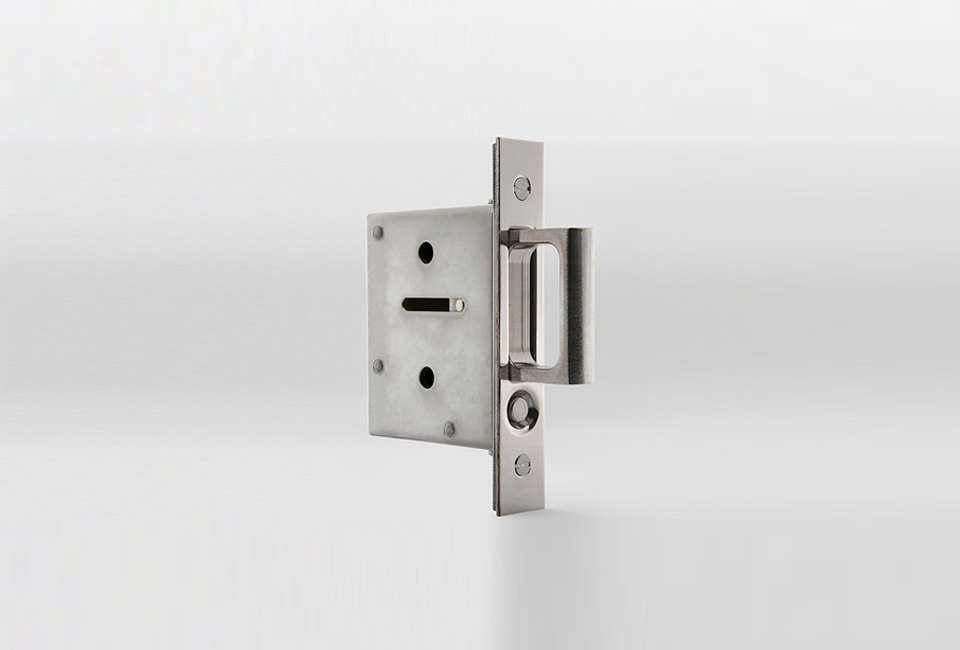
Door edge pulls are the quiet overachievers of the hardware world. They do not swagger like oversized bar pulls. They do not sparkle like decorative knobs trying to win prom queen. They simply sit at the edge of a door, wait patiently, and make the whole room look smarter. In an era of cleaner cabinetry, slimmer interior profiles, pocket doors, hidden storage, and built-ins that want to look more architectural than furniture-like, edge pulls have become the design equivalent of a perfectly tailored jacket: subtle, useful, and a little bit expensive-looking even when they are not.
If you are planning a renovation, refreshing a mudroom, rethinking a pantry door, or finally replacing that sad pocket door pull that feels like it came free with a cereal box, this is the article for you. Below is a curated look at 10 easy pieces in the world of door edge pulls, along with practical advice on materials, finishes, installation, and what actually works in real homes. The goal is not just to admire pretty hardware. The goal is to choose something you will still like after the tenth fingerprint, the hundredth pantry raid, and the thousandth time someone yanks the door with wet hands.
What Is a Door Edge Pull, Exactly?
A door edge pull is a low-profile pull mounted on the edge of a door rather than its face. On pocket doors, it is often mortised into the leading edge so the hardware stays nearly invisible when the door disappears into the wall. On cabinet-height doors, built-ins, and modern millwork, edge pulls can also sit along the top or side edge, creating a minimalist grip that does not visually interrupt the surface.
That low-profile design is the whole appeal. Hidden and nearly hidden pulls are favored in sleek kitchens and contemporary interiors because they are easy to grasp without turning the room into a hardware showroom. They are also practical in tight layouts where protruding handles can catch on clothing, bump into neighboring doors, or make corner cabinets awkward to open. In other words, edge pulls are not just pretty. They are problem solvers dressed as minimalists.
Why Designers and Homeowners Keep Coming Back to Edge Pulls
The modern appeal is obvious: edge pulls keep lines clean. But they also do something more important. They reduce visual clutter. When cabinetry, doors, and built-ins already have strong grain, color, paneling, or texture, a bulky handle can feel like adding a necklace, earrings, five bracelets, and a feather boa to the same outfit. Edge pulls let the door do the talking.
They also play well with current hardware trends. Warm brass, brushed nickel, matte black, and stainless finishes all work in edge-pull form. And because many edge pulls are made in brass, bronze, aluminum, or stainless steel, they can range from barely-there modern to quietly traditional. The best ones feel good in the hand, fit the scale of the door, and do not look like an afterthought.
10 Easy Pieces: Our Favorite Door Edge Pull Styles
Think of the list below as a style guide with receipts. These pieces represent the major looks and functions people actually shop for: modern, traditional, warm, crisp, indoor, outdoor, affordable, and heirloom-ish.
1. Schoolhouse Edgecliff Pull
If you like your hardware to feel substantial but not shouty, this is the grown-up answer. The Edgecliff Pull has a soft interior curve that makes gripping it feel natural, while the solid brass build gives it weight and presence. It suits modern millwork, painted interior doors, and elevated built-ins where you want the hardware to register as quality without becoming decorative theater.
2. Schoolhouse Ledge Pull
This one leans even more architectural. The shape is crisp, the look is restrained, and the edge-mounted design gives doors and drawers a tailored finish. It works especially well on slab fronts, minimalist pantries, and rooms where every line matters. If your dream aesthetic is “calm but expensive,” this pull is already halfway there.
3. Rejuvenation Large Edge Pull
For pocket doors, the Large Edge Pull is the classic practical beauty. It is designed for that exact moment when a sliding door is fully recessed and you still need a fingertip-friendly way to pull it out. Available in several finishes, it is a smart choice for closets, bathrooms, and home offices where you want the door to disappear gracefully and return on command.
4. Rejuvenation Barrington Outdoor Edge Pull
Not every edge pull belongs indoors. The Barrington Outdoor Edge Pull brings a clean modern profile with 316 marine-grade stainless steel, which makes it a stronger candidate for exterior conditions. Think outdoor kitchen cabinetry, pool house doors, or weather-exposed utility spaces. It is minimal, yes, but it also knows how to handle humidity without turning into a science experiment.
5. Baldwin 0465 Solid Brass Edge Pull
Baldwin is a familiar name for a reason: dependable hardware with a polished reputation. This solid brass edge pull has classic proportions and works when you want something traditional enough for older homes but clean enough not to look fussy. It is one of those pieces that says, “I care about details,” without forcing you into a full historic-house costume drama.
6. Amerock Edge Pull
Amerock’s aluminum edge pull is the sensible minimalist pick. It is lighter in both material and visual weight, which can be ideal on interior utility doors, smaller built-ins, or projects where budget matters but you still want a streamlined finish. It is the hardware equivalent of white sneakers that actually go with everything.
7. Emtek 2221 Solid Brass Edge Pull
Emtek’s hardware tends to appeal to people who enjoy a little luxury in the daily touchpoints of a home. This solid brass edge pull for sliding doors feels refined, durable, and intentional. It works beautifully in higher-end interior applications such as study doors, custom closets, or bespoke millwork where the pull should feel as good as the surrounding craftsmanship.
8. House of Antique Hardware 4-Inch Standard Pocket Door Edge Pull
This is a great choice when you want classic pocket-door function without flimsy construction. Its solid brass body and spring-loaded action make it a practical option for traditional interiors, restorations, and older homes that deserve something sturdier than builder-grade hardware. It looks neat, performs well, and feels like it belongs in a house with actual trim profiles instead of drywall pretending to be architecture.
9. House of Antique Hardware Solid Bronze Pocket-Door Edge Pull
Bronze has soul. It ages, deepens, and changes with use, which is precisely why some homeowners love it. This edge pull is ideal if you want hardware that develops character over time instead of fighting it. In rustic-modern, craftsman, transitional, or heritage-inspired interiors, a bronze edge pull can feel less like an accessory and more like part of the building itself.
10. M-D Building Products Pocket Door Edge Pull
Sometimes the best pick is the one that does the job cleanly and inexpensively. This steel pocket door edge pull is designed to sit flush in the door edge and includes a swinging finger grip for easy use. It is especially useful for straightforward interior pocket doors where privacy hardware is not required. No drama, no diva behavior, just function.
How to Choose the Right Door Edge Pull
Match the Pull to the Door Type
A true pocket door edge pull is different from a cabinet-style finger pull. Pocket doors need a pull that can be accessed when the door is fully recessed. Built-ins and slim doors may use edge-mounted pulls that prioritize profile and grip over retractable mechanics. Before falling in love with a finish, confirm that the pull is meant for your exact application.
Check Door Thickness Before You Buy
This is where many renovation romances go to die. Some edge pulls fit thinner interior doors, while others are intended for thicker standard doors. If the hardware requires mortising, verify the depth and the recommended door thickness before ordering. Hardware that looks simple can still be surprisingly picky. Much like housecats.
Think About Material Like You Mean It
Solid brass feels weighty and ages well. Bronze develops a rich patina. Stainless steel is practical for damp or outdoor settings. Aluminum is lighter and often more budget-friendly. Steel can be reliable and uncomplicated. If this is a daily-use door, material matters because your fingers notice quality even when your eyes are busy admiring the tile.
Choose a Finish That Works With the Whole Room
Warm brass plays beautifully with wood tones, painted cabinetry, and softer palettes. Brushed nickel is versatile and forgiving. Matte black creates contrast and looks sharp on light doors. Stainless is crisp and practical. Mixed-metal rooms are increasingly common, but the combination should still feel intentional. “I used whatever was on sale” is not a design philosophy. It is a cry for help.
Prioritize Ergonomics, Not Just Looks
The best edge pull should be easy to find and comfortable to grip. That matters even more on pantry doors, laundry rooms, and pocket doors used by kids or guests. A pull that looks stunning in a product photo but feels annoying every day will quickly become your least favorite design choice, right after the white sofa.
Installation and Placement Tips That Save Regret
For pocket doors, placement is usually determined by the hardware design, but the main concern is clean mortising and easy fingertip access. For door-like panels and built-ins, keep the pull flush to the edge so the profile remains clean and the hardware does not interfere with adjacent openings.
On cabinetry and built-ins, modern placement tends to favor low-profile pulls that align neatly with the top or side edge. That flush, edge-hugging placement is part of what makes finger pulls and edge pulls so visually calm. And if your project involves tight corners, neighboring appliances, or traffic-heavy zones, low-profile hardware can reduce bumps, snags, and awkward door collisions.
If the door is in a family space, mock up the placement first. Use painter’s tape. Open and close the door with a full grocery bag in one hand. Pretend you are half awake and looking for snacks. Real-life testing beats design fantasy every time.
Are Door Edge Pulls Worth It?
Yes, especially if you care about clean lines, easier movement in tight spaces, and a custom-looking finish. They are not the loudest hardware choice, but that is the point. They let architecture, millwork, and materials shine. They solve real functional issues on pocket doors and modern cabinetry. And they prove, once again, that the best design details are often the ones you barely notice until you live without them.
In a world full of oversized statement hardware, door edge pulls are refreshingly disciplined. They know their job. They do it well. And they make you look like someone who definitely has opinions about trim reveals and not just leftover paint samples in the garage.
What Living With Door Edge Pulls Actually Feels Like
Now for the part glossy roundups tend to skip: daily life. Because door edge pulls are one of those details that can seem tiny in a showroom and strangely important at home. The first thing people notice after installation is how much calmer a door or cabinet front looks. Without a protruding handle stuck on the face like a piece of punctuation, the surface reads cleaner, taller, and more deliberate. Wood grain becomes more visible. Paint colors look less interrupted. Built-ins stop looking like furniture trying too hard and start feeling more integrated with the room.
Then comes the tactile part. A good edge pull creates a little moment of satisfaction every time you use it. Your fingers find the grip naturally, the door moves smoothly, and the hardware feels like it belongs there. A bad edge pull, on the other hand, becomes memorable for all the wrong reasons. It pinches. It is too shallow. It is hard to hook with wet hands. Or it looks sleek but feels like trying to open a door with a fancy paper clip. That is why material and shape matter so much in real use. Weight, curve, thickness, and finish all affect whether the hardware feels merely acceptable or quietly wonderful.
Edge pulls also change how a room moves. In narrow kitchens, laundry spaces, and hallways, the absence of a projecting handle makes circulation easier. You brush by doors less. Nearby drawers are less likely to collide. Nothing catches your sleeve as you pass with a basket, backpack, or overconfident stack of Amazon boxes. It is not dramatic, but it is the kind of friction reduction that makes a home feel better over time.
Pocket doors are where edge pulls earn their superhero cape. Anyone who has ever tried to retrieve a fully recessed door with their fingernails, a butter knife, or pure frustration understands this immediately. A well-designed edge pull solves that problem elegantly. It gives you a reliable grip exactly when the door is most difficult to access. In guest baths, offices, and closets, that little bit of functionality can turn a finicky door into one that actually feels intentional.
There is also the aging factor, and this is where experience becomes personal. Brass develops warmth. Bronze gets moodier and more character-rich. Stainless stays crisp. Matte black can look striking but may show dust or wear depending on finish quality and traffic. None of that is bad. It just means edge pulls are not frozen objects. They live with you. They pick up habits, fingerprints, and patina. The best ones become more convincing over time rather than less.
Finally, there is the psychological effect, which sounds dramatic until you experience it. Good hardware makes a room feel finished. Not decorated. Finished. Edge pulls are especially good at this because they tend to signal that someone thought carefully about the details instead of grabbing the first shiny thing in aisle seven. They are subtle enough that most guests will not comment on them directly, but they will often register the room as cleaner, smarter, and more custom. That is the quiet magic of door edge pulls: they are tiny, they are practical, and they manage to make the entire space behave a little better.
Final Thoughts
If you are drawn to minimal interiors, thoughtful millwork, or pocket doors that work like they belong in a grown-up house, door edge pulls are worth your attention. Choose the right material, confirm the fit, and treat hardware like part of the architecture instead of a last-minute accessory. Do that, and this tiny detail can have a surprisingly large payoff.