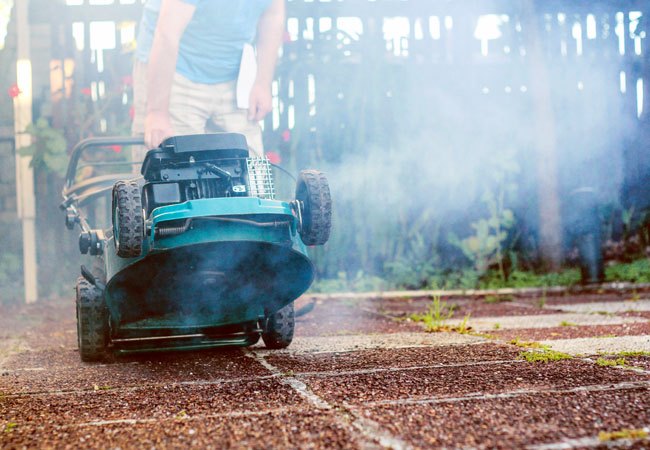
If your lawn mower starts smoking, it is hard not to panic. One minute you are trimming the yard like a responsible homeowner; the next, your mower looks like it is auditioning for a magic show. The good news: a smoking lawn mower is not always a disaster. Sometimes it is just a little spilled oil burning off. Other times, it is a useful warning that your engine is getting too much fuel, too much oil, not enough air, or more stress than it can politely handle.
This guide explains why your lawn mower is smoking, what different smoke colors mean, how to troubleshoot the problem safely, and when it is time to call a small-engine repair technician. Whether you own a push mower, self-propelled mower, riding mower, zero-turn mower, or electric lawn mower, the goal is the same: stop the smoke, protect the engine, and get back to mowing without creating a neighborhood weather event.
First: Stop, Cool, and Check Safely
Before you start poking around the machine, shut the mower off and let it cool. Smoke often comes from hot metal, oil, fuel vapor, or overloaded engine parts, none of which pair well with bare hands and optimism. Move the mower to a flat, open area away from dry leaves, mulch, gasoline containers, and anything else that would prefer not to become crispy.
For gas mowers, disconnect the spark plug wire before inspecting the blade area, air filter, carburetor, or underside of the deck. This helps prevent accidental starting. For electric or battery-powered mowers, remove the battery or unplug the machine. Wear gloves, use eye protection, and avoid working near open flames. If you smell strong gasoline, see dripping fuel, or notice smoke coming from wiring, stop and get professional help.
What the Smoke Color Means
The color of the smoke is your first clue. Think of it as your mower’s dramatic but helpful way of leaving a voicemail.
| Smoke Color | Most Likely Cause | Common Fix |
|---|---|---|
| White smoke | Oil is burning in the engine or on hot engine parts | Check oil level, correct overfill, run mower on level ground |
| Blue smoke | Oil is entering the combustion chamber | Check oil level, air filter, crankcase breather, rings, or gasket |
| Black smoke | Too much fuel or not enough air | Clean or replace air filter, inspect choke and carburetor |
| Gray smoke | Oil burn-off, dirty filter, fuel issue, or early engine wear | Troubleshoot oil, air, fuel, and engine load |
| Smoke from electric mower | Overheating motor, jammed blade, belt friction, wiring issue | Stop immediately, remove power, inspect for debris or damage |
Why Is My Lawn Mower Smoking White?
White smoke from a lawn mower usually means oil is burning. This often happens after an oil change, after the mower has been tipped the wrong way, or after the crankcase has been overfilled. In many cases, white smoke looks scarier than it is. If the mower runs normally and the smoke fades after a few minutes, you may simply be burning off oil that reached the muffler or combustion chamber.
1. Too Much Oil in the Engine
Overfilling the oil reservoir is one of the most common reasons a lawn mower smokes. Small engines do not have much extra room for mistakes. Add too much oil, and the excess can foam, splash, enter the air filter housing, or get pulled into the combustion chamber. The result is white or bluish smoke and possibly a rough-running engine.
To fix it, place the mower on level ground. Remove the dipstick, wipe it clean, reinsert it according to your owner’s manual, and check the level. If the oil is above the full mark, drain a small amount. Do not guess wildly. Drain a little, recheck, and repeat until the oil sits in the correct range. Your mower wants lubrication, not a bubble bath.
2. The Mower Was Tipped the Wrong Way
If you tipped your mower on its side to clean the deck, sharpen the blade, change the oil, or untangle a heroic wad of grass, oil may have moved into places it does not belong. Many walk-behind mower manuals recommend tipping the mower with the air filter and carburetor side facing up. If the air filter side faces down, oil can soak the filter or reach the carburetor.
Set the mower upright and let it rest for several minutes. Check the oil level and inspect the air filter. If the filter is soaked with oil, replace it. Then start the mower outdoors and let it run briefly. A small amount of smoke may clear on its own. If the smoke continues, keep troubleshooting.
3. Oil Spilled on the Muffler
Sometimes the engine is fine, and the smoke is just spilled oil burning off the hot muffler. This commonly happens after adding oil too quickly or missing the fill tube because your hand-eye coordination took the afternoon off. Wipe away visible oil after the mower cools. Once restarted, the smoke should fade as residue burns away.
Why Is My Lawn Mower Smoking Blue?
Blue smoke also points to burning oil, but it can be more concerning if it continues. A short puff of blue smoke after startup or after tipping the mower may not be serious. Constant blue smoke, especially with power loss, oil consumption, or fouled spark plugs, can signal internal engine wear.
1. Wrong Oil Type or Oil Viscosity
Lawn mower engines need the oil type recommended by the manufacturer. Many small engines use SAE 30, 10W-30, or synthetic 5W-30 depending on temperature and engine design. Using oil that is too thin for hot weather or unsuitable for your engine can increase oil consumption and smoking.
Check your owner’s manual before adding oil. If you used the wrong oil, drain it and refill with the recommended grade. Also avoid using old, dirty oil that looks black, gritty, or smells burnt. Dirty oil does not lubricate as well and can make an engine run hotter and rougher.
2. Worn Piston Rings or Cylinder Wear
If your mower is older and smokes blue every time it runs, worn piston rings may allow oil to slip into the combustion chamber. The mower may also lose compression, become hard to start, burn oil quickly, or leave oily deposits on the spark plug. This is not usually a quick Saturday-morning fix unless your idea of fun includes engine disassembly and tiny parts with strong opinions.
A compression test or leak-down test can help confirm internal wear. If the mower is inexpensive and old, replacement may make more sense than rebuilding the engine. For commercial, riding, or high-end mowers, professional repair may be worth it.
3. Blown Head Gasket
A blown head gasket can also cause blue or white smoke. Other symptoms may include oil leaks, loss of power, rough running, a dirty spark plug, or oily residue around the cylinder head area. Some engines are more prone to gasket issues than others, especially if they have been run low on oil or overheated.
If smoke continues after correcting the oil level, replacing the air filter, and cleaning the exterior, a head gasket should be on the suspect list. This is usually a job for someone comfortable with torque specs, gasket surfaces, and not dropping bolts into the grass like confetti.
Why Is My Lawn Mower Smoking Black?
Black smoke usually means the engine is running rich, which means it is burning too much fuel compared with the amount of air entering the engine. A rich mixture can make the mower smell like gasoline, run rough, bog down, foul the spark plug, and waste fuel. The most common cause is a dirty or clogged air filter.
1. Dirty or Clogged Air Filter
Your mower’s engine needs clean airflow to mix properly with fuel. When the air filter is packed with dust, grass clippings, oil, or mysterious backyard debris, the carburetor may deliver too much fuel for the amount of air available. That produces black smoke.
Remove the air filter cover and inspect the filter. Paper filters should be replaced if they are dark, clogged, oily, torn, or crushed. Foam filters can often be cleaned with warm soapy water, dried completely, and lightly oiled if the manual calls for it. Never run the mower without an air filter. That is like inviting dirt into the engine and telling it to make itself at home.
2. Choke Stuck Closed
The choke helps cold engines start by enriching the fuel mixture. Once the engine warms up, the choke should open. If it sticks closed, the mower keeps receiving too much fuel, leading to black smoke and rough operation.
Check the choke lever, cable, linkage, and carburetor plate. Dirt, corrosion, old fuel residue, or a bent linkage can prevent smooth movement. Clean the linkage carefully and make sure the choke opens fully after startup. If your mower has an automatic choke, the thermal mechanism may need inspection or replacement.
3. Carburetor Problems
A dirty carburetor can cause black smoke, surging, stalling, hard starting, and fuel dripping. Old gasoline can leave varnish that clogs small passages or causes the float needle to stick. If the carburetor float sticks open, too much fuel enters the engine.
Start with fresh fuel and a clean air filter. If the mower still smokes black, remove and clean the carburetor bowl, jets, and float area if you are comfortable doing so. Use carburetor cleaner in a well-ventilated area and avoid damaging rubber parts. If the carburetor is badly corroded or warped, replacing it may be easier than rebuilding it.
Other Common Reasons a Lawn Mower Smokes
1. Old or Contaminated Fuel
Gasoline does not age gracefully. After sitting for months, it can lose volatility, absorb moisture, and leave sticky deposits. Bad fuel can make the engine run poorly, smoke, surge, or stall. If the mower sat all winter with untreated gas, drain the old fuel and refill with fresh gasoline. For seasonal storage, use fuel stabilizer or run the tank dry according to your manual’s recommendation.
2. Mowing Wet or Tall Grass
Wet grass clumps under the deck, blocks airflow, and forces the blade and engine to work harder. Tall, thick grass can do the same thing. When the mower is overloaded, it may smoke, bog down, or overheat. Raise the cutting height, mow slowly, and cut no more than one-third of the grass blade at a time. If the lawn looks like a jungle documentary, mow in stages instead of demanding heroics from a 160cc engine.
3. Grass Buildup Under the Deck
Heavy buildup under the mower deck restricts blade movement and airflow. It can also trap moisture and promote rust. After the mower cools and power is disconnected, scrape away packed grass with a plastic scraper or putty knife. Keep the blade sharp and balanced. A dull blade tears grass and increases engine load, which can contribute to overheating and smoke.
4. Crankcase Breather Problems
The crankcase breather helps manage pressure inside the engine. If the breather tube is blocked, crimped, oily, or defective, pressure can push oil into the air intake or combustion chamber. This may cause blue or white smoke and oil in the air filter housing. Inspect the breather tube and replace damaged parts.
5. Electric Mower Motor Smoke
Electric lawn mowers do not burn gasoline or engine oil, so smoke from an electric mower deserves immediate attention. It may come from a jammed blade, overheating motor, failing bearing, slipping belt, damaged switch, or electrical short. Stop the mower, remove the battery or unplug the cord, and inspect the blade area for debris. If smoke came from the motor housing, wiring, or battery, do not keep using it until it has been checked.
Step-by-Step Troubleshooting Checklist
- Turn off the mower. Let it cool in a safe, open area.
- Identify the smoke color. White or blue usually means oil; black usually means fuel or airflow.
- Check the oil level. Too much oil is a top cause of smoking.
- Inspect the air filter. Replace paper filters that are clogged or oil-soaked.
- Look for spilled oil. Wipe oil from the muffler and engine after cooling.
- Check the fuel. Drain stale gas and refill with fresh fuel.
- Inspect the choke and carburetor. Make sure the choke opens and the carburetor is not flooding.
- Clean the deck. Remove grass buildup that overloads the engine.
- Restart briefly. Run on level ground and observe whether smoke clears.
- Call a technician if smoke persists. Constant smoke with knocking, power loss, oil leaks, or hard starting may indicate internal damage.
When Is Lawn Mower Smoke Normal?
A little smoke can be normal in a few situations. You may see a brief puff after starting a cold engine, after changing oil, after tipping the mower, or after spilling a small amount of oil on the muffler. If the smoke clears within a few minutes and the mower runs smoothly, the engine is probably fine.
However, smoke is not normal when it continues throughout mowing, smells strongly of fuel, comes with loud knocking, causes the mower to lose power, or appears from electrical components. That is your mower waving a red flag, not a tiny surrender flag.
How to Prevent Lawn Mower Smoke
The best repair is the one you never have to do. Follow a simple maintenance routine to keep your mower running cleanly.
- Check the oil level before mowing, especially after an oil change.
- Use the oil grade recommended in your owner’s manual.
- Change oil at least once per season or according to engine hours.
- Replace or clean the air filter regularly.
- Use fresh gasoline and avoid leaving untreated fuel in the tank for months.
- Keep the mower deck clean and the blade sharp.
- Tip the mower only in the direction recommended by the manufacturer.
- Avoid mowing wet grass or cutting extremely tall grass in one pass.
- Store the mower in a dry, sheltered place.
When to Repair vs. Replace the Mower
If the fix is an air filter, oil correction, spark plug, carburetor cleaning, or fuel replacement, repair is usually worth it. These are affordable maintenance items. If the mower needs piston rings, cylinder work, a major engine repair, or repeated shop visits, compare the repair cost with the value of the mower.
For a basic push mower that is already old, replacement may be more practical. For a riding mower, zero-turn mower, or commercial-grade machine, professional repair can still make financial sense. Also consider how well the mower starts, cuts, drives, and handles. Smoke is one symptom; the full condition of the machine tells the real story.
Real-World Experience: What Smoking Mowers Usually Teach You
After dealing with smoking lawn mowers in real yards, the biggest lesson is this: most smoke problems start small. A homeowner tops off the oil without checking the dipstick, tips the mower air-filter-side down to clean the deck, or keeps mowing through wet grass because the weekend schedule is packed and the lawn is beginning to resemble a wildlife preserve. Then the mower smokes, sputters, and makes everyone wonder whether the engine is doomed. Often, it is not doomed. It is just annoyed.
One common scenario is the “helpful overfill.” Someone checks the oil, sees it is a little low, and pours in extra “for safety.” Unfortunately, small engines are not comforted by bonus oil. Too much oil can be just as troublesome as too little. The mower starts, white smoke rolls out, and the owner assumes the engine has failed. After draining the oil to the proper level and replacing an oil-soaked air filter, the mower often runs normally again. The dipstick, humble as it looks, deserves more respect than it gets.
Another frequent case happens after blade sharpening. The mower is tipped sideways, the blade is removed, and the deck is cleaned. Everything looks great until startup, when blue-white smoke appears. The reason is usually oil migration. Oil has moved into the air filter, carburetor, or muffler area. The fix may be as simple as setting the mower level, replacing the filter, wiping residue, and letting the engine run long enough to burn off what remains. The key is learning the correct tipping direction for that specific mower. “Any side will do” is not a maintenance philosophy; it is how mowers develop trust issues.
Black smoke tells a different story. In real use, it is often caused by a neglected air filter. Grass dust, pollen, dirt, and tiny clippings clog the filter until the engine cannot breathe. The carburetor keeps feeding fuel, but the air supply is restricted, so the mixture becomes too rich. The mower coughs, smokes black, and drinks gas like it has weekend plans. A new air filter can make the machine feel surprisingly refreshed.
The final lesson is to pay attention to patterns. A brief puff after maintenance is one thing. Continuous smoke every time you mow is another. Smoke plus knocking, severe vibration, power loss, or fast oil consumption deserves a deeper inspection. A mower that smokes once may be forgiven. A mower that smokes every Saturday is trying to tell you something, and it is probably not complimenting your landscaping.
Conclusion
A smoking lawn mower is usually caused by burning oil, poor airflow, too much fuel, old gas, engine overload, or a maintenance mistake that can be corrected. White or blue smoke points toward oil issues such as overfilling, tipping the mower incorrectly, worn rings, or a gasket problem. Black smoke usually points toward a dirty air filter, stuck choke, carburetor issue, or stale fuel. Start with the simple checks: oil level, air filter, fuel quality, mower angle, and grass buildup under the deck.
If the smoke clears quickly and the mower runs smoothly, you may only have had a temporary oil burn-off. If the smoke continues, gets worse, or comes with knocking, overheating, oil leaks, or power loss, stop using the mower and consider professional repair. Your lawn mower is a hardworking machine, but it is not supposed to signal the neighbors with smoke.
Note: This article is written in standard American English and synthesizes real lawn mower troubleshooting principles from manufacturer guidance, small-engine maintenance practices, and reputable home repair resources.