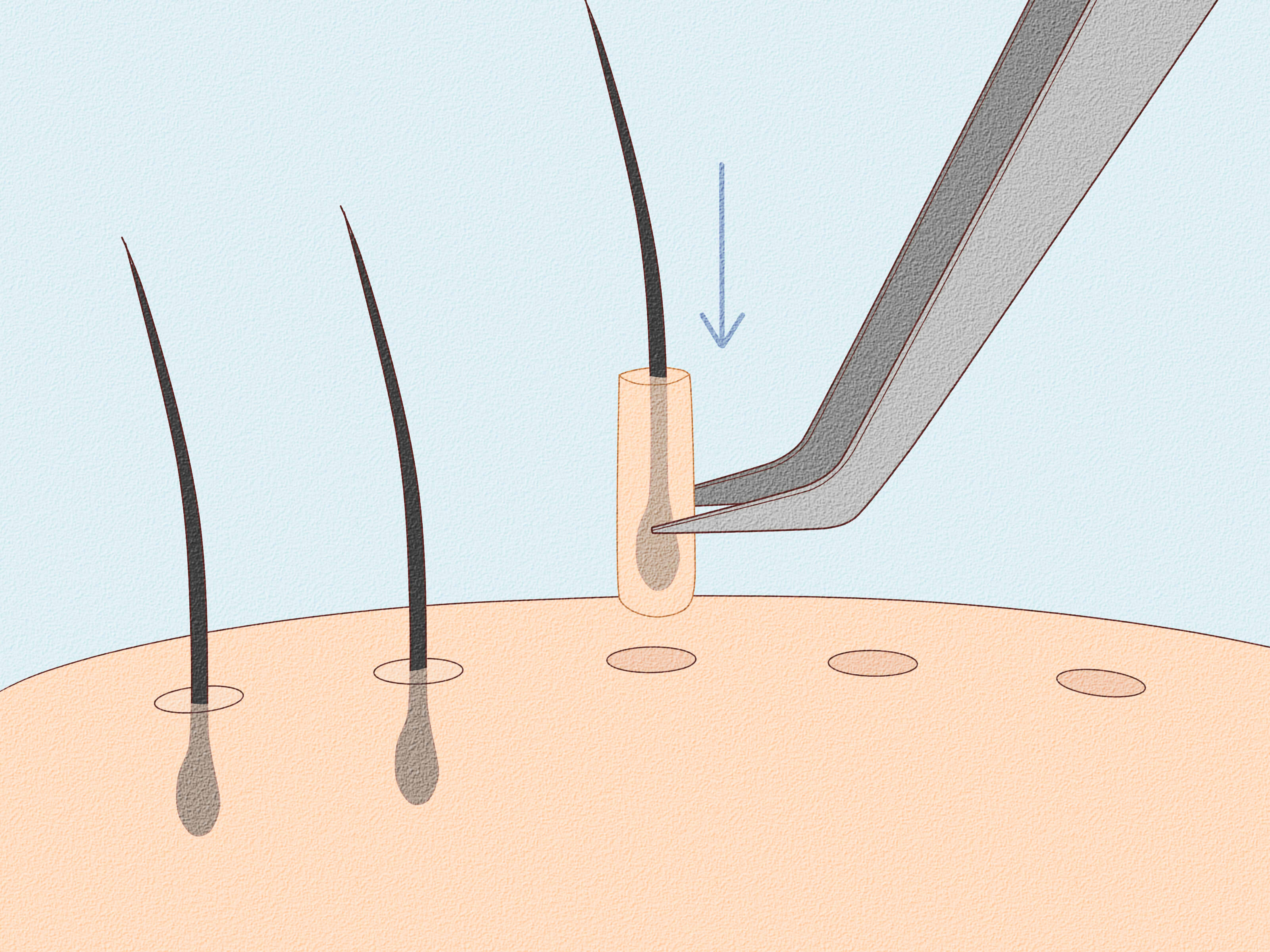
Few beauty mysteries are more rude than this one: your hair seems to have signed a lease at the same length and refuses to move out. Maybe your ponytail looks thinner, your part looks wider, or the hair in your shower drain is starting to feel like an uninvited roommate. The good news is that “my hair is not growing” usually does not mean your scalp has simply given up on you. In many cases, hair is growing, but it is growing more slowly, shedding more quickly, or breaking before you ever notice progress.
That distinction matters, because the right fix depends on the real problem. A person with stress-related shedding needs a different plan than someone with pattern hair loss, low iron, thyroid issues, or a hairstyle that has been pulling like it is training for a tug-of-war tournament. Once you know what is going on, treatment becomes a lot less guessy and a lot more useful.
Let’s break down the most common reasons hair seems stuck, what treatments actually help, and when it is time to stop asking your mirror for answers and book a dermatology appointment instead.
First, what counts as “not growing”?
Healthy scalp hair usually grows about half an inch per month. That is not exactly lightning speed, which is why dramatic before-and-after expectations often end in disappointment. Hair also grows in cycles, not in one nonstop sprint. Most follicles spend years in the active growth phase, then briefly shift into a transition phase and a resting phase before shedding and starting over again.
So if your hair feels “stalled,” one of three things is often happening:
- Your hair is growing, but very slowly.
- Your hair is shedding faster than normal.
- Your strands are snapping off from damage, so the length never seems to increase.
Translation: the problem may be less “nothing is happening” and more “the wrong thing is happening.”
Common reasons your hair is not getting longer
1. You have pattern hair loss
Pattern hair loss is one of the most common reasons hair seems thinner, weaker, or slower to grow. In men, this often shows up as a receding hairline or thinning at the crown. In women, it usually looks more like a widening part, reduced density at the top of the scalp, or an overall “my ponytail used to be thicker” feeling.
This type of hair loss is largely influenced by genetics and hormones. Over time, the follicles shrink. When that happens, the hairs they produce become finer, shorter, and less noticeable. Eventually, some follicles stop making visible hair altogether. That can make it seem like your hair refuses to grow, when in reality the follicles are producing smaller and smaller results. Your scalp basically starts sending out mini versions instead of the full-size model.
Pattern hair loss tends to be gradual, which is why people often miss it at first. They assume their hair is “just not growing like it used to,” when the bigger issue is progressive miniaturization.
2. Stress pushed more hairs into the shedding phase
If you had a major illness, high fever, surgery, intense emotional stress, rapid weight loss, a restrictive diet, childbirth, or a medication change a few months ago, you may be dealing with telogen effluvium. That is the fancy medical name for temporary hair shedding after a physical or emotional stressor.
This kind of hair loss can feel dramatic. You wash your hair and suddenly it looks like your drain is growing hair faster than your scalp is. The catch is that the shedding usually begins weeks to months after the trigger, so it can be easy to miss the connection. Many people panic because their hair seems thinner and not growing back fast enough. In reality, the cycle has been temporarily disrupted.
The encouraging part is that telogen effluvium is often reversible. Once the trigger is addressed and your body settles down, new growth usually returns. It just takes patience, which is annoying but medically on brand for hair.
3. Your hair is breaking, not failing to grow
Sometimes the issue is not the scalp at all. Sometimes the hair is growing just fine, but the ends keep snapping off because of heat styling, bleach, chemical straightening, rough brushing, chronic friction, or dry, fragile strands. In that case, you can grow half an inch a month and still look like you have made zero progress. It is like trying to fill a bathtub with the drain open.
Breakage is especially common if your hair feels rough, tangles easily, looks frayed at the ends, or has a lot of short snapped-off pieces around the crown or hairline. Tight ponytails, buns, braids, extensions, and weaves can also strain the follicles and lead to traction alopecia. If a style hurts, pulls, or gives you tiny bumps along the hairline, your scalp is not being dramatic. It is filing a complaint.
4. You are missing key nutrients
Hair is not a vital organ. Your body will prioritize more important jobs first, like keeping your brain, blood, and muscles running. If your diet is too low in protein, calories, iron, or other essential nutrients, your hair may pay the price.
Low iron is a particularly common issue, especially in women with heavy menstrual bleeding, people with restrictive diets, vegetarians or vegans who are not carefully planning intake, and anyone with underlying absorption issues. In some people, nutrient deficiencies contribute to shedding, slower regrowth, and generally weaker strands.
That said, this does not mean you should start swallowing every hair gummy within a 10-mile radius. More is not always better. Random supplementation can be wasteful, and in some cases too much of certain vitamins or minerals can make hair loss worse. If a deficiency is suspected, bloodwork is far smarter than supplement roulette.
5. A hormone or medical condition is getting in the way
Hair health is closely tied to what is happening inside your body. Thyroid disorders, iron-deficiency anemia, autoimmune disease, major hormonal shifts, and some chronic illnesses can all interfere with the normal growth cycle.
One good example is thyroid disease. An underactive thyroid can show up with fatigue, weight changes, dry skin, and dry, coarse, thinning hair. Postpartum hormone shifts can trigger heavy shedding. Menopause can also change hair density and texture. In other words, your scalp may be tattling on your internal health before you have connected the dots.
Certain medications can contribute too. Depending on the drug and the person, hair shedding may happen with some antidepressants, beta-blockers, retinoids, chemotherapy, and other treatments. If your hair issues started after a new prescription, do not stop the medicine on your own, but do bring it up with your clinician.
6. You have an autoimmune or inflammatory scalp problem
If your hair loss is patchy, sudden, painful, itchy, burning, scaly, or associated with changes in your eyebrows or eyelashes, you may be dealing with something more specific than ordinary thinning. Alopecia areata is an autoimmune condition that can cause round bald patches. Other inflammatory or scarring conditions can damage follicles over time and may lead to permanent loss if not treated early.
This is where “I’ll just wait and see” can backfire. Some hair conditions are much easier to treat in the early stages, before long-term follicle damage develops.
What actually helps hair grow again?
Start with the right diagnosis
If you are losing more hair than usual, getting bald spots, noticing a widening part, or feeling like your hair has dramatically changed, the best first step is not a miracle serum. It is figuring out the cause. A board-certified dermatologist may examine your scalp, ask about timing, diet, illness, stress, medications, and family history, and sometimes order blood tests or other evaluation.
That matters because treatment for stress shedding is different from treatment for female pattern hair loss, alopecia areata, traction alopecia, or a thyroid-related issue. Hair loss is one of those problems where guessing is expensive.
Use minoxidil consistently if it fits your situation
Topical minoxidil is one of the most established treatment options for pattern hair loss and can help some people slow shedding and support regrowth. It is available over the counter, but consistency is the secret sauce. This is not a “used it for nine days and declared betrayal” kind of treatment. It often takes several months before improvement becomes noticeable, and many people need six months or longer to judge the effect fairly.
Minoxidil can cause scalp irritation in some users, and if it drips onto the face, it may cause unwanted hair growth in places you did not audition for. Careful application helps. If it works, you usually need to keep using it to maintain the benefit.
Prescription treatment may help, depending on the cause
For some men with male pattern hair loss, a clinician may prescribe oral finasteride. This is a prescription option, not a casual supplement, and it is not used the same way for everyone. If your hair loss is autoimmune, such as alopecia areata, a dermatologist may use treatments like corticosteroid injections or other targeted therapies. If traction alopecia is caught early, medications plus styling changes may help restore growth.
The main takeaway is simple: the right prescription depends on the diagnosis. Hair loss treatment is not one-size-fits-all, even if the marketing aisle tries very hard to pretend otherwise.
Correct the trigger
If the problem is low iron, low protein intake, thyroid disease, postpartum shedding, a medication side effect, or a crash diet, hair recovery depends on fixing that issue. You cannot out-condition a hormone imbalance. You also cannot deep-treat your way out of severe nutritional deficiency. Good hair care helps protect what you have, but it cannot fully override an unaddressed internal problem.
Be much gentler with your hair
If breakage is part of the problem, protective habits matter:
- Use a gentle shampoo and conditioner.
- Limit high-heat styling and harsh chemical services.
- Reduce tight hairstyles that pull at the scalp.
- Detangle carefully instead of ripping through knots like you are starting a lawn mower.
- Let hair air-dry more often when possible.
- Trim split ends as needed, not because trimming makes hair grow faster, but because it helps prevent breakage from traveling upward.
Healthy hair habits do not magically speed up the follicle itself, but they can make a major difference in how much length you actually get to keep.
Eat like your hair lives there, because it does
A balanced eating pattern with enough protein, iron-rich foods, and overall calories supports hair growth better than a trendy “wellness reset” built on air, vibes, and cucumber water. If you suspect a deficiency, ask for evaluation instead of self-prescribing a shopping cart full of supplements. Targeted treatment beats guessing every time.
What usually does not help much
- Constant product hopping: Hair growth takes time. Switching products every two weeks makes it impossible to judge what is working.
- Overpromised hair gummies: If you are not deficient, extra supplements may do little and can sometimes do harm.
- Trimming for “faster growth”: Trims help with breakage and appearance, but hair grows from the follicle, not from the ends.
- Ignoring scalp symptoms: Pain, burning, scale, or bald patches deserve actual medical attention, not another silk bonnet and a pep talk.
When should you see a doctor?
Make an appointment sooner rather than later if you notice any of the following:
- Sudden or heavy shedding.
- Round bald patches.
- A rapidly widening part or visible scalp.
- Hairline loss from tight styles.
- Scalp pain, burning, itch, redness, or flaking.
- Loss of eyebrows or eyelashes.
- Hair changes along with fatigue, weight changes, menstrual changes, or other symptoms that suggest a medical cause.
Early treatment often improves the odds of better regrowth, especially in conditions that can scar or permanently damage follicles over time.
What people often experience when their hair “stops growing”
One of the most frustrating parts of this issue is how personal it feels. People often describe the moment they realize something is wrong in surprisingly similar ways. A woman may notice that her usual ponytail holder wraps around one extra time. A man may see more scalp than expected under bright bathroom lighting and suddenly start inspecting his hairline from angles that no human being should ever have to inspect. Someone else may not notice the top of the scalp at all, but they do notice that the brush fills up faster, the shower wall turns into a fuzzy art project, and the floor around the vanity looks like the aftermath of a very dramatic breakup.
Another common experience is confusion. Many people say, “My hair is not growing,” but when they think about it more, what they really mean is, “My hair won’t get thicker,” “My ends keep breaking,” or “My hair never gets past my shoulders anymore.” That difference matters. A person with postpartum shedding may see handfuls of hair come out for weeks, then panic because regrowth seems painfully slow. Someone with bleach damage may have decent growth at the scalp but so much breakage on the ends that their length stays exactly the same. A person with pattern hair loss may not see dramatic shedding at all; instead, they slowly realize their style does not sit the way it used to.
People also talk about the emotional side more than you might expect. Hair changes can chip away at confidence, even when the cause is temporary. Some start avoiding photos. Some change their part, buy volumizing products, or become suspiciously loyal to baseball caps. Others spend a small fortune on oils, masks, and supplements before learning that the actual issue was iron deficiency, stress shedding, or traction from tight styles. That is why a real diagnosis can feel strangely relieving. Even if the answer is not fun, it is at least an answer.
There is also a patience problem, and honestly, it is fair. Hair recovery moves slowly enough to test anyone’s character. New growth can show up as soft baby hairs, fuzzy edges, or short regrowth around the part long before the rest of the hair looks “normal” again. People often think treatment is failing when it is actually just behaving like hair, which is to say: slowly, stubbornly, and with zero regard for your calendar.
The most helpful mindset is usually this: notice patterns, act early, and do not assume you caused permanent damage just because progress is slow. In many cases, hair can recover or improve with the right treatment and enough time. The hard part is not only choosing the right plan, but also sticking with it long enough to let biology do its very unglamorous job.
Conclusion
If your hair is not growing the way it used to, there is usually a reason. Sometimes it is genetics. Sometimes it is stress. Sometimes it is breakage dressed up as slow growth. Sometimes your scalp is waving a tiny flag to warn you about a medical issue, a nutrient gap, or a hairstyle that has overstayed its welcome. The key is not to panic, but not to ignore it either.
The sooner you identify the cause, the better your odds of protecting the follicles you still have and encouraging healthier regrowth. Gentle hair care, realistic timelines, and evidence-based treatment can go a long way. And if your hair has been acting suspicious for a while, a dermatologist is much more helpful than another late-night search for “miracle rosemary unicorn follicle serum.”