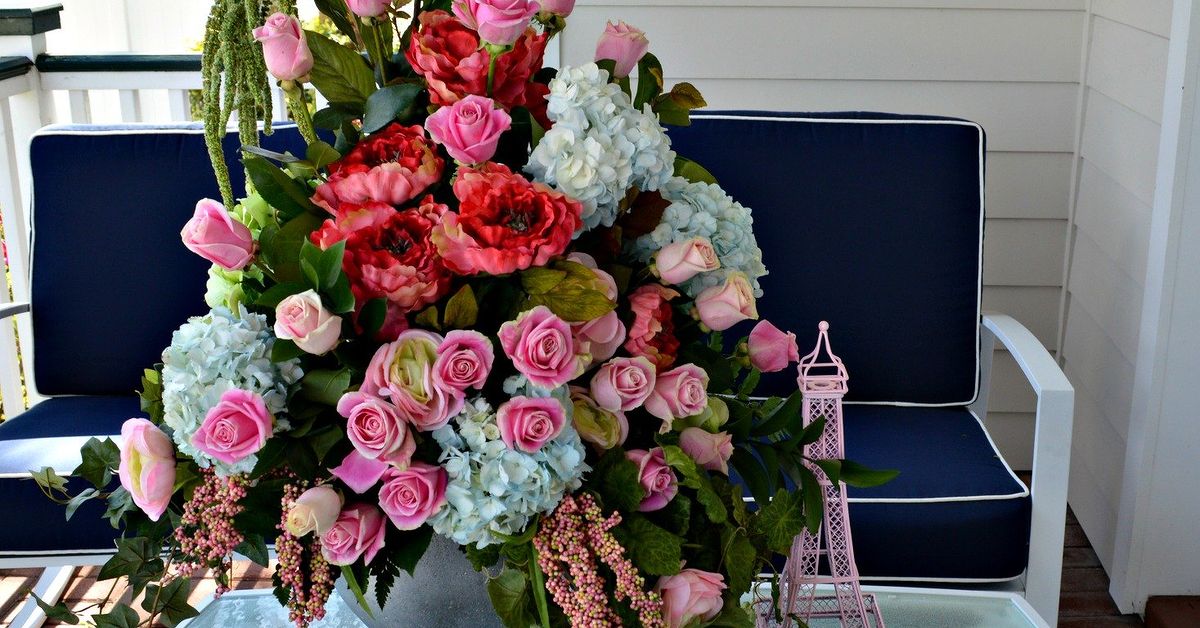
Fresh flowers are charming, fragrant, and a little dramatic. Give them sunlight that is too strong, water that is too funky, or a room that feels like a sauna, and suddenly your gorgeous centerpiece looks like it needs a nap. That is exactly why more decorators, event planners, and everyday flower lovers are blending artificial flowers with fresh flower arrangements. It is not cheating. It is strategy with petals.
Adding high-quality faux stems to fresh blooms can make an arrangement look fuller, last longer visually, cost less, and solve all kinds of design problems that fresh flowers alone cannot always fix. Need a rare color in the off-season? Faux can help. Want trailing greenery that behaves itself instead of flopping like overcooked noodles? Faux can help there too. Trying to make one bouquet survive family dinner, a graduation party, and twenty-seven phone photos? You get the idea.
In this guide, we will break down why artificial flowers belong in some fresh arrangements, when they make the most sense, how to use them without making the bouquet look fake, and what design tricks make the blend look polished instead of plastic. The goal is simple: create arrangements that feel beautiful, intentional, and just a little smarter.
Why Mix Artificial and Fresh Flowers at All?
At first glance, mixing faux and fresh flowers may sound like pairing a tuxedo jacket with flip-flops. Surprisingly, it can work beautifully when done with purpose. Fresh flowers bring movement, fragrance, softness, and natural variation. Artificial flowers bring stability, predictability, and endurance. Put them together, and you get a bouquet that has both heart and hustle.
Fresh arrangements are wonderful for their organic beauty, but they also come with limitations. Certain blooms are seasonal. Some wilt quickly. Others are expensive, fragile, or impossible to find in the exact shade you want. Artificial stems can fill those gaps while letting the fresh flowers remain the stars of the show.
Think of faux stems as the supporting cast in a floral movie. The fresh roses, tulips, ranunculus, or hydrangeas take the lead role. The artificial greenery, berries, branches, or accent flowers quietly make the whole production look more expensive and more complete.
Top Reasons to Add Artificial Flowers to a Fresh Flower Arrangement
1. They add fullness without blowing the budget
One of the biggest reasons people add artificial flowers to fresh bouquets is simple math. Filling a large centerpiece entirely with fresh premium blooms can get expensive fast. By mixing in faux greenery, filler flowers, branches, or secondary blooms, you can create a lush look without buying an entire flower shop.
This is especially helpful for weddings, showers, holiday tables, store displays, and large home arrangements where size matters. A few fresh focal flowers surrounded by well-placed artificial accents can create the same visual abundance at a lower cost. Your wallet stays calmer, and your arrangement still looks like it has main-character energy.
2. They make seasonal styling easier
Fresh flowers are ruled by seasonality, weather, shipping, and availability. Artificial flowers are gloriously stubborn. If you want spring-like cherry blossoms in a late-summer arrangement, or a consistent shade of blush peony for an event theme, faux stems give you options that nature may not currently be offering.
This makes mixed arrangements ideal for special occasions where color palette matters more than floral purity. If your design needs specific tones, textures, or shapes, artificial flowers can bridge the gap between what is available and what you actually envisioned.
3. They help structure the arrangement
Fresh flowers are lovely, but not all of them are built for architecture. Some droop. Some lean. Some appear to have entered the arrangement with no clear plan. Artificial flowers and foliage can provide structure, line, and shape, especially in larger designs.
For example, faux eucalyptus, magnolia leaves, berry stems, lamb’s ear, or wispy branches can help establish the silhouette of the arrangement before fresh blooms are added. This creates a stronger base and helps the bouquet look intentional from every angle.
4. They hold up better in tricky environments
Fresh flowers generally prefer clean water, trimmed stems, and cool conditions. They do not love direct sun, heating vents, strong drafts, or hot party rooms packed with enthusiastic humans. Artificial stems, meanwhile, are unbothered. If an arrangement is going near a fireplace mantel, in a warm entryway, at an all-day event, or in a space where maintenance will be minimal, faux accents can reduce the pressure on the fresh components.
In other words, you can use fresh flowers where they count most and rely on artificial pieces where conditions are less friendly. That is not lazy decorating. That is floral survival planning.
5. They extend the arrangement’s visual life
Even when the fresh blooms begin to fade, the arrangement can still hold its shape and beauty if the artificial elements are carrying some of the visual weight. This is one of the smartest advantages of the mixed approach.
A bouquet made entirely of fresh flowers may look tired the moment several blooms decline. A bouquet built with faux branches, filler, and greenery can still look attractive while you replace only the fresh focal flowers. That makes refreshing the arrangement easier, less wasteful, and more affordable over time.
6. They are ideal for keepsake or sentimental designs
Some arrangements are meant for a moment. Others are tied to a memory. Adding artificial flowers to a fresh design lets you preserve part of the overall look long after the live flowers are gone. This is especially useful for wedding flowers, anniversary arrangements, baby showers, holiday centerpieces, or memorial designs.
You can recreate the same arrangement style later using the permanent faux pieces as a foundation. It becomes a sort of floral sequel, minus the emotional cliffhanger.
7. They let you experiment with texture
Great floral design is not just about color. It is also about texture, scale, movement, and contrast. Fresh flowers already offer soft petals and natural variation, but artificial accents can introduce reliable texture exactly where you need it.
Maybe your bouquet needs a spiky line element, a draping vine, a fluffy filler stem, or a branch with berries that would be hard to source fresh. Faux stems can add depth and character while keeping the arrangement balanced. When chosen carefully, they can make the design feel layered and editorial rather than stiff.
When Artificial Flowers Make the Most Sense
Not every arrangement needs artificial elements. But some situations practically invite them to the party.
- Large centerpieces: They help create volume without requiring dozens of fresh blooms.
- Wedding flowers: They keep color palettes consistent and make pre-planning easier.
- Holiday arrangements: Faux berries, branches, pine, and leaves pair beautifully with fresh flowers.
- Hot or hard-to-maintain spaces: Mantels, entry tables, offices, and event venues benefit from durable accents.
- Off-season looks: They let you use floral styles that would be difficult or expensive to source fresh.
- Repeat-use decor: A faux base can be refreshed with new fresh flowers again and again.
How to Mix Faux and Fresh Flowers So It Looks Elegant
Choose high-quality artificial stems
If the faux flowers look shiny, flat, or suspiciously cheerful in a way no real flower ever has, skip them. Good artificial flowers have realistic petal shapes, subtle color variation, flexible stems, and a more natural finish. The better the faux quality, the more believable the final arrangement will be.
Let fresh flowers lead
In most mixed bouquets, fresh flowers should take center stage. Their fragrance, softness, and natural movement are what make the arrangement feel alive. Artificial stems work best as supporting players: greenery, filler, line elements, berries, or a few strategic accent blooms.
Stay within one color story
A common reason mixed arrangements fail is that the faux stems and fresh flowers look like they belong to different zip codes. Keep the palette cohesive. Soft blushes, creamy whites, moody burgundies, citrus tones, or green-and-white combinations all work beautifully when the color transitions feel intentional.
Use texture to blend the materials
Textural transitions help disguise the mix. Fresh roses next to faux berries may look abrupt, but fresh roses paired with faux eucalyptus, wispy faux astilbe, or realistic faux branches can look seamless. The eye reads the whole shape before it starts interrogating individual stems.
Create natural movement
Artificial stems often need a little styling help. Bend them gently. Adjust their angles. Vary the height. Create open spaces and asymmetry. Real flowers do not grow like soldiers standing in a straight line, and your arrangement should not either.
Keep fresh flower care non-negotiable
Mixing in faux stems does not excuse neglecting the live ones. Start with a clean vase, trim fresh stems at an angle, remove leaves below the waterline, use flower food, and keep the arrangement away from direct sun and heat. If you are using floral foam or a container with water, make sure the fresh flowers stay properly hydrated. The artificial elements may be low-maintenance, but the fresh blooms still expect good service.
Be smart about water exposure
Not all artificial flowers are meant to sit in water for days. Some stems may rust, fray, discolor, or shed adhesive over time. If needed, keep faux elements above the waterline, attach them to picks, or place them in areas of the arrangement where moisture is limited. The goal is long-lasting beauty, not a craft-supply crime scene.
Best Artificial Elements to Combine with Fresh Flowers
Some faux pieces blend more naturally with fresh flowers than others. These are usually the safest bets:
- Greenery: Faux eucalyptus, ruscus, magnolia leaves, ivy, lamb’s ear
- Branches: Budding twigs, blossom branches, curly willow, berry stems
- Filler flowers: Small accent blooms that add texture without stealing attention
- Seasonal touches: Faux autumn leaves, winter berries, spring blossoms
- Statement accents: A few realistic peonies, orchids, or hydrangeas when fresh options are limited
If you are new to the mixed-flower approach, start with greenery and filler. These are easier to blend and less likely to make the arrangement look artificial.
Common Mistakes to Avoid
- Using low-quality faux flowers: One obviously fake stem can ruin the illusion.
- Overmixing too many flower types: Simpler combinations often look more expensive.
- Ignoring scale: Giant faux blooms can overpower delicate fresh flowers.
- Skipping maintenance: Fresh blooms still need regular care, clean water, and trimming.
- Making everything too symmetrical: Natural-looking arrangements need movement and variation.
- Forgetting placement: Put the most convincing faux stems where people see them first, and use fresh focal flowers where they matter most.
Is It Worth It?
Yes, when used thoughtfully. Adding artificial flowers to a fresh flower arrangement is not about replacing the beauty of real blooms. It is about enhancing it. The right faux elements can help with shape, longevity, budget, seasonal flexibility, and design consistency. They can also make floral decorating less stressful, which is a gift in itself.
If you love the romance of fresh flowers but want an arrangement that works harder, lasts visually longer, and gives you more design freedom, this blend is absolutely worth trying. It is the floral version of having both style and common sense, which honestly deserves a standing ovation.
Real-Life Experiences with Mixing Artificial and Fresh Flowers
One of the most common experiences people have when they first mix artificial flowers into a fresh arrangement is surprise. Not disappointment. Not scandal. Surprise. They expect the result to look obviously fake, but once the stems are arranged well, most people notice the overall shape, color, and texture long before they start inspecting which bloom is real and which one came from the craft aisle with ambitions. This is especially true when the artificial elements are greenery, berry stems, or branching accents rather than large focal flowers.
Home decorators often say the biggest advantage shows up a few days later. On day one, a fully fresh arrangement and a mixed arrangement may look equally beautiful. By day four or five, the difference becomes more obvious. In a mixed bouquet, the faux stems are still holding the silhouette together while the fresh flowers that are past their prime can be removed and replaced. That means the arrangement stays attractive longer without requiring a complete rebuild. For busy households, that can feel like a small miracle in a vase.
Event hosts also tend to appreciate the reduced pressure. A large party setup can involve centerpieces for dining tables, sideboards, entry tables, dessert stations, and bathrooms. Doing all of that in fresh flowers alone can be expensive and time-sensitive. People who mix in artificial stems often describe feeling more relaxed during setup because part of the arrangement is already stable and styled. They can add fresh blooms closer to the event, make quick touch-ups, and still get that lush, photo-friendly look without needing florist-level panic skills at 7:00 a.m.
There is also a practical experience that many beginners discover quickly: artificial flowers are excellent problem-solvers. Maybe the bouquet looks sparse on one side. Maybe the vase is wider than expected. Maybe the fresh stems are shorter than planned, or the arrangement needs more height. A well-placed faux branch or a few artificial leaves can fix those issues in minutes. That flexibility makes mixed arrangements especially appealing for people who are still learning floral design and want a little margin for error.
Another experience people often mention is how helpful this approach is for sentimental decorating. Some like to recreate a wedding bouquet on an anniversary table using a few permanent stems from the original color palette, then add fresh flowers for life and fragrance. Others keep a holiday arrangement framework made with faux magnolia leaves, pine, or berries and refresh it each year with fresh roses, carnations, or seasonal greenery. Over time, those arrangements become part decor, part tradition, and part memory keeper.
Of course, there is a learning curve. People sometimes use too many faux flowers on the first try, choose stems that are too glossy, or forget that fresh flowers still need proper care. But once they understand balance, most find the process easier and more enjoyable. The sweet spot is usually a design where the arrangement feels alive because of the fresh flowers, yet dependable because of the artificial ones. That balance is what keeps many people coming back to the mixed style. It offers beauty without quite so much fragility, creativity without total chaos, and a finished look that says, “Yes, I absolutely meant to do that.”
Conclusion
So, why add artificial flowers to a fresh flower arrangement? Because they solve real design problems while still letting fresh blooms do what they do best: bring softness, fragrance, and natural beauty to a space. A mixed arrangement can be fuller, more affordable, easier to style, more seasonally flexible, and visually longer-lasting than a fresh-only bouquet. When the faux stems are realistic and thoughtfully placed, the result looks intentional, elegant, and wonderfully low-drama. In the world of floral design, that is a very good deal.