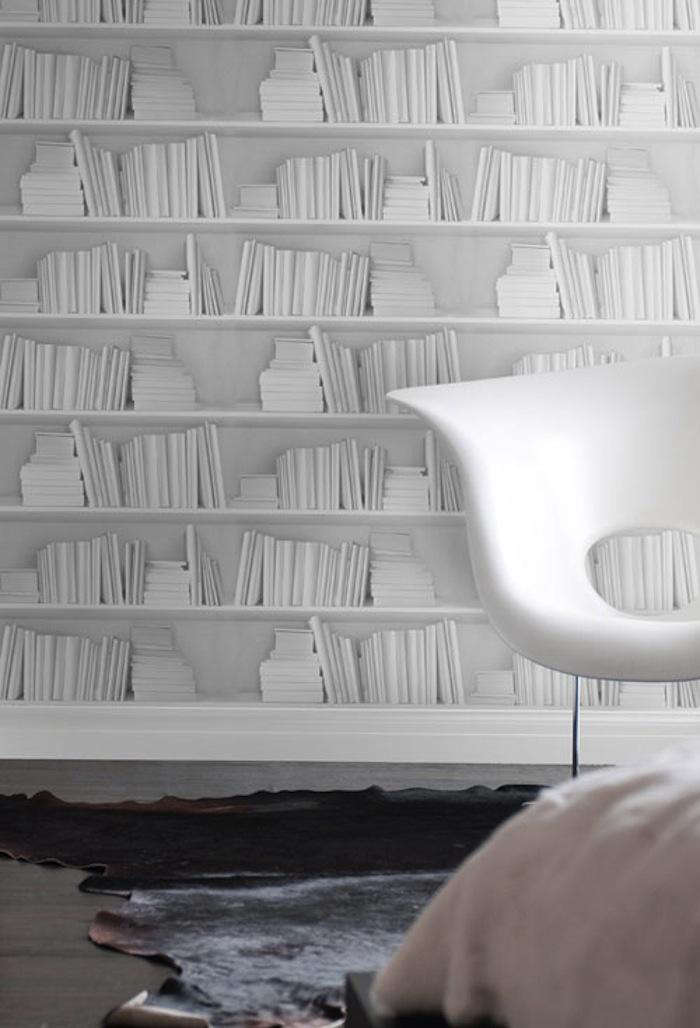
White bookshelf wallpaper is one of those clever decorating ideas that makes people pause and say, “Wait… is that real?” It gives a room the charm of built-in shelving, the brightness of white walls, and the cozy personality of a reading nookwithout requiring a contractor, a saw, or a second mortgage for custom carpentry.
Whether you want to fake a library wall, refresh the back of an actual bookcase, brighten a small office, or add character to a rental apartment, white bookshelf wallpaper can be a surprisingly powerful design tool. It is clean, versatile, and visually interesting, which is basically the home décor equivalent of someone who brings snacks and also knows how to assemble IKEA furniture.
What Is White Bookshelf Wallpaper?
White bookshelf wallpaper is a wall covering designed to imitate the look of shelves, bookcases, stacked books, display niches, or built-in library cabinetry. Unlike traditional bookshelf murals that often feature dark wood, colorful books, or vintage library scenes, the white version leans brighter and more modern. It may show white shelving filled with neutral books, decorative objects, plants, framed art, or simple architectural lines.
The result is a wallpaper style that blends decorative pattern with visual depth. It can make a plain wall feel layered, a small room feel styled, and a basic bookcase feel custom. Some designs are photographic and realistic, while others are illustrated, minimalist, watercolor-inspired, or softly textured.
Why the White Version Works So Well
White is a design chameleon. It reflects light, pairs easily with most color palettes, and can make rooms feel more open. When combined with a bookshelf pattern, it creates the illusion of storage and structure without adding visual heaviness. A dark library mural may feel dramatic and moody, but white bookshelf wallpaper feels airy, tidy, and flexible.
Why White Bookshelf Wallpaper Is Popular
Modern homes are doing a little identity dance. People want clean spaces, but not sterile spaces. They want personality, but not clutter. They want storage, but also want to avoid staring at a wall of mismatched cables, receipts, and that one mystery charger nobody can identify. White bookshelf wallpaper lands right in the sweet spot.
It Creates the Look of Built-Ins for Less
Custom built-in shelves are beautiful, but they can be expensive, permanent, and time-consuming. White bookshelf wallpaper offers a decorative shortcut. It gives the impression of architectural detail, especially when applied behind a desk, along a feature wall, or inside open shelving.
It Makes Small Rooms Feel Brighter
Light wallpaper designs can help bounce brightness around a room. In compact bedrooms, apartments, hallways, and home offices, a white bookshelf pattern adds depth while keeping the overall mood fresh. It gives the eye something to explore without making the room feel crowded.
It Adds Personality Without Shouting
Some wallpapers enter a room like a marching band. White bookshelf wallpaper is more like a witty dinner guest. It has charm and detail, but it usually stays refined. That makes it useful for people who want an interesting wall treatment without committing to bold florals, oversized geometrics, or colors that might start a family debate.
Best Places to Use White Bookshelf Wallpaper
The beauty of this wallpaper style is that it can work in many rooms. The trick is choosing the right scale, finish, and placement so the design looks intentional rather than like your wall is pretending to be a library after one strong cup of coffee.
Home Office
A home office is one of the best places for white bookshelf wallpaper. It creates a polished background for video calls, adds a sense of focus, and makes the space feel more complete. If your office is really a corner of the dining room, this wallpaper can help define the work zone without building a wall.
Living Room
In a living room, white bookshelf wallpaper can become a feature wall behind a sofa, console table, or media unit. It works especially well with warm wood furniture, brass accents, black picture frames, woven baskets, and soft textiles. The white background keeps the look light while the bookshelf pattern adds visual texture.
Bedroom
Behind a bed, a white bookshelf mural can create the feeling of a cozy reading retreat. Choose a softer, less busy print for bedrooms, especially if the wall is large. A pattern with neutral books, pale shadows, and simple shelf lines will feel calm rather than chaotic.
Kids’ Rooms and Nurseries
Bookshelf wallpaper is a natural fit for children’s spaces because it encourages a bookish, imaginative mood. A white version keeps the room bright and can grow with the child. Add colorful bedding, playful lamps, and real bookshelves nearby for a cheerful layered effect.
Hallways and Small Corners
A narrow hallway or awkward nook can become surprisingly charming with bookshelf wallpaper. Since these areas often lack furniture, the wallpaper supplies instant decoration. It is especially effective above wainscoting or behind a slim bench.
Inside Real Bookcases or Cabinets
One of the smartest uses is applying white bookshelf wallpaper to the back panels of actual shelves. This creates depth, hides scuffs, and makes inexpensive furniture look more custom. It also works inside glass-front cabinets, linen closets, and display hutches.
Types of White Bookshelf Wallpaper
Not every wallpaper is made the same way, and the right choice depends on your room, budget, installation comfort level, and whether your landlord has strong feelings about walls.
Peel-and-Stick White Bookshelf Wallpaper
Peel-and-stick wallpaper is popular because it is removable, renter-friendly in many situations, and easier for beginners. It has adhesive backing, so you peel away the liner and smooth it onto the wall. This type is ideal for apartments, dorms, temporary makeovers, and small DIY projects.
However, peel-and-stick wallpaper performs best on clean, smooth, fully dry surfaces. Textured walls, dusty paint, humidity, and rushed installation can lead to bubbles or peeling. In other words, the wallpaper is cooperative, but it is not magic.
Traditional Pasted Wallpaper
Traditional wallpaper usually requires paste and more careful installation. It can be more durable and may offer a higher-end finish, especially for large feature walls. If you want a long-term library-style mural in a dining room, study, or formal living room, pasted wallpaper may be worth considering.
Wallpaper Murals
A mural is designed as a large image rather than a repeating pattern. White bookshelf murals can look very realistic because they show full shelving arrangements. They work best on uninterrupted walls where the image can be appreciated. Measure carefully, because murals usually need to line up precisely.
Textured or Faux-Linen Wallpaper
Some white bookshelf designs include subtle texture, such as canvas, linen, grasscloth, or plaster effects. These details can make the print feel softer and more expensive. Textured finishes are especially helpful if you want the wallpaper to look decorative rather than overly photographic.
How to Choose the Right White Bookshelf Wallpaper
Choosing wallpaper is a little like choosing a haircut. The picture online may look amazing, but you still need to ask, “Will this work in my actual life?” Before ordering, consider scale, color temperature, pattern repeat, and room lighting.
Check the Scale of the Shelves
Large-scale shelf patterns look more realistic and dramatic, especially on a feature wall. Smaller-scale designs can feel busier but may work well inside cabinets, on furniture, or in compact areas. If the shelves in the print are too tiny, the wall may read as a general pattern rather than a bookshelf illusion.
Look at the Shade of White
White is not just white. There is warm white, cool white, cream, ivory, chalk white, and “this looked white online but now it is vaguely gray.” Match the wallpaper undertone to your existing trim, furniture, and wall color. Warm whites pair nicely with wood, beige, brass, and cozy textiles. Cool whites work well with black, chrome, gray, navy, and modern interiors.
Consider What Is on the Printed Shelves
Some designs show only books. Others include plants, vases, baskets, candles, framed art, or decorative boxes. A cleaner pattern works better in minimalist rooms, while a more styled design can bring energy to plain spaces. For a calm look, choose prints with fewer colors and more negative space.
Order Samples First
Always order a sample when possible. View it during the day and at night. Hold it near your furniture and trim. A wallpaper that looks crisp online may feel too shiny, too blue, too yellow, or too busy in real life. Samples are cheaper than regret, and they do not require a weekend of emotional recovery.
Design Ideas for White Bookshelf Wallpaper
White bookshelf wallpaper is versatile, but it looks best when the rest of the room supports the illusion. Treat it like a design feature, not an afterthought.
Create a Faux Library Wall
Apply a realistic white bookshelf mural to one full wall, then place a reading chair, floor lamp, and small side table in front of it. Add a soft throw blanket and suddenly the room says, “I read classic novels,” even if your current book is actually a takeout menu.
Frame It With Molding
For a custom look, install wallpaper inside wall molding or picture-frame trim. This makes the bookshelf design look like an intentional architectural panel. White trim around white bookshelf wallpaper creates a seamless, built-in effect.
Use It Behind Floating Shelves
Installing real floating shelves over a bookshelf-patterned wallpaper can create a layered, dimensional look. Keep the real shelves simple so they do not compete with the printed ones. A few ceramics, small plants, and stacked books are enough.
Refresh Flat-Pack Furniture
Apply peel-and-stick white bookshelf wallpaper to the back of a basic bookcase, cabinet, or storage cube. It is an affordable way to make budget furniture look styled. This is especially useful for white bookcases that need depth but not more color.
Pair It With Dark Accents
White bookshelf wallpaper looks crisp with black hardware, charcoal furniture, or dark wood. The contrast helps the wall feel grounded. Without contrast, an all-white room can sometimes drift into “rental apartment before anyone moved in” territory.
How to Install White Bookshelf Wallpaper
Installation depends on the product type, so always follow the manufacturer’s instructions. Still, most successful wallpaper projects share the same basic habits: measure twice, prep carefully, and do not start at midnight after declaring, “This should be quick.” Famous last words.
Prepare the Wall
The surface should be clean, smooth, dry, and free from dust, grease, peeling paint, or old adhesive. Fill holes, sand rough spots, and wipe the wall before installation. If the wall was recently painted, allow it to cure according to the wallpaper manufacturer’s guidance before applying peel-and-stick material.
Measure and Plan the Layout
Measure the height and width of the area. Check the roll coverage, pattern repeat, and whether panels need to match. For bookshelf wallpaper, alignment matters because crooked shelves are very noticeable. Use a level to draw a vertical guide line before placing the first panel.
Cut Panels Before You Start
Cut panels slightly longer than needed so you can trim the excess at the top and bottom. If the pattern must match, lay panels out in order before applying them. Labeling the back lightly can prevent confusion.
Smooth Slowly
With peel-and-stick wallpaper, peel away only part of the backing at first. Align the top, then smooth downward with a wallpaper smoother or soft squeegee. Work from the center toward the edges to push out air bubbles. If the panel goes crooked, gently lift and reposition it before pressing firmly.
Trim Cleanly
Use a sharp utility knife and straightedge to trim around baseboards, ceilings, corners, outlets, and shelves. Dull blades can tear wallpaper, so replace blades often. Turn off power before removing outlet covers or working near electrical fixtures.
Common Mistakes to Avoid
Wallpaper is forgiving in some ways, but a few mistakes can make the finished result look less polished. Fortunately, most are easy to prevent.
Ignoring Wall Texture
Peel-and-stick wallpaper usually does not love heavy texture. Orange peel, knockdown, brick, and rough plaster can reduce adhesion and make the print look uneven. If your wall is textured, consider traditional wallpaper, a liner, a smoother surface, or applying the design to furniture instead.
Skipping the Sample
Online photos can be misleading. Screen brightness, staged lighting, and editing can change how white wallpaper appears. A sample helps you judge color, scale, finish, and print quality before you commit.
Choosing a Busy Print for a Busy Room
If your room already has patterned rugs, colorful art, open storage, and lots of accessories, choose a simpler bookshelf wallpaper. Otherwise, the room may start to feel like a library, a gift shop, and a garage sale had a group project.
Forgetting Extra Material
Order extra wallpaper to allow for mistakes, pattern matching, trimming, and future repairs. Buying additional rolls later can be risky because dye lots or print batches may vary slightly.
Cleaning and Maintenance
Many modern wallpapers, especially vinyl and peel-and-stick options, are wipeable. Use a soft cloth and mild cleaning solution when needed, but avoid harsh scrubbing unless the product specifically allows it. In kitchens, bathrooms, or laundry areas, check whether the wallpaper is suitable for moisture-prone spaces.
White designs can show dirt more easily than darker patterns, so avoid placing them where shoes, pets, or sticky little hands make frequent contact. If using wallpaper behind shelves, dust the area regularly so the crisp white effect stays fresh.
Is White Bookshelf Wallpaper Good for Renters?
White bookshelf peel-and-stick wallpaper can be a great renter-friendly option, but it depends on the product, the wall condition, and the lease. Before installing, renters should review their rental agreement or ask property management. Some removable wallpapers come off cleanly, while others may damage delicate paint or poorly prepared walls.
For a safer temporary approach, apply wallpaper to removable surfaces such as foam boards, bookcase backs, cabinet panels, or large framed panels. You can lean the panel against the wall or place it behind furniture. This gives you the look without directly altering the wall.
White Bookshelf Wallpaper Style Pairings
Because the wallpaper is neutral, it works with many decorating styles. The final look depends on what you pair with it.
Modern Farmhouse
Pair white bookshelf wallpaper with warm wood, black metal, woven baskets, linen curtains, and simple ceramic accessories. The wallpaper adds detail without disrupting the relaxed farmhouse palette.
Coastal
Use it with pale blue, sandy beige, rattan, white oak, and breezy cotton fabrics. The white shelves feel crisp and beachy, especially when the printed objects are minimal.
Traditional
Choose a more realistic or paneled bookshelf design and pair it with classic furniture, brass lighting, framed artwork, and rich textiles. White keeps the traditional look from feeling too heavy.
Minimalist
Pick a low-contrast print with clean shelf lines and limited detail. Combine it with streamlined furniture, hidden storage, and a restrained color palette.
Grandmillennial or Cottage-Inspired
White bookshelf wallpaper can soften florals, skirted furniture, vintage lamps, and patterned pillows. It adds a literary touch without overwhelming the room.
Experience-Based Tips for Using White Bookshelf Wallpaper
After working with decorative wallpaper concepts in real homes, one thing becomes clear: white bookshelf wallpaper rewards patience. It looks simple, but the best results come from treating it like a small design project rather than a giant sticker. The difference between “custom-looking feature wall” and “slightly confused contact paper situation” usually comes down to preparation.
The first experience lesson is to test the wallpaper in the actual room. A white bookshelf print can look bright and balanced in a product photo, then appear cooler, warmer, shinier, or flatter under your lighting. North-facing rooms may make white wallpaper look gray. Rooms with warm bulbs may turn it creamy. Neither is wrong, but you want the effect to be intentional. Tape a sample to the wall for a few days and look at it in morning light, afternoon light, and evening light. Wallpaper has moods. Apparently, so do walls.
The second tip is to think about distance. A realistic bookshelf mural may look fantastic from across the room but slightly less convincing up close. That is normal. For a wall behind a sofa, bed, or desk, realism can work beautifully because people usually view it from several feet away. For the inside of a bookcase, a simpler illustrated or textured design may be better because it will be seen close up.
Another practical experience: do not overload the room after installing it. Because bookshelf wallpaper already suggests objects, shelves, and depth, the surrounding décor should breathe. If you place too many real accessories in front of a busy printed shelf pattern, the wall can feel crowded. Try editing the room after installation. Remove a few small objects, simplify the tabletop, and let the wallpaper do some of the visual work.
For beginners, smaller projects are a smart starting point. The back of a bookcase, a closet wall, a desk nook, or a framed wallpaper panel can build confidence before tackling a full wall. These smaller applications are also easier to fix if the first attempt includes a bubble, a wrinkle, or a panel that drifts slightly to the left like it has weekend plans.
When installing peel-and-stick wallpaper, work slowly and keep the backing on most of the panel until you need it. Pulling off the entire backing at once can turn the sheet into a floppy, adhesive octopus. Align the top edge, smooth downward, and step back often to check the shelf lines. With bookshelf designs, horizontal lines are especially important. If they tilt, the eye notices immediately.
Finally, use white bookshelf wallpaper to support the room’s story. In an office, it can say productive and polished. In a bedroom, it can say calm and literary. In a child’s room, it can say playful and imaginative. In a rental, it can say “I have style, but I would also like my security deposit back.” The best version is not just pretty; it feels connected to how the space is used every day.
Conclusion
White bookshelf wallpaper is a clever way to add brightness, structure, and personality to a room without building actual shelves. It can create a faux library wall, upgrade a home office background, refresh inexpensive furniture, or make a small space feel more designed. The key is choosing the right scale, checking the undertone of the white, ordering samples, preparing the wall, and installing with patience.
For homeowners, it offers a stylish alternative to expensive built-ins. For renters, removable versions can provide a low-commitment design upgrade when used carefully. For anyone who loves the look of bookshelves but does not necessarily want to dust 400 actual books, it may be the perfect decorating trick.
Note: This article is prepared for web publication in standard American English, with no citation placeholders, no source-code explanation, and SEO tags displayed below in JSON format.