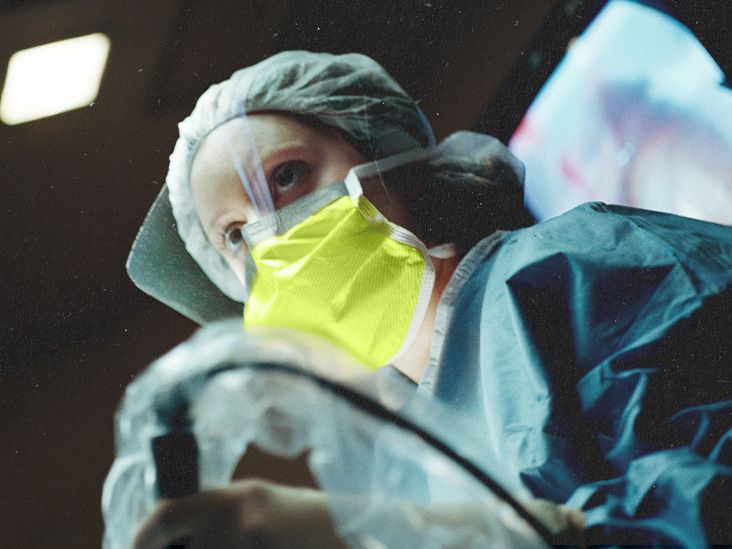
A nephrectomy is surgery to remove part or all of a kidney, most commonly because a tumor is suspected or confirmed to be cancerous. Hearing that you may lose part of an organor the entire organcan make your brain produce approximately 847 questions before breakfast. Fortunately, nephrectomy is a well-established kidney cancer treatment, and many people return to active, healthy lives after surgery.
The exact experience depends on the tumor’s size, location, stage, and biology, as well as your kidney function and overall health. Some people need only the tumor-bearing portion removed. Others require removal of the whole kidney and, occasionally, nearby tissue. Understanding these possibilities can make the process feel less like stepping into fog and more like following a clearly marked road.
Why Is a Nephrectomy Performed for Cancer?
Surgery is frequently used to treat renal cell carcinoma, the most common form of kidney cancer, particularly when the tumor appears confined to the kidney or nearby tissues. The main goal is to remove the cancer completely while preserving as much healthy kidney function as reasonably possible. For many localized kidney tumors, surgery may be the only treatment needed.
A nephrectomy may also be considered in selected people with more advanced cancer, but the decision is more complicated. When kidney cancer has spread to distant organs, systemic treatments such as immunotherapy or targeted therapy often play the leading role. Surgery may still help certain patientsfor example, by controlling bleeding, reducing pain, or removing a tumor after a favorable response to medicationbut it is not automatically the first step for everyone with metastatic disease.
Factors that shape the surgical plan
Doctors consider the tumor’s diameter, position within the kidney, involvement of blood vessels, nearby lymph nodes, suspected cancer stage, and whether there are tumors in one or both kidneys. They also evaluate estimated kidney function, age, heart and lung health, diabetes, high blood pressure, previous abdominal surgery, and the likelihood of future kidney disease. In other words, surgeons do not choose between partial and radical nephrectomy by flipping a medically licensed coin.
Partial Nephrectomy Versus Radical Nephrectomy
Partial nephrectomy
A partial nephrectomy, also known as kidney-sparing or nephron-sparing surgery, removes the tumor and a margin of surrounding tissue while leaving the rest of the kidney in place. It is often preferred for smaller, localized tumors when the procedure can remove the cancer safely. Preserving functioning kidney tissue may be especially valuable for people who have only one working kidney, tumors in both kidneys, reduced kidney function, or medical conditions that increase their risk of chronic kidney disease.
Partial nephrectomy can be technically demanding because the surgeon must remove the tumor, control bleeding, protect urine-collecting structures, and reconstruct the remaining kidney. Tumor location may matter as much as tumor size. A relatively small mass deep in the center of the kidney can be more difficult to remove safely than a somewhat larger tumor growing outward from its edge.
Radical nephrectomy
A radical nephrectomy removes the entire affected kidney. Depending on the tumor and what the surgeon finds, the operation may also involve surrounding fatty tissue, nearby lymph nodes, part of an involved blood vessel, or the adrenal gland above the kidney. Radical nephrectomy may be recommended when a tumor is large, centrally located, locally advanced, or too complex for kidney-sparing surgery.
Removing the whole kidney does not necessarily mean that the cancer is more dangerous, nor does having a partial nephrectomy guarantee an easy case. The procedure is selected according to anatomy, cancer control, kidney preservation, and surgical safety. Two patients with tumors of similar size may receive different recommendations because their tumors sit in very different neighborhoods.
What about a simple nephrectomy?
A simple nephrectomy removes the kidney without the broader tissue removal traditionally associated with a radical operation. It is more commonly used for severely damaged or nonfunctioning kidneys than for suspected invasive cancer. Cancer-related terminology can vary, so ask the surgeon exactly what structures are expected to be removed rather than relying on the procedure’s name alone.
How Is Kidney Cancer Surgery Performed?
Open surgery
During open nephrectomy, the surgeon operates through one larger incision in the abdomen or side. An open approach may provide the access needed for very large tumors, extensive scar tissue, major blood-vessel involvement, or complicated tumors that have grown into nearby structures. Recovery is often longer than it is after minimally invasive surgery, but open surgery may be the safest and most effective option in complex cases.
Laparoscopic and robotic surgery
Minimally invasive nephrectomy is performed through several small incisions using a camera and specialized instruments. During robotic-assisted surgery, the surgeon controls robotic instruments from a console; the robot does not make decisions, wander off for coffee, or perform the operation independently.
When performed by an experienced surgical team in an appropriate patient, laparoscopic or robotic nephrectomy can provide cancer outcomes comparable to open surgery while generally causing less postoperative pain, a shorter hospital stay, and a faster initial recovery. However, minimally invasive surgery may not be appropriate for every large, invasive, or anatomically complex tumor. Surgeon experience is particularly important for robotic or laparoscopic partial nephrectomy.
Preparing for a Nephrectomy
Before surgery, the care team usually reviews imaging studies, blood and urine tests, kidney function, medications, allergies, and relevant heart or lung conditions. Additional testing may be needed when a person has reduced kidney function, significant medical problems, or a tumor involving major blood vessels.
Review every medication and supplement
Tell the surgical team about prescription drugs, over-the-counter pain relievers, vitamins, herbs, and supplements. Blood thinners and certain other medications may require special instructions, but they should never be stopped without guidance from the prescribing clinician and surgical team. “Natural” supplements also count; nature has created both blueberries and poison ivy, so natural does not automatically mean harmless.
Prepare your home and support system
Arrange transportation, help with meals and errands, and assistance with children or pets. Place frequently used items where they can be reached without bending or stretching. Loose clothing, supportive pillows, simple meals, and a plan for preventing constipation can make the first week noticeably easier. Ask how long you may need to take off work, especially if your job involves lifting, driving, or physical labor.
Questions worth asking before surgery
- Why do you recommend a partial or radical nephrectomy for my tumor?
- Will the operation be open, laparoscopic, or robotic?
- How often does the surgeon perform this specific procedure?
- Might the adrenal gland, lymph nodes, or part of a blood vessel be removed?
- Could a planned partial nephrectomy become a radical nephrectomy?
- What is my kidney function now, and what change is expected afterward?
- How long might I remain in the hospital and away from work?
- Will I need treatment in addition to surgery?
What Happens Immediately After Surgery?
After the operation, patients are monitored in a recovery area while anesthesia wears off. Nurses check blood pressure, heart rate, oxygen level, urine output, pain, and the surgical site. A urinary catheter may temporarily drain the bladder, and some patients have a surgical drain near the incision. Compression devices around the legsessentially inflatable robot sockshelp maintain circulation while mobility is limited.
Pain control may involve oral medication, intravenous medication, a nerve block, or a patient-controlled device. Early walking, deep breathing, and gradually resuming food and fluids help reduce complications such as blood clots, pneumonia, constipation, and prolonged weakness. The medical team also checks blood tests to see how the remaining kidney tissue is functioning.
Nephrectomy Recovery: What to Expect at Home
Recovery varies according to the surgical approach, the amount of kidney removed, complications, age, physical condition, and the demands of daily life. Many patients gradually resume ordinary activities over several weeks, while open or especially complex surgery may require a longer recovery. A calendar estimate is useful, but your body has not signed a contract promising to follow it.
Pain, fatigue, and movement
Abdominal or side soreness, bruising, tightness, and fatigue are common. Shoulder discomfort can occur after laparoscopic surgery because the gas used to create working space in the abdomen may irritate the diaphragm. Short, frequent walks are generally encouraged, but strenuous exercise and heavy lifting remain restricted until the surgeon approves them.
Energy often improves unevenly. A person may feel impressively productive one morning and then need a long nap after taking a shower. That does not automatically indicate a setback. Recovery tends to arrive in waves rather than marching forward in a perfectly straight line.
Incision care
Keep the surgical area clean and follow the discharge instructions regarding dressings, showers, adhesive strips, staples, and bathing. Do not soak the incision in a bathtub, pool, or hot tub until the care team says it is safe. Mild bruising or limited redness can occur, but increasing warmth, drainage, swelling, or spreading redness should be reported.
Constipation and appetite
Anesthesia, reduced movement, dietary changes, and opioid pain medication can slow the intestines. Walking, appropriate fluid intake, fiber, and a clinician-approved stool softener may help. Contact the medical team if you cannot eat or drink, have persistent vomiting, or develop worsening abdominal swelling or pain.
Possible Risks and Complications
Nephrectomy is generally considered safe when performed for an appropriate reason, but it is major surgery. Potential complications include bleeding, infection, blood clots, pneumonia, reactions to anesthesia, injury to nearby organs, urine leakage after partial nephrectomy, hernia, and reduced kidney function. Rarely, severe kidney failure can occur, particularly when the remaining kidney is already impaired.
When to contact the surgical team
Follow the instructions provided by your own hospital. In general, urgent medical guidance is warranted for difficulty breathing, inability to urinate, uncontrolled pain, persistent vomiting, a swollen or increasingly painful abdomen, significant wound bleeding, pus-like drainage, spreading redness, or a fever at or above the threshold given in your discharge paperwork. Chest pain, fainting, severe shortness of breath, or signs of a major blood clot require emergency care.
Understanding the Pathology Report
The final pathology report may provide the cancer subtype, tumor size, grade, pathologic stage, lymph-node findings, and surgical margin status. A negative margin means no cancer cells were seen at the cut edge of the removed tissue. Pathologic staging can differ from the stage estimated before surgery because examining the removed tissue reveals details that imaging cannot always show.
Ask the surgeon or oncologist to explain the report in plain language. Useful questions include: Was the tumor completely removed? What subtype and grade was found? Were any aggressive features present? What is the estimated recurrence risk? Do I need to meet with a medical oncologist?
Is additional treatment necessary?
Many patients with localized kidney cancer need surveillance rather than immediate additional treatment. Selected people with clear-cell renal cell carcinoma and a higher risk of recurrence may be offered adjuvant pembrolizumab, an immunotherapy given after surgery. The potential benefits must be balanced against immune-related side effects, other health conditions, and the individual recurrence risk. It is not routinely appropriate for every person who has a nephrectomy.
Follow-Up After Kidney Cancer Surgery
Follow-up care may include physical examinations, blood pressure measurement, kidney function tests, urine tests, and imaging of the abdomen or chest. The schedule is individualized according to tumor stage, grade, subtype, margin status, lymph-node involvement, treatment history, and kidney function. Higher-risk cancers are generally monitored more closely than small, low-risk tumors.
Keep copies of the pathology report, operative report, imaging results, and medication list. These records can be extremely useful when changing doctors, seeking a second opinion, or receiving emergency treatment years later.
Can You Live Normally With One Kidney?
Most people can live full, active lives with one healthy kidney. The remaining kidney typically increases its workload and can provide enough filtration for the body’s needs. However, people with a solitary kidney may have an increased chance of high blood pressure, protein in the urine, or declining kidney function over time, so ongoing monitoring remains important.
Tests that help protect the remaining kidney
Monitoring commonly includes blood pressure, a blood test used to calculate estimated glomerular filtration rate, and a urine albumin test. These measurements can identify kidney stress before obvious symptoms appear. The frequency depends on the test results and individual risk factors.
Diet, hydration, and medications
A special “one-kidney diet” is not automatically necessary when kidney function is normal. General priorities include maintaining a healthy weight, avoiding smoking, limiting excessive sodium, staying appropriately hydrated, managing diabetes and blood pressure, and eating a balanced diet. People with reduced kidney function may need individualized guidance about protein, potassium, phosphorus, sodium, or fluids from a clinician or registered dietitian.
Discuss over-the-counter pain relievers with the healthcare team. Nonsteroidal anti-inflammatory drugs, including ibuprofen and naproxen, can affect kidney blood flow and may be inappropriate for some people with one kidney or reduced kidney function. Also tell every new clinician, pharmacist, and imaging center that you have had kidney surgery so medications and contrast studies can be planned appropriately.
Common Experiences After a Cancer-Related Nephrectomy
The following is an illustrative composite based on commonly reported recovery patterns and patient-care guidance. It does not describe one specific person, and individual experiences vary.
The first surprise: fatigue can outweigh pain
Many patients prepare themselves for dramatic pain and are surprised that fatigue becomes the more persistent challenge. Medication may keep incision pain manageable, but ordinary activities can temporarily feel like athletic events. Walking to the kitchen, showering, and getting dressed may use most of the morning’s energy. Planning one or two small goals per day can be more realistic than trying to “get back to normal” immediately.
Rest is essential, but remaining completely still is rarely the goal. Short walks around the room or hallway can support circulation, breathing, bowel function, and confidence. A useful rhythm is to walk briefly, rest, drink something if permitted, and repeat later. The objective is not to break a fitness record. Nobody hands out medals for reorganizing the garage five days after kidney surgery.
Getting out of bed becomes a technical skill
The abdominal and side muscles help with nearly every movement, which becomes extremely obvious after surgery. Rolling onto the side, lowering the legs, and pushing up with the arms may be more comfortable than sitting straight up. Holding a pillow against the incision when coughing, sneezing, or laughing can provide support. Humor remains healthy, although your incision may temporarily request fewer comedy specials.
People recovering from laparoscopic surgery may also notice shoulder pain or abdominal bloating. Because that discomfort is not located near the kidney, it can be confusing. The surgical team can explain whether it fits the expected effect of residual abdominal gas or requires evaluation.
Appetite and digestion may take their time
Some patients have little interest in food during the first several days. Small, simple meals may feel more manageable than a large dinner. Constipation can become a surprisingly dominant topic because anesthesia, pain medication, reduced activity, and dietary changes all contribute. Following the approved bowel plan early is generally easier than waiting until the intestines begin a formal protest.
Emotions do not always match the medical milestone
Friends and relatives may celebrate when the tumor is removed, while the patient still feels anxious, vulnerable, or emotionally flat. Relief and fear can exist together. Waiting for the pathology report is often difficult because surgery has finished, yet important questions remain unanswered. Writing down questions before the follow-up appointment can help prevent a blank mind when the clinician enters the room.
Scan anxiety may also appear before later imaging appointments. Some people find it useful to schedule an ordinary activity after the scan, avoid repeatedly searching symptoms online, and tell the care team when anxiety is affecting sleep or daily functioning. Counseling, cancer support groups, and survivorship programs are legitimate parts of treatmentnot decorative extras.
The “new normal” is usually built gradually
Recovery may involve learning to respect fatigue, monitoring kidney function, drinking sensibly, reviewing medications, and returning to exercise in stages. At first, the remaining kidney can feel like a priceless family heirloom that must be wrapped in bubble wrap. With medical guidance and time, most people develop a more balanced view: the kidney deserves protection and regular monitoring, but life does not need to shrink around it.
A successful recovery is not measured only by incision healing. It also includes understanding the pathology, attending follow-up appointments, protecting long-term kidney health, and rebuilding confidence in the body. Progress may be slow enough to be invisible from one day to the next, yet obvious when measured over several weeks.
Conclusion
A nephrectomy due to cancer can range from removal of a small kidney tumor to a complex operation involving the entire kidney and nearby structures. Partial nephrectomy preserves healthy tissue when cancer control and anatomy allow it, while radical nephrectomy may be safer for larger, central, or invasive tumors. The best surgical approach is the one that balances complete cancer removal, preservation of kidney function, and overall patient safety.
Recovery requires patience, gradual movement, careful incision care, and attention to warning signs. Afterward, pathology results guide decisions about surveillance and possible additional therapy. Most people with one healthy kidney can return to normal activities, but regular blood pressure, blood, and urine testing helps protect that kidney for the long term.
Medical note: This article provides general education and cannot replace advice from a urologic surgeon, medical oncologist, nephrologist, or other qualified healthcare professional. Treatment and recovery instructions should always be individualized.
Research note: The content was synthesized from current patient and professional information published by the National Cancer Institute, American Cancer Society, Mayo Clinic, Cleveland Clinic, Memorial Sloan Kettering Cancer Center, MD Anderson Cancer Center, Johns Hopkins Medicine, Urology Care Foundation, National Institute of Diabetes and Digestive and Kidney Diseases, National Kidney Foundation, MedlinePlus, and Kidney Cancer Association.