Melt maxxing, also spelled meltmaxxing or melt maxing, is one of those TikTok phrases that sounds like either a wellness routine, a cheese-based cooking technique, or something your laptop does five minutes before a deadline. In reality, it is a silly, ironic TikTok trend where people try to make their face look like it is “melting” on camerausually by tucking in their chin, making an exaggerated double-chin face, crossing their eyes, slouching dramatically, or using chaotic edits that parody serious self-improvement videos.
The trend became popular in 2025 as part of the bigger internet slang family of “maxxing,” a suffix that usually means optimizing or maximizing something. But unlike “looksmaxxing,” which is often tied to improving physical attractiveness, melt maxxing flips the whole idea upside down. Instead of trying to look sharper, hotter, richer, cleaner, or more mysterious, melt maxxing says: What if I looked like a marshmallow left on the dashboard in July?
That is the joke. Melt maxxing is not really about self-improvement. It is about anti-improvement. It is a meme that makes fun of how seriously the internet treats beauty, glow-ups, jawlines, “face cards,” and every other tiny detail people are told to optimize. It is TikTok looking in the mirror, making the worst possible face, and saying, “Actually, this is my final form.”
What Does Melt Maxxing Mean?
Melt maxxing means intentionally making yourself look “melted” or visually ridiculous for comedic effect. The “melt” part refers to the droopy, squished, distorted facial expression people create. The “maxxing” part borrows from internet slang that means pushing something to the maximum.
So, in plain American English, melt maxxing means “maximizing your melt.” It is not about actually melting, changing your face, or following a serious beauty routine. It is a meme format. People record themselves looking normal, then suddenly shift into a deeply unflattering pose or edit that makes their face appear to collapse downward. Think: triple chin, sleepy eyes, awkward angle, low lighting, and the confidence of a man who has accepted his destiny as a puddle.
The humor comes from contrast. TikTok is packed with highly polished transformation videos: perfect lighting, dramatic sound effects, slow-motion hair flips, and captions like “lock in” or “become your best self.” Melt maxxing borrows that same dramatic energy but uses it for the opposite result. Instead of “before and after,” it gives you “before and oh no.”
Where Did Melt Maxxing Come From?
Melt maxxing is widely associated with TikTok meme culture in 2025 and with creator-driven jokes that parodied the looksmaxxing community. Meme tracking sites and online explainers connect the trend to videos in which creators exaggerated their facial expressions by tucking their chins, making distorted faces, and editing the footage like a dramatic beauty transformation.
One of the names often linked to the trend is Cookie King, a TikTok personality whose “melt” style helped inspire others to copy the expression and format. From there, users began making their own versions with captions, reaction sounds, and mock-serious language. The trend spread because it was easy to replicate: no expensive products, no ring light required, no 17-step morning routine. Just a phone camera, a bad angle, and the willingness to sacrifice your dignity for the group chat.
By summer 2025, the phrase “meltmaxxing” was appearing in TikTok captions, Instagram reels, meme pages, teen slang explainers, and Reddit discussions. Like many TikTok trends, it did not spread through one official announcement. It traveled through imitation. Someone made the face. Someone else made a worse face. Then the algorithm put both of them in front of people who thought, “I can absolutely embarrass myself better than that.”
Why Is It Called “Maxxing”?
The suffix “maxxing” comes from internet culture and means trying to optimize or maximize a specific trait, skill, lifestyle habit, or aesthetic. The word is connected to gaming language like “min-maxing,” where players maximize certain strengths and minimize weaknesses. Over time, the term moved into online self-improvement spaces and then into mainstream social media slang.
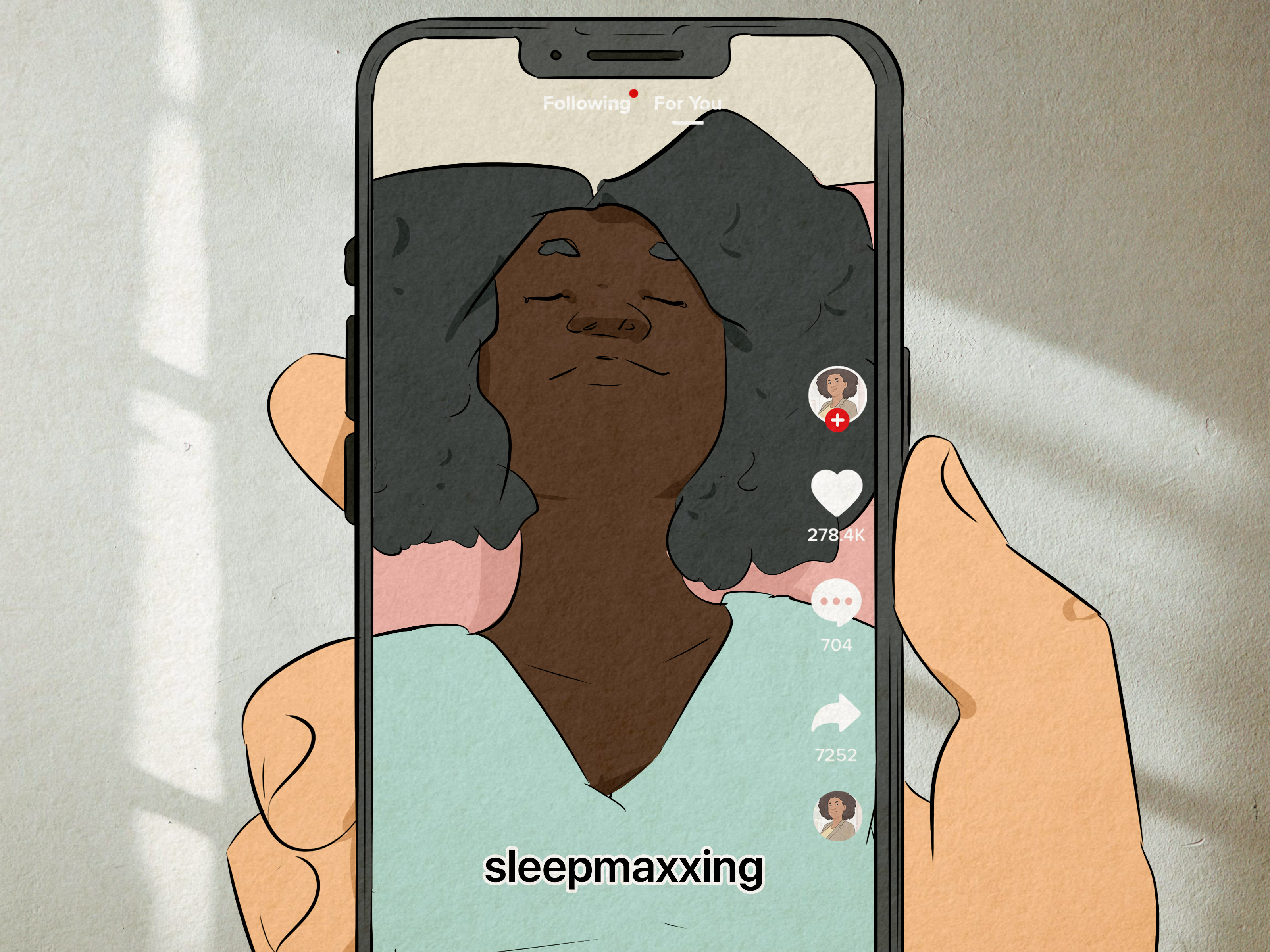
Some “maxxing” trends are straightforward. Sleepmaxxing is about trying to improve sleep. Smellmaxxing is about improving how you smell. Moneymaxxing is about improving finances. But other versions are more complicated, especially looksmaxxing, which focuses on maximizing physical attractiveness and has roots in online communities that can be intense, judgmental, or unhealthy.
Melt maxxing is different because it is mostly a parody. It borrows the language of optimization but applies it to looking hilariously worse. That makes the term funny. Nobody is truly trying to become the world’s most melted personat least, one hopes not. The joke is that the internet has become so obsessed with maximizing everything that even looking like a tired dumpling can be framed as a competitive lifestyle.
Melt Maxxing vs. Looksmaxxing: What’s the Difference?
To understand why melt maxxing caught on, you have to understand what it is reacting to. Looksmaxxing is an internet trend centered on improving appearance through grooming, skincare, fitness, posture, fashion, facial exercises, cosmetic procedures, or other strategies. Some versions are harmless, such as washing your face, getting a haircut, or dressing better. Other versions can drift into extreme territory, including unrealistic beauty standards, obsessive facial analysis, risky supplements, dangerous dieting, or even bizarre practices like “bone smashing.”
Melt maxxing makes fun of that seriousness. It takes the visual style of looksmaxxing editsdramatic cuts, intense captions, “before-and-after” logic, and language about “ascending”and turns it into a joke. Instead of sharpening the jawline, the goal is to delete the jawline. Instead of “hunter eyes,” it gives “I woke up from a four-hour nap and forgot what year it is” eyes.
The Serious Side Behind the Joke
Even though melt maxxing is mostly silly, it exists in a social media environment where appearance-based content can affect self-esteem. Teens and young adults are constantly exposed to beauty filters, ranking systems, glow-up videos, and “how to fix your face” content. Melt maxxing can be refreshing because it rejects perfection, but it can also become mean-spirited if users mock other people’s faces, bodies, disabilities, or natural features.
The best version of melt maxxing is self-aware and self-directed. It says, “I am making a goofy face because looking perfect online is exhausting.” The worst version says, “Let’s laugh at people who look different.” That distinction matters.
How the Melt Maxxing Trend Works on TikTok
A typical melt maxxing video follows a simple formula. First, the creator appears normal or even dramatic, as if preparing for a serious transformation. Then the camera angle drops, the chin tucks, the face squishes, the eyes go strange, and suddenly the person looks like they have spiritually become a melted candle. Add a distorted sound, a caption like “melt melt melt,” and a few exaggerated edits, and the trend is complete.
Some creators use the format as a reaction meme. For example, a video might show someone “meltmaxxing” after hearing bad news, seeing an awkward text, failing an exam, or realizing they forgot to submit an assignment. In that context, the melted face becomes a symbol for mental shutdown. It is the human version of a loading screen.
Others use it as a direct parody of “glow-up” culture. The video might begin like a dramatic beauty edit, only to end with the creator looking aggressively worse. That is the punchline: the internet expected a transformation into a model, and instead received a potato with Wi-Fi.
Why Did Melt Maxxing Go Viral?
Melt maxxing went viral because it checks several boxes that TikTok loves. It is visual, quick, easy to copy, and instantly understandable even if you have never heard the phrase before. You do not need a long explanation to understand that someone is making a ridiculous face on purpose.
1. It Is Easy to Recreate
The most successful TikTok trends are usually simple. Dancing requires rhythm. Makeup transformations require skill. Melt maxxing requires a bad angle and courage. That low barrier makes it perfect for teens, friend groups, meme accounts, and anyone bored enough to test the structural limits of their own chin.
2. It Mocks Perfection Culture
Social media can feel like a never-ending audition for attractiveness, success, and main-character lighting. Melt maxxing gives users a break from that pressure. It says, “What if the performance is being ugly on purpose?” That can feel liberating, especially for people tired of every post being polished, filtered, and optimized for approval.
3. It Uses Familiar Internet Language
The “maxxing” suffix was already everywhere. By attaching it to something absurd, the trend becomes funnier. The phrase sounds like a serious strategy, but the actual content is nonsense. That mismatch is classic meme fuel.
4. It Works as a Reaction
Melt maxxing is also flexible. It can mean embarrassment, defeat, boredom, burnout, social awkwardness, or pure brain rot. That makes it useful in captions and comments. Someone fails a test? Meltmaxxing. Someone opens their front camera by accident? Meltmaxxing. Someone reads their old texts from 2021? Severe meltmaxxing. Call a professional.
Is Melt Maxxing Harmful?
Most melt maxxing videos are harmless jokes. A person makes a weird face, laughs, posts it, and moves on. As far as internet trends go, this is much safer than anything involving questionable supplements, dangerous challenges, or financial advice from someone filming in a rented sports car.
However, context matters. Melt maxxing can become harmful if it encourages body shaming, humiliates someone without consent, or turns natural facial features into insults. It is one thing to make yourself look silly. It is another thing to compare someone else to a “melted” face because they do not match beauty standards.
Parents should not panic if they hear the term. It does not automatically mean a teen is involved in dangerous behavior. But it can be a useful conversation starter about internet humor, self-image, and the difference between laughing with people and laughing at people.
What Parents Should Know About Melt Maxxing
If your teen says “meltmaxxing,” they are probably talking about a goofy meme, not a secret underground ritual performed by people who worship mozzarella. Still, the trend sits near bigger conversations about TikTok, beauty pressure, and teen slang.
Adults can respond better by asking open questions instead of launching into a lecture. Try: “Is that a joke trend?” or “Show me one that you think is funny.” This gives teens room to explain the meme in their own language. It also lets parents see whether the content is playful, mean, or connected to more troubling appearance-based communities.
The goal is not to memorize every slang term. That is impossible. By the time you learn one, the internet has already invented six more and one of them is just a number. The better goal is to understand the pattern: many trends mix humor, identity, insecurity, and performance. Melt maxxing is silly, but it is also a small window into how young people cope with the pressure to be seen online.
What Creators and Brands Should Know
For creators, melt maxxing works best when it feels spontaneous and self-deprecating. It is not a trend that benefits from overproduction. If your “melt” video has a production budget, a storyboard, and three rounds of corporate approval, the melt has already left the building.
For brands, caution is wise. Some meme trends can be adapted for marketing, but melt maxxing is tied to youth humor, awkward faces, and anti-glam aesthetics. A snack brand, comedy account, or casual entertainment page might use it lightly. A luxury skincare company using melt maxxing to sell anti-aging serum? That is how you get roasted in 4K.
The safest approach is to use the trend only if it fits your voice. Do not force it. Internet users can smell forced slang from a mile away, and unfortunately for brands, they are smellmaxxing.
Examples of Melt Maxxing in Everyday Language
You might see the phrase used in captions or comments like these:
- “Me after opening the front camera by accident.”
- “Trying to study but accidentally meltmaxxing instead.”
- “He started melt maxxing mid-conversation.”
- “POV: You said one embarrassing thing in 2019 and remembered it at 2 a.m.”
- “Meltmaxxing because the Wi-Fi went out during the final boss fight.”
In most cases, the phrase means “looking ridiculous,” “mentally shutting down,” or “becoming visually unwell in a funny way.” It is less about literal appearance and more about mood. Melt maxxing is what happens when the soul buffers.
Experience Notes: What It Feels Like to Encounter Melt Maxxing Online
The first time someone sees a melt maxxing video, the reaction is usually confusion followed by reluctant laughter. It looks like a beauty transformation video went through a haunted printer. The creator may start with a blank stare, then suddenly fold their face into the least flattering angle known to modern camera technology. Your brain needs half a second to process it. Then you understand: the ugliness is the point.
For many viewers, that is why the trend feels oddly refreshing. Social media feeds are full of people trying to look flawless. Every photo is adjusted. Every routine is optimized. Every influencer seems to wake up with perfect skin, perfect lighting, and a smoothie that costs more than lunch. Melt maxxing interrupts that polished feed with a face that says, “No thanks, I choose goblin mode with extra gravity.”
There is also a social element. Teens and friend groups often use trends like this as shared language. A friend sends a terrible screenshot, and someone replies, “meltmaxxing.” A classmate makes a sleepy face during a group project, and the group chat knows exactly what to say. The term becomes less about the original TikTok trend and more about a feeling: embarrassment, exhaustion, boredom, or emotional collapse performed as comedy.
At the same time, melt maxxing can feel uncomfortable when the joke points outward. When people use “melted” as an insult toward someone else’s natural appearance, the humor loses its charm fast. The fun version is voluntary. The cruel version turns into body shaming with a trendy caption. That is the line creators should avoid.
In practice, the best melt maxxing posts are not really about ugliness. They are about control. The creator chooses to look ridiculous before anyone else can judge them. That self-directed silliness can be a tiny act of rebellion against beauty pressure. Instead of waiting for the internet to rate their face, they ruin the rating system by making the dumbest possible face on purpose.
That is also why the trend connects with the larger anti-perfection mood online. People are tired of being told to optimize everything: sleep, skin, money, productivity, dating, protein, posture, hair, wardrobe, even their “aura.” Melt maxxing answers that pressure with a joke. It says, “Fine, I optimized my ability to look like a melting scoop of vanilla ice cream. Are you happy now?”
Ultimately, encountering melt maxxing online is like watching the internet exhale through its nose. It is dumb, quick, absurd, and very aware of itself. It probably will not last forever; TikTok trends rarely do. But while it is here, it offers a surprisingly useful reminder: not every face has to be a face card, not every post has to be a glow-up, and sometimes the funniest thing you can do online is look deeply, confidently unserious.
Conclusion: Melt Maxxing Is TikTok’s Goofy Anti-Glow-Up
So, what does melt maxxing mean? It means making your face look intentionally melted, squished, or ridiculous for a TikTok joke. It grew out of the broader “maxxing” slang universe, especially as a parody of looksmaxxing and online self-optimization culture. While most melt maxxing content is harmless, it is best understood as both a meme and a reaction to the pressure of looking perfect online.
The trend is funny because it refuses to be aspirational. It does not sell a better jawline, a better morning routine, or a better version of you. It sells the temporary joy of being a human puddle for eight seconds. In an internet obsessed with optimization, that may be the most optimized joke of all.