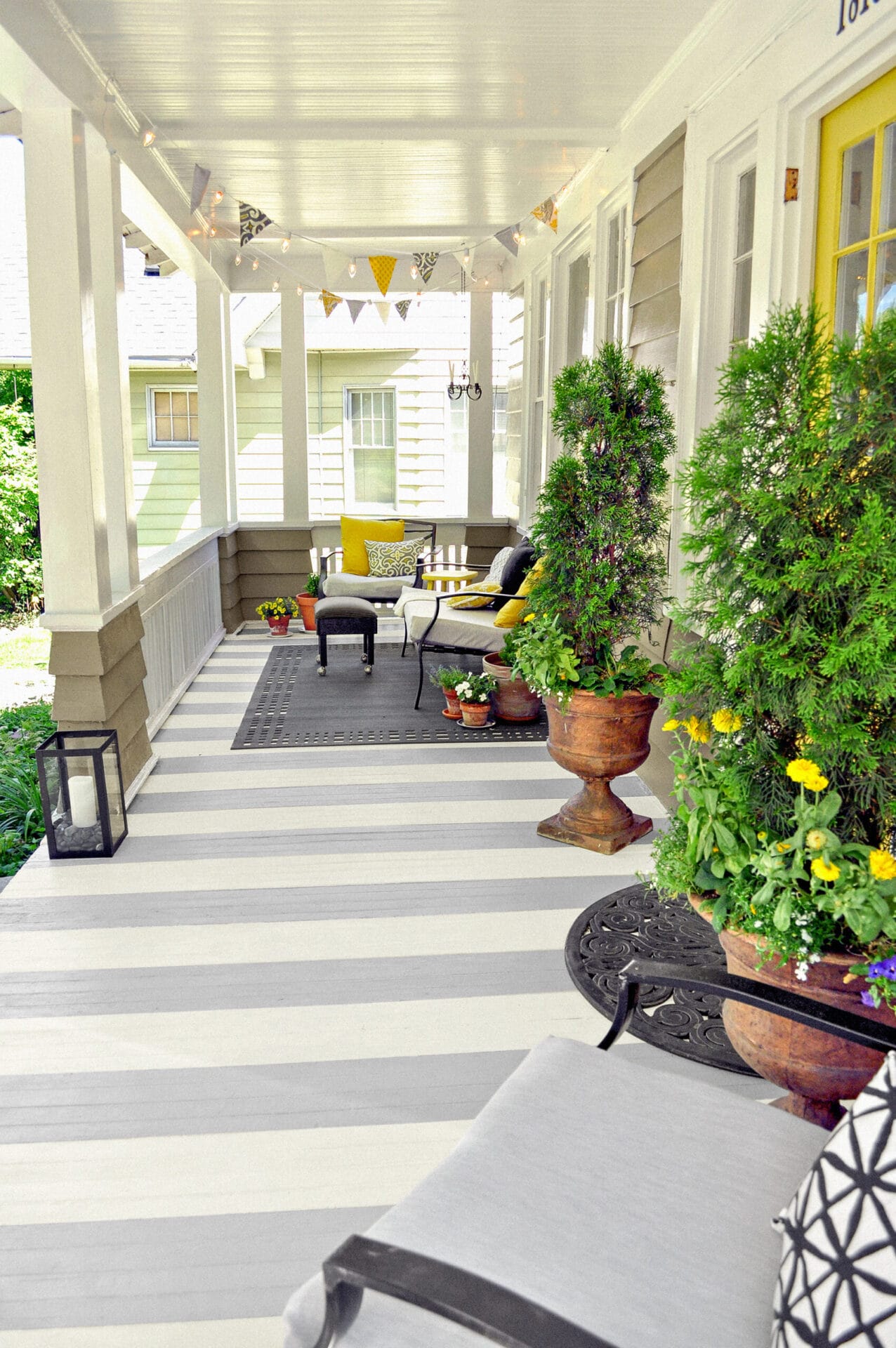
A welcoming front porch does not need a contractor, a lottery win, or a dramatic before-and-after video with suspiciously perfect lighting. Sometimes, all it takes is $286, one free weekend, a few smart design choices, and the willingness to admit that the old doormat has done its service to the nation.
Your front porch is the handshake of your home. It tells guests, delivery drivers, neighbors, and that one relative who “was just in the area” what kind of house they are approaching. A fresh, friendly porch says, “Come on in.” A cluttered porch with faded plastic flowers and a leaning chair says, “Proceed with caution.” The good news is that a front porch refresh is one of the most affordable ways to improve curb appeal, especially when you focus on cleaning, color, symmetry, plants, lighting, and practical decor.
This guide breaks down how to create a welcoming front porch for $286 without making it look like a clearance aisle exploded. The goal is not to buy more stuff. The goal is to make the entrance feel intentional, comfortable, and inviting. Think of it as giving your home a fresh haircut, a clean shirt, and a friendly smile.
Why the Front Porch Matters More Than You Think
A front porch is more than a place to drop muddy shoes or hold an abandoned watering can. It is a transition zone between the outside world and your home. Even a small porch can create a sense of arrival when it has a clear path, a clean entry, visible house numbers, flattering lighting, and a few well-chosen details.
Real estate professionals often talk about curb appeal because first impressions influence how people feel about a property. But curb appeal is not only for selling a house. It also affects how you feel when you come home. A neat, colorful, well-lit porch can make the end of a long day feel less like collapsing into survival mode and more like entering your personal refuge.
The secret is restraint. A welcoming front porch is not necessarily the porch with the most decorations. It is the porch where every item earns its place. A rug defines the space. A doormat says hello. Planters add life. Lighting makes evenings feel safe and warm. A wreath or door basket creates a focal point. A freshly painted door can do the emotional heavy lifting of an entire renovation crew.
The $286 Front Porch Budget Breakdown
Prices vary by retailer, region, season, and whether you shop new, secondhand, or from your own garage. Still, this sample budget shows how a thoughtful porch makeover can stay under $300 while looking polished.
Sample Shopping Plan
- Exterior cleaner and scrub brush: $15
- Front door paint, brush, and mini roller: $39
- Outdoor rug: $49
- Coir welcome mat: $16
- Two matching planters: $40
- Potting mix and mulch top-dress: $14
- Porch plants or seasonal flowers: $46
- Solar lanterns or warm outdoor lights: $22
- Wreath or door basket: $25
- Thrifted stool, small bench, or plant stand: $20
Total: $286
Note: This $286 plan is a realistic budget framework, not a rigid shopping list. If you already own planters, a chair, or a rug, spend the savings on better plants, upgraded hardware, or higher-quality exterior paint.
Step One: Clean Before You Decorate
Before buying anything pretty, clean what you already have. This is the least glamorous part of the project, which means it is also the part that makes the biggest difference. Dirt has a way of making even expensive decor look tired. A clean porch, on the other hand, can make budget-friendly pieces look intentional.
Sweep away leaves, cobwebs, pollen, and mystery debris. Wash the door, trim, floor, railings, and light fixtures. Clean the glass on windows or sidelights. If your porch floor is concrete, brick, wood, or composite decking, use a cleaner appropriate for the surface. A scrub brush and a bucket can work miracles. It is not glamorous, but neither is explaining to guests that the spider colony above the door is “seasonal decor.”
Decluttering is just as important as cleaning. Remove broken pots, faded wreaths, dead plants, random shoes, old packages, and anything that makes the entry look like a storage unit with a doorbell. If an item is not useful, beautiful, or alive, it should probably leave the porch.
Step Two: Paint the Front Door for Maximum Impact
If your front door is faded, scratched, or simply forgettable, paint is your budget’s best friend. A quart of exterior paint can dramatically change the mood of the porch. Classic black feels crisp and timeless. Deep navy adds polish. Soft green feels natural and calm. Warm red or cheerful yellow can work beautifully on the right house, especially when the surrounding colors are neutral.
Choose a color that complements your siding, trim, roof, and landscaping. The front door should stand out without shouting like it has had three coffees and no supervision. Test the color in daylight before committing. A shade that looks charming in the store can look surprisingly neon on a sunny porch.
For best results, clean and sand the door lightly, remove or tape around hardware, prime if needed, and apply thin coats. Do not paint in extreme heat, direct blazing sun, or damp weather. The door deserves better than being turned into a sticky science experiment.
Step Three: Layer a Rug and Doormat
One of the easiest ways to make a porch feel like an outdoor room is to add an outdoor rug. A rug anchors the entry, softens hard surfaces, and introduces pattern or color. Even a small 3-by-5 or 4-by-6 rug can make a basic porch look styled rather than forgotten.
Layering a coir doormat over a larger outdoor rug is a popular budget-friendly trick because it creates depth. A black-and-white stripe, simple check, natural jute-look pattern, or muted geometric design can work with many home styles. The doormat should be durable and practical, not just cute. After all, its main job is to catch dirt, not win a poetry contest.
When choosing a rug, look for outdoor-friendly materials that can handle moisture, sunlight, and regular cleaning. Avoid rugs that are too small for the area. A tiny rug floating alone in front of the door can look like a postage stamp that lost its envelope.
Step Four: Use Symmetry to Look More Expensive
Symmetry is the budget decorator’s secret weapon. Two matching planters flanking the door can instantly make a front porch look more polished. They do not need to be fancy. Simple black, terracotta, concrete-look, or woven-style planters can all work if they fit your home’s style.
The key is scale. Tiny pots can disappear beside a full-size door, while oversized planters can overwhelm a narrow porch. Aim for planters that feel substantial but do not block traffic. Visitors should not need to perform a sideways dance just to ring the doorbell.
If your porch is asymmetrical, you can still create balance. Place a taller planter on one side and a small stool or lantern grouping on the other. Balance does not always mean identical twins; sometimes it means cousins who get along at family dinner.
Step Five: Choose Plants That Can Survive Real Life
Plants bring movement, color, texture, and life to a front porch. They also expose the truth about your watering habits. Before buying flowers, pay attention to your porch conditions. Is it sunny, shady, windy, hot, or protected? Matching plants to the environment matters more than choosing the prettiest blooms at the garden center.
For sunny porches, consider geraniums, lantana, petunias, salvia, ornamental grasses, succulents, or compact evergreens. For shady porches, try ferns, caladiums, hostas, begonias, coleus, or impatiens. For low-maintenance structure, boxwood, dwarf Alberta spruce, or small evergreen shrubs can look good across multiple seasons.
To make budget plants look fuller, combine a “thriller, filler, spiller” formula. The thriller is the tall focal plant. The filler adds volume. The spiller trails over the edge. This creates a layered planter that looks custom without requiring a professional designer or a secret handshake.
Step Six: Add Lighting That Feels Warm, Not Harsh
Porch lighting has two jobs: safety and atmosphere. You want guests to see the steps, door, and house numbers. You also want the entry to feel warm rather than like a parking lot interrogation scene.
Solar lanterns, battery candles, warm LED bulbs, or simple outdoor string lights can improve the mood quickly. If you already have a porch light, clean the fixture and replace the bulb with a warm white option. A dusty light fixture can make a fresh porch feel unfinished, like wearing a nice outfit with one muddy shoe.
Place lanterns where they will not become tripping hazards. If you use string lights, keep them neat and secure. Loose, tangled cords can make even a beautiful porch look chaotic. Lighting should guide the eye, not create a nervous obstacle course.
Step Seven: Add One Door Accent
A wreath, basket, or simple door hanging gives the entry a focal point. It also helps the porch feel seasonal without requiring a full holiday production. Choose something that complements your door color and house style.
Greenery wreaths are versatile. Floral wreaths add color. A basket with faux or dried stems can feel relaxed and charming. If you live in a windy area, choose something secure and not too delicate. A wreath that flies into the neighbor’s yard is less “welcoming front porch” and more “decor with travel plans.”
Keep it simple. One strong door accent is usually better than a door covered in signs, bows, bells, and tiny objects all fighting for attention. Your front door is not a refrigerator.
Step Eight: Include a Place to Pause
If space allows, add a small bench, stool, chair, or plant stand. Seating makes a porch feel human. Even if nobody sits there for hours, it signals comfort. On a tiny porch, a small stool can hold a planter or package. On a larger porch, a bench with one outdoor pillow can create a welcoming moment.
Secondhand pieces are perfect for this budget. Look for sturdy wood, metal, or outdoor-safe materials. Avoid indoor furniture unless it is protected and you are willing to seal or paint it for exterior use. Rain is not kind to furniture that was born to live beside a sofa.
Scale matters here too. A giant rocking chair on a narrow porch may look cozy in theory but become annoying in daily life. Leave enough room for the door to swing, people to move, and packages to land without crushing your new plants.
Step Nine: Upgrade Small Details
Small details can quietly elevate the whole porch. Clean or replace house numbers if they are faded or hard to read. Polish or spray-paint tired hardware if it suits the material. Straighten the mailbox. Hide cords. Trim overgrown shrubs near the entry. Edge the walkway. These little fixes may not feel dramatic individually, but together they say, “Someone cares here.”
Good curb appeal is often about visual clarity. Can guests find the door easily? Is the path safe? Are the numbers visible? Is the porch clean and well lit? A beautiful porch that confuses people is not doing its job. The front entry should guide visitors like a friendly host, not a puzzle from an escape room.
Design Formula: The $286 Porch in One Weekend
Friday Evening: Plan and Prep
Measure the porch, door, and rug area. Decide on a color palette. Choose two or three main colors and repeat them. For example, black, cream, and green creates a classic look. Navy, white, and terracotta feels fresh and warm. Charcoal, wood tones, and soft yellow can look cheerful without going full lemonade stand.
Saturday Morning: Clean and Paint
Start with cleaning, decluttering, and sweeping. Paint the door if weather allows. Let it dry properly before adding decor. This is the part where patience saves you from fingerprint-shaped regrets.
Saturday Afternoon: Shop and Plant
Buy the rug, mat, planters, plants, lighting, and door accent. Plant containers using potting mix and a light mulch top-dress to help retain moisture and make the pots look finished.
Sunday: Style and Adjust
Place the rug first, then layer the doormat. Add planters, lighting, wreath, and stool or bench. Step back to the curb and look at the whole entry. Remove anything that feels crowded. The final edit is where the porch becomes stylish instead of merely “decorated.”
Common Mistakes to Avoid
Too Much Decor
More is not always more. Sometimes more is just more things to dust, move, and trip over. A welcoming porch needs breathing room. Let the door, rug, plants, and lighting do the work.
Ignoring Scale
Small items can look cluttered from the street. Larger, fewer pieces often look cleaner and more expensive. Two substantial planters beat seven tiny pots lined up like they are waiting for a bus.
Using the Wrong Plants
Sun plants in shade will sulk. Shade plants in full sun may dramatically faint. Read plant tags and choose varieties that match your porch conditions.
Skipping Maintenance
A porch refresh is not a one-time spell. Sweep regularly, water plants, shake out the mat, wipe the door, and replace anything that fades or breaks. Maintenance is the unglamorous cousin of good design, but it always shows up when needed.
How to Make the Porch Look More Expensive Than It Is
Use a tight color palette. Repeat materials. Choose planters in pairs. Hide plastic nursery pots inside decorative containers. Use warm lighting. Keep the floor clean. Choose one door accent instead of five. Add natural textures like wood, coir, woven baskets, greenery, or terracotta.
The most expensive-looking porches often have fewer items, better spacing, and a clear focal point. They do not look like someone bought every cute thing at the store. They look edited. Editing is free, which is excellent news for the $286 budget.
Seasonal Swaps Without Starting Over
Once the basic porch foundation is in place, seasonal decorating becomes easier and cheaper. Keep the rug, planters, lighting, and seating. Swap the wreath, plants, and pillow cover as the seasons change.
In spring, use fresh flowers, soft greens, and a bright wreath. In summer, choose heat-tolerant plants, citrus colors, and lightweight textiles. In fall, add mums, ornamental cabbage, pumpkins, and warm-toned accents. In winter, use evergreens, lanterns, berries, and a simple wreath. You do not need to rebuild the porch every season. You just need to change its outfit.
Experience Section: What a $286 Welcoming Front Porch Really Teaches You
The first lesson of a budget porch makeover is that cleaning is not optional. It is shocking how much better a porch can look after one hour with a broom, soap, and mild determination. Before any rug or planter goes down, the porch has to stop looking like it has been personally attacked by weather. Dirt dulls paint, pollen coats furniture, and cobwebs can make even a pretty door look like part of a haunted attraction. Once everything is clean, the space already feels halfway finished.
The second lesson is that measurements save money. A rug that is too small makes the porch look awkward. A planter that is too large blocks the door. A bench that looked “compact” online can become a wooden roadblock in real life. Measuring the door swing, walkway, step width, and usable floor area prevents expensive mistakes. It also keeps the porch functional, which matters because the entry still has to handle groceries, guests, kids, pets, and delivery boxes that arrive looking like they survived a wrestling match.
The third lesson is that plants are emotional purchases. At the garden center, everything looks beautiful. You suddenly believe you are the kind of person who will water hanging baskets twice a day and whisper encouragement to begonias. Reality may disagree. The best porch plants are the ones that match both the porch conditions and the homeowner’s habits. If watering is not your favorite hobby, choose tougher plants. If your porch gets shade, do not buy flowers that demand full sun. A healthy simple plant always looks better than a dramatic plant slowly giving up on life.
The fourth lesson is that color changes everything. Painting the front door can make the entire porch feel new. Even a subtle color shift gives the entry personality. A dark door can make light siding look crisp. A soft green door can connect the house to the landscape. A cheerful color can make a small porch feel friendly. The trick is to test before painting. Sunlight changes color, and exterior paint has a sense of humor. What looks like “calm blue” indoors may become “children’s toothpaste” outdoors.
The fifth lesson is that restraint is harder than shopping. When you are refreshing a porch, it is tempting to add signs, extra lanterns, cute figurines, seasonal banners, and three more pillows because they were on sale and emotionally persuasive. But the porch usually looks better when you remove one or two things. A clean rug, a good mat, two planters, warm lighting, and one door accent are enough. A welcoming entry does not need to explain itself in wooden signs.
The sixth lesson is that a porch is not only for guests. It changes the homeowner’s daily routine. Coming home to a clean, bright, pretty entrance feels good. It makes ordinary moments nicer: unlocking the door, watering plants, waving to a neighbor, sitting outside for five minutes with coffee, or watching the evening light hit the front steps. A $286 porch makeover will not solve every household problem, but it can make the house feel cared for. Sometimes that is exactly the kind of small victory a home needs.
Finally, the best experience from creating a welcoming front porch is realizing that good design is not about spending the most money. It is about making thoughtful choices. Clean what you have. Fix what looks tired. Add color where it counts. Use plants for life and texture. Light the entry warmly. Keep the path clear. Choose fewer, better details. When those pieces work together, a modest porch can feel polished, personal, and genuinely inviting. And yes, when someone compliments it, you are absolutely allowed to say, “Thanks, I did it for $286,” with just the right amount of smugness.
Conclusion
A welcoming front porch for $286 is completely achievable when you focus on high-impact updates instead of expensive renovations. Clean first, paint strategically, layer a rug and mat, use matching planters, choose realistic plants, add warm lighting, and finish with one strong door accent. The result is a porch that feels fresh, friendly, and thoughtfully designed without draining your bank account.
The best front porch makeovers are not about copying a showroom. They are about making your entrance feel like your home. With a little planning and a practical budget, your porch can greet people before you even open the door. That is curb appeal with manners.