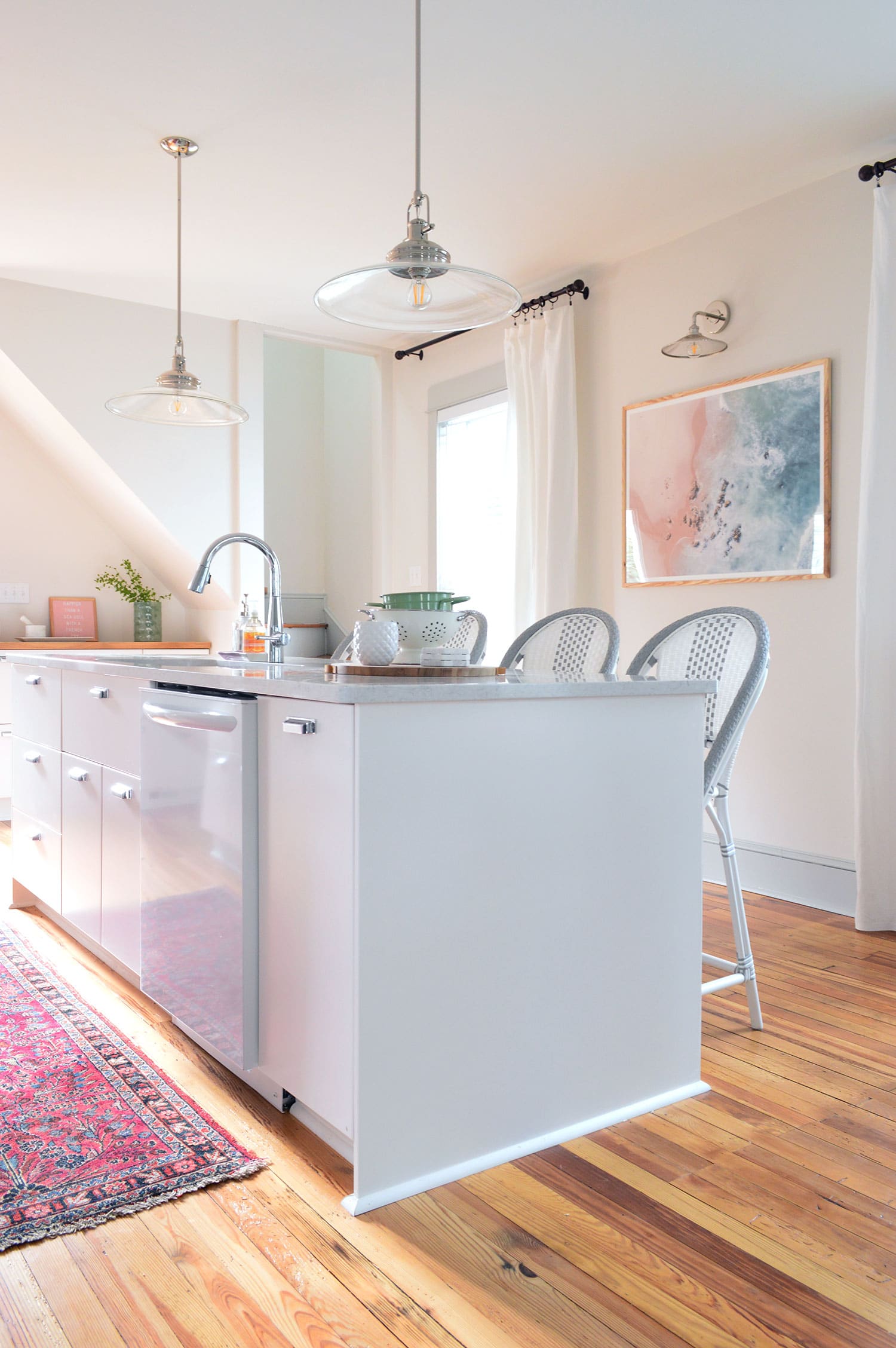
Welcome to the kind of beach house update that does not scream, “I bought every shell-themed object within a 20-mile radius.” This tour is about a smarter, fresher, more lived-in coastal home: one that looks beautiful in photos, feels even better in person, and does not fall apart the moment a wet towel, sandy foot, or salty breeze enters the chat. In other words, this is beach-house style for real people, not decorative mermaids with unlimited budgets.
The new mood in coastal design is less kitschy souvenir shop and more calm, layered, sun-washed comfort. Think warm whites instead of blinding whites, textured neutrals instead of endless navy stripes, natural woods instead of overly distressed furniture pretending to have survived three shipwrecks, and durable materials that can handle humidity, sun, sand, and actual life. That is exactly what makes this updated beach house tour so satisfying: every room feels relaxed, but none of it feels lazy.
The First Impression: Breezy, Bright, and Finally Grown Up
From the curb, the house sets the tone immediately. The exterior feels lighter and cleaner, with a palette that nods to the coast without turning into a postcard. Soft white siding, pale sandy trim, weather-friendly hardware, and a front door in a muted ocean-inspired tone create that “welcome in, kick off your shoes, stay awhile” mood. The landscaping is deliberately unfussy, with hardy greenery, gravel or shell-inspired ground texture, and pathways that can handle sandy traffic without becoming a muddy mess.
That first impression matters because a beach house should feel easy before you even touch the doorknob. Updated coastal homes work best when they blur the line between polished and practical. So instead of delicate finishes that panic in humid weather, this house leans into smarter choices: wipeable surfaces, durable outdoor accents, and a layout that keeps the flow open from entry to living spaces. The result is casual, but not careless.
The Living Room: Coastal Without the Clichés
A softer color palette
The living room is where the update really earns its applause. Rather than relying on loud nautical tropes, the design draws from the landscape itself. Sand, driftwood, sea glass, cloudy sky, sun-bleached linenthose are the real stars here. Creamy upholstery, pale oak or limed wood, woven textures, and a few sea-toned accents create a room that feels coastal in a subtle, expensive-looking way. It is less “captain’s quarters,” more “I read one chapter here and accidentally took a two-hour nap.”
Texture does the heavy lifting
What keeps the room from feeling flat is texture. Slipcovered seating, woven baskets, grasscloth or light wood elements, chunky throws, and natural fiber rugs make the space feel layered and comfortable. In beach-house design, texture is magic. It adds warmth without clutter and character without chaos. A good coastal living room should look like it can handle both sunset cocktails and a kid running through with a melting popsicle. This one absolutely can.
The furniture arrangement also reflects one of the smartest updates in modern beach house design: conversation comes first. Seating faces each other as much as it faces the view. Yes, the ocean deserves a standing ovation, but a great room also needs to work on rainy mornings, during family game night, and when half the guests are discussing dinner while the other half are pretending they will definitely watch the sunrise tomorrow.
The Kitchen and Dining Area: Where Pretty Meets Practical
The kitchen in an updated beach house should never feel stiff. This one does exactly what a great coastal kitchen should do: it looks crisp, functions hard, and invites people to gather. The cabinetry stays light but not sterile, often in creamy white, pale gray-green, or soft taupe. The counters are chosen for durability as much as beauty, and the finishes avoid being too shiny or too precious. Beach-house living comes with moisture, snacks, drinks, sunscreen bottles, and the occasional watermelon emergency. Your surfaces need to be emotionally prepared.
Open shelving, if used at all, is edited carefully. This is not the place for a hundred tiny themed objects collecting salt and dust. Instead, the styling stays simple: stacked dishes, glassware, maybe a ceramic bowl, maybe a pretty cutting board, maybe one vase making a convincing case for restraint. The update feels more luxurious because it avoids visual shouting.
In the dining space, the furniture tends to be sturdy, welcoming, and impossible to intimidate. A wood table with character, easy-clean chairs, layered lighting, and a view toward the outdoors create the right balance. The room says, “We host often,” not, “Please do not breathe near the table.” That distinction is the entire personality of a successful beach house.
Bedrooms That Feel Like Exhaling
The bedrooms in this updated tour are calmer than the main living spaces, and wisely so. A beach bedroom should feel like the reward for spending all day in the sun. The best ones avoid overdecorating and instead rely on breathable fabrics, layered neutrals, and just enough color to keep things interesting. Washed blues, clay pinks, seafoam hints, soft tans, and warm whites are all more effective than an aggressive “ocean theme.” No one sleeps better because there is a giant anchor above the bed.
Bedding is where the comfort factor climbs fast. Linen, cotton, quilted layers, and lightweight throws make the room feel vacation-worthy without looking staged. Storage is discreet but important, especially in a beach house where people arrive with hats, sandals, tote bags, books, swimsuits, and approximately seventeen things that somehow produce sand. Built-ins, benches, nightstands with drawers, and good closets keep the room serene instead of turning it into a luggage convention.
Window treatments matter here too. Bedrooms near the coast benefit from privacy, light control, and materials that can handle humidity. The updated version of coastal style favors clean-lined shades, shutters, or simple drapery in washable fabrics. The vibe is relaxed, not fussy. You want to hear the waves, not wrestle with complicated curtains at 6:12 in the morning.
Bathrooms That Actually Understand Beach Life
If any room in a beach house must earn its keep, it is the bathroom. Between humidity, damp towels, sandy feet, and guests who insist they “got most of the salt off outside,” the bathroom is a full-time employee. This tour gets it right with moisture-friendly finishes, easy-to-clean surfaces, smart ventilation, and a look that still feels elevated. Porcelain tile, durable counters, simple fixtures, and practical storage all do their job without needing applause. Though frankly, they deserve some.
The design is especially effective because it does not confuse beachy with fragile. There may be subtle coastal cues in color or texture, but the real luxury is function: plenty of hooks, surfaces that dry quickly, storage for extras, and natural light paired with privacy. If there is a powder room, it may be the one place where the house allows itself a little flirtationperhaps a bold wallpaper, a playful mirror, or an unexpected finish. Every beach house needs at least one room that says, “Yes, I do know how to have fun.”
Outdoor Spaces That Work as Hard as the Indoors
No updated beach house tour is complete without the outdoor zones, and this is where the home really stretches out. The deck, porch, patio, or poolside area is not treated like an afterthought. It is furnished like an actual living space, with seating that can handle weather, fabrics that can stand up to sun and moisture, and rugs or surfaces that are easy to clean. The best outdoor design feels inviting enough for morning coffee, comfortable enough for afternoon reading, and durable enough for a crowd drifting in from the beach with towels over their shoulders.
An outdoor shower, even a modest one, deserves celebrity status here. It is not just charming. It is practical genius. So is a landing zone for towels, beach bags, flip-flops, and all the little things that usually migrate indoors when nobody is paying attention. Updated beach houses shine when they plan for the mess instead of pretending it will not happen.
Lighting matters outside too. Soft sconces, lantern-style fixtures, pathway lighting, and a dining setup that glows at dusk turn the exterior into usable square footage instead of decorative darkness. The best coastal homes understand that evening is part of the show.
The Real Secret to the Update: Smarter Materials
What makes this beach house truly updated is not just the decorating. It is the material intelligence behind the scenes. Coastal homes benefit from finishes and fixtures that stand up to moisture, salt air, UV exposure, and heavy use. That means corrosion-resistant hardware, better ventilation, washable textiles, low-maintenance flooring in wet areas, and windows or doors chosen for both comfort and resilience. None of that sounds glamorous until you realize it is the reason the house still looks gorgeous after a season of real living.
It also helps that current coastal design has moved away from obvious motifs and toward a more architectural, grounded look. Instead of filling the home with literal beach symbols, the update captures the feeling of the coast through light, airiness, texture, and connection to the outdoors. That is what gives the house staying power. Trends come and go. A room that feels fresh, functional, and genuinely livable will always win.
Why This Updated Beach House Tour Works So Well
At the end of the walkthrough, the biggest takeaway is simple: this house is edited. Not empty. Not cold. Edited. Every room has enough personality to feel memorable and enough practicality to feel believable. The house does not overperform. It does not drown itself in theme. It trusts beautiful materials, good light, comfortable furniture, and thoughtful planning to do the job.
That is why this updated beach house feels modern. It knows coastal style is not about collecting obvious references to the ocean. It is about creating a home that feels breezy, grounded, durable, and easy to love. The best beach houses are not trying to cosplay as beach houses. They are simply designed to live beautifully by the water.
The Experience: What Living in This Updated Beach House Actually Feels Like
Walk into this house early in the morning and the whole place feels different from a standard home. The light arrives first. It slides across the floors, catches the texture in the rugs, softens the upholstery, and turns even a simple cup of coffee into a little event. There is something about a beach house that makes people move slower in the best possible way. Nobody stomps. Nobody slams a laptop shut like they are ending a courtroom drama. Even routine thingsmaking toast, opening a window, watering a plantfeel slightly more cinematic here. Maybe it is the salt air. Maybe it is the view. Maybe it is just the fact that a room designed well can change your whole mood before breakfast.
By midday, the house proves it is more than pretty. This is when real beach-house life shows up with sandy feet, damp swimsuits, cold drinks sweating onto tabletops, and someone loudly asking where the extra towels are. In a badly designed coastal home, that is the moment things start to feel chaotic. In this one, the layout absorbs it. The entry catches the clutter. The bathroom can handle the moisture. The kitchen keeps hosting without drama. The living room still looks pulled together even when everyone has clearly been living in it, which is the highest compliment you can pay a house. Beauty that survives normal use is not basic. It is elite.
Afternoons here have their own personality. The bedrooms become cool little retreats for naps, reading, or pretending to read while actually scrolling. The outdoor spaces turn into rotating zones of activity: one person in a lounge chair, one person hovering near the grill like they personally invented dinner, one kid dripping across the patio despite several reminders about the outdoor shower. The updated design makes all of that easier. The fabrics dry faster. The furniture is less precious. The surfaces wipe clean. There is a quiet confidence to a home built for use instead of display. It feels generous. It feels calm. It feels like the house is on your side.
Evenings may be the best part. The light lowers, lamps begin to glow, the dining table gets louder, and the whole house shifts from bright and breezy to warm and intimate. This is when the layered textures really come alive. The woven pendants feel softer. The wood tones deepen. Linen throws get pulled into service. Somebody puts music on. Somebody else opens another bottle of something chilled. The house never stops being coastal, but at night it becomes less about the beach view and more about atmosphere. That balance is important. A great beach house should not be beautiful only because of what is outside. It should still feel special when the curtains are closed and the windows are reflecting candlelight instead of waves.
And then there is the small magic of the next morning, when the house still looks good. That is the part nobody talks about enough. The best updated beach house is not just photogenic on day one. It is resilient on day five. It handles humidity, traffic, sun, mess, guests, weather, and real schedules without losing its charm. It keeps offering comfort instead of demanding maintenance. That is why tours like this resonate. They are not just about design inspiration. They are about possibility. They suggest you can have a home that feels stylish and relaxed, polished and practical, coastal and currentall at once. And honestly, in a world full of overdecorated rooms and underperforming furniture, that feels like its own kind of luxury.