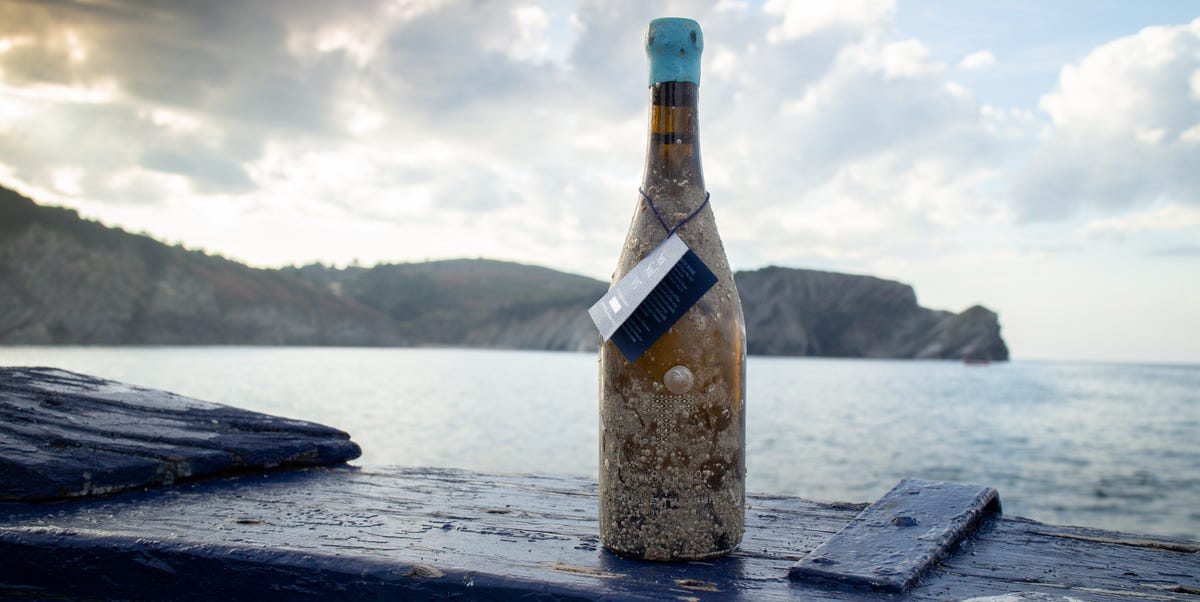
Some wines age in oak barrels. Some mature in cool stone cellars. And then there are the show-offs: bottles that slip into the sea like tiny glass submarines and come back wearing shells, coral, and the smug expression of someone who just spent a year at an exclusive underwater spa.
Undersea aging for wine, also called underwater wine aging, ocean aging, sea cellaring, or “aquaoir,” is one of the most fascinating experiments in modern winemaking. The idea is simple enough to sound like a dare: place sealed wine bottles beneath the surface of the sea, let them rest in cold, dark, pressurized conditions, then compare them with the same wine aged in a traditional cellar. The result? Sometimes smoother tannins. Sometimes brighter freshness. Sometimes a bottle that tastes like a conversation between science, saltwater, and marketing genius.
But undersea wine aging is not just a gimmick for people who think regular wine storage is too dry, too flat, or not nearly dramatic enough. It sits at the intersection of chemistry, luxury branding, environmental regulation, wine tourism, and a surprisingly romantic question: can the ocean become a cellar?
What Is Undersea Aging for Wine?
Undersea aging for wine is the practice of storing finished, sealed bottles of wine underwater for a period of time, usually several months to a few years. The wine is not fermented in the ocean, and it is not supposed to touch seawater. Instead, the bottle acts as a closed aging vessel while the surrounding marine environment provides a unique set of storage conditions.
Producers who experiment with underwater wine aging usually point to five key factors: stable cold temperature, darkness, water pressure, gentle movement, and limited oxygen exposure. These conditions are thought to influence how wine evolves in bottle. In traditional cellars, winemakers work hard to control temperature, humidity, light, and vibration. Under the sea, nature provides many of those elements for freealthough “free” is a generous word when divers, permits, cages, boats, safety systems, and insurance are involved.
The romantic version says the ocean gently polishes wine into something more elegant. The skeptical version says the ocean gives wine an expensive vacation and a great backstory. The truth, as usual, is more interesting than either side.
How the Trend Began: From Shipwrecks to Luxury Cellars
The modern fascination with undersea aging was partly inspired by bottles recovered from shipwrecks. One of the most famous discoveries happened in 2010 near Finland’s Åland archipelago, where divers found 168 bottles of Champagne in a shipwreck. Some of the bottles were later identified as coming from historic Champagne houses. The remarkable condition of the wine sparked global curiosity. If bottles could survive for more than a century in the cold Baltic Sea, what might happen if winemakers intentionally used the ocean as a cellar?
That question led to controlled experiments. Veuve Clicquot launched a long-term “Cellar in the Sea” project, placing Champagne bottles in the Baltic to study how they evolve compared with bottles stored in traditional chalk cellars. The goal was not simply to make a flashy limited edition, but to observe how pressure, temperature, and darkness change the aging path of sparkling wine over decades.
Other producers followed different paths. Bodega Crusoe Treasure in Spain built a business around underwater cellaring in the Bay of Plentzia. Edivo Vina in Croatia became famous for aging bottles and amphorae under the Adriatic Sea, creating bottles covered in shells and marine growth that look less like retail products and more like treasure pulled from a pirate movie. In Norway, an experiment placed sparkling wine in the cold sea near the Arctic Circle. In Argentina, Portugal, France, Italy, and other regions, winemakers have tested whether the sea can add texture, freshness, or complexity.
The Science: What Might the Ocean Do to Wine?
Stable Temperature
Wine hates dramatic temperature swings. Heat can accelerate aging too aggressively, while frequent changes can stress the wine and the closure. Underwater environments, especially at depth, often provide relatively stable, cool temperatures. That stability can help wine mature slowly and evenly. For sparkling wine, cool temperatures may help preserve freshness and delicate bubbles.
Darkness
Light can damage wine, especially delicate white wines, rosé, and sparkling wines. Underwater cellars are naturally dark, and darkness helps protect wine from light strike, oxidation, and unwanted aromatic changes. The sea, in this sense, acts like a cellar with excellent blackout curtains.
Pressure
Pressure is one of the most debated factors in undersea wine aging. As bottles descend, the outside pressure increases. Some supporters believe this pressure may affect oxygen exchange through the cork or closure, slowing oxidation and changing how phenolic compounds evolve. In sparkling wine, pressure is already part of the bottle’s internal world, so the relationship between internal and external pressure becomes especially interesting.
Motion
Waves, tides, and underwater currents can gently move bottles. Some producers compare this to the soft stirring of lees or the subtle agitation that might influence texture. However, motion can also be unpredictable. The sea does not always behave like a careful cellar master. Sometimes it behaves like a toddler with a snow globe.
Oxygen and Phenolic Evolution
Recent scientific studies suggest that underwater aging can influence phenolic compounds, color stability, anthocyanins, and sensory perception. Some research comparing underwater-aged wines with cellar-aged wines found differences in chemical composition and taste perception, while also noting that basic wine parameters may not change dramatically. In plain English: underwater aging may not magically turn an ordinary wine into liquid poetry, but it can alter the way certain wines develop.
Does Undersea Aging Make Wine Taste Better?
This is the million-dollar question, or at least the $300 barnacle-covered bottle question.
Reports from tastings vary. Some tasters describe underwater-aged wines as fresher, more mineral, more integrated, or smoother in texture. Red wines may show softer tannins or a rounder mouthfeel. Sparkling wines may retain brightness while showing subtle salinity or tension. In comparisons of sea-aged Champagne and traditionally cellar-aged Champagne, tasters have noticed differences in aroma, freshness, fruit character, and bubble texture.
But “different” does not always mean “better.” Wine preference is personal. A collector who loves mature tertiary notestoast, dried fruit, nuts, leather, spicemay prefer traditional cellar aging. Someone who values freshness and tension may find underwater-aged wine exciting. The sea can influence wine, but it does not replace vineyard quality, winemaking skill, grape variety, bottle closure, or time.
Think of undersea aging like jazz. In the right hands, it adds rhythm and surprise. In the wrong hands, it is just expensive noise with a saxophone.
Famous Examples of Underwater Wine Aging
Veuve Clicquot and the Baltic Sea
After the discovery of historic Champagne bottles in the Baltic, Veuve Clicquot created a long-term sea-aging experiment. Bottles and magnums were placed underwater to compare their development with Champagne stored in traditional chalk cellars. Early tastings have suggested that sea-cellared bottles may show freshness, different aromatic profiles, and a distinct aging rhythm.
Edivo Vina in Croatia
Edivo Vina ages wine in the Adriatic Sea, including bottles stored in amphorae. The winery’s underwater bottles often emerge covered in shells and coral-like marine life, making them visually unforgettable. Their process includes careful sealing to prevent seawater contamination and storage periods that can reach well over a year.
Bodega Crusoe Treasure in Spain
Crusoe Treasure is one of the best-known underwater wineries in the world. Located in the Bay of Plentzia in Spain’s Basque Country, it combines wine aging with an artificial reef concept. Its underwater cellar is promoted not only as a wine experiment but also as a marine environment project.
Mira Winery and “Aquaoir”
In the United States, Mira Winery drew attention by experimenting with aging Napa Cabernet Sauvignon under the water near Charleston, South Carolina. The winery used the term “aquaoir” to describe the impact of water on wine aging, much like terroir describes the influence of place on grapes. The experiment helped popularize the conversation, though U.S. regulators later raised serious concerns about commercial underwater wine aging in ocean waters.
The Legal Problem: Why Undersea Wine Aging Is Complicated in the U.S.
In the United States, undersea aging for wine faces major regulatory obstacles. The Alcohol and Tobacco Tax and Trade Bureau, after consultation with the Food and Drug Administration, issued guidance warning that wine aged with bottle seals in contact with ocean water may be considered adulterated. The concern is not that the ocean is poetic. The concern is that the ocean contains things you do not want in your glass: fuel residue, heavy metals, biological waste, plastics, pesticides, bacteria, and other contaminants.
Pressure changes can also stress corks and seals. If a bottle “breathes” under pressure, even slightly, seawater could enter. Wax may delay seepage, but regulators have not accepted it as proof of complete protection. Marine growth on closures may also create contamination risks when the bottle is opened.
This does not mean every underwater-aged wine is unsafe. It means safety must be proven, permits matter, and producers cannot simply drop cases into coastal waters and start selling “mermaid Merlot.” A California company learned that lesson the hard way when thousands of illegally ocean-aged bottles were destroyed after regulators determined the operation lacked proper permits and the wine was not fit for sale.
Environmental Concerns: Romantic Cellar or Ocean Litter?
Underwater wine aging sounds beautiful until you remember the ocean is not a storage locker. Any serious producer must address environmental impact. Cages, bottles, anchors, labels, capsules, and closures must not damage habitats or become debris. Operations need safe retrieval systems, marine permits, and monitoring.
Some producers try to turn the process into an environmental benefit by designing underwater structures that act as artificial reefs. That idea is promising, but it must be handled carefully. A reef is not automatically good because a marketing department says so. Marine environments are complex, and introducing structures requires scientific oversight.
The best undersea wine projects treat the ocean as a partner, not a prop. The worst treat it like a luxury-themed basement. Consumers should know the difference.
Which Wines Work Best for Undersea Aging?
Not every wine is a good candidate for underwater aging. Structured red wines, sparkling wines, and wines with strong acidity often receive the most attention. Cabernet Sauvignon, Merlot, Sangiovese, Syrah, Champagne, traditional-method sparkling wine, and certain coastal whites may have enough structure to show meaningful differences after time underwater.
Fragile wines may not benefit. Cheap wines will not suddenly become profound because a crab looked at them for six months. A flawed wine remains flawed. The sea may influence aging, but it does not rewrite the wine’s origin story.
Producers also need high-quality closures. Cork, wax, capsule materials, bottle pressure, and sealing methods all matter. If the closure fails, the experiment becomes less “innovative cellar” and more “salty disappointment.”
Undersea Aging vs. Traditional Cellaring
Traditional cellaring remains the gold standard because it is controllable, legal, scalable, and well understood. A good cellar offers stable temperature, humidity, darkness, and stillness. Undersea aging adds pressure, motion, marine darkness, and novelty, but it also adds risk and cost.
Traditional cellars are easier to monitor. You can walk into them without a wetsuit. You can check temperature without hiring a dive team. You can retrieve a case without consulting tide charts. For most wines and collectors, land-based cellaring is still the sensible choice.
Undersea aging is best understood as an experimental niche, not a universal upgrade. It is a new variable in the winemaker’s toolkit. Sometimes it may create fascinating results. Sometimes it may mostly create a bottle that looks incredible on Instagram.
Why Consumers Love the Idea
Wine has always been about more than chemistry. It is story, place, patience, ritual, and occasionally pretending you smell “wet stone” because everyone else at the table nodded first. Undersea aging adds a powerful story. A bottle that spent a year beneath the sea feels rare before it is even opened.
The visual drama matters. Bottles recovered from underwater cellars can be covered in shells, sand, and marine texture. They look ancient even when they are young. For collectors, restaurants, and wine tourists, that presentation is irresistible.
There is also the adventure factor. Visiting an underwater winery, diving near submerged bottles, or tasting a sea-aged wine creates an experience that ordinary cellar doors cannot match. It turns wine into a journey.
Is Undersea Aging the Future of Wine?
Undersea aging will probably not replace traditional cellars. The logistics are too complicated, the regulations too strict, and the costs too high. But as a premium niche, it has a real future. Scientific research is growing, producers are refining techniques, and consumers remain curious.
The most credible future for underwater wine aging will depend on transparency. Producers should explain where the wine was aged, how long it stayed underwater, what depth was used, how bottles were sealed, what permits were obtained, and whether laboratory testing confirmed safety. Without that information, “aged under the sea” can sound less like craftsmanship and more like a suspicious vacation story.
Done responsibly, undersea aging can be a legitimate exploration of how environment shapes wine. Done carelessly, it becomes a regulatory problem with bubbles.
Buying Underwater-Aged Wine: What to Look For
If you are curious about buying an underwater-aged wine, start with producer credibility. Look for wineries with documented processes, legal permissions, safety testing, and a clear explanation of their aging method. Avoid vague claims like “the ocean made it better” unless they are backed by details.
Check whether the bottle is meant for drinking or display. Some sea-aged bottles are sold partly as collector objects because of their dramatic exterior. If marine growth remains on the bottle, make sure opening and handling instructions are clear. A beautiful bottle should not introduce grit, debris, or mystery organisms into your evening.
Finally, manage expectations. Undersea-aged wine can be fascinating, but it is not automatically superior to cellar-aged wine. Buy it for curiosity, experience, and conversation. If it also tastes wonderful, congratulations: Poseidon has smiled upon your glass.
Extra Experience: What It Feels Like to Taste Undersea-Aged Wine
Tasting undersea-aged wine is different before the cork even moves. A normal bottle arrives clean, labeled, and polite. An undersea-aged bottle arrives like it has survived a minor shipwreck and wants to tell you about it. There may be crusted texture on the outside, a faint memory of salt air, or a protective casing that makes the bottle feel more like an artifact than a beverage. The presentation alone changes the mood of the room. People lean in. Phones appear. Someone inevitably says, “Wait, this was actually underwater?” And suddenly the wine has already won the first round.
The best way to approach the tasting is side by side. Open an underwater-aged bottle next to the same wine aged in a conventional cellar. This comparison is where the topic becomes truly interesting. Without a reference point, it is easy to confuse novelty with quality. With a reference point, differences become clearer. The cellar-aged bottle may show warmer fruit, softer development, or more familiar bottle-aged aromas. The sea-aged version may seem tighter, fresher, more lifted, or slightly more mineral. In red wines, tannins may feel more polished, though not always. In sparkling wines, the bubbles may feel especially fine or the fruit more precise. These are not guaranteed outcomes, but they are common themes reported by tasters and producers.
Food pairing adds another layer. Undersea-aged sparkling wine naturally invites oysters, scallops, sushi, crab, or salty snacks. Yes, pairing ocean-aged wine with seafood is almost too obvious, but sometimes obvious is delicious. For red wines, try roasted lamb, grilled mushrooms, aged cheese, or dishes with herbs and umami. If the wine shows freshness and firm structure, avoid overly sweet sauces that can make it taste sharp. Let the wine’s texture do the talking.
One practical experience stands out: temperature matters. Because the story is dramatic, people sometimes forget the basics. Serve sparkling and white wines properly chilled, but not frozen into silence. Serve reds slightly cool, especially if they are structured. Give the wine time in the glass. Undersea-aged bottles can shift as they warm and breathe, revealing fruit, spice, savory tones, or a cleaner mineral edge. Do not rush the tasting. The bottle has been underwater for months; you can give it twenty minutes.
The emotional experience is part of the value. You are not just drinking fermented grape juice. You are tasting an experiment in environment. The ocean becomes part of the narrative, even if it never touches the wine. That story can make the tasting more memorable, more social, and more fun. Wine professionals may debate chemistry, phenolics, oxygen exchange, and closure performance. Everyone else may simply enjoy the strange pleasure of drinking something that has been living quietly beneath the waves.
Still, the most honest conclusion is this: undersea aging should be tasted with curiosity, not blind worship. Some bottles are impressive. Some are mainly interesting. A few may be overpriced souvenirs wearing barnacles like jewelry. But when the producer is serious, the wine is well made, and the comparison is thoughtful, undersea aging can offer a genuinely new perspective on wine maturation. It reminds us that wine is alive with variablessoil, climate, cellar, time, and perhaps even tide.
Conclusion
Undersea aging for wine is one of the most captivating developments in modern wine culture. It combines science, storytelling, luxury, and a little bit of ocean drama. The method uses cold temperatures, darkness, pressure, and gentle motion to influence how wine ages in bottle. Some studies and tastings suggest underwater aging can affect phenolic compounds, color, texture, freshness, and sensory perception. However, it is not a magic shortcut, and it is not risk-free.
The best examples come from producers that treat undersea aging as serious research, not just a marketing stunt. The biggest challenges involve regulation, safety, environmental responsibility, and consistency. In the United States especially, legal restrictions make commercial ocean-aged wine complicated because of contamination concerns. Around the world, however, the practice continues to evolve.
For wine lovers, undersea aging offers something rare: a chance to taste the influence of an environment that humans cannot fully control. It may not replace the cellar, but it has earned a place in the conversation. After all, wine has always been about patience, place, and transformation. The sea simply adds a wetsuit.