Note: This article is written in standard American English, based on verified historical information about The Pink Panther Show, its classic shorts, later TV versions, audience reception signals, and long-running animation legacy.
Introduction: Why Ranking The Pink Panther Show Is Trickier Than It Looks
Ranking The Pink Panther Show is a little like trying to quietly sneak across a room while Henry Mancini’s saxophone follows you around. It sounds simple at first, but the moment you start, you realize the Pink Panther universe is bigger, stranger, and funnier than a single Saturday morning memory. Are we ranking the original 1969 television package? The theatrical shorts that became the heart of the show? The Inspector segments? The Ant and the Aardvark? The later ABC and CBS versions? The answer is: yes, with a raised eyebrow and a very pink paint bucket.
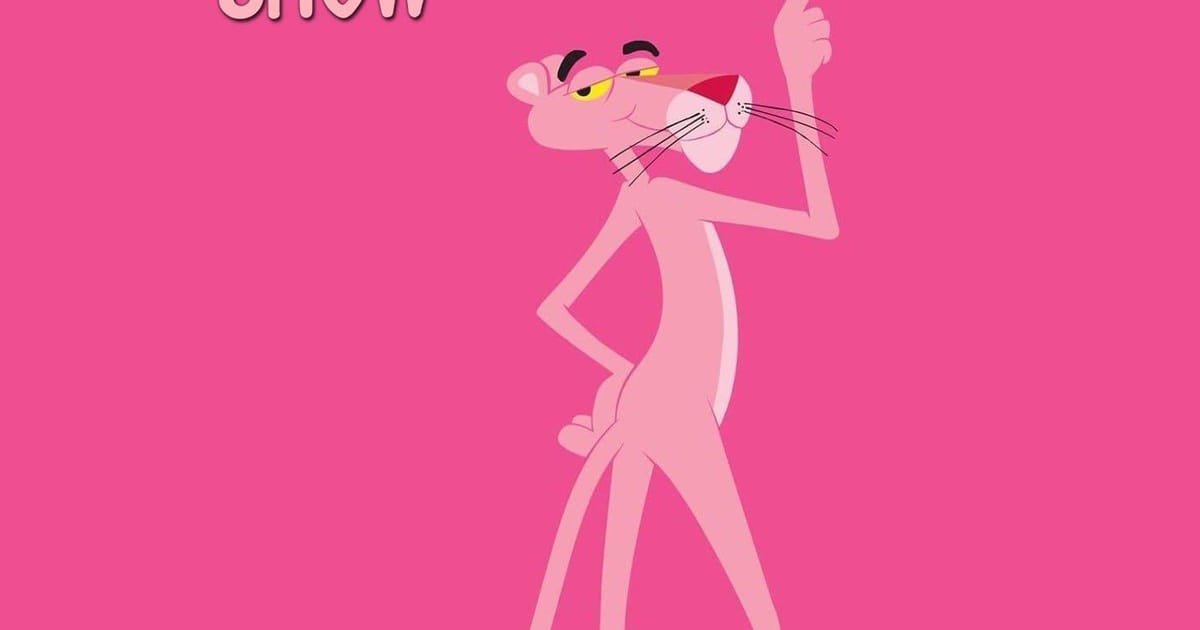
The Pink Panther Show first became a TV favorite because it understood something many cartoons forget: silence can be hilarious. The Pink Panther rarely needed dialogue. A stare, a tiptoe, a shrug, or one perfectly timed disaster could do more than a paragraph of jokes. The show turned visual comedy into a jazz routine, blending elegant design, physical gags, sly timing, and a character who seemed both mischievous and weirdly sophisticated. He was not just a cartoon cat. He was a silent comedian in a pink tuxedo he never actually wore.
This ranking looks at the most memorable versions, segments, and creative strengths connected to The Pink Panther Show. It also includes opinions on what still works, what feels dated, and why the series remains so watchable decades after its original run. For fans searching for The Pink Panther Show rankings and opinions, this guide offers a fun, thoughtful, SEO-friendly breakdown without pretending that nostalgia alone should win every argument. Nostalgia gets a chair at the table, but it does not get to eat all the snacks.
Quick Background: What Was The Pink Panther Show?
The Pink Panther Show was an animated anthology series built around the Pink Panther theatrical shorts produced by DePatie-Freleng Enterprises. The original show premiered on NBC in 1969 and packaged Pink Panther cartoons with companion segments such as The Inspector. Later versions introduced or rotated in other DePatie-Freleng creations, including The Ant and the Aardvark, Hoot Kloot, Roland and Rattfink, The Blue Racer, The Dogfather, and Crazylegs Crane.
The character himself began as an animated figure in the opening titles of the 1963 Blake Edwards film The Pink Panther. That title sequence, paired with Henry Mancini’s now-iconic theme, made the cool pink cat so popular that he quickly escaped the credits and earned his own cartoons. The first standalone short, The Pink Phink, became especially important because it won the Academy Award for Best Animated Short. Not bad for a panther whose biggest political position seemed to be “everything should be pink.”
Over time, the TV show became the way many viewers discovered the shorts. Instead of seeing them before feature films in theaters, kids found them on Saturday mornings, in syndication, on cable reruns, and later through streaming and online clips. That flexible format helped the Pink Panther survive changing TV habits. He did not need complicated continuity. Drop him into a house, a hospital, a construction site, a beach, or a department store, and chaos politely arrived wearing jazz shoes.
The Pink Panther Show Rankings: Best Versions, Segments, and Eras
1. The Original Pink Panther Theatrical Shorts
The original theatrical shorts deserve the top spot because they are the foundation of everything. These are the cartoons that established the Pink Panther’s personality: quiet, clever, stubborn, stylish, and somehow always one step ahead of authority, technology, or an angry little man with blood pressure concerns.
Shorts like The Pink Phink, The Pink Blueprint, Pink Pajamas, We Give Pink Stamps, Pink Ice, and Pink Panic show the series at its sharpest. The animation is simple but expressive. The jokes are clear without being childish. The music does a huge amount of storytelling. Best of all, the Panther is not loud or desperate for attention. He is cool. Sometimes he is helpful. Sometimes he is chaotic. Sometimes he just wants a house to be pink, which, honestly, is more interior design commitment than most of us have.
Opinion: The theatrical shorts remain the best entry point for new viewers. They are short, funny, visually clean, and easy to enjoy without knowing any backstory. They also age better than many dialogue-heavy cartoons because their humor is mostly physical and musical.
2. The 1969 NBC Version of The Pink Panther Show
The original NBC package ranks near the top because it gave the shorts a strong television identity. The format typically placed one The Inspector cartoon between two Pink Panther entries, creating a balanced half-hour experience. This structure mattered. Too much Panther at once could make the silent style feel repetitive, but the Inspector segments added dialogue, crime-parody energy, and a different rhythm.
The bumpers and opening sequences also helped make the show feel like an event rather than a random stack of shorts. For many American viewers, this was the definitive Saturday morning Pink Panther experience. It had just enough variety to keep the pacing lively, while still making the Panther the undeniable star.
Opinion: This is the best television version of the franchise. It respects the theatrical shorts while making them feel at home on TV. The format is clean, memorable, and wonderfully rewatchable.
3. The Pink Phink: The Essential Episode Experience
Although The Pink Phink is technically a theatrical short rather than a TV episode made for the show, it became one of the defining viewing experiences associated with The Pink Panther Show. The premise is beautifully simple: a painter wants a house blue, the Pink Panther wants it pink, and civilization collapses one brushstroke at a time.
What makes it so effective is the clarity of conflict. Blue versus pink. Worker versus trickster. Order versus stylish nonsense. The gags build naturally, and the Panther’s personality emerges almost instantly. He is not frantic like some cartoon troublemakers. He is calm, patient, and absolutely committed to his aesthetic vision. Somewhere, a modern home makeover influencer is taking notes.
Opinion: If someone only watches one Pink Panther cartoon, make it this one. It explains the character without explaining anything.
4. The Inspector Segments
The Inspector segments are a major reason the original show worked so well. Inspired by Inspector Clouseau from the live-action Pink Panther films, these cartoons followed a bumbling French detective and his assistant Sergeant Deux-Deux as they attempted to solve crimes with more confidence than competence.
The humor is broader and more verbal than the Panther shorts. There are accents, police gags, villain chases, and plenty of slapstick failure. While the Inspector is not as iconic as the Panther, he provides a useful contrast. The Pink Panther is graceful chaos; the Inspector is official chaos wearing a uniform.
Opinion: The Inspector cartoons are not always as elegant as the Panther shorts, but they are often very funny. Their best moments come from the gap between the Inspector’s authority and his complete inability to control the situation.
5. The Ant and the Aardvark
The Ant and the Aardvark earns a high ranking among the supporting segments because it has a strong comic formula. The blue aardvark wants to eat the clever ant. The ant survives through wit, luck, and the aardvark’s own incompetence. It is a classic predator-prey setup, but with a distinct DePatie-Freleng flavor.
The segment also benefits from more dialogue than the Pink Panther cartoons, giving it a snappier personality. The aardvark’s voice and attitude bring a different kind of comedy to the show. Where the Panther is sleek and silent, the aardvark is hungry, frustrated, and usually one bad decision away from injury.
Opinion: Among the companion cartoons, The Ant and the Aardvark may be the easiest to recommend. It is simple, funny, and energetic without stealing the Pink Panther’s spotlight.
6. The New Pink Panther Show Era
The New Pink Panther Show updated the format in the early 1970s, adding a new opening and rotating in more companion cartoons. This era is interesting because it shows the franchise trying to stay fresh while working with a limited supply of new Pink Panther shorts.
The biggest strength of this period is variety. The biggest weakness is also variety. Some companion segments are entertaining, while others feel more like schedule padding. Still, the Panther himself remains strong, and the show’s musical identity continues to carry a lot of charm.
Opinion: This era is worth watching for fans, but it is slightly less essential than the original NBC format. It has good material, but the overall package feels less perfectly balanced.
7. The All New Pink Panther Show from 1978
The All New Pink Panther Show brought the character into the late 1970s with new made-for-TV shorts and a format that included Crazylegs Crane. This era has historical value because it proved the Pink Panther could keep going after his original theatrical peak.
The disco-flavored presentation is very much of its time. Depending on your mood, that is either charming or a warning label. The new shorts have fun moments, but they do not always have the crisp invention of the earliest cartoons. Still, there is pleasure in seeing the Panther adapt to a new TV landscape.
Opinion: This version is enjoyable but uneven. It is best for viewers who already love the character and want more pink-flavored mayhem.
8. Crazylegs Crane
Crazylegs Crane is one of the more divisive supporting segments. The character has a goofy design and a light comic tone, but the shorts do not always have the same memorable punch as The Inspector or The Ant and the Aardvark. They are pleasant, occasionally funny, and rarely essential.
Opinion: Crazylegs Crane works best as a brief change of pace. He is not a bad character, but he is not the reason most people return to The Pink Panther Show.
9. The 1980 Syndicated and CBS Packages
The syndicated and CBS-era packages helped keep the Pink Panther alive for a new generation. These versions often mixed older shorts with various companion cartoons and bumpers. For many viewers, especially those who grew up watching reruns, this was their Pink Panther.
The downside is that these packages could feel less curated than the original show. Depending on the version, laugh tracks and edited presentations sometimes changed the feel of the theatrical shorts. The Panther’s comedy works best when viewers are trusted to laugh on their own. A laugh track can make his quiet confidence feel slightly crowded, like someone brought a marching band to a spy mission.
Opinion: Important for nostalgia and accessibility, but not the strongest artistic presentation of the cartoons.
10. Later Revivals and Spin-Off Energy
Later Pink Panther revivals, including newer animated versions and kid-focused updates, show how durable the character is. Some modern interpretations are colorful and accessible, but they often face a difficult challenge: how do you update a character whose appeal depends on minimalism?
The more a revival explains the Panther, the less mysterious he can become. The more it modernizes the pacing, the more it risks losing the slow-burn visual timing that made the original cartoons special. That does not mean newer versions are bad. It means the original formula is harder to imitate than it looks.
Opinion: Later revivals can be fun for younger audiences, but the classic shorts remain the gold standard.
Best Pink Panther Shorts to Watch First
For anyone new to the series, the best starting point is not necessarily a full season. Start with a small playlist of standout shorts. The Pink Phink is essential because it introduces the Panther’s core personality. The Pink Blueprint is a wonderful variation on the same conflict between practical design and pink imagination. Pink Pajamas shows the Panther trying to find shelter and getting tangled in human absurdity. We Give Pink Stamps turns a department store into a playground of visual gags. Pink Panic adds spooky atmosphere and proves the character works outside ordinary settings.
These shorts capture the main reasons people still search for best Pink Panther episodes and classic Pink Panther cartoons. They are fast, funny, and stylish. They do not require a lore guide, a timeline chart, or a streaming service password whispered by an ancient cartoon historian.
Why The Pink Panther Show Still Works
It Trusts Visual Comedy
The show’s greatest strength is visual storytelling. Modern animation often moves quickly and fills silence with dialogue, but the Pink Panther cartoons let jokes breathe. A door opens. A character pauses. A tiny gesture changes the meaning of the scene. That patience gives the humor a timeless quality.
The Music Is Practically a Character
Henry Mancini’s theme is one of the most recognizable pieces of TV and film-related music ever associated with a cartoon character. The slinky saxophone, jazzy rhythm, and sneaky mood perfectly match the Panther’s personality. Even when later shorts used different scoring, the musical identity of the franchise remained central to its appeal.
The Character Design Is Brilliantly Simple
The Pink Panther is easy to recognize in silhouette, color, and movement. He is tall, lean, relaxed, and expressive without being visually busy. That simplicity makes him memorable. It also makes the comedy easy to read, which is one reason the cartoons travel well across generations and languages.
The Humor Is Mischievous, Not Mean-Spirited
The Panther causes plenty of trouble, but he rarely feels cruel. He is more like a stylish agent of inconvenience. He exposes the absurdity of whatever system he enters, whether it is home construction, retail shopping, military life, or urban living. He is not always innocent, but he is almost always charming.
What Does Not Work as Well Today?
Some parts of The Pink Panther Show feel dated. Certain supporting segments rely on old-fashioned stereotypes, broad accents, or repetitive chase formulas. A few jokes stretch longer than they need to. The use of laugh tracks in some TV versions can also feel unnecessary, especially because the original shorts were already funny without being told where the joke was.
Still, the core Pink Panther cartoons hold up better than many shows from the same period. Their limited dialogue helps avoid some of the aging problems that affect older animated comedies. The Panther’s personality remains fresh because it is built from movement, timing, and attitude rather than topical references.
Overall Opinion: Is The Pink Panther Show Overrated or Underrated?
The Pink Panther Show is properly famous but still slightly underrated as a piece of animation craft. Most people remember the theme music and the pink cat, but fewer talk about how disciplined the best shorts are. They are not just random slapstick. They are carefully structured visual stories with clear conflicts, escalating gags, and strong comic rhythm.
The show also deserves credit for bridging theatrical animation and television. Many classic animation characters struggled when moved into TV formats, but the Pink Panther adapted surprisingly well. The anthology structure gave the shorts a second life, and the companion cartoons made the package feel fuller without burying the main attraction.
So, is it overrated? No. If anything, it is sometimes remembered too casually. People think of it as pleasant background nostalgia, when at its best, it is a master class in minimalist cartoon comedy. The Panther does not shout for attention. He simply walks in, rearranges reality, paints something pink, and leaves everyone else questioning their career choices.
500-Word Experience Section: Watching The Pink Panther Show Today
Watching The Pink Panther Show today feels different from watching many other classic cartoons. Some older shows require you to mentally adjust your expectations. You prepare for slower pacing, rougher animation, or jokes that belong very firmly to another decade. With the Pink Panther, the adjustment is surprisingly small. The moment the music starts, the show finds its rhythm. You understand the assignment immediately: something quiet, ridiculous, and beautifully timed is about to happen.
The best viewing experience is not to binge the show like a modern serialized drama. This is not the kind of series where you need to watch twelve episodes in a row while asking, “But what does the pink paint symbolize?” The shorts work better in small servings. Watch three or four at a time. Let the jokes land. Let the music stick in your head. Then go make coffee and accidentally tiptoe through your kitchen like you are sneaking past a museum guard.
One of the pleasures of revisiting the show is noticing how much personality the Panther communicates without speaking. A tiny glance can make him seem smug. A slow walk can make him seem elegant. A sudden reaction can make him seem almost childlike. That flexibility is why the character works in so many settings. He can be a prankster, a victim of bad luck, a homeowner, a shopper, a traveler, or simply a pink problem wandering through someone else’s normal day.
Another enjoyable experience is comparing the Pink Panther shorts with the companion cartoons. The Inspector feels more like a traditional comedy sketch. The Ant and the Aardvark has a predator-versus-prey structure that is easy to understand. These segments are fun, but returning to the Panther often feels like returning to the main stage. His cartoons have more atmosphere. They are cooler, quieter, and usually more visually memorable.
For families, the show can still work well, though parents may want to choose episodes thoughtfully. The humor includes cartoon violence, explosions, falls, and slapstick injuries, but the tone is usually light and absurd. Kids may enjoy the simplicity, while adults may appreciate the timing, music, and design. It is one of those rare cartoons that can entertain across ages without loudly announcing that it is “for everyone.” It just is.
Personally, the most impressive thing about The Pink Panther Show is how confident it feels. It does not panic when there is silence. It does not over-explain the joke. It trusts the viewer to follow a visual idea from setup to payoff. In a media world full of noise, that confidence feels almost luxurious. The Pink Panther does not need to shout. He only needs a raised eyebrow, a suspiciously convenient bucket of paint, and a saxophone line smooth enough to make trouble look classy.
Conclusion: Final Ranking Verdict
The Pink Panther Show remains one of the most charming animated franchises connected to American television history. Its best shorts are clever, stylish, and surprisingly timeless. The original theatrical cartoons rank highest because they define the Panther at his purest: silent, smart, and visually iconic. The 1969 NBC show package comes next because it gave those shorts a perfect television home. Supporting segments like The Inspector and The Ant and the Aardvark add variety, while later versions are best appreciated as nostalgic expansions rather than creative peaks.
For viewers searching for The Pink Panther Show rankings and opinions, the answer is clear: start with the classic shorts, enjoy the original TV format, sample the side segments, and treat later versions as bonus pink frosting. The Pink Panther is not just a cartoon mascot. He is a lesson in how far great design, great music, and great timing can go. Also, he makes a strong argument that almost every room could use at least one pink wall.