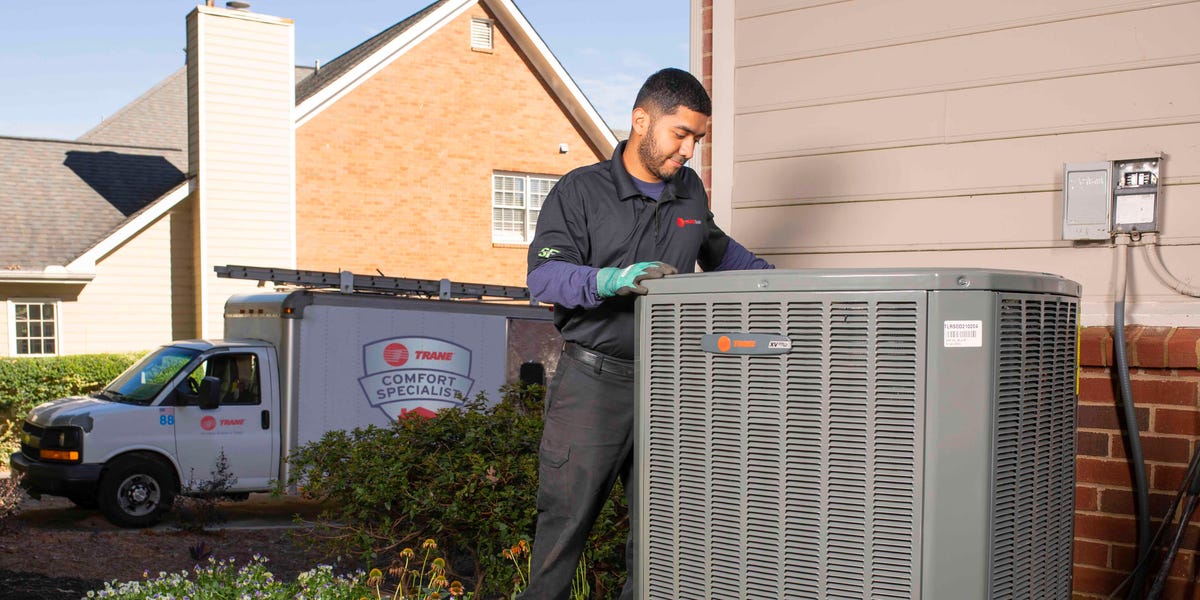
Winter has a habit of exposing every weak point in a home’s heating system at the least convenient momentusually after dark, during a cold snap, when HVAC companies are busier than a coffee shop beside a college library. Preparing your HVAC system before temperatures drop can improve comfort, reduce energy waste, prevent safety problems, and lower the odds of an emergency repair.
The good news is that winter HVAC preparation does not require dismantling your furnace while wearing a headlamp. Most homeowners can complete the basic inspection and housekeeping tasks themselves. The more technical work, especially anything involving gas, combustion, refrigerant, electrical components, or a heat exchanger, belongs in the hands of a qualified HVAC technician.
Why Early Winter HVAC Preparation Matters
Your heating system may have spent months doing almost nothing. Dust accumulated, outdoor vents collected leaves, thermostat batteries weakened, and a small mechanical issue may have been waiting quietly for its opportunity to become expensive.
Once cold weather arrives, the system must suddenly run for hours at a time. Restricted airflow, dirty burners, loose electrical connections, damaged ducts, and poor thermostat settings can all increase strain. Preparing early gives you time to correct those problems before your furnace or heat pump becomes the most overworked appliance in the house.
You can avoid peak-season service delays
Heating contractors become especially busy during the first major cold spell. Scheduling a professional inspection in early fallor even late summerusually provides more appointment choices and more time to address recommended repairs.
You can control heating costs more effectively
A heating system cannot operate efficiently when it is fighting a clogged filter, leaking ductwork, blocked registers, or incorrect thermostat programming. Maintenance will not make energy free, unfortunately, but it can help your equipment deliver heat without performing unnecessary mechanical gymnastics.
You can identify serious safety risks
Fuel-burning furnaces, boilers, fireplaces, and water heaters must vent combustion gases safely outdoors. Damaged venting, blocked exhaust pipes, incomplete combustion, or a cracked heat exchanger may create a carbon monoxide risk. These are not suitable weekend experiments. They require professional inspection.
Schedule a Professional Heating System Tune-Up
An annual heating inspection is one of the most important parts of a winter HVAC maintenance checklist. A homeowner can replace a filter and vacuum a register, but a trained technician has the tools and knowledge to evaluate system performance, combustion, airflow, electrical operation, and safety controls.
The exact service process depends on whether you have a gas furnace, electric furnace, boiler, ducted heat pump, mini-split system, or dual-fuel setup. A thorough visit may include:
- Testing thermostat operation and system cycling
- Inspecting burners, ignition components, and flame quality
- Checking the heat exchanger for damage or deterioration
- Examining flues, chimneys, exhaust pipes, and intake vents
- Tightening electrical connections and testing safety controls
- Measuring airflow, temperature rise, and system performance
- Lubricating components when required by the equipment
- Checking blower assemblies, motors, belts, and capacitors
- Inspecting heat-pump coils, refrigerant components, and defrost operation
- Reviewing condensate drains, pumps, and humidifier connections
Ask what the tune-up includes before scheduling. A suspiciously cheap “inspection” may be little more than someone looking thoughtfully at the furnace and handing you a brochure. You want measurable checks, documented findings, and clear explanations of any recommended repair.
Replace or Clean the HVAC Filter
The air filter is small, inexpensive, and remarkably talented at creating large problems when ignored. A dirty filter restricts airflow, forces the blower to work harder, increases energy use, and may contribute to uneven heating or equipment shutdowns.
Check the filter before heating season begins and inspect it regularly during periods of heavy use. Replacement frequency varies according to filter thickness, equipment design, pets, indoor air quality, remodeling dust, smoking, and manufacturer instructions. A one-inch filter may need attention much more frequently than a deeper media filter.
Use the correct size and filtration level
Install the exact filter dimensions specified for your system. The airflow arrow printed on the filter should point toward the blower or air handler. A backward filter may still fit, but fitting is not the same as functioning correctlymuch like wearing shoes on the wrong feet.
Higher-efficiency filters can capture smaller particles, but the highest rating available is not automatically the best choice. A filter that creates excessive resistance may reduce airflow if the system was not designed for it. Consult the equipment manual or an HVAC professional before making a major filtration upgrade.
Test the System Before You Actually Need It
Do not wait for the first freezing night to discover that your heating system only produces a mysterious clicking noise. Set the thermostat several degrees above the current room temperature and allow the system to complete a normal heating cycle.
Pay attention to how quickly it starts, how the air feels at the registers, whether rooms warm evenly, and whether the system shuts off after reaching the set temperature. During this test, watch for warning signs such as:
- Repeated starting and stopping
- Weak airflow from multiple registers
- Grinding, rattling, scraping, or squealing noises
- Persistent burning, electrical, or fuel odors
- Cold air continuing long after startup
- A sudden increase in dust
- Rooms that remain significantly colder than others
- Error codes or blinking service lights
A brief dusty smell during the first heating cycle can occur as settled dust warms, but a strong or continuing odor should be investigated. If you smell natural gas, leave the home without operating switches or creating flames, then contact the gas utility or emergency services from a safe location.
Review Your Thermostat Settings
Your thermostat controls when the heating system runs, which makes it one of the simplest tools for managing comfort and energy use. Confirm that it is set to “heat,” verify the displayed temperature, and replace batteries when applicable.
Programmable and smart thermostats should reflect your real schedule, not the schedule you imagined when you bought them. Program lower temperatures during long periods when the home is empty or when household members are sleeping, provided the settings remain safe for people, pets, plumbing, and sensitive belongings.
Avoid dramatic temperature swings intended to heat the home “faster.” Most conventional furnaces deliver heat at the same output regardless of how high you set the thermostat. Setting it to 85 degrees does not turn the furnace into a rocket engine; it simply tells it to keep running longer.
Check thermostat placement
Thermostats can produce misleading readings when located near direct sunlight, exterior doors, kitchens, fireplaces, lamps, or supply registers. If the system frequently overheats or underheats the home, ask a technician whether thermostat location or calibration may be contributing to the problem.
Open, Clean, and Inspect Supply Registers
Walk through the home and make sure supply registers and return grilles are open and unobstructed. Furniture, rugs, curtains, storage boxes, and pet beds can interfere with airflow. Closing numerous registers in unused rooms may also disrupt system pressure and cause performance problems rather than producing the expected savings.
Use a vacuum attachment to remove visible dust from grilles and registers. This basic cleaning will not replace professional duct inspection, but it can reduce loose debris around the openings and help you spot damaged covers or suspicious buildup.
If one room receives little airflow while the others perform normally, the cause may be a disconnected duct, crushed flexible duct, closed balancing damper, poor system design, or leakage. A professional airflow evaluation is more useful than simply turning the thermostat higher and hoping the room develops a better attitude.
Inspect Accessible Ductwork
Ducts running through attics, crawl spaces, basements, and garages can lose heat through gaps, loose connections, damaged insulation, and poorly sealed joints. That means you may be paying to heat an area occupied mainly by spiders and storage bins.
Look for disconnected sections, torn insulation, crushed flexible ducts, visible gaps, rust, and loose fittings. Small accessible leaks may sometimes be sealed with approved duct mastic or HVAC-rated foil tape. Ordinary cloth-backed “duct tape” is famous for its name, not necessarily for its long-term performance on ducts.
Extensive leakage, inaccessible damage, mold-like contamination, or poorly balanced airflow deserves professional evaluation. Duct sealing and insulation can improve comfort, but duct cleaning should not be treated as an automatic annual requirement. It is generally more appropriate when there is a specific contamination, pest, moisture, or debris problem.
Prepare an Outdoor Heat Pump for Snow and Ice
A heat pump’s outdoor unit must continue exchanging heat with outdoor air during winter, so it needs clear space around the coil. Remove leaves, weeds, branches, grass clippings, and other debris. Trim nearby vegetation while maintaining the clearance specified by the manufacturer.
Do not wrap an operating heat pump in an airtight cover. The unit needs airflow even when outdoor temperatures are low. After snowstorms, gently clear accumulated snow from around and above the equipment without striking the coil or damaging components.
A light layer of frost may occur during normal heat-pump operation. The system should periodically enter a defrost cycle. Thick ice that does not clear, a fan that is not operating, unusual noises, or long periods of ineffective heating can indicate a malfunction.
Know when auxiliary heat is running
Many heat-pump systems use auxiliary electric resistance heat during defrost cycles or very cold conditions. This backup heat can consume significantly more electricity. If the auxiliary heat indicator remains on during mild weather, schedule service rather than accepting the utility bill as an aggressive new pen pal.
Keep Combustion and Exhaust Vents Clear
High-efficiency furnaces may use intake and exhaust pipes that terminate through an exterior wall. Traditional furnaces and boilers may vent through a flue or chimney. All of these pathways must remain clear.
Inspect accessible exterior terminations for leaves, nests, dirt, ice, and snow. During winter storms, check them again because drifting snow can block vents that were perfectly clear the previous afternoon. Never reach deeply into venting or alter its configuration. Visible damage, loose joints, corrosion, soot, or recurring blockages require professional attention.
Keep stored boxes, paint, cleaning chemicals, paper, gasoline, and other combustible materials away from heating equipment. The furnace room should not become the household’s unofficial warehouse simply because it has an open corner.
Test Smoke and Carbon Monoxide Alarms
Working alarms are essential in any home, especially one using fuel-burning appliances. Test smoke and carbon monoxide alarms according to manufacturer instructions, replace batteries when required, and replace alarm units that have reached the end of their service life.
Carbon monoxide is colorless and odorless. You cannot rely on smell to detect it. Alarms should be installed in appropriate locations, including near sleeping areas, according to current local codes and manufacturer guidance.
If a carbon monoxide alarm sounds, move everyone to fresh air and contact emergency services. Do not silence the alarm and return to bed because the house “seems fine.” Carbon monoxide is not known for announcing itself with dramatic visual effects.
Check Humidifiers, Condensate Drains, and Plumbing
Whole-house humidifiers often need seasonal maintenance. Replace water panels or pads when required, clean mineral deposits, inspect the drain line, and confirm that the bypass damper is in its winter position if the system uses one.
More humidity is not always better. Excess indoor moisture can produce window condensation, damp surfaces, odors, and microbial growth. Adjust humidifier settings according to outdoor conditions and manufacturer recommendations.
High-efficiency furnaces and heat pumps may create condensate during operation. Inspect accessible drain tubing for cracks, loose connections, algae buildup, or blockage. In cold spaces, poorly routed condensate lines may freeze. Water around the furnace or air handler should be investigated promptly rather than covered with a towel and added to the list of things Future You must solve.
Reduce the Heating Load Around the House
HVAC preparation works best when combined with basic weatherization. Your furnace should heat the home, not compete continuously with outdoor air entering through every crack.
- Replace damaged weatherstripping around doors.
- Seal appropriate gaps around windows and penetrations.
- Close fireplace dampers when the fireplace is not in use.
- Inspect attic insulation and the attic access hatch.
- Use curtains strategically to capture daytime sun and reduce nighttime heat loss.
- Insulate accessible ducts and pipes in unconditioned areas.
- Reverse compatible ceiling fans to circulate warm air gently.
Air sealing must be completed thoughtfully in homes with combustion appliances. Excessive tightening without proper ventilation or combustion testing can create indoor air quality and pressure problems. A home energy audit can help identify upgrades while considering the house as a complete system.
Create a Winter HVAC Emergency Plan
Even a well-maintained system can fail. Keep the HVAC company’s contact information accessible and learn where the furnace disconnect, electrical panel, gas shutoff, and water shutoff are located. Never operate a gas valve or electrical component unless you understand the correct and safe procedure.
Prepare safe backup options for short-term heating interruptions. Portable heaters should be listed for indoor use, placed on stable surfaces, kept away from combustible materials, and plugged directly into an appropriate wall outlet according to manufacturer instructions. Never use an outdoor grill, generator, camp stove, or gas oven to heat an indoor space.
Generators must operate outdoors and well away from doors, windows, and vents. Improper generator use can introduce deadly carbon monoxide into a home even when the generator itself is not inside.
Know When Repair Is No Longer the Best Investment
Maintenance can extend equipment life, but it cannot make every aging system immortal. Consider discussing replacement when the unit needs frequent repairs, heats unevenly despite duct corrections, produces abnormal noise, causes rising energy bills, or can no longer maintain comfortable temperatures.
Age alone should not make the decision. Equipment condition, repair cost, efficiency, installation quality, comfort problems, safety findings, fuel prices, available incentives, and the home’s future needs all matter.
If replacement is recommended, request a proper load calculation rather than automatically buying equipment with the same capacity as the old unit. Oversized heating systems can cycle too frequently, create temperature swings, increase noise, and reduce comfort. Bigger equipment may sound impressive, but your living room is not trying to qualify for commercial aircraft status.
A Practical Winter HVAC Preparation Timeline
Six to eight weeks before cold weather
- Schedule professional maintenance.
- Test the heating system.
- Review previous repair records and utility bills.
- Address known comfort or airflow issues.
Two to four weeks before regular heating begins
- Replace or clean the filter.
- Program the thermostat.
- Clean registers and return grilles.
- Clear outdoor equipment and vent terminations.
- Inspect visible ductwork and condensate lines.
Before the first major freeze
- Test smoke and carbon monoxide alarms.
- Confirm backup heating and emergency supplies.
- Seal obvious drafts and check weatherstripping.
- Verify that everyone knows what to do if an alarm sounds.
Throughout winter
- Inspect the filter monthly and replace it as needed.
- Keep registers, returns, and outdoor equipment clear.
- Remove snow from exterior intake and exhaust areas.
- Investigate unusual noises, odors, water, or performance changes.
- Track energy use for unexplained increases.
Experience-Based Lessons: What Homeowners Often Learn the Hard Way
The following is a composite account based on common homeowner experiences rather than the story of one specific household. It captures the small mistakes, useful discoveries, and very avoidable surprises that tend to occur during winter HVAC preparation.
One of the most common lessons is that a heating system can appear healthy during a five-minute test and still struggle during sustained cold weather. In a typical scenario, the furnace starts normally in October, warm air comes from the registers, and everyone declares victory. Then January arrives. The furnace runs almost continuously, the upstairs bedrooms remain chilly, and the energy bill looks as though the house has started smelting aluminum.
The eventual inspection often reveals several modest problems working together. The filter is heavily loaded with pet hair. A return grille is partially blocked by a bookcase. Two attic duct connections are leaking. The thermostat schedule was never updated after the family’s work hours changed. No single issue caused a dramatic failure, but the combination reduced airflow, wasted heat, and made the home uncomfortable.
Another recurring experience involves waiting too long to schedule maintenance. Homeowners sometimes call for service on the first freezing morning, only to learn that every available technician is already handling homes with no heat. A minor ignition problem that could have been corrected calmly in September becomes an urgent winter appointment with limited scheduling options. The lesson is simple: preparation is partly mechanical and partly about getting ahead of the crowd.
Filter mistakes are also surprisingly educational. Some homeowners buy the most restrictive filter on the shelf because the packaging promises impressive particle capture. After installation, airflow drops, rooms warm slowly, and the system begins cycling on a safety limit. The filter was not defective; it simply created more resistance than the equipment could comfortably handle. Matching filtration to system capability matters more than buying the package with the most scientific-looking graphics.
Heat-pump owners often learn that outdoor equipment should not be treated like a summer air conditioner that has retired for the season. One homeowner may cover the outdoor unit tightly to protect it from snow, then discover that the heat pump cannot breathe. Another may mistake normal defrost steam for smoke and shut the system down. Understanding normal operationincluding frost, defrost cycles, fan behavior, and auxiliary heatcan prevent both panic and accidental damage.
Carbon monoxide alarms provide the most serious lesson. A functioning alarm may be the only warning that venting is blocked or combustion equipment is malfunctioning. People sometimes assume that no odor means no danger, but carbon monoxide cannot be detected that way. Testing alarms before winter is a small task with enormous value.
The most useful overall experience is that winter HVAC preparation works best as a system, not as one isolated chore. A tune-up helps, but it cannot compensate fully for blocked vents and leaking ducts. A new thermostat helps, but not if the furnace is unsafe. Weatherstripping helps, but not if the filter is choking airflow. Home comfort improves when maintenance, airflow, insulation, controls, and safety measures all support one another.
Homeowners who follow a repeatable fall routine generally report fewer surprises. They keep the correct filter size written near the furnace, schedule service before contractors become overwhelmed, test alarms on the same date each year, and inspect outdoor vents after major snowfalls. None of these habits is glamorous. That is precisely why they work: successful home maintenance is usually less about dramatic repairs and more about preventing the drama altogether.
Conclusion
Preparing your HVAC system for winter now can protect your comfort, equipment, energy budget, and household safety. Begin with a professional inspection, install the correct clean filter, test the system early, review thermostat settings, clear registers and outdoor equipment, inspect accessible ducts, and verify that smoke and carbon monoxide alarms are working.
Most importantly, respond quickly to warning signs. Strange noises, repeated shutdowns, fuel odors, weak airflow, persistent ice, soot, water leaks, and carbon monoxide alarms are not invitations to conduct an online-inspired repair experiment. Bring in a qualified professional before a manageable problem becomes a cold and expensive emergency.
Your heating system does not need praise, encouragement, or a motivational speech. It needs airflow, maintenance, safe venting, sensible controls, and a little attention before winter arrives.