Furniture has a funny way of hanging around long after its style has packed a suitcase and moved out. The dresser still works. The side table is still sturdy. The dining chairs are still loyal, even if they currently look like they were designed during an unfortunate “brown-on-brown” era. That is exactly why specialty furniture paints have become such a big deal. They let you refresh, modernize, protect, and personalize a piece without replacing it. In plain English: you get the glow-up without the breakup.
Whether you are working with a thrift-store nightstand, a laminate bookshelf, a wood dresser, or a metal patio chair, the right furniture paint can completely change the look and feel of a room. More importantly, specialty paints are designed to bond better, level more smoothly, and hold up to daily life better than generic wall paint. That means fewer regrets, fewer chips, and far fewer moments where you stare at a sticky tabletop and whisper, “Well, that escalated quickly.”
Why Specialty Furniture Paint Matters
Regular wall paint is made for walls. Shocking, I know. Furniture, on the other hand, gets touched, bumped, dragged, wiped, leaned on, and occasionally used as a temporary laundry mountain. Specialty furniture paints are formulated to handle more abuse. They often offer stronger adhesion, better coverage, and a harder cured finish, which is exactly what you want on high-contact surfaces like dressers, desks, coffee tables, chairs, cabinets, and nightstands.
Another advantage is versatility. Specialty furniture paint can help you create very different looks depending on the product you choose. Want a soft, velvety vintage finish? Chalk paint is often the star of that show. Want something sleek, durable, and easier to clean? Acrylic enamel, urethane trim enamel, or cabinet-and-furniture paint may be the better match. Want to tackle metal or detailed wicker without losing your mind with a brush? Spray paint steps into the room like a hero wearing safety goggles.
Types of Specialty Furniture Paints
Chalk Paint for a Soft, Vintage Look
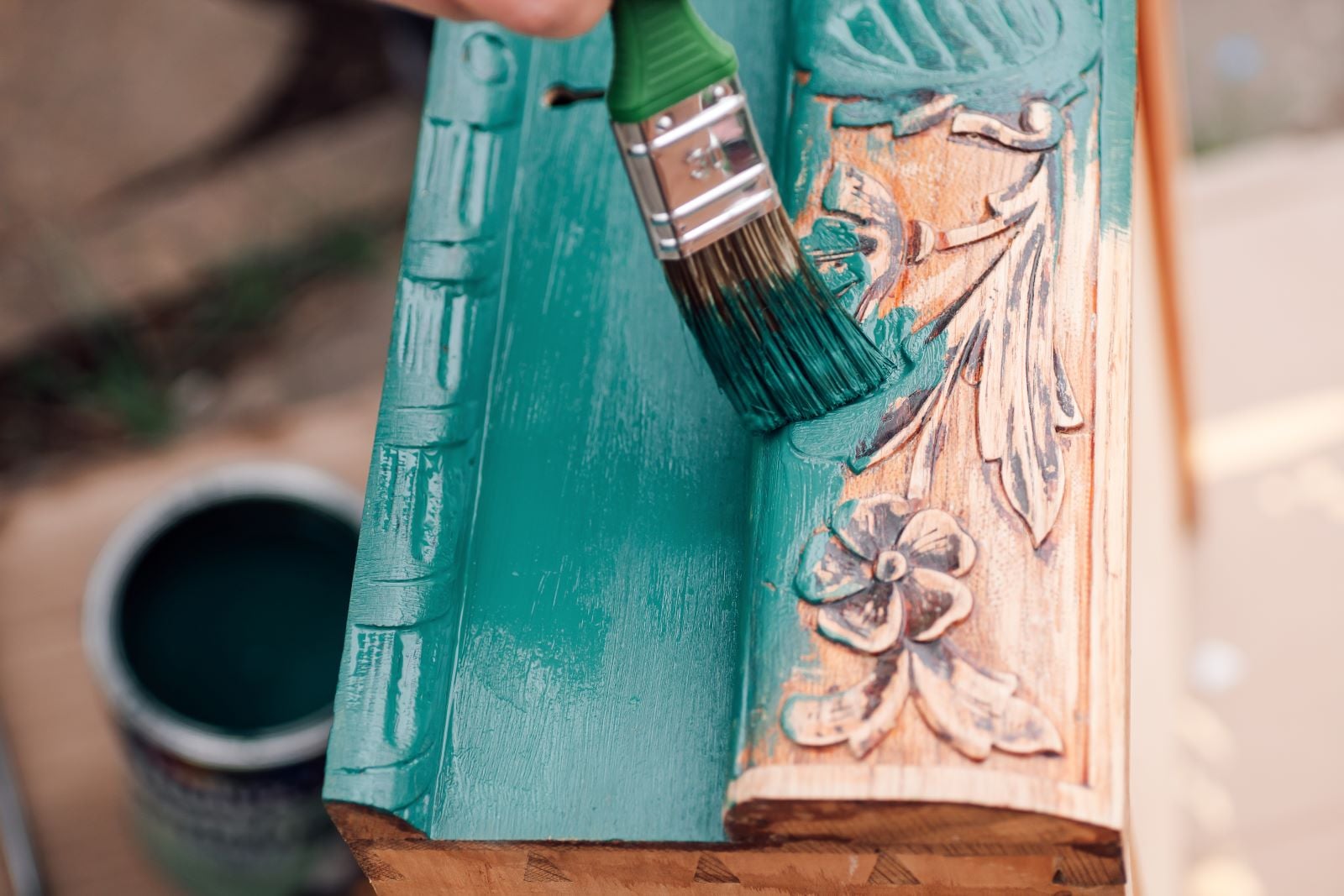
Chalk paint is beloved because it gives furniture that matte, softly aged finish people love in farmhouse, cottage, and vintage-inspired spaces. It usually goes on with a slightly thicker body, covers well, and can often be distressed for character. It is a favorite for decorative pieces, side tables, accent chairs, and dressers that you want to look collected rather than factory-fresh.
The catch? Chalk paint is not always the champion of heavy-duty durability on its own. On pieces that get real traffic, such as tabletops or frequently used furniture, a protective wax or topcoat usually makes a big difference. Chalk paint is gorgeous, but beauty sometimes needs backup.
Milk Paint for an Old-World, Timeworn Finish
Milk paint is a favorite for people who love character. It can create an authentically aged look, especially on raw wood, and it is often chosen for antique-style makeovers. The finish can feel charmingly imperfect, which is part of the appeal. If your goal is smooth, glossy, and modern, milk paint may not be your soulmate. If your goal is “this looks like it has a story,” now we’re talking.
Because milk paint can behave differently depending on the surface, it is often best for DIYers who are open to a little surprise and a lot of personality. On slick surfaces, a bonding agent or proper prep may be needed to avoid adhesion issues.
Acrylic and Latex Furniture Paint for Everyday Projects
High-quality acrylic furniture paint is one of the most practical choices for general projects. It is easier to clean up than oil-based alternatives, comes in a wide range of colors, and works well for dressers, shelves, desks, and painted wood furniture. Better formulas offer stronger durability and flexibility, which helps reduce cracking and premature wear.
This category is a great choice when you want dependable results without turning your garage into a chemistry lab. It is especially good for people who want a smooth finish, manageable drying time, and fewer fumes.
Alkyd, Enamel, and Cabinet-Style Paints for Durability
If you want a tougher finish, look at enamel, alkyd, or cabinet-and-trim style paints. These are often chosen for furniture that gets more frequent use because they cure into a harder, smoother surface. They are popular for desks, dining tables, cabinets, vanities, and pieces that need to resist scuffs better than softer decorative paints.
These paints also tend to level nicely, which means fewer visible brush marks when applied well. If your dream finish is smooth enough to make people ask, “Wait, did you buy that new?” this family of paints deserves your attention.
Spray Paint for Metal, Wicker, and Tricky Details
Spray paint is especially useful on furniture with curves, spindles, mesh, wicker, or metal details that are annoying to brush. It is often the easiest way to revive patio furniture, metal side tables, decorative frames, and small accent pieces. When used correctly, spray paint can deliver fast, even coverage with a clean finish.
The keyword there is correctly. Spray paint rewards patience and punishes overconfidence. Thin coats, good ventilation, and proper prep are your best friends. Heavy coats are how drips show up uninvited and stay too long.
How to Choose the Right Furniture Paint
Start With the Surface
The material matters more than many people expect. Solid wood is usually the most forgiving. Laminate can absolutely be painted, but it often needs careful scuff-sanding and a bonding primer to help paint stick. Metal furniture may need rust removal, thorough cleaning, and a product designed for metal. Old painted furniture may require extra caution if there is any chance of lead in older coatings.
In other words, before you choose a color, choose a strategy. The best paint in the world cannot perform a miracle on grease, rust, flaking finish, or glossy laminate that has not been prepped.
Match the Finish to the Lifestyle
Matte finishes look elegant and forgiving, especially on vintage or decorative pieces. Satin and semi-gloss finishes are more practical for many everyday furniture projects because they are easier to wipe clean and tend to hold up better to handling. High-gloss can look dramatic, but it also highlights surface flaws, so prep has to be especially good.
If the piece will be used daily, lean toward durability. If it is mostly for style, you can be more adventurous. A dramatic black matte console looks amazing. A matte kitchen table with constant spills and elbow traffic? That is a more complicated love story.
The Prep Work That Makes the Makeover Last
Prep is the part people most want to skip and the part they regret skipping most. It is not glamorous, but neither is watching your beautiful new finish peel because you painted over furniture polish and old grime.
1. Clean Like You Mean It
Remove dust, grease, wax, and residue before anything else. Kitchen furniture, thrifted pieces, and garage finds especially need a serious cleaning. Paint sticks better to clean surfaces. This is one of the least exciting truths in DIY and one of the most important.
2. Sand or Scuff-Sand the Surface
You do not always need aggressive sanding, but glossy or slick surfaces usually benefit from scuff-sanding. Sanding helps dull the sheen and gives primer or paint a better surface to grip. For detailed furniture, a sanding sponge can help you reach curves and crevices without inventing new curse words.
3. Prime When It Actually Matters
Primer is especially important on bare wood, laminate, stained pieces, dark-to-light color changes, and metal. A good bonding primer helps specialty furniture paint adhere better and look more even. It can also block stains and reduce the chance of tannin bleed on certain woods.
4. Paint in Thin, Even Coats
Furniture usually looks better with multiple thin coats than one thick, overconfident coat. Thin layers reduce drips, help the finish level better, and improve overall durability. Let each coat dry as directed. Your impatience is not a recommended tool.
5. Respect Cure Time
Dry and cured are not the same thing. A painted dresser may feel dry to the touch fairly quickly, but it can take much longer to fully harden. That means drawers should not be slammed, baskets should not be dragged across tops, and decorative objects with sticky bottoms should not be parked there immediately. Curing time is when good projects become lasting projects.
Popular Furniture Makeover Ideas Using Specialty Paints
Painted Dressers
A dated dresser is one of the best candidates for transformation. Deep navy, warm white, charcoal, sage green, and soft black are all popular choices because they feel updated without being trendy for the sake of trendy. Swap the hardware and suddenly the “before” photo looks like it belonged to a distant relative.
Laminate Bookcases and Desks
Laminate furniture often gets written off too quickly. With good prep and the right primer, it can be painted into something that feels much more custom. A plain budget bookshelf can become a bold accent piece, while a basic desk can turn into a polished work-from-home upgrade.
Tables and High-Touch Surfaces
Coffee tables, entry tables, and dining chairs benefit from tougher specialty paints and, in many cases, a protective topcoat. These pieces take a beating. The finish should be chosen with real life in mind, not just photo-day behavior.
Metal Patio Furniture
Outdoor metal furniture can look dramatically better with rust removal, primer where needed, and an exterior-appropriate paint product. This is one of the fastest ways to revive a tired patio without buying a whole new set. Your wallet will likely send a thank-you card.
Common Mistakes to Avoid
The biggest mistake is assuming any paint can do any job. The second biggest is ignoring prep. Other common problems include choosing a finish that is too delicate for the piece, applying coats too heavily, rushing recoat times, and using a beautiful color on a surface that was never properly cleaned or primed.
Another easy mistake is forgetting that furniture is part function, part design. A chalky matte finish may look stunning on a decorative cabinet, while a satin enamel may make more sense on a child’s desk that sees markers, snacks, and suspiciously sticky fingers. Good design is not just about appearance. It is about choosing a finish that survives the humans living near it.
Why Specialty Furniture Paint Is Worth It
Specialty furniture paints do more than change color. They change perception. A cheap piece can look curated. A hand-me-down can feel intentional. A scratched-up table can become a focal point instead of something you strategically hide under a table runner. That is the real power of these products: they turn furniture from “good enough for now” into “why does this suddenly look expensive?”
They also support a smarter way to decorate. Instead of replacing every piece that feels dated, you can upgrade what you already own. That saves money, reduces waste, and gives you more control over your style. Plus, there is undeniable satisfaction in telling people, “Thanks, I painted it,” and then casually pretending you did not spend 40 minutes admiring it from different angles.
Experiences That Show How Furniture Paint Really Transforms a Piece
The most interesting part of using specialty furniture paints is that the transformation is not just visual. It changes how people feel about their space. A tired dresser in a guest room can go from background clutter to the piece everyone notices first. A thrifted side table that looked one step away from retirement can suddenly feel custom once it gets the right prep, color, and finish. Many DIYers start with one “practice” piece and then, almost immediately, begin looking around the house like talent scouts. The bench. The bookshelf. The old vanity. Nobody is safe.
One common experience is surprise at how much prep matters. People often begin a project thinking the paint itself will do all the heavy lifting, but the real magic usually starts with cleaning, sanding, and priming. That is the moment the project becomes professional-looking instead of “weekend experiment with a brave face.” Another common experience is discovering that the finish changes the personality of the piece. A matte chalk paint makes a cabinet feel soft, relaxed, and collected. A satin enamel can make the same cabinet feel sharper, cleaner, and more modern. Same furniture, different attitude.
There is also the practical satisfaction. A previously scratched tabletop can become easier to wipe down. An outdated laminate desk can finally match the rest of a room. Metal patio furniture that looked rusty and neglected can feel cheerful again with a crisp coat of color. These are not tiny cosmetic wins. They often help a room feel more intentional, more cared for, and more current without the cost of replacing large pieces.
Then there is the confidence factor. The first project usually comes with nerves: fear of brush marks, fear of ruining the piece, fear of choosing a color that looked elegant on a sample card and somehow chaotic on actual furniture. But once a project turns out well, people tend to realize that furniture painting is not reserved for experts with workshops and twelve specialty tools. With patience, the right products, and a little humility around dry times, a lot of ordinary homeowners can get excellent results.
Perhaps the best experience of all is emotional. Furniture often carries history. It may be a grandmother’s table, a flea-market find from a first apartment, or a dresser that has survived three moves and one terrible design phase. Specialty furniture paint lets people keep the piece while giving it a new life. It is part restoration, part reinvention. And honestly, that is why the category keeps growing: it is not just about painting furniture. It is about making a home feel more personal, more creative, and a little more alive.
Conclusion
Specialty furniture paints give you the ability to transform your furniture because they are built for the job. They offer better adhesion, better durability, and more finish options for wood, laminate, metal, and decorative surfaces. When you combine the right paint with proper prep, even a very ordinary piece can become a standout. The trick is matching the product to the material, the finish to the function, and the makeover to the way you actually live. Do that, and your furniture stops looking like leftovers and starts looking like a deliberate design choice.