Note: Clean HTML body only, ready to copy and publish.
Sometimes the best decorating ideas arrive the same way great leftovers do: unexpectedly, a little suspicious at first, and then shockingly satisfying. That is exactly what happened with the now-beloved budget design move of turning shower curtains into dining room curtains. It sounds like something a thrifty aunt would whisper at a yard sale, yet it works surprisingly well when done with intention.
The magic is simple. Shower curtains are often affordable, generously sized, available in bold prints, and made to handle everyday wear. In other words, they already come to the party dressed like overachieving fabric panels. With the right rod height, a neat hem or clip-ring setup, and a little styling confidence, they can look polished, airy, dramatic, cozy, or charmingly cottagecore instead of “accidentally bought from the bathroom aisle.”
For homeowners, renters, and anyone who has looked at custom drapery prices and laughed in a deeply stressed way, this hack makes a lot of sense. It blends creativity, practicality, and budget-friendly decorating into one easy upgrade. Better yet, it can give a dining room more softness, privacy, and personality without requiring a major renovation or a scary amount of sewing.
Why This Unusual Curtain Hack Actually Works
At first glance, shower curtains and dining room curtains seem like distant cousins who would avoid each other at Thanksgiving. But they share a lot of qualities. Many shower curtains are made from cotton, linen blends, polyester, or textured fabric that already resembles lightweight drapery. Some feature stripes, florals, embroidery, tassels, or subtle woven patterns that look perfectly at home near a dining table.
They also come in useful dimensions. A standard shower curtain is often around 72 by 72 inches, which gives decorators enough material to work with for café curtains, lower window panels, or even full-length panels on smaller windows. That size can be a blessing when you want more fullness without paying for multiple expensive curtain panels.
Then there is the style factor. Dining rooms benefit from softness. Wood tables, hard chair lines, metal light fixtures, and bare walls can make the room feel a little stiff. Fabric instantly warms the space. It diffuses light, frames the window, and helps a dining room feel finished. When the fabric happens to come from a shower curtain, nobody in the room needs to know unless you want to enjoy the dramatic pause before saying, “Actually, those used to live in aisle twelve.”
What to Look for in a Shower Curtain Before You Hang It Near the Table
1. Choose fabric that looks decorative, not slippery
The best candidates are fabric shower curtains rather than shiny plastic or vinyl liners. Cotton, polyester blends, linen-look materials, waffle weaves, embroidered panels, and textured neutrals all translate well into dining room decor. If the curtain looks like it belongs in a boutique hotel bathroom, that is usually a good sign. If it looks like it belongs in a college dorm next to a rubber duck, keep browsing.
2. Pay attention to pattern scale
Dining rooms usually reward patterns that feel intentional. Wide stripes, subtle botanical prints, block prints, soft geometrics, or classic cottage florals tend to work beautifully. Tiny novelty prints can feel busy. Oversized graphics can be stunning in the right room, but only when the rest of the space stays calm. A good rule is to let the curtain be either the room’s main visual statement or a supporting player, not both.
3. Consider light control and privacy
If your dining room faces the street or a neighboring house, choose a fabric with enough body to provide privacy. If you love morning light and want the room to glow during breakfast or brunch, a gauzy or semi-sheer option can be a lovely fit. Some homeowners even layer shower-curtain panels with shades or blinds for more flexibility. That layered look feels thoughtful and custom, which is a pleasant outcome for something that began life next to bath mats.
4. Look at the top edge construction
Grommets, buttonholes, stitched tabs, and reinforced headers can all be useful. Grommet-top curtains are especially easy to slide onto a rod. Buttonhole tops can work with clip rings or curtain hooks. If the top edge is unattractive, a simple rod pocket trick, pleating tape, or decorative clip setup can improve the finish fast.
How to Turn Shower Curtains Into Dining Room Curtains
Measure first, then measure like you mean it
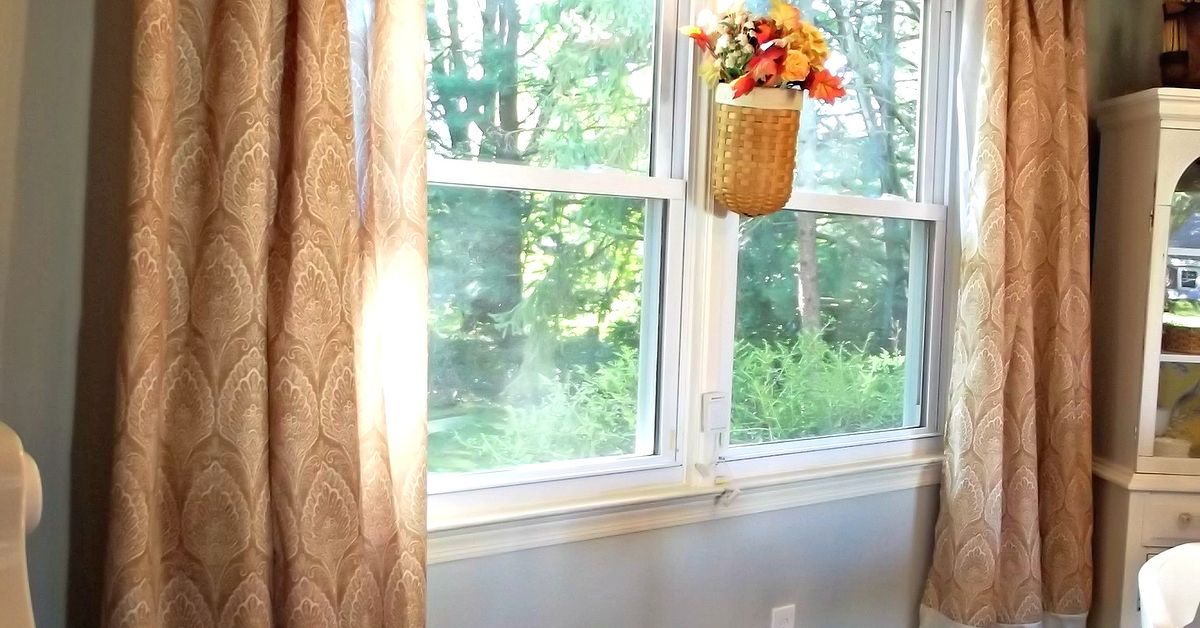
Before buying anything, measure the window width and the distance from where you want the rod to sit down to the floor or sill. Great curtains are usually not just about the fabric; they are about placement. In many rooms, curtains look more expensive when the rod is mounted higher and a little wider than the window frame. This creates the illusion of taller ceilings and larger windows, which is interior design’s version of very flattering lighting.
For a formal or polished dining room, floor-skimming panels often look best. For casual spaces, café curtains that cover only the lower half of the window can feel relaxed and charming. If you are working with one shower curtain and a small dining room window, café curtains may be the most natural transformation. If you have two curtains or narrow windows, full-length panels can absolutely work.
Decide whether to cut, hem, clip, or fake it beautifully
You do not need advanced sewing skills to pull this off. In fact, the whole appeal of this idea is that it lives in the sweet spot between clever and lazy, which is where many excellent DIY projects are born.
There are several ways to adapt the curtain:
- Use clip rings: This is the fastest route. Fold the top edge if needed, clip evenly across, and hang.
- Hem with iron-on tape: Great for shortening panels without sewing.
- Cut into café curtains: Split the panel horizontally or vertically depending on your window layout.
- Add trim: Pom-pom trim, contrast tape, or a small border can help the panels look more custom.
If the curtain feels too flat or light, add drapery weights at the bottom hem. This small upgrade helps the fabric hang better and look less like it is having an identity crisis.
Use the right hardware
Hardware matters more than people think. A cheap curtain can look refined on a good rod, while a beautiful fabric can look underwhelming on flimsy hardware. In dining rooms, black, brass, bronze, and matte finishes tend to be reliable choices. If the room already has metal accents in the chandelier, cabinet pulls, or wall art, match or complement those finishes so the window treatment looks intentional.
If your shower curtain fabric is heavy, choose a sturdier rod. If it is light and airy, slimmer hardware works well. This is one of those small details that quietly tells the eye, “Yes, this setup belongs here.”
Best Design Styles for Shower Curtains in a Dining Room
Modern farmhouse
Think soft stripes, oatmeal linen-look fabric, black rods, and simple rings. Pair that with a wood table, woven chair seats, and a ceramic vase. Suddenly your dining room looks like it has opinions about sourdough.
Cottage or vintage-inspired
Floral shower curtains, ruffled hems, or embroidered cotton can become sweet café curtains that bring charm to a breakfast nook or smaller dining room. Add a painted sideboard and mismatched chairs, and the whole space starts to feel collected over time rather than bought on one frantic Saturday.
Minimalist or Scandinavian
Solid white, warm beige, soft gray, or muted taupe shower curtains can look elegant when hung high and kept simple. The texture matters more than the pattern here. A subtle weave adds dimension without cluttering the room.
Bold eclectic
If your dining room needs drama, a patterned shower curtain can act almost like artwork. Try graphic prints, block prints, or rich botanical motifs. Keep the rest of the room edited so the fabric gets its moment without starting a visual argument with the wallpaper, rug, and chandelier.
Mistakes to Avoid
Do not choose a curtain that screams “bathroom.” Waterproof shine, obvious liner material, or cartoonish prints usually will not fool anybody.
Do not hang it too low. Short curtains can make a room feel awkward and unfinished. Unless you are intentionally creating café curtains, go for more length rather than less.
Do not forget fullness. Thin, stretched-flat panels rarely look luxurious. Curtains generally look better when they have enough width to gather softly rather than sit there like a sheet being punished.
Do not ignore the dining room’s mood. Window treatments should support the room. If your dining room is formal, a heavily wrinkled casual panel may feel off. If the space is relaxed, overly stiff pleats may feel too serious.
Do not skip steaming or ironing. Wrinkled curtains are the fastest way to turn a smart budget trick into a suspicious life choice.
Why This Hack Appeals to Smart Budget Decorators
The real charm of shower curtains turned dining room curtains is not just that they save money. It is that they invite a more creative way of decorating. Instead of shopping only by label, you shop by fabric, scale, pattern, and possibility. That mindset often leads to rooms with more personality.
It also opens the door for experimentation. You can test a color, a print, or a more dramatic window treatment without making a giant investment. If you love it, fantastic. If you change your mind six months later, your bank account is less likely to stage an intervention.
In many ways, this idea represents the best version of DIY decorating. It is practical, stylish, and just a little mischievous. It quietly says that good design is not only about spending more. Often, it is about seeing ordinary things differently and using them well.
Final Thoughts
Yes, shower curtains can become dining room curtains, and no, it does not have to look like a decorating dare. When the fabric is right, the hardware is thoughtful, and the proportions are handled well, the result can look charming, polished, and surprisingly upscale. The trick is to focus on what makes any window treatment successful: good scale, beautiful drape, enough fullness, and a style that fits the room.
So the next time you wander past the bathroom section and spot a gorgeous striped panel, a soft neutral weave, or a floral print that deserves better than steam and shampoo, give it a second look. Your dining room may be waiting for its curtain glow-up in the most unexpected aisle of the store.
Real-Life Experiences With Shower Curtains Turned Dining Room Curtains
The most interesting part of this trend is how people talk about it after living with it for a while. At first, the reaction is usually hesitation. Many homeowners assume the idea will look temporary or obviously improvised. Then the curtain goes up, the morning light hits the fabric, and the room changes mood almost instantly. That is when doubt usually exits the building.
One common experience is surprise at how much softness the curtains add. Dining rooms can be visually hard-working spaces: wood table, wood chairs, metal chandelier, framed art, maybe a sideboard, and not much else. When fabric enters the room, the whole space becomes gentler. Sound feels slightly softer, sunlight feels more filtered, and meals somehow feel a little less rushed. Even weeknight leftovers start to look emotionally organized.
Another frequent experience is that guests almost never realize the panels started as shower curtains. People notice the pattern, the way the rod complements the room, or the overall coziness, but they rarely identify the fabric’s humble retail origin. In fact, when homeowners do reveal the secret, it tends to become the most talked-about decor detail in the room. There is something deeply satisfying about hearing, “Wait, those are shower curtains?” in a tone that sounds more impressed than confused.
There is also a practical side that many people appreciate over time. Shower curtains are often easier to replace than custom drapes, which makes them less intimidating. That means decorators feel freer to experiment with seasonal looks, bolder prints, or lighter fabrics. A dining room can shift from airy summer stripes to warmer textured neutrals without becoming a full-scale financial event. That flexibility is a huge part of the appeal.
Some people discover small lessons along the way. They realize that clip rings create a more tailored look than expected. They learn that hemming matters. They figure out that even inexpensive fabric looks better after steaming. They notice that hanging the rod higher transforms everything. These are the kind of practical decorating wins that stick with people because they improve more than one room.
Of course, not every experience is flawless. Sometimes the first curtain choice is too stiff, too short, too sheer, or too shiny. Sometimes a pattern that seemed adorable in packaging looks wildly overcaffeinated once it covers a window. But even those mistakes are useful. Because the investment is relatively small, trial and error feels manageable rather than painful. People keep tweaking until the room feels right, and that process often teaches more about personal style than buying a perfect ready-made set ever could.
Perhaps the best experience of all is the feeling that the room now reflects a clever decision instead of a generic one. The windows feel dressed, the space feels warmer, and the solution feels personal. That is the heart of this idea. It is not just about saving money. It is about decorating with imagination, trusting your eye, and giving a beautiful fabric a second identity. And honestly, that is a better ending than most shower curtains ever get.