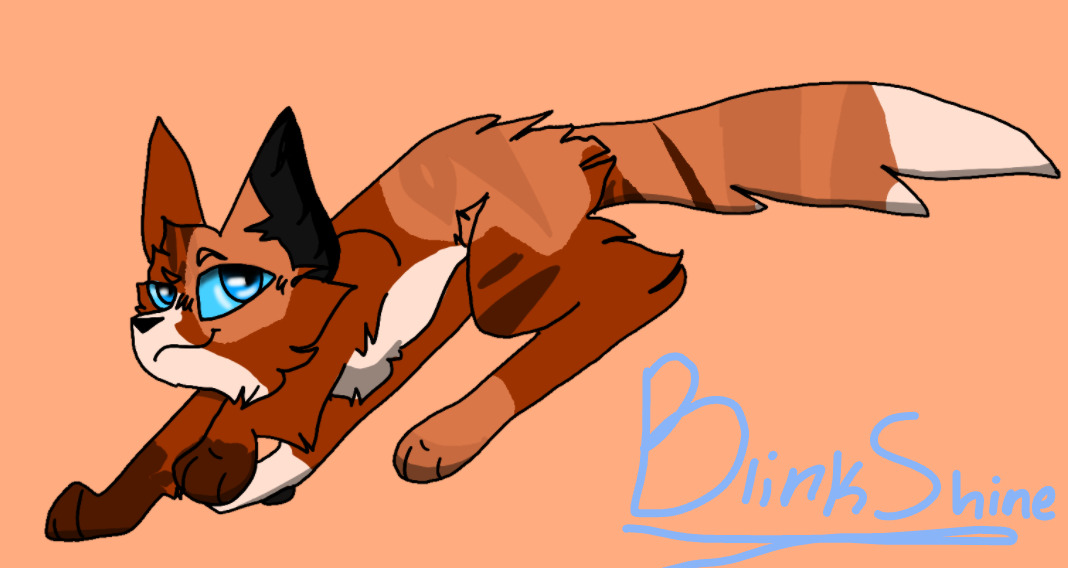
Creating a Warrior Cats original character is part drawing lesson, part storytelling exercise, and part highly enjoyable excuse to spend 40 minutes deciding whether one tiny white paw means “mysterious past” or “stepped in snow once.” A strong Warrior Cats OC is more than a pretty cat with dramatic eye color. Their build, markings, pose, Clan, rank, and expression should all suggest a life beyond the page.
This guide walks through how to draw a Warrior Cats OC from the first spark of an idea to a finished illustration or character reference sheet. Whether you use pencil and paper, a drawing tablet, or a suspiciously overworked phone app, the goal is the same: make a feline character who feels original, readable, and ready to sprint into the forest at a moment’s notice.
Start With the Story, Not the Stripe Pattern
Before drawing a single whisker, give your character a simple foundation. In the Warriors world, Clans are associated with distinct territories, skills, and beliefs, so choosing a Clan can immediately guide your OC’s appearance and personality.
Ask a few quick questions:
- What Clan does your Warrior Cats OC belong to?
- Are they a kit, apprentice, warrior, medicine cat, elder, deputy, leader, loner, rogue, or kittypet?
- What do they want more than anything?
- What are they especially good at?
- What problem follows them around like a burr in their fur?
You do not need to write a 40-page biography before sketching. A few specific details are enough. For example, imagine Juniperbreeze, a WindClan warrior with a lean body, a chipped ear, pale green eyes, and a habit of volunteering for patrols before anyone can ask why she is nervous. Suddenly, her body type, scar, pose, and facial expression all have a reason to exist.
A character design works best when visual details support the story. A broad-shouldered cat might suggest strength or a history of hard work. A tidy coat could hint at discipline. A messy long-haired cat may look like they have recently survived a storm, a battle, or an unfortunate encounter with a very judgmental bramble bush.
Choose a Clan-Inspired Silhouette
Silhouette is the overall outline of your cat before colors, markings, and tiny decorative details appear. It matters because readers should be able to recognize the basic personality of your OC even as a small sketch.
ThunderClan Characters
ThunderClan-inspired cats often look sturdy, adaptable, and comfortable in woodland terrain. Try medium-to-large builds, strong forelegs, rounded paws, and practical fur lengths. Their poses can feel grounded: standing firmly, crouching near ferns, or looking upward from beneath tree cover.
RiverClan Characters
For a RiverClan feel, use sleeker outlines, smooth fur shapes, and fluid poses. A RiverClan warrior can look elegant without becoming a floating fashion model with whiskers. Consider a long tail, slightly webbed-looking paw shapes, or fur that appears heavier around the chest and belly after a swim.
WindClan Characters
WindClan OCs often suit lean, quick silhouettes. Longer legs, narrow shoulders, alert ears, and movement-focused poses help communicate speed. A running or crouched pose works especially well, as though your cat has just heard a rabbit whisper an insult from three fields away.
ShadowClan and SkyClan Characters
ShadowClan-inspired cats may have sharper shapes, stronger contrast, and stealthier posture. SkyClan-inspired designs can benefit from athletic limbs, expressive paws, and climbing-ready poses. These are not strict rules; they are visual starting points. The fun begins when you bend them with purpose.
Build a Believable Cat Body Before Adding Fur
Even a stylized Warrior Cats drawing benefits from basic feline structure. Cats are flexible, muscular animals with bodies built for balance, quick turns, jumping, and stalking. Their ears, tails, posture, and whiskers also contribute to visual communication.
Start your sketch with simple shapes rather than immediately drawing fur. Use a circle or rounded wedge for the head, an oval for the rib cage, a smaller oval for the hips, and curved lines for the spine. Add cylinders for the legs and a long tapering curve for the tail.
The spine is the secret ingredient. A stiff, straight back can make your cat look like a sofa with anxiety. A gentle curve gives the body life. For a calm standing pose, keep the spine smooth and relaxed. For a stalking pose, lower the chest, raise the hips slightly, and stretch the neck forward. For a leap, let the body lengthen into a curved arc.
Pay attention to leg placement. Cats do not stand like four identical table legs. The front legs usually carry more of the visible chest weight, while the back legs bend at angles that help the cat spring, crouch, and pivot. Sketch from photo references when possible, especially for difficult poses such as climbing, pouncing, or looking over a shoulder.
Do not panic if your first sketch looks odd. Most artists draw at least one cat that resembles a loaf of bread wearing socks. That is not failure. That is the sketch stage doing its important and occasionally hilarious job.
Draw a Warrior Cats Head With Personality
A cat’s face carries much of the emotion in Warrior Cats fan art. Begin with a rounded head shape, then add a center guideline and a horizontal eye line. Place the muzzle below the eyes, leaving enough room for the nose, mouth, and cheek fur.
Eyes
Large eyes are common in stylized feline character art, but they should still match the mood. Narrower eyes can suggest focus, suspicion, exhaustion, or confidence. Wide eyes can show fear, surprise, curiosity, or the realization that someone has just said “fox” in the middle of camp.
Ears and Whiskers
Ears are not merely decorative triangles. Forward ears can make a character look alert, while ears angled sideways or back can signal tension, annoyance, or fear. Whiskers can reinforce the expression: relaxed whiskers feel calm, while forward whiskers can make a character appear focused or interested.
Muzzles and Cheeks
Use muzzle shape to distinguish characters. A broad muzzle may suit an older, stronger warrior. A narrow muzzle can create a more delicate or sly appearance. Add cheek fur sparingly at first. Too much fluffy detail too early can turn your fearless deputy into a walking decorative pillow.
Design Coat Colors and Markings With Purpose
Warrior Cats OC art becomes more memorable when markings are easy to identify at a glance. Instead of covering every inch of fur with complex patterns, choose one or two major features and a few smaller accents.
Popular cat coat ideas include tabby stripes, tortoiseshell patches, calico markings, solid coats, pointed coloring, white socks, facial blazes, and darker tail tips. Tortoiseshell coats combine orange and black fur, while calico coats add white to that combination.
Try using the “three-detail rule.” Give your OC:
- One major visual feature, such as a dark face mask or white chest.
- One secondary feature, such as broken stripes or a spotted flank.
- One tiny personal marker, such as a scar, ear nick, unusual paw, or leaf-shaped patch.
For instance, Juniperbreeze could have a gray tabby coat, a white chin, and one pale stripe that crosses her left shoulder. That is more memorable than seventy random stripes fighting for attention like they are all trying to become deputy.
Use Poses to Tell the Story
A character standing still on a blank background can be useful for a reference sheet, but a pose gives your Warrior Cats OC a pulse. Dynamic art often begins with an action line: one sweeping curve that shows the direction and energy of the body. Art instruction for character posing commonly emphasizes balance, force, and gesture before surface details.
Match the pose to the personality. A loyal guard might stand upright with their chest open and tail low. A shy medicine cat could sit with their paws tucked close and gaze slightly turned away. A reckless apprentice may be drawn mid-leap, paws outstretched, making a decision that will definitely require an elder to sigh later.
Background elements can strengthen the scene without overwhelming it. Add reeds for RiverClan, wind-bent grass for WindClan, mossy roots for ThunderClan, shadowy pines for ShadowClan, or high branches for SkyClan. Keep the environment simpler than the character so the viewer knows where to look first.
Create a Warrior Cats OC Reference Sheet
A character reference sheet makes future drawings easier and helps keep your design consistent. Include a full-body side view, a front-facing headshot, a small color palette, and a few notes about personality or rank.
Your reference sheet can include:
- Name, Clan, rank, and pronouns
- Coat colors and key markings
- Eye color and scar placement
- Tail shape, ear details, and fur length
- Three personality traits
- One fear, one strength, and one important relationship
Use labels only where they add value. A note saying “gray tabby” is helpful. A note saying “this is a tail” may be less necessary unless your character has somehow become a pinecone. Clean references make it easier to redraw your OC for comics, roleplay profiles, animation practice, or future fan art challenges.
Digital and Traditional Drawing Tips
For traditional art, begin with a light pencil sketch, then darken only the best lines. Use colored pencils, markers, or watercolor carefully, building color in layers rather than pressing hard immediately. Let lighter fur areas remain visible so the design does not become a single flat block of color.
For digital cat art, work in layers. Keep the sketch on one layer, line art on another, flat colors beneath the line art, and shadows or highlights above the colors. Separate layers make it easier to fix a misplaced stripe, recolor an eye, or remove the accidental blob that somehow became the most confident part of the drawing.
Choose a limited palette. Base coat color, shadow color, highlight color, eye color, and one accent color are usually enough. Strong design is not about using every color available; it is about making each color feel intentional.
Common Warrior Cats OC Drawing Mistakes to Avoid
The biggest mistake is not “drawing badly.” Every artist starts somewhere, and every sketchbook contains evidence. The real problem is making a design so busy that it becomes hard to understand.
Avoid giving every OC glowing eyes, giant wings, five necklaces, six tragic scars, impossible rainbow fur, and a secret prophecy before you know who they are. You can absolutely create fantastical designs for alternate universes, but give unusual features a story purpose. A design becomes more powerful when the viewer can tell what matters.
Also avoid copying another artist’s OC too closely. Use references to learn anatomy, poses, color combinations, and rendering techniques, but create your own markings, personality, name, and story. Inspiration is a trail marker. Copying someone’s character is walking directly into their den and claiming you live there now.
A Simple Workflow for Drawing Your OC
- Write one sentence describing your character.
- Choose a Clan, role, body type, and fur length.
- Sketch three quick silhouettes.
- Select the clearest silhouette and build the body with simple shapes.
- Draw the head, ears, tail, paws, and basic fur outline.
- Add a limited coat pattern and one memorable detail.
- Choose a pose that reveals personality.
- Clean the line art, add colors, and use light shadows.
- Create a mini reference sheet for future consistency.
The first version does not have to be final. Save your sketch, revisit it later, and compare it with new work. Your OC can evolve as your art skills grow. In fact, looking back at an old character design and deciding to update it is practically a rite of passage for artists.
Artist’s Field Notes: The Experience of Drawing a Warrior Cats OC
Drawing a Warrior Cats OC is often more personal than artists expect. At first, it may seem like a simple fan-art project: pick a cat name, add stripes, make the eyes dramatic, and move on. But somewhere between the second sketch and the fifth attempt at drawing paws, the character starts to feel like someone with opinions. They have a favorite place to sleep. They dislike one particular warrior. They are brave in a crisis but terrible at apologizing. Suddenly, the drawing is not only about fur; it is about storytelling.
One of the most rewarding experiences is seeing improvement through the same character. Your first drawing may show a cat with uneven legs, oversized ears, and a tail that appears to have its own career plans. Months later, you redraw that OC and notice better anatomy, cleaner line work, stronger lighting, and more confident expressions. The character becomes a little time capsule for your growth as an artist.
There is also something comforting about the revision process. You might change a coat pattern because it feels too similar to another character. You might redesign the eyes because the original color was difficult to read against the fur. You may replace a dramatic scar with a smaller one that better fits the backstory. These changes do not mean you “got it wrong.” They mean you are learning how visual choices affect a character’s identity.
Many artists discover that drawing feline characters builds observation skills. You start noticing how cats curl their paws when resting, how their shoulders move when they walk, how the tail changes shape with mood, and how fur looks different in sun, rain, and shadow. Cats communicate through posture, ears, eyes, tails, and whiskers, which gives artists a huge toolbox for showing emotion without dialogue.
Sharing a Warrior Cats OC can be exciting too. A small sketch may inspire a friend to create a sibling character, a rival, or an entire fan Clan. Collaborative creativity is one of the reasons original characters remain so fun. Just remember that feedback is useful, but it does not have to control every choice. Listen for practical suggestions, such as “the markings are hard to see” or “the pose looks off balance,” then decide what serves your vision.
Most importantly, let the process stay playful. Draw a serious battle scene one day and a ridiculous campfire scene the next. Create a polished reference sheet, then make a messy doodle of your deputy trying to catch a falling leaf. Your Warrior Cats OC does not need to be perfect to be meaningful. They only need to feel like yours.