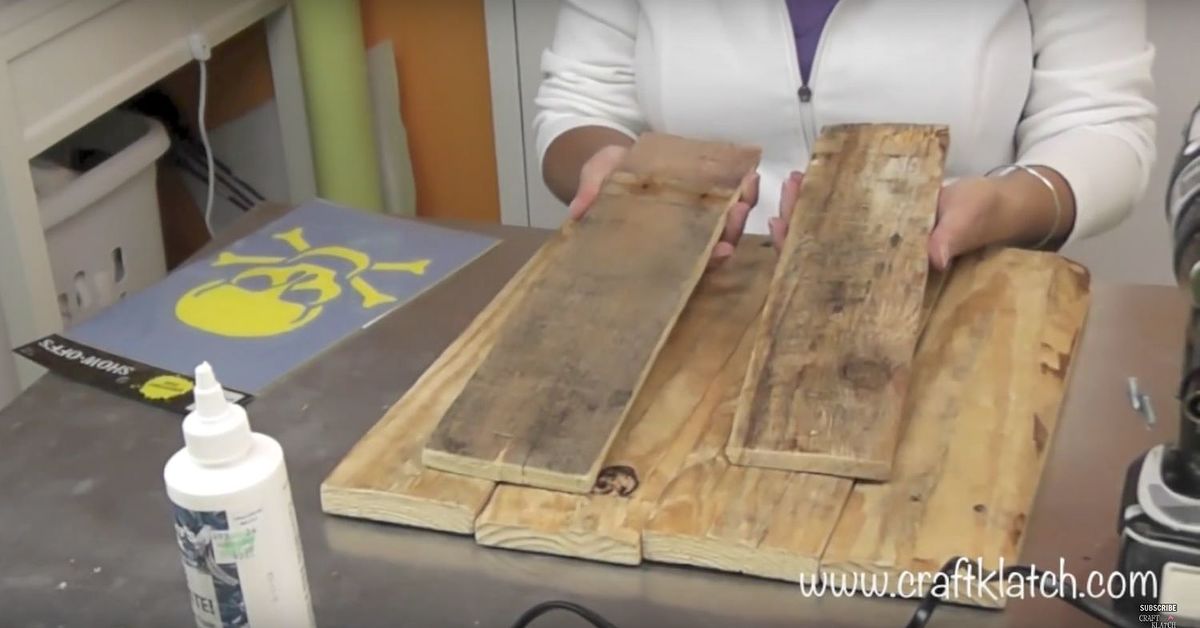
Reclaimed pallet wood wall decor is one of those rare home projects that checks almost every box: affordable, character-packed, customizable, eco-friendly, and just rustic enough to make your living room look like it owns a pair of well-worn leather boots. Whether you want a farmhouse accent wall, a modern-rustic gallery backdrop, a cozy bedroom feature, or a small piece of handmade pallet wall art, old shipping wood can become something surprisingly beautiful with the right prep and a little patience.
The charm comes from contrast. Pallet boards are usually imperfect. They have nail holes, saw marks, dents, color shifts, and the occasional “I survived a warehouse” attitude. Instead of hiding those details, reclaimed wood decor celebrates them. A clean white wall says, “I just moved in.” A pallet wood accent wall says, “I have stories, texture, and possibly a favorite cast-iron skillet.”
But before you grab the first pallet behind a store and start swinging a hammer like a weekend warrior in a renovation montage, it is worth understanding how to choose safe wood, design a balanced layout, prepare the boards, and install them so your wall looks intentionalnot like a raccoon built a tiny fence indoors.
What Is Reclaimed Pallet Wood Wall Decor?
Reclaimed pallet wood wall decor refers to decorative wall features made from used wooden shipping pallets. The boards may be installed directly as a full accent wall, arranged as framed wall art, used as a rustic backdrop for shelves, or cut into geometric designs such as chevron, herringbone, stripes, mountain silhouettes, or patchwork panels.
Unlike new lumber, reclaimed pallet wood already has natural variation. One board may be golden and smooth, another gray and weathered, another full of knots and nail stains. That inconsistency is the point. It gives the finished piece warmth, movement, and depth that flat paint or mass-produced wall panels often lack.
Popular styles for pallet wood wall decor
Reclaimed pallet wood can fit more interiors than people expect. It is not limited to farmhouse decor, although yes, it does look excellent near a chunky knit blanket and a suspiciously perfect stack of firewood.
Common design styles include rustic farmhouse, industrial loft, coastal weathered wood, cabin-inspired, modern organic, boho, Southwestern, masculine office decor, and even minimalist interiors when the boards are sanded, stained evenly, and arranged with clean spacing.
Why Pallet Wood Works So Well on Walls
The biggest advantage of reclaimed pallet wood wall decor is visual texture. A pallet wall breaks up plain drywall and instantly creates a focal point. It can make a bedroom feel warmer, a dining room feel more intimate, an entryway feel more memorable, or a home office feel less like a laptop punishment chamber.
Another benefit is cost. Pallets are often inexpensive or free when sourced responsibly from local businesses, warehouses, garden centers, hardware stores, or online marketplaces. Even when you buy cleaned and prepared reclaimed pallet boards, the cost can still be lower than many premium wall paneling products.
Finally, pallet wood supports sustainable decorating. Repurposing existing wood helps reduce waste and gives discarded materials a second life. Instead of sending weathered boards to a landfill, you turn them into something useful, personal, and frankly much better looking than their previous job of carrying boxes of printer paper.
Safety First: How to Choose Pallet Wood for Indoor Decor
Not every pallet is a good candidate for interior wall decor. Some pallets may have been exposed to chemicals, spills, pests, mold, food residue, or harsh outdoor conditions. A beautiful rustic board is great. A mystery board that smells like chemicals and regret is not.
Look for heat-treated pallets
When possible, choose pallets marked with “HT,” which means heat treated. Heat treatment is commonly used to reduce pest risk in wood packaging. Avoid pallets marked “MB,” which indicates methyl bromide fumigation. For home decor, it is best to skip chemically treated, stained, oily, moldy, or heavily painted pallets unless you know exactly what they were treated with.
Avoid questionable pallets
Do not use pallets that have carried chemicals, pesticides, automotive fluids, raw meat, or unknown industrial products. Also avoid wood that smells musty, feels damp, has visible mold, shows powdery insect damage, or is warped beyond practical use. If a pallet looks like it was pulled from a swamp, believe the swamp.
Be careful with old painted wood
If you are using reclaimed wood from old buildings, fences, crates, or painted pallets, remember that older paint may contain lead. Sanding or cutting painted vintage wood can create hazardous dust. When in doubt, test the paint, use proper protective equipment, or choose clean, unpainted boards instead.
Tools and Materials You May Need
You do not need a professional woodshop to create reclaimed pallet wood wall decor. However, having the right tools makes the process smoother and keeps your project from turning into an emotional support exercise with splinters.
Basic tool list
- Pry bar or pallet buster
- Hammer and nail punch
- Work gloves and safety glasses
- Dust mask or respirator for sanding
- Orbital sander or sanding block
- Miter saw, circular saw, or hand saw
- Tape measure and level
- Stud finder
- Brad nailer, finish nails, or screws
- Construction adhesive
- Plywood backer board, if needed
- Wood stain, clear sealer, or matte polyurethane
For small pallet wall art pieces, you may only need a saw, sandpaper, wood glue, clamps, hanging hardware, and a simple frame. For a full accent wall, plan on using stronger fastening methods and more careful layout work.
Design Ideas for Reclaimed Pallet Wood Wall Decor
The best pallet wood wall decor starts with a plan. Random can look artistic, but only when it is secretly organized. Otherwise, random looks like you lost a wrestling match with a lumber pile.
1. Full pallet wood accent wall
A full accent wall is the classic choice. Boards are installed horizontally, vertically, diagonally, or in mixed lengths across one wall. This works beautifully behind a bed, sofa, dining bench, fireplace, media console, or desk.
Horizontal boards make a room feel wider. Vertical boards make ceilings feel taller. Diagonal boards add movement and energy. Mixed-length boards create a casual patchwork effect that suits farmhouse, cabin, or industrial spaces.
2. Framed pallet wood wall art
If you are not ready to commit to an entire wall, start with framed pallet wall art. Arrange boards inside a simple wood frame and hang the piece like oversized artwork. You can stain the boards in different tones, paint a quote, add metal lettering, mount hooks, or create a mountain landscape with angled cuts.
This option is renter-friendly because it avoids permanent wall coverage. It is also easier to move if you change rooms, homes, or design personalities. We all have phases. Some people try bangs. Some people install reclaimed wood.
3. Herringbone or chevron pallet wall
Herringbone and chevron patterns give pallet wood a more polished, designer look. The angled pattern adds rhythm while still letting the reclaimed grain shine. This style works especially well in entryways, powder rooms, home bars, and behind open shelving.
The trade-off is precision. You will need accurate cuts, consistent angles, and patience. Herringbone is not difficult, but it does punish “close enough” measuring. Measure twice, cut once, and then measure again because wood has a sense of humor.
4. Pallet wood shelf backdrop
Install reclaimed boards behind floating shelves to create a textured display zone. This is a practical way to add character without covering a full wall. It works in kitchens, coffee bars, bathrooms, offices, and laundry rooms.
For example, a small coffee station with a pallet wood backdrop, black metal brackets, white mugs, and a tiny plant can look intentionally styled instead of “this is where caffeine happens because survival.”
5. Rustic headboard wall
A reclaimed pallet wood wall behind the bed can replace a traditional headboard. Use smoother boards, sand carefully, and seal the surface so pillows, hair, and bedding do not meet surprise splinters. Keep the color palette soft for bedrooms: warm brown, gray wash, natural matte, or whitewashed wood.
How to Prepare Pallet Wood for Wall Decor
Preparation is where the project becomes successful. Skipping prep is tempting, especially when you are excited, but raw pallet boards are not ready to become interior decor the moment you pry them loose. They need cleaning, drying, sanding, sorting, and finishing.
Step 1: Break down the pallets carefully
Use a pallet buster or pry bar to remove boards from the frame. Work slowly to avoid splitting the wood. Pallet boards can be brittle, especially if they are old, dry, or nailed with industrial enthusiasm. Remove or punch down all nails and staples.
Step 2: Clean the boards
Brush off dirt and debris, then wash the boards with mild soap and water if needed. Allow them to dry completely before sanding or sealing. Do not trap moisture behind a wall installation. Moisture is how you invite mold, and mold is not a design style.
Step 3: Sand for touch safety
Sand the front, sides, and cut edges of each board. You do not have to erase every mark; the character is valuable. The goal is to remove splinters, rough fibers, grime, and sharp corners. For a rustic look, use medium-grit sandpaper and finish lightly. For a more refined look, progress to a finer grit.
Step 4: Sort boards by color and width
Lay the boards on the floor before installation. Sort them by tone, thickness, length, and texture. Mix light, medium, and dark pieces evenly so one corner of the wall does not look like it joined a different project.
Step 5: Seal the wood
A clear matte sealer, water-based polyurethane, or low-sheen finish helps reduce dust, protect the wood, and make the wall easier to clean. If you prefer color, use stain, whitewash, gray wash, or diluted paint. Test finishes on scrap pieces first because reclaimed wood absorbs color unevenly.
How to Install a Reclaimed Pallet Wood Accent Wall
There are two common installation methods: attach boards directly to wall studs or drywall with adhesive and nails, or mount them to a plywood backer first. A plywood backer can make installation easier, especially if the boards are irregular or if you want a stronger nailing surface.
Step 1: Prepare the wall
Remove outlet covers, artwork, nails, and wall fixtures. Clean the wall surface. Paint the wall behind the boards a dark neutral color if gaps may show. Black, charcoal, or deep brown helps shadow lines disappear.
Step 2: Mark studs and level lines
Use a stud finder and mark stud locations. Draw a level starting line. Floors and ceilings are not always perfectly straight, especially in older homes. Trust your level more than your eyeballs. Your eyeballs are optimistic little liars.
Step 3: Start from the most visible area
Begin installation where the eye naturally lands, such as the center of the wall or the top line behind a bed or sofa. Use a mix of board lengths and tones. Stagger seams so they do not line up vertically unless you are intentionally creating a grid.
Step 4: Attach boards securely
Apply construction adhesive to the back of each board and secure it with brad nails or finish nails. If you are installing over plywood, nails have more holding power and placement flexibility. If attaching directly to drywall, make sure enough fasteners reach studs or use a proper backing system.
Step 5: Cut around outlets and edges
Measure carefully around outlets, switches, windows, trim, and corners. Use outlet box extenders if the finished wood surface makes electrical boxes too recessed. For safety, turn off power before working around electrical fixtures, and consult an electrician if you are unsure.
Step 6: Finish the edges
Use trim boards, corner molding, or carefully cut edge pieces to create a clean border. A finished edge is the difference between “custom feature wall” and “I got tired at 11:43 p.m. and accepted chaos.”
Color and Finish Options
The finish determines whether your reclaimed pallet wood wall decor feels rugged, polished, vintage, coastal, or modern. Natural wood is timeless, but small finish decisions can completely change the mood.
Natural matte finish
This preserves the original pallet character while making the surface cleaner and easier to maintain. Choose this if the boards already have attractive variation.
Whitewashed pallet wood
Whitewash softens rustic wood and makes it feel brighter. It works well in coastal, cottage, Scandinavian, and farmhouse interiors. Apply diluted white paint, wipe it back quickly, and seal when dry.
Gray wash
Gray wash gives pallet boards a weathered, driftwood-inspired look. It pairs well with black metal, linen fabrics, concrete accents, and modern rustic rooms.
Dark stain
Dark stain creates drama and richness. It is a strong choice for home bars, offices, media rooms, and dining spaces. Use it carefully in small rooms because dark wood can visually shrink a space.
Where to Use Reclaimed Pallet Wood Wall Decor
Pallet wood decor works best where texture can become a focal point without overwhelming the room. One feature wall is usually enough. Covering every wall in pallet wood can feel cozy, but it can also feel like you accidentally moved into a stylish shipping crate.
Living room
Use pallet wood behind the sofa, around a fireplace, or as a media wall. Pair it with simple furniture so the wall remains the star. Add soft textiles to balance the rough texture.
Bedroom
A pallet wood headboard wall creates warmth and comfort. Choose smoother boards and lighter finishes to keep the room restful. Add wall sconces for a boutique-hotel effect without boutique-hotel prices.
Entryway
A small pallet wall with hooks, a bench, and a mirror creates a functional drop zone. This is ideal for keys, bags, coats, hats, and the mysterious object you keep meaning to put somewhere else.
Kitchen or coffee bar
Use sealed pallet boards as a decorative backsplash area behind open shelves or a coffee station. Avoid placing raw wood directly behind wet areas or cooking zones unless it is properly sealed and installed according to local safety requirements.
Home office
A reclaimed wood wall behind your desk creates a warm video-call background. It says “creative professional” instead of “I forgot to hide the laundry basket.”
Maintenance Tips for Pallet Wood Wall Decor
Reclaimed wood wall decor is relatively low maintenance once installed and sealed. Dust it regularly with a microfiber cloth, soft brush, or vacuum brush attachment. Avoid soaking the wood with water. For stains, wipe gently with a slightly damp cloth and mild cleaner, then dry immediately.
Check occasionally for loose boards, lifted edges, or exposed nail heads. If your wall is in a humid room, watch for signs of moisture. Proper ventilation matters, especially in bathrooms, basements, and laundry rooms.
Common Mistakes to Avoid
Using unsafe pallets
Do not use pallets with unknown chemical exposure, mold, oil stains, strong odors, or questionable markings. Saving money is great. Turning your wall into a science experiment is not.
Skipping sanding
Even rustic decor should be touch-safe. Sand sharp edges and splinters before installation, especially in bedrooms, hallways, or homes with children and pets.
Ignoring board thickness
Pallet boards often vary in thickness. If you want a smoother finished wall, plane or sand boards more evenly. If you like a rugged 3D texture, embrace the variation but keep extreme differences under control.
Forgetting about outlets
Wood adds depth to the wall. Plan outlet extensions, switch plates, and safe electrical access before installation. This detail is small but important.
Overdoing the rustic theme
A pallet wall looks best when balanced with clean lines, soft fabrics, modern lighting, or simple decor. Too many rustic elements can make a room feel like a themed restaurant where the menu comes on a shovel.
Budget-Friendly Examples
A simple framed pallet sign can be made from three or four boards, a scrap frame, stain, and hanging hardware. It is perfect for an entryway, porch, or kitchen wall.
A bedroom headboard wall may require several pallets, depending on wall size and board yield. Use a plywood backing panel, attach the prepared boards in staggered rows, and seal everything with a matte clear coat.
A modern geometric pallet panel can be built by cutting short boards at 45-degree angles and arranging them in a square frame. Stain alternating pieces in light oak, walnut, and gray wash for contrast. The result looks expensive, even if the original pallet once carried lawn fertilizer and had no idea it was destined for greatness.
of Real-World Experience: What Actually Matters When Making Pallet Wood Wall Decor
After working with reclaimed pallet wood, one lesson becomes clear very quickly: the wood has opinions. New lumber behaves like it read the instruction manual. Pallet wood behaves like it was raised by forklifts and weather. Some boards are twisted, some are cracked, some are full of stubborn nails, and some look perfect until you cut them and discover they were only pretending.
The first practical experience is that collecting pallets is not the same as collecting usable boards. One pallet may produce only a few attractive pieces. Another may fall apart into splinters the moment you pry it open. It is smart to gather more material than your measurements suggest. If your wall requires 40 square feet of coverage, plan extra for broken boards, bad cuts, color balancing, and those moments when the saw eats half an inch because you measured while emotionally confident.
The second experience is that cleaning and sanding take longer than installation. Many beginners imagine the hard part is nailing boards to the wall. In reality, the slow work happens before the first board goes up. Removing nails, scrubbing dirt, drying wood, sanding rough edges, and sorting boards by tone can take hours. But that prep work is what makes the final wall look warm and intentional instead of dusty and questionable.
Another important lesson is to lay out the design on the floor first. This simple step prevents awkward clusters of dark boards, repeated seams, and strange color patches. A good pallet wall should look naturally random, but “naturally random” is usually carefully arranged. Step back often. Take a photo of the layout. Photos reveal imbalance faster than standing two feet away while holding a nail gun and hope.
Board spacing also matters. Some people prefer tight seams; others like small gaps that show shadow lines. Both can look good, but consistency is key. If the boards are uneven, a dark-painted wall behind them helps hide gaps. This trick is especially useful with weathered boards that are not perfectly square.
Finishing is another area where experience saves disappointment. Raw pallet wood can shed dust and snag cloth. A matte clear coat keeps the natural look while making the surface cleaner. Glossy finishes can look too shiny on rustic wood, so satin or matte is usually safer. Always test stain first because reclaimed wood absorbs unevenly. One board may turn honey brown, while the next turns almost black and acts like it has a dramatic backstory.
Finally, start small if you are new to DIY. A framed pallet art panel, shelf backdrop, or headboard section teaches the same skills without requiring a full-room commitment. Once you understand how the wood cuts, sands, stains, and installs, a larger accent wall becomes much easier. Reclaimed pallet wood decor is not about perfection. It is about texture, story, patience, and the satisfying feeling of turning discarded boards into something guests notice immediately and ask about before they even sit down.
Conclusion
Reclaimed pallet wood wall decor is a practical and stylish way to add warmth, texture, and personality to your home. It can be rustic or refined, simple or dramatic, tiny or room-transforming. The key is to choose safe pallet wood, prepare it properly, plan the layout, seal the boards, and install everything with care.
When done well, pallet wood decor does more than cover a wall. It gives the room a focal point with history, depth, and handmade charm. It proves that beautiful design does not always require expensive materials. Sometimes it starts with a humble shipping pallet, a free weekend, and the brave decision to believe that “slightly weathered” can become “beautifully reclaimed.”
Note: This article is written for general DIY and home decor guidance. Always use safe materials, wear proper protective equipment, and consult qualified professionals for electrical work, structural concerns, lead paint, mold, or uncertain wood treatments.