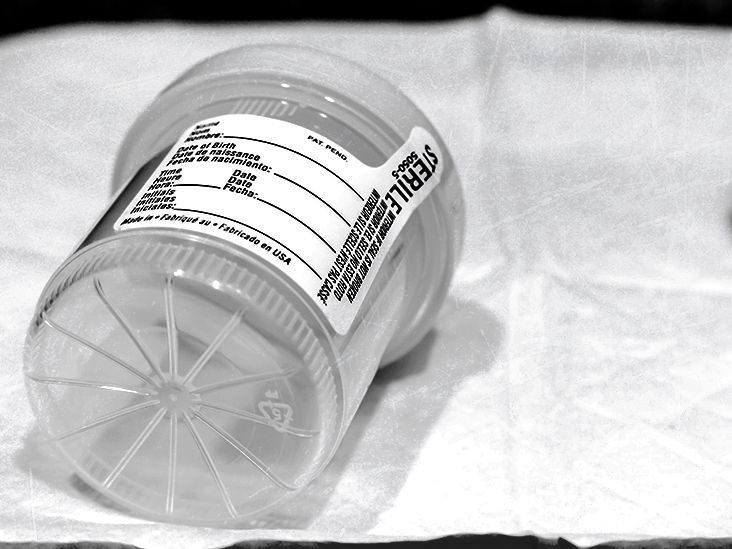
Finding out you have protein in your urine can sound dramatic, like your kidneys just sent you a strongly worded resignation letter. In reality, protein in urine, also called proteinuria, is not a disease by itself. It is a clue. Sometimes it is a small, temporary blip after hard exercise, dehydration, or a fever. Other times, it is one of the earliest signs that your kidneys need attention.
Your kidneys are supposed to be excellent gatekeepers. They filter waste and extra fluid out of your blood while keeping important things, including protein, where they belong. When protein starts showing up in urine, it usually means those filters are being a little too generous. That can happen for harmless short-term reasons, but it can also point to kidney disease, diabetes-related kidney damage, high blood pressure, pregnancy complications, or other health conditions.
This guide explains what proteinuria means, what causes it, what symptoms to watch for, how it is diagnosed, and what treatment may look like. It also includes practical examples and a longer section on what real-life experiences with proteinuria often feel like, because lab results are one thing and living with them is another.
What is protein in urine?
Proteinuria means there is more protein in your urine than there should be. The protein most often discussed is albumin, which is why you may also hear the term albuminuria. A tiny amount of protein in urine can be normal. A larger or persistent amount is more concerning.
Think of your kidneys as two highly skilled coffee filters. Their job is to let waste and extra water pass through while keeping useful substances, including protein, in your bloodstream. When the kidney filters or tubules are damaged, protein can leak out and end up in your urine. Not exactly the kind of leak anyone wants to troubleshoot.
Proteinuria vs. albuminuria
These terms are often used almost interchangeably in everyday health writing, but they are not perfectly identical. Proteinuria means excess protein in the urine in general. Albuminuria means the protein is specifically albumin, the main protein measured when doctors are checking for early kidney damage. In practice, if your doctor talks about a urine albumin-to-creatinine ratio or UACR, they are looking closely at albumin because it is a key marker of kidney health.
What causes protein in urine?
The causes of proteinuria fall into two big buckets: temporary causes and persistent causes. That distinction matters because a single abnormal urine test does not automatically mean you have chronic kidney disease.
Temporary causes of proteinuria
Sometimes protein appears in urine for a short time and then disappears. This can happen with:
- Dehydration
- Fever or acute illness
- High stress
- Strenuous exercise
- Exposure to very cold temperatures
- Pregnancy
For example, a person who runs a hard race on a hot day, forgets to hydrate, and then gives a urine sample right afterward may have a temporary spike in urine protein. That result can look alarming on paper, but it may not represent lasting kidney damage.
Persistent or long-term causes
When proteinuria keeps showing up on repeat tests, doctors look more closely for underlying problems. Common long-term causes include:
- Chronic kidney disease
- Diabetic kidney disease or diabetic nephropathy
- High blood pressure
- Glomerulonephritis, or inflammation of the kidney filters
- Focal segmental glomerulosclerosis (FSGS)
- IgA nephropathy
- Lupus and other autoimmune conditions
- Nephrotic syndrome
- Preeclampsia during pregnancy
- Less common conditions such as certain blood disorders, including multiple myeloma
Diabetes and high blood pressure deserve special attention because they are two of the most common reasons people develop kidney damage over time. In those cases, protein in urine may appear early, before a person feels obviously sick. That is one reason routine screening matters.
A cause that is often harmless in younger people
There is also a form called orthostatic proteinuria, sometimes known as postural proteinuria. This tends to affect children, teens, and young adults. Protein levels may be higher when a person has been upright for a while but normal after lying down. It is usually considered benign and often goes away with time. So yes, sometimes the explanation is less “major kidney drama” and more “your body is being weirdly specific about posture.”
Risk factors that raise the odds
You may be more likely to develop proteinuria if you have:
- Diabetes
- High blood pressure
- A family history of kidney disease
- Heart disease
- Pregnancy, especially if complications develop
- A known kidney disorder
Symptoms of protein in urine
One of the trickiest things about proteinuria is that it often has no symptoms at first. Mild protein leakage may only show up on a urine test during a routine checkup. That is why people are often surprised by the result.
Common symptoms when protein loss becomes more significant
As proteinuria becomes more severe or kidney damage progresses, symptoms may include:
- Foamy, frothy, or bubbly urine
- Swelling in the hands, feet, ankles, face, or abdomen
- Urinating more often
- Nausea or vomiting
- Muscle cramps, especially at night
- General fatigue or feeling unwell
Swelling happens because protein helps keep fluid balanced in your bloodstream. When too much protein leaks out into urine, fluid can shift into the tissues. The result can be puffy eyes, swollen ankles, or a belly that suddenly feels tighter than usual.
When to call a doctor
You should follow up with a healthcare professional if you notice persistent foamy urine, swelling, or if a urine test repeatedly shows protein. This is especially important if you have diabetes, high blood pressure, a family history of kidney disease, or you are pregnant. During pregnancy, protein in urine can sometimes be part of preeclampsia, which needs prompt medical attention.
How proteinuria is diagnosed
The only reliable way to know whether you have protein in your urine is to test your urine. Symptoms can raise suspicion, but they cannot confirm the diagnosis by themselves.
Common tests doctors use
Your clinician may use one or more of the following:
1. Urine dipstick test
This quick office test can detect protein in a urine sample. It is useful for screening, but it is not always the final word.
2. Urine albumin-to-creatinine ratio (UACR)
This test compares the amount of albumin to creatinine in a urine sample. It is a key tool for evaluating kidney damage, especially in people with diabetes or high blood pressure. In general, a UACR below 30 mg/g is considered normal, while a value 30 mg/g or higher may suggest kidney disease and usually calls for follow-up.
3. First-morning urine sample
A first-morning urine sample can be especially helpful because it is less affected by exercise, posture, and hydration status. It is often preferred when doctors want a cleaner read on whether proteinuria is truly persistent.
4. 24-hour urine protein test
In some situations, your doctor may ask you to collect urine over 24 hours to measure total protein loss. It is not glamorous, but it can provide useful detail.
5. Blood tests and kidney function tests
Doctors often pair urine testing with blood work, including serum creatinine and an estimated glomerular filtration rate, or eGFR. Together, urine albumin and eGFR help show how well your kidneys are working.
Why repeat testing matters
A single abnormal result is not always enough to diagnose a chronic problem. Temporary proteinuria can happen after exercise, fever, dehydration, or stress. That is why doctors often repeat testing over time before deciding whether the issue is transient or persistent.
Treatment for protein in urine
Treatment depends on the cause, not just the lab result. Proteinuria is a signal, so the goal is to figure out what is behind it and then lower the risk of kidney damage and other complications.
Address the underlying condition
If proteinuria is linked to dehydration, a recent illness, or strenuous exercise, the solution may be simple: recover, rehydrate, and repeat the test later. If the cause is more serious, treatment may involve managing kidney disease, diabetes, high blood pressure, or an autoimmune disorder.
Blood pressure and blood sugar control
For many people, the first big priority is getting blood pressure and blood sugar into a healthier range. That is because uncontrolled hypertension and diabetes are major drivers of kidney damage. Better control can lower urine protein levels and help slow disease progression.
Medications
Doctors often prescribe ACE inhibitors or ARBs for people with albuminuria, especially when high blood pressure or chronic kidney disease is involved. These medications do more than lower blood pressure. They can also help reduce the amount of protein leaking into the urine.
Lifestyle changes
Depending on your situation, treatment may also include:
- Drinking enough fluids
- Following a kidney-friendly eating plan if recommended
- Managing blood sugar carefully if you have diabetes
- Limiting sodium when swelling or high blood pressure is a problem
- Staying active in a way your clinician considers safe
- Avoiding smoking
- Keeping follow-up appointments and repeat urine testing
There is no one-size-fits-all proteinuria diet pulled from a magical internet hat. Nutrition advice should match the cause, kidney function, and the rest of your health picture.
Pregnancy and proteinuria
Protein in urine during pregnancy deserves careful evaluation. Sometimes it is temporary and mild. Sometimes it may signal preeclampsia, especially when it appears with high blood pressure, swelling, headaches, or vision changes. That is not a “wait and see forever” situation. It needs prompt medical review.
Can proteinuria be prevented?
You cannot prevent every cause, but you can lower your risk by protecting your kidneys over the long term. The basics are powerful: manage diabetes well, keep blood pressure under control, stay hydrated, get regular checkups, and follow through on urine testing if you are at higher risk.
In plain English: your kidneys love boring consistency. Good blood pressure, steady blood sugar, sensible follow-up, and not treating dehydration like a personality trait can all help.
What living with proteinuria can feel like: common experiences and real-life patterns
For many people, the first experience with proteinuria is not a dramatic symptom. It is a phone call after a routine physical, an annual diabetes visit, a prenatal checkup, or lab work done for something totally unrelated. One day you think you are just checking a box, and the next day someone says, “Your urine showed protein.” That can feel confusing because plenty of people with proteinuria feel perfectly normal at first.
A common experience is uncertainty. People often wonder whether they did something wrong the day before the test. Maybe they exercised hard, drank too little water, had a fever, or were under a lot of stress. Sometimes that really does explain it. In those cases, repeat testing may come back normal, which can be a huge relief. But the waiting period between the first abnormal result and the follow-up test can feel longer than it should, especially if a person starts reading random internet posts written with all the calm energy of a disaster movie trailer.
Another very real experience is the disconnect between symptoms and seriousness. Someone with mild but persistent proteinuria may feel fine, while another person with heavier protein loss may notice puffy eyes in the morning, ankle swelling by evening, or urine that looks unusually foamy. Because those changes can seem subtle, people may brush them off. Swollen feet get blamed on a long workday. Foamy urine gets blamed on bathroom physics. Sometimes it is nothing major. Sometimes it is the body dropping hints that deserve a real check-in.
People with diabetes or high blood pressure often describe proteinuria as a wake-up call. It turns a condition they already know about into something more concrete. Blood sugar numbers and blood pressure readings are one thing, but hearing that your kidneys may already be affected can make the situation feel suddenly personal. That moment can be scary, but it can also be useful. Many people end up tightening their treatment routine, taking medications more consistently, improving meals, or finally scheduling the specialist appointment they kept postponing.
Pregnancy brings a different emotional layer. A pregnant person who hears about protein in urine may immediately worry about the baby, their blood pressure, and whether this means bed rest, hospital monitoring, or something more urgent. The uncertainty can be intense, which is why careful monitoring matters so much. In that setting, clear communication from a clinician is gold.
Teens and younger adults who are told they may have orthostatic proteinuria often have a different experience altogether. Usually, they feel fine. The result may be discovered during a sports physical or school-related exam. Once repeat testing shows the pattern is postural and harmless, the overall mood shifts from fear to “wait, that was it?” That is one of the better plot twists in medicine.
Longer-term, living with proteinuria often becomes a story about monitoring rather than constant symptoms. People get used to terms like UACR, eGFR, nephrologist, and repeat urine sample. They may not love those words, but they learn them. Over time, many people also learn that proteinuria is not always a crisis. It is often a signal to pay attention, manage risk factors, and keep showing up for follow-up care. That may not sound thrilling, but for kidney health, boring and consistent is often exactly what wins.
Conclusion
Protein in urine, or proteinuria, is a sign that something may be affecting your kidneys, but it does not always mean permanent kidney disease. Sometimes it is temporary and harmless. Sometimes it is an early warning that gives you a chance to act before more damage occurs. The key is context: repeat testing, looking at risk factors, and finding the underlying cause.
If you have repeated protein in urine, foamy urine, swelling, diabetes, high blood pressure, or pregnancy-related concerns, it is worth following up. Early detection can make a real difference. Your kidneys may be quiet coworkers, but when they start leaving protein where it does not belong, they are trying to tell you something.
Note: This article is for informational purposes only and is not a substitute for medical advice, diagnosis, or treatment from a licensed healthcare professional.