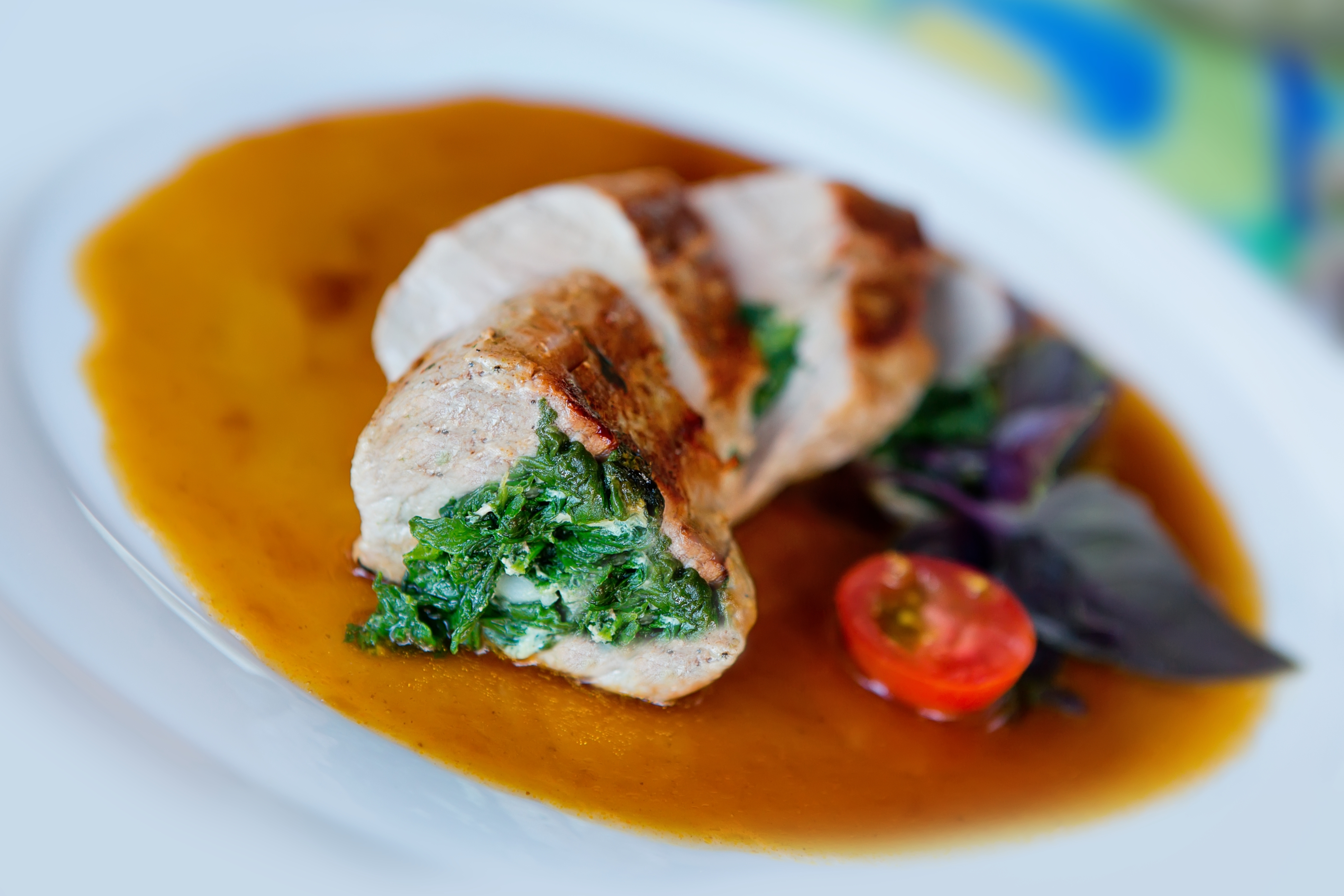
Pork tenderloin is the overachiever of the meat counter. It is lean, quick-cooking, tender, and oddly good at making a weeknight dinner feel like you put on a clean shirt and tried. While beef tenderloin shows up like a luxury car, pork tenderloin rolls in like a smart hatchback: practical, polished, and way more versatile than people give it credit for.
If you have ever wrestled with dry pork, let us clear the air right away: pork tenderloin is not supposed to eat like cardboard with ambition. This cut is best when cooked just right, rested properly, and sliced like you actually want people to enjoy it. Once you understand how it behaves, pork tenderloin becomes one of the easiest proteins to roast, grill, glaze, stir-fry, or turn into a dinner that earns suspiciously enthusiastic compliments.
In this guide, we will break down what pork tenderloin is, how it differs from pork loin, how to buy it, how to cook it without ruining your evening, and which flavors make it shine. We will also cover common mistakes, serving ideas, and real-life experiences that make this cut feel less like a recipe and more like a reliable dinner strategy.
What Is Pork Tenderloin, Exactly?
Pork tenderloin is a long, narrow, boneless cut that comes from the muscle running alongside the backbone. It is prized for being naturally tender, very lean, and fast to cook. Most pork tenderloins weigh around one pound, give or take, which makes them ideal for small households, easy meal prep, and dinners where nobody wants to wait two geological eras for roast meat.
Its mild flavor is one of its biggest strengths. Pork tenderloin happily absorbs marinades, rubs, glazes, herbs, citrus, mustard, garlic, maple, soy, chili, apple, rosemary, balsamic, and just about any flavor combination that has ever made someone nod dramatically at the dinner table. In other words, it plays well with others.
Pork Tenderloin vs. Pork Loin
This matters more than many recipes admit. Pork tenderloin and pork loin are not interchangeable. Pork tenderloin is smaller, thinner, leaner, and designed for quick cooking. Pork loin is larger, wider, and better suited to longer roasting. Swap one for the other and you may accidentally create a dinner mystery with the texture of a shoe insert.
When shopping, read the label carefully. “Pork loin” and “pork tenderloin” may look similar at a glance, but in the kitchen they behave like cousins with very different personalities.
Why Pork Tenderloin Is So Popular
The appeal is pretty simple. Pork tenderloin cooks fast, feels a little fancy, and works with a wide range of cooking methods. It is also a lean choice, which is one reason it often appears in better-for-you meal plans and quick dinner roundups. Because the cut is relatively mild, it can swing savory, smoky, sweet, tangy, spicy, or herb-forward without complaint.
It is also efficient. You can roast it in the oven, sear it in a skillet and finish it in the oven, grill it outdoors, slice it into medallions for a quicker pan cook, or cut it thin for stir-fry. Few proteins do this much with so little drama.
How to Choose the Best Pork Tenderloin
At the store, look for a tenderloin that is pinkish-red, firm, and packaged well, with minimal excess liquid. Some come pre-marinated, but plain tenderloin gives you more control over salt, sugar, and flavor. If you want a blank culinary canvas instead of a mystery bath, buy it unseasoned.
Also check for the silver skin. This is the shiny strip of connective tissue on the outside. Some butchers trim it for you; some apparently enjoy character-building exercises. If it is still attached, remove it before cooking. Silver skin does not melt away like magic. It tightens as it cooks and can make slices chewy.
Should You Marinate It?
Marinating is optional, not mandatory. Pork tenderloin is already tender, so you are marinating more for flavor and moisture support than for texture rescue. A simple marinade with acid, fat, salt, and aromatics works beautifully. Think apple cider vinegar and mustard, soy sauce and garlic, maple and Dijon, or olive oil with lemon, rosemary, and black pepper.
Dry rubs also work well, especially if you plan to roast or grill. A rub built around salt, pepper, garlic powder, paprika, brown sugar, cumin, coriander, or dried herbs creates a flavorful crust without much effort.
How to Cook Pork Tenderloin Without Turning It Into Regret
The single most important rule is this: do not overcook it. Pork tenderloin is lean, so it can dry out quickly. The goal is juicy, slightly blush-toned meat with a flavorful exterior. The hero of this story is not luck. It is an instant-read thermometer.
Cook pork tenderloin to 145°F, then let it rest before slicing. That rest is not decorative. It helps the juices redistribute so they stay in the meat instead of spilling all over the cutting board like they are trying to escape rent.
Oven-Roasted Pork Tenderloin
Roasting is the easiest place to start. Season the tenderloin generously, sear it in an oven-safe skillet if you want extra color, then roast until it reaches temperature. High heat works well because the cut is small and cooks quickly. The result is tender meat with a nicely browned exterior and minimal cleanup, which is the kind of luxury more adults should celebrate.
A classic method is to sear first for crust, then roast until the center hits 145°F. After that, rest it for 5 to 10 minutes and slice across the grain. The slices should be juicy, neat, and suspiciously photogenic.
Grilled Pork Tenderloin
Pork tenderloin is excellent on the grill because its lean profile pairs beautifully with smoke and char. Indirect heat is a smart approach, especially for thicker pieces, because it gives you more control. Many cooks also like a quick sear at the end or beginning for color and flavor.
Grilling works especially well with bold marinades. Mustard, molasses, cider vinegar, soy sauce, honey, garlic, and herbs all love the grill. Add corn, peaches, peppers, or a pile of grilled onions on the side and suddenly dinner looks like it belongs in a magazine spread nobody can afford.
Skillet-to-Oven Method
This method is a weeknight champion. Sear the pork in a hot skillet until golden brown, then transfer the pan to the oven. You get the best of both worlds: a flavorful crust from direct heat and even finishing in the oven. It is fast, practical, and makes you feel more competent than you were fifteen minutes earlier.
Medallions and Stir-Fry
Slice pork tenderloin into medallions when you want a quicker pan-cooking option. Thin slices cook fast and are ideal for pan sauces with mustard, balsamic, cream, mushrooms, or apples. For stir-fry, slice it thinly and cook it over high heat with vegetables, ginger, garlic, soy sauce, and something crunchy. Tenderloin is especially good here because it stays tender when cooked quickly.
Best Flavor Pairings for Pork Tenderloin
Pork tenderloin is basically the white button-down shirt of proteins: clean, adaptable, and improved by accessories. Some of its best pairings include sweet-acidic glazes, herbaceous rubs, and savory pan sauces.
Classic Flavor Combinations
- Apple + mustard: Bright, tangy, and very autumn-with-boundaries.
- Maple + Dijon: Sweet, sharp, and deeply weeknight-friendly.
- Garlic + rosemary: Familiar in the best possible way.
- Soy + ginger + brown sugar: Great for roasting or stir-frying.
- Balsamic + herbs: Excellent with pan sauces and roasted vegetables.
- Chili + lime: Perfect when you want a fresher, spicier direction.
Fruit works particularly well with pork tenderloin because the cut is lean and mild. Apples, pears, cranberries, apricots, peaches, and cherries all show up nicely, especially when balanced with herbs or acidity. This is not dessert pretending to be dinner. This is flavor chemistry doing useful things.
What to Serve with Pork Tenderloin
Because pork tenderloin is lean and elegant, it works with both comfort-food sides and lighter vegetable pairings. You can serve it with mashed potatoes, roasted sweet potatoes, wild rice, quinoa, buttered noodles, or a crusty loaf of bread ready to mop up pan sauce like it was born for the role.
Vegetable sides are equally strong partners. Roasted Brussels sprouts, green beans, carrots, asparagus, fennel, apples, cabbage, squash, broccoli, and mixed sheet-pan vegetables all complement the meat well. If you want balance, pair rich pork sauce with something bright and crisp, like a green salad with vinaigrette or pickled onions. If you want pure comfort, go with potatoes and call it personal growth.
Common Mistakes to Avoid
1. Confusing It with Pork Loin
This is the classic blunder. The cooking times are different, the shape is different, and the results will not forgive optimism.
2. Skipping the Thermometer
Guessing is not a technique. Pork tenderloin cooks quickly, and a thermometer takes out the drama. It is the difference between “perfectly juicy” and “why is dinner squeaking?”
3. Forgetting the Silver Skin
Leave it on and you risk chewy sections that feel like the meat is fighting back. Trim it before cooking for a more tender final result.
4. Slicing Too Soon
Resting matters. Slice immediately and the juices run out. Wait a few minutes and the meat stays moister and more flavorful.
5. Overcrowding the Pan
When searing medallions or sliced pork, overcrowding causes steaming instead of browning. Browning equals flavor. Steaming equals disappointment in a skillet.
Why Pork Tenderloin Works for Modern Home Cooking
Pork tenderloin fits the way many Americans cook now: faster, simpler, more flexible, and still interested in flavor. It works for meal prep, date night, Sunday dinner, healthy-ish lunches, and those evenings when you want something homemade but not emotionally exhausting.
It is also one of those rare proteins that can feel upscale without requiring advanced technique. A little seasoning, the right temperature, and a decent rest time can make even a basic preparation feel restaurant-worthy. That is a strong return on investment for one humble cut of meat.
Real Kitchen Experiences with Pork Tenderloin
Pork tenderloin earns loyalty because it behaves like the friend who shows up on time and brings snacks. Home cooks love it for different reasons, but the same themes come up again and again: it is fast, it looks impressive, and it forgives a busy schedule better than many larger roasts.
One common experience is the weeknight rescue. You stare into the refrigerator, wondering how dinner became your responsibility again, and there it is: a pork tenderloin waiting to be seasoned, seared, and roasted in under half an hour. Toss some vegetables onto a sheet pan, whisk together mustard and maple syrup, and suddenly the kitchen smells like a person with a plan lives there.
Another frequent story is the “accidental dinner party” moment. Pork tenderloin has a knack for looking elegant on a platter. Slice it into medallions, fan them out, spoon over a glossy pan sauce, and people assume effort occurred. The truth is often less glamorous. You used one skillet, one thermometer, and a respectable amount of garlic. But presentation does half the work, and pork tenderloin understands the assignment.
There is also the learning curve many cooks remember well. At first, people often overcook pork because they are using old rules from another era. Then they try cooking tenderloin to the proper temperature, let it rest, and realize pork can actually be juicy. That first successful slice tends to create a little kitchen conversion moment. You look at the meat, look at the cutting board, notice the juices are mostly staying put, and think, “So this is what everybody was talking about.”
Grilling pork tenderloin brings its own kind of satisfaction. The cut is small enough to manage easily, yet substantial enough to feel like real outdoor cooking. It takes marinades beautifully, especially blends with mustard, citrus, soy, garlic, or a touch of sweetness. Many people discover that a grilled pork tenderloin is one of the easiest ways to serve a crowd without dealing with the price tag or timing stress of steak. It feels generous, tastes big, and does not require a culinary pep talk beforehand.
Meal preppers appreciate it for different reasons. Cook one or two tenderloins on Sunday, then slice them for salads, grain bowls, sandwiches, wraps, rice dishes, or quick reheats throughout the week. The flavor stays versatile, especially if you keep the seasoning classic. Pork tenderloin with roasted vegetables on day one can become tacos on day two and a grain bowl on day three without anyone filing a complaint.
There is also a comfort factor that sneaks up on people. Pork tenderloin can go dressy with fruit compotes, wine sauces, or herb crusts, but it can also be deeply familiar. Serve it with mashed potatoes and green beans, and it feels like a reliable American dinner in the best sense. Not flashy. Not fussy. Just good food that makes the table feel like a place worth sitting down for.
Perhaps the best experience of all is confidence. Once a cook understands this cut, it becomes part of the regular rotation. You stop treating it like a special-occasion mystery and start seeing it for what it is: a practical, flavorful, surprisingly flexible ingredient that makes life easier and dinner better. And honestly, any food that can do all that without demanding a three-hour braise deserves a little applause.
Final Thoughts
Pork tenderloin deserves its reputation. It is lean, tender, adaptable, and quick enough for modern schedules without tasting like a compromise. With the right temperature, a little resting time, and flavors that complement its mild character, it can be one of the most dependable meats in your kitchen.
Whether you roast it, grill it, glaze it, slice it into medallions, or tuck it into a weeknight stir-fry, pork tenderloin offers the kind of versatility that makes cooking feel easier and eating feel better. In a world full of overcomplicated dinners, that is a beautiful thing.