Bright, sweet, tropical, and just dramatic enough to stain your cutting board orange, papaya is one of those fruits that looks like it came with its own vacation brochure. But beyond the sunny color and buttery texture, papaya fruit has earned a serious place in healthy eating conversations. It is naturally rich in vitamin C, provides dietary fiber, contains antioxidants such as beta-carotene and lycopene, and brings a unique enzyme called papain to the table.
Still, papaya is not a magical cure-all wrapped in a green-and-gold peel. It has real nutritional advantages, practical culinary uses, and a few important risksespecially for people who are pregnant, allergic to latex, or tempted to treat papaya supplements like harmless candy. This guide breaks down the health benefits of papaya, how to use it, how much makes sense, and when caution is smarter than enthusiasm.
What is papaya?
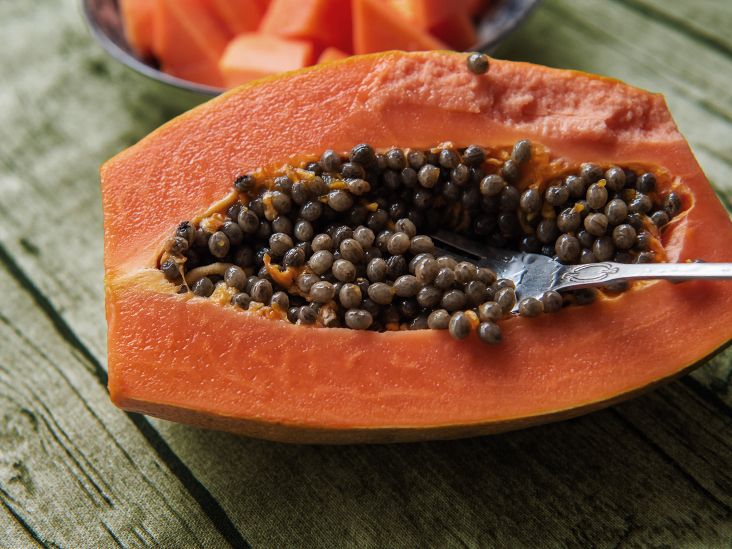
Papaya, also known by its botanical name Carica papaya, is a tropical fruit with soft orange flesh, black peppery seeds, and a mild sweetness that lands somewhere between melon and mango. Ripe papaya usually has yellow-orange skin, a fragrant aroma, and tender flesh that can be scooped with a spoon. Unripe papaya is green, firm, less sweet, and often used in savory dishes such as salads, stews, and pickles.
The fruit is mostly water and carbohydrates, with very little fat. One cup of raw papaya pieces contains about 62 calories, roughly 2.5 grams of fiber, nearly a full day’s worth of vitamin C for many adults, and useful amounts of potassium, folate, magnesium, and vitamin A-related carotenoids. In plain English: papaya gives you a lot of nutrition without demanding a lot of calorie budget.
Papaya nutrition: small calories, big personality
Papaya’s biggest nutritional headline is vitamin C. Vitamin C supports immune function, helps the body make collagen, improves absorption of plant-based iron, and acts as an antioxidant. Papaya also contains fiber, which supports digestive regularity and helps meals feel more satisfying. Potassium contributes to normal muscle and nerve function and is part of a heart-smart eating pattern when it comes from fruits, vegetables, beans, and other minimally processed foods.
Key nutrients in papaya
- Vitamin C: Supports immune health, collagen production, and antioxidant defense.
- Fiber: Helps digestion, bowel regularity, and fullness.
- Potassium: Supports heart, muscle, and nerve function.
- Folate: Important for cell growth and healthy red blood cell formation.
- Carotenoids: Plant pigments such as beta-carotene and lycopene that help protect cells from oxidative stress.
- Papain: A protein-digesting enzyme found especially in papaya latex and unripe fruit.
Because papaya is naturally sweet, people sometimes assume it is “too sugary.” But whole fruit is different from candy or sweetened drinks. Papaya comes packaged with water, fiber, vitamins, minerals, and beneficial plant compounds. The key is portion size and context. A bowl of papaya after lunch is very different from a giant smoothie loaded with juice, syrup, and three fruits pretending to be one serving.
Health benefits of papaya fruit
1. Supports immune health
Papaya is an excellent source of vitamin C, which plays several roles in immune defense. It helps protect cells from oxidative damage and supports the function of white blood cells. Eating papaya will not make you invinciblesadly, fruit does not come with a superhero capebut including vitamin C-rich foods regularly can support the body’s normal defenses.
For a simple immune-friendly snack, pair fresh papaya cubes with plain Greek yogurt, chia seeds, or a handful of walnuts. The combination adds protein, healthy fats, and texture, turning fruit into something that actually keeps you full longer than five minutes.
2. Helps digestion and regularity
Papaya is famous for digestion because it contains fiber and papain. Fiber adds bulk to stool and supports regular bowel movements, while papain helps break down proteins. This is why papaya is sometimes used in meat tenderizers and digestive enzyme products.
However, there is a difference between eating ripe papaya as food and taking concentrated papain supplements. The fruit can be a gentle digestive addition for many people, but supplements may be stronger and more likely to cause side effects or interact with medical conditions. Start with food first. Your stomach usually prefers the polite guest over the loud party crasher.
3. Provides antioxidants for cell protection
Papaya contains antioxidants, including vitamin C, beta-carotene, and lycopene. Antioxidants help neutralize free radicals, unstable molecules that can contribute to oxidative stress. Oxidative stress is linked with aging and many chronic disease processes, although no single food can prevent disease by itself.
The best strategy is variety. Papaya is excellent, but it should live on the same plate with berries, citrus, leafy greens, beans, nuts, whole grains, and other colorful foods. Think of antioxidants like a team sport. Papaya may be a star player, but it still needs teammates.
4. May support heart health
Papaya can fit nicely into a heart-healthy diet because it is low in sodium, naturally cholesterol-free, and provides fiber and potassium. Fiber can help support healthier cholesterol patterns when part of an overall balanced diet, while potassium-rich eating patterns are often encouraged as part of cardiovascular wellness.
That said, papaya alone will not outrun a diet built on fried foods, oversized portions, and “vegetables” that only appear as ketchup. The real benefit comes when papaya replaces less nutritious snacks or becomes part of meals that include whole grains, lean proteins, healthy fats, and plenty of vegetables.
5. Supports skin health and collagen formation
Vitamin C is necessary for collagen production, and collagen helps maintain skin structure. Papaya also contains water, which supports hydration, and carotenoids that contribute to the fruit’s bright orange color. Eating papaya will not erase wrinkles overnight, but it can support skin health from the inside as part of a nutrient-rich diet.
Some people also use papaya in homemade face masks because papain can exfoliate. Be careful with that. Enzymes can irritate skin, especially sensitive skin. A smoothie bowl is safer than turning your face into a chemistry experiment.
6. May support eye health
Papaya contains vitamin A-related carotenoids, including beta-carotene, as well as other plant compounds associated with eye health. These nutrients help support normal vision and protect tissues from oxidative stress. Papaya is not a substitute for eye exams, sunglasses, or managing blood sugar and blood pressure, but it is a smart fruit choice in a vision-friendly diet.
Common uses of papaya
Fresh ripe papaya
The easiest way to enjoy papaya is fresh. Slice it lengthwise, scoop out the seeds, peel it, and cut the flesh into cubes. A squeeze of lime brightens the flavor and balances the sweetness. Add it to breakfast bowls, fruit salads, salsas, smoothies, or chilled desserts.
Green papaya in savory dishes
Unripe green papaya has a firm texture and mild taste, making it useful in savory cooking. It can be shredded into salads, added to soups, or cooked in stews. Because green papaya contains more latex and papain than ripe papaya, people who are pregnant or latex-sensitive should be cautious and may need to avoid it.
Papaya seeds
Papaya seeds are edible and have a sharp, peppery bite. Some people dry and grind them as a seasoning. They are also discussed online for digestive and antimicrobial effects, but the evidence is not strong enough to treat them like medicine. Use small amounts as a food seasoning if you tolerate them, not as a daily supplement routine without professional guidance.
Papain in food and products
Papain is used commercially as a meat tenderizer and in some digestive enzyme formulas. Historically, papain has also appeared in topical products, but concentrated papain can cause allergic reactions in some people. Food use and concentrated medicinal use are not the same thing, so read labels carefully.
How to choose, ripen, and store papaya
Choose papayas that feel slightly soft when gently pressed and have yellow-orange skin if you want to eat them soon. Green papayas are firmer and better suited for cooking. Avoid fruit with large sunken spots, mold, or a fermented smell. A few surface blemishes are normal; papayas are tropical fruit, not porcelain figurines.
To ripen papaya, leave it at room temperature until it softens and becomes more fragrant. Once ripe, store it in the refrigerator to slow further ripening. Cut papaya should be kept in an airtight container in the fridge and eaten within a few days. Always wash the outside before cutting, even if you do not eat the peel, because a knife can carry germs from the surface into the flesh.
Risks and side effects of papaya
Pregnancy caution: avoid unripe papaya and papaya latex
The most important papaya warning involves pregnancy. Unripe or semi-ripe papaya contains higher levels of latex, which contains papain and related compounds. Research has raised concern that papaya latex may stimulate uterine contractions. For this reason, pregnant people are commonly advised to avoid unripe papaya, semi-ripe papaya, papaya latex, and concentrated papain products unless their healthcare provider says otherwise.
Fully ripe papaya contains much less latex and is generally viewed differently from unripe papaya, but pregnancy nutrition should always be personalized. When in doubt, ask an OB-GYN or qualified clinician rather than trusting a fruit debate on social media. Social media is where nuance goes to trip over a hashtag.
Latex allergy and papaya allergy
People with latex allergy may react to papaya because of cross-reactivity between latex and certain fruit proteins. Symptoms may include itching, swelling, hives, stomach upset, wheezing, or, rarely, anaphylaxis. Anyone with a known latex allergy should be cautious with papaya, especially unripe papaya, papain, and papaya-based supplements.
Digestive discomfort
Eating too much papaya may cause bloating, loose stools, or stomach discomfort, particularly for people who are sensitive to fiber or enzymes. Start with a modest serving, such as one cup of cubed ripe papaya, and see how your body responds.
Medication and supplement concerns
Whole ripe papaya is safe for many people, but concentrated papaya extracts, papain capsules, or papaya seed products may not be appropriate for everyone. People taking blood thinners, managing diabetes, preparing for surgery, or dealing with chronic medical conditions should talk with a healthcare professional before using papaya supplements. Food is food; extracts are closer to “read the fine print.”
Food safety
Fresh papaya should be handled like other fresh produce. Wash it under running water before cutting, use a clean knife and cutting board, refrigerate cut fruit promptly, and discard papaya that smells sour, feels slimy, or shows mold. This is especially important for young children, older adults, pregnant people, and anyone with a weakened immune system.
How much papaya should you eat?
A practical serving is about one cup of cubed ripe papaya. That amount offers plenty of vitamin C, fiber, hydration, and natural sweetness without turning breakfast into a fruit festival with no exit signs. Most healthy adults can enjoy papaya several times per week as part of a varied diet.
For people watching blood sugar, papaya can still fit into meals, but portion and pairing matter. Combine it with protein or healthy fat, such as cottage cheese, yogurt, nuts, or eggs, instead of eating a huge bowl by itself. This helps slow digestion and makes the meal more balanced.
Easy ways to eat more papaya
- Papaya-lime bowl: Cubed papaya, lime juice, pumpkin seeds, and a pinch of chili powder.
- Breakfast parfait: Papaya, plain yogurt, oats, and chopped almonds.
- Tropical salsa: Papaya, red onion, cilantro, jalapeño, lime, and grilled fish or chicken.
- Smoothie: Papaya, banana, unsweetened yogurt, ginger, and ice.
- Green papaya salad: Shredded unripe papaya with herbs, lime, and crunchy vegetables, if it is safe for your situation.
- Simple dessert: Chilled papaya with lime zest and a spoonful of coconut yogurt.
Real-world experiences with papaya fruit
One of the best things about papaya is how easily it moves between “healthy food” and “actually enjoyable food.” Many nutritious foods have the personality of a wet cardboard box, but papaya shows up with color, fragrance, and enough sweetness to make dessert jealous. In everyday life, that matters. People do not build lasting habits from nutrition charts alone; they build habits from foods they look forward to eating.
For breakfast, papaya works especially well because it is light but not boring. A chilled bowl of ripe papaya with lime can feel refreshing on a warm morning, and adding yogurt or cottage cheese turns it into a more complete meal. The acidity of lime is a small detail that makes a big difference. Without lime, papaya can taste mellow and almost musky; with lime, it wakes up like someone opened the curtains.
Papaya is also useful for people trying to eat more fruit without relying only on apples and bananas. Apples are great, bananas are convenient, but after the 900th banana of the year, the soul may request a plot twist. Papaya brings variety, and variety helps people stick with healthier eating patterns. It also pairs well with savory flavors, which makes it more flexible than many fruits. Papaya salsa with grilled fish, shrimp tacos, chicken bowls, or black beans can turn a simple meal into something bright and restaurant-like without requiring culinary wizardry.
In the kitchen, papaya teaches a practical lesson: ripeness matters. A perfectly ripe papaya is soft, fragrant, and sweet. An underripe papaya, if you expected dessert, can taste bland and disappointing. That does not mean the fruit is bad; it means it has a different job. Green papaya belongs in savory recipes, where its crunch and mild flavor can absorb dressing, spice, and salt. Ripe papaya belongs in breakfasts, snacks, smoothies, and desserts. Confusing the two is like wearing hiking boots to a weddingpossible, but not ideal.
People with sensitive digestion often report that papaya feels gentle, especially when eaten ripe and in moderate portions. The combination of water, fiber, and soft texture makes it easy to include after meals. Still, more is not always better. A huge bowl of papaya, especially with seeds or supplements added, can lead to digestive urgency. That is the body’s polite way of saying, “Thank you, but please stop.”
The most important experience-based advice is to treat papaya as a food, not a miracle treatment. Enjoy it because it is delicious, hydrating, vitamin-rich, and versatile. Use it to replace less nutritious snacks, brighten meals, and add color to your plate. But do not expect it to “detox” your body, cure disease, melt fat, or solve every digestive issue by Friday. Your liver and kidneys already run the detox department; papaya is more like a cheerful intern bringing snacks.
For families, papaya can be a smart fruit to introduce gradually. Its soft texture is easy to chew, and its sweetness appeals to many kids. Start with small cubes, remove the seeds, and serve it cold. For adults, papaya can be prepped ahead for quick snacks, but cut fruit should be refrigerated and eaten within a few days. If the smell becomes fermented or the texture turns slimy, let it go. No smoothie is worth a food safety gamble.
Ultimately, papaya earns its place in a healthy diet because it is simple, flexible, and nutrient-dense. It can be breakfast, snack, salsa, dessert, or smoothie base. It can help you eat more fruit without feeling like you are doing homework. And when you understand the risksespecially around unripe papaya, pregnancy, latex allergy, and concentrated papainyou can enjoy it with confidence instead of confusion.
Conclusion
Papaya fruit is a colorful, nutrient-rich tropical food with real health benefits and practical everyday uses. It provides vitamin C, fiber, potassium, folate, carotenoids, and natural enzymes that may support immune health, digestion, skin, eyes, and heart-friendly eating patterns. Ripe papaya is easy to enjoy fresh, blended, chilled, or paired with savory dishes, while green papaya has a place in cooking when appropriate.
The risks are not imaginary, though. Unripe papaya and papaya latex should be avoided during pregnancy unless a healthcare professional gives specific guidance. People with latex allergy should be cautious, and concentrated papain or papaya supplements deserve more respect than casual internet trends usually give them. The smartest approach is simple: eat ripe papaya as part of a varied diet, keep portions reasonable, handle it safely, and use medical advice for medical questions.