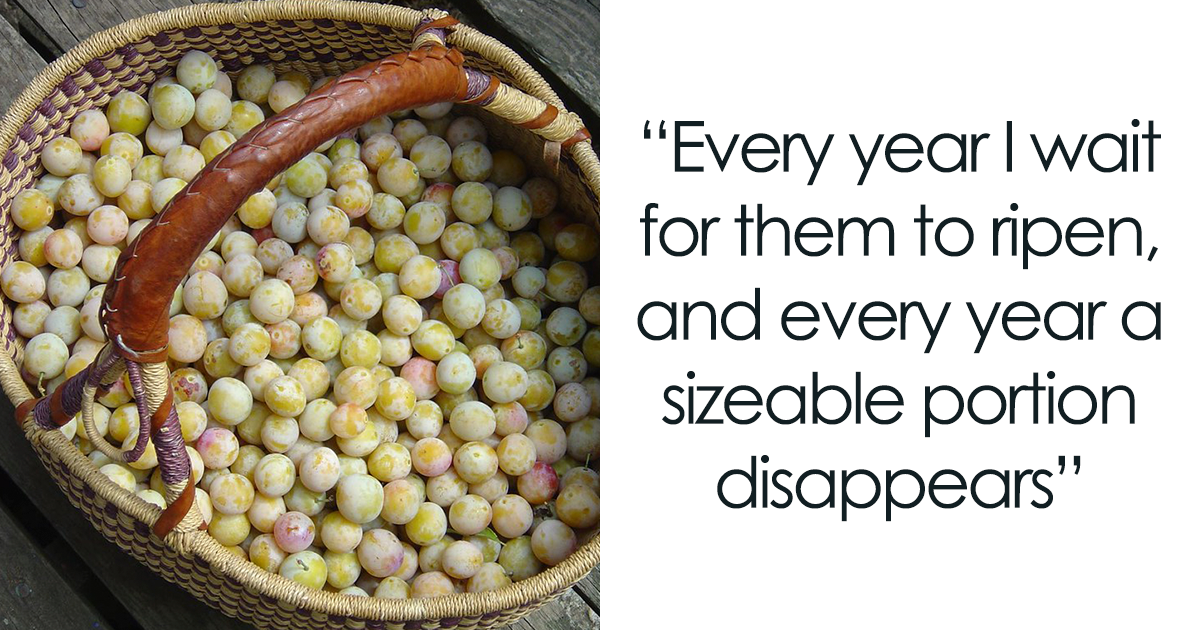
There are few backyard dramas as deliciously ridiculous as a fight over fruit. Not gold. Not diamonds. Not a secret family inheritance hidden behind the drywall. Fruit. Plums, peaches, apples, figs, lemons, oranges, berries—the humble edible treasures that make a garden feel like a tiny kingdom. And in the story behind “Neighbor Yelled At Me Because I Harvested My Fruits Before She Could Steal Them,” the kingdom had a problem: a neighbor who apparently believed the phrase “low-hanging fruit” was a legal invitation.
The situation is instantly relatable because it sits at the intersection of home gardening, property boundaries, entitlement, neighbor conflict, and the strange confidence some people develop when they want something that is not theirs. A homeowner or farmer spends years caring for fruit trees: watering, pruning, monitoring pests, waiting through seasons, and finally watching fruit ripen. Then someone strolls in like they are shopping at a complimentary hotel breakfast and helps themselves.
Even funnier—or more infuriating, depending on your blood pressure—is the neighbor’s reaction after the fruit owner harvests the crop first. Instead of apologizing for trespassing or taking produce without permission, the neighbor gets angry. The emotional math is spectacular: “How dare you harvest your own fruit before I could steal it?” Somewhere, a lemon tree shed one dramatic tear.
Why This Neighbor Fruit Theft Story Went Viral
Stories like this spread quickly online because they are simple, visual, and packed with social tension. Everyone understands the basic rule: if you did not plant it, care for it, or receive permission to pick it, it is not yours. Yet the neighbor in this type of story behaves as though private fruit trees are public snack machines.
The viral appeal comes from the contrast between ordinary garden life and extraordinary entitlement. Fruit trees are not mysterious. They stand in yards, behind fences, along driveways, and in small orchards. The effort behind them is visible: branches must be pruned, fallen fruit must be cleaned up, and ripe produce often arrives all at once. Homegrown fruit is wonderful, but it is not effortless. A productive tree is basically a leafy employee that demands annual management and pays in jam ingredients.
That is why readers tend to side with the person who harvested early. Harvesting your own fruit is not selfish. It is the point of growing fruit. Calling someone selfish for preventing theft is like yelling at a bakery for selling bread before you could sneak into the kitchen and put baguettes in your coat.
The Real Issue: Entitlement in the Garden
At the heart of this story is not just stolen fruit. It is entitlement. The neighbor did not merely want the fruit; she seemed to feel entitled to it. That distinction matters. Wanting a plum is human. Sneaking onto someone’s property to take it is wrong. Getting mad when the owner prevents it is the moment the situation graduates from annoying to comedy with legal undertones.
Entitlement often shows up when boundaries are unclear or when someone has gotten away with the same behavior before. If a neighbor has been quietly taking fruit for years without consequence, they may begin to treat the harvest as part of their routine. The first time the owner says no—or simply picks the fruit first—the neighbor experiences it as a personal loss. But losing access to something you were never given is not oppression. It is reality wearing gardening gloves.
Is Taking Fruit From a Neighbor’s Tree Theft?
In general, taking fruit from private property without permission can be treated as theft. Fruit may seem small, inexpensive, or abundant, but it is still property. The value of one plum might not shake the stock market, but the principle is clear: ownership does not disappear because an item is edible, fragrant, or conveniently reachable.
There is also a difference between fruit hanging inside someone’s yard, fruit growing on a branch that crosses a property line, and fruit that has fallen onto another property. Rules can vary by state, city, and local ordinance. In many places, property owners may trim overhanging branches up to the property line as long as they do not damage the tree. But fruit ownership can be more complicated, especially when branches cross boundaries. The safest rule for normal humans who do not want to become the villain in a neighborhood Facebook group is simple: ask first.
Permission turns potential drama into friendliness. “Your plums look amazing; may I have a few when they’re ripe?” is neighborly. Climbing a fence with a tote bag is not. One gets you fruit. The other gets you remembered forever as Plum Bandit Brenda.
Why Homegrown Fruit Feels So Personal
People who do not garden sometimes underestimate the emotional attachment behind a harvest. A fruit tree is not like a vending machine. You do not tap it twice and receive peaches. Many fruit trees take years to produce well. Some require careful pruning, pollination support, pest monitoring, netting, watering, thinning, and seasonal cleanup.
When the fruit finally ripens, it represents patience. It represents early mornings with a hose, late afternoons inspecting leaves, and the quiet optimism of someone who believes this year the birds will not eat everything before breakfast. So when a neighbor steals the harvest, the loss is not only about food. It is about effort being dismissed.
That is why the phrase “fruits of your labor” works so perfectly here. The fruits are literal. The labor is literal. The audacity, unfortunately, is also literal.
Common Reasons Neighbors Help Themselves to Fruit
Not every unwanted fruit picker has the same motive. Some people genuinely misunderstand. They see fruit dropping and assume it is unwanted. Others grew up in communities where sharing backyard produce was common, so they fail to notice that sharing requires an invitation. Some assume that if branches hang near a sidewalk, the fruit is free. And a few simply know it is wrong but prefer snacks to ethics.
1. “It Was Going to Waste Anyway”
This is the classic excuse. The problem is that the owner may have plans: jam, pies, canning, freezing, drying, donating, feeding animals, or sharing with chosen friends. A tree full of fruit is not an abandoned buffet just because you personally have not seen the harvest calendar.
2. “There’s So Much Fruit”
Abundance does not cancel ownership. A person with ten apple trees still owns the apples. A person with one lemon still owns the lemon. Quantity is not consent.
3. “I’ve Always Picked From That Tree”
A habit is not a contract. If someone has taken fruit for years without permission, they have not earned a lifetime membership. They have enjoyed a long-running error.
4. “It Was Hanging Near My Side”
This is where local law matters. Branches, boundaries, and fallen fruit can create gray areas. But even when a person may have a right to trim or collect in certain circumstances, the polite move is still communication. A two-minute conversation can prevent a two-year feud.
How the Fruit Owner Handled It Brilliantly
The smartest part of the story is that the fruit owner did not need a dramatic confrontation. They simply harvested their own fruit. This is elegant problem-solving. No shouting. No midnight stakeout. No fake scarecrow dressed like a lawyer. Just a basket, timing, and the radical act of collecting what belongs to you.
Regular harvesting is one of the most practical ways to prevent fruit theft. Ripe produce attracts birds, squirrels, insects, hungry passersby, and occasionally neighbors with suspiciously large handbags. When fruit is ready, picking it promptly reduces temptation and preserves quality. It also prevents fallen fruit from rotting, drawing pests, or creating slippery little ankle traps on the ground.
In other words, harvesting early was not petty. It was good orchard management. The fact that it also blocked a fruit thief was merely the cherry on top, assuming the neighbor had not already stolen the cherries.
What to Do If a Neighbor Keeps Taking Your Fruit
If you are dealing with a real-life fruit thief, start calmly. The goal is to protect your harvest without turning the neighborhood into a courtroom with mailboxes.
Set a Clear Boundary
Use simple language. “Please don’t pick fruit from my trees without asking” is better than a long speech about betrayal, agriculture, and the decline of civilization. Keep it direct and polite.
Post a Friendly Sign
A sign can help remove ambiguity. Try: “Private fruit tree. Please do not pick without permission.” If you want a warmer tone, add: “Ask us about extra fruit after harvest.” That says no while still sounding like a person who owns both manners and a watering can.
Harvest Frequently
Pick ripe fruit before it becomes an open invitation to wildlife and wandering snack enthusiasts. If you cannot harvest in time, ask a trusted friend, family member, or neighbor to help.
Offer Surplus on Your Terms
If your tree produces more than you can use, create a small sharing system. Put extra fruit in a box near your door, donate it, or text neighbors when you have a surplus. Sharing is lovely when it is voluntary. It is less lovely when someone performs a stealth harvest like a raccoon with a mortgage.
Improve Visibility and Access Control
Fences, gates, lighting, and cameras can discourage trespassing. You do not need to transform your yard into Fort Peach, but basic security can help. Motion lights, visible boundaries, and trimmed sightlines make it harder for someone to pretend they accidentally wandered into your orchard with a ladder.
Document Repeated Problems
If the behavior continues, keep notes. Record dates, what happened, and any damage. Documentation is useful if you need to speak with a homeowners association, landlord, local authority, or attorney.
The Neighborly Way to Ask for Fruit
There is a very simple way to enjoy a neighbor’s fruit without becoming the subject of an internet roast: ask. Most gardeners are generous when treated with respect. A friendly request can lead to a bag of peaches, a jar of jam, or even an invitation to help harvest.
The magic phrase is: “Would you be willing to share some when you have extra?” This recognizes ownership and leaves the decision to the person who grew the fruit. It also avoids the awkward alternative, which is being spotted under a plum tree at dawn looking guilty and sticky.
Offering something in return helps too. You can trade herbs, baked goods, garden help, compost, eggs, or simply labor. Fruit picking can be hard work, especially when a tree produces heavily in a short window. Helping harvest in exchange for a portion is a fair arrangement. Taking without asking is not.
Why Boundaries Make Better Neighbors
Some people think boundaries are unfriendly. In reality, boundaries protect friendliness. Without them, resentment grows faster than zucchini in July. Clear expectations help everyone relax. The fruit owner knows their harvest is respected. The neighbor knows what is allowed. The community avoids unnecessary drama over produce.
Good neighbors do not have to share everything. They do not have to provide free fruit, free parking, free tools, free childcare, or emotional support during every leaf blower incident. Good neighbors respect each other’s space and ask before crossing lines—literal and metaphorical.
In the fruit-theft story, the owner’s decision to harvest early was a boundary in action. It said, without a lecture, “This is mine to pick.” The neighbor’s anger revealed the real problem: she did not want generosity; she wanted access without accountability.
Specific Examples of Better Backyard Fruit Etiquette
Imagine three different scenarios. In the first, a neighbor notices peaches ripening over the fence and texts, “Your peaches look amazing. If you have extras, I’d love to buy or trade for a few.” That person may soon be eating peach cobbler.
In the second, someone sees apples falling near the sidewalk and knocks on the door: “Would you like help cleaning these up? May I keep some windfalls if they’re usable?” That person may become a beloved neighborhood helper.
In the third, someone sneaks into the yard, fills a bag, and later complains when the owner harvests everything first. That person becomes a cautionary tale with excellent SEO potential.
The difference is not fruit. It is respect.
What This Story Teaches About Private Property and Community
The best communities balance generosity with consent. A neighborhood where people share lemons, herbs, tomatoes, and plums can be wonderful. But community sharing works only when the giver gets to choose. Otherwise, “sharing” becomes a softer word for taking.
This story is satisfying because the fruit owner did not do anything outrageous. They did not sabotage the tree, scream across the fence, or build a moat full of angry ducks. They harvested their own crop. The neighbor’s outrage made the situation absurd, but it also clarified the lesson: people who benefit from weak boundaries often get upset when those boundaries become strong.
So yes, harvest your fruit. Preserve it, bake with it, freeze it, gift it, donate it, or eat it over the sink like a civilized goblin. You grew it. You managed it. You waited for it. You do not need to apologize because someone else planned to steal it first.
Extra Experiences and Practical Lessons From the Fruit Fence Line
Anyone who has grown fruit at home knows that the harvest season can turn a peaceful yard into a tiny agricultural circus. One week you are admiring blossoms. The next week you are standing under a tree with three buckets, a sunburn, and the sudden realization that you have become middle management for realization that you have become middle management for apricots. The fruit ripens when it wants to ripen, not when your calendar politely suggests. That urgency is one reason unwanted picking feels so frustrating. The owner may have been waiting for the exact moment when the fruit tastes best, only to find someone else has treated the tree like a public vending machine.
A common experience among home gardeners is the “invisible labor problem.” Neighbors see the final fruit, not the months of work behind it. They do not see the pruning cuts made in winter, the watering during dry weeks, the fallen fruit removed to reduce pests, or the careful checking for signs of disease. They see a branch full of plums and think, “Free snack.” The gardener sees a year-long project hanging from a branch. That difference in perspective can create conflict unless boundaries are stated clearly.
Another lesson is that generosity works best when it is organized. Many fruit growers love sharing. The problem is not giving away extra peaches; the problem is someone deciding they are the distribution manager. A simple harvest plan helps: pick the best fruit for your household first, set aside seconds for jam or baking, and then create a labeled surplus box for neighbors if you want to share. This turns potential theft into controlled kindness. It also prevents the classic complaint that “the fruit was going to waste.” No, Gary, it was going to become preserves.
People also learn quickly that small physical cues matter. A closed gate, a clean sign, a visible basket after harvest, or a note saying “Please ask before picking” can prevent misunderstandings. Most people are not hardened fruit criminals. Some are opportunistic, some are confused, and some are operating under neighborhood folklore from 1987. Clear cues remove the excuse.
Finally, the best experience-based advice is to stay calm but firm. You do not need to host a dramatic trial under the pear tree. Say what you need: “Please do not enter my yard or pick from my trees without permission.” If the person argues, repeat the boundary. If they continue, document it and escalate appropriately. The goal is not revenge. The goal is to enjoy your own harvest without needing night vision goggles and a plum-security task force.
In the end, this story resonates because it is about more than fruit. It is about effort, ownership, and the courage to stop rewarding bad behavior. A neighbor who yells because you harvested your own fruit before she could take it is not revealing your selfishness. She is revealing her expectations. And sometimes the healthiest thing you can do—for your garden, your sanity, and your future pies—is pick every last fruit and let the entitled people yell at the empty branches.
Conclusion
“Neighbor Yelled At Me Because I Harvested My Fruits Before She Could Steal Them” is funny because it is absurd, but it also points to a very real backyard issue. Fruit trees are beautiful, generous, and occasionally dramatic. They can bring neighbors together, but only when respect comes before appetite. Taking produce without permission is not harmless just because it grows on a tree. The person who planted, cared for, and harvested the fruit has every right to enjoy it first.
The best path forward is clear: ask before picking, communicate boundaries, harvest regularly, share only when you choose, and remember that neighborly kindness should never require surrendering your own property. A ripe plum may be sweet, but consent is sweeter.
Note: This article provides general information and practical commentary about garden boundaries and neighbor disputes. Local laws can vary, so serious property conflicts should be checked with local authorities or a quaified legal professional.