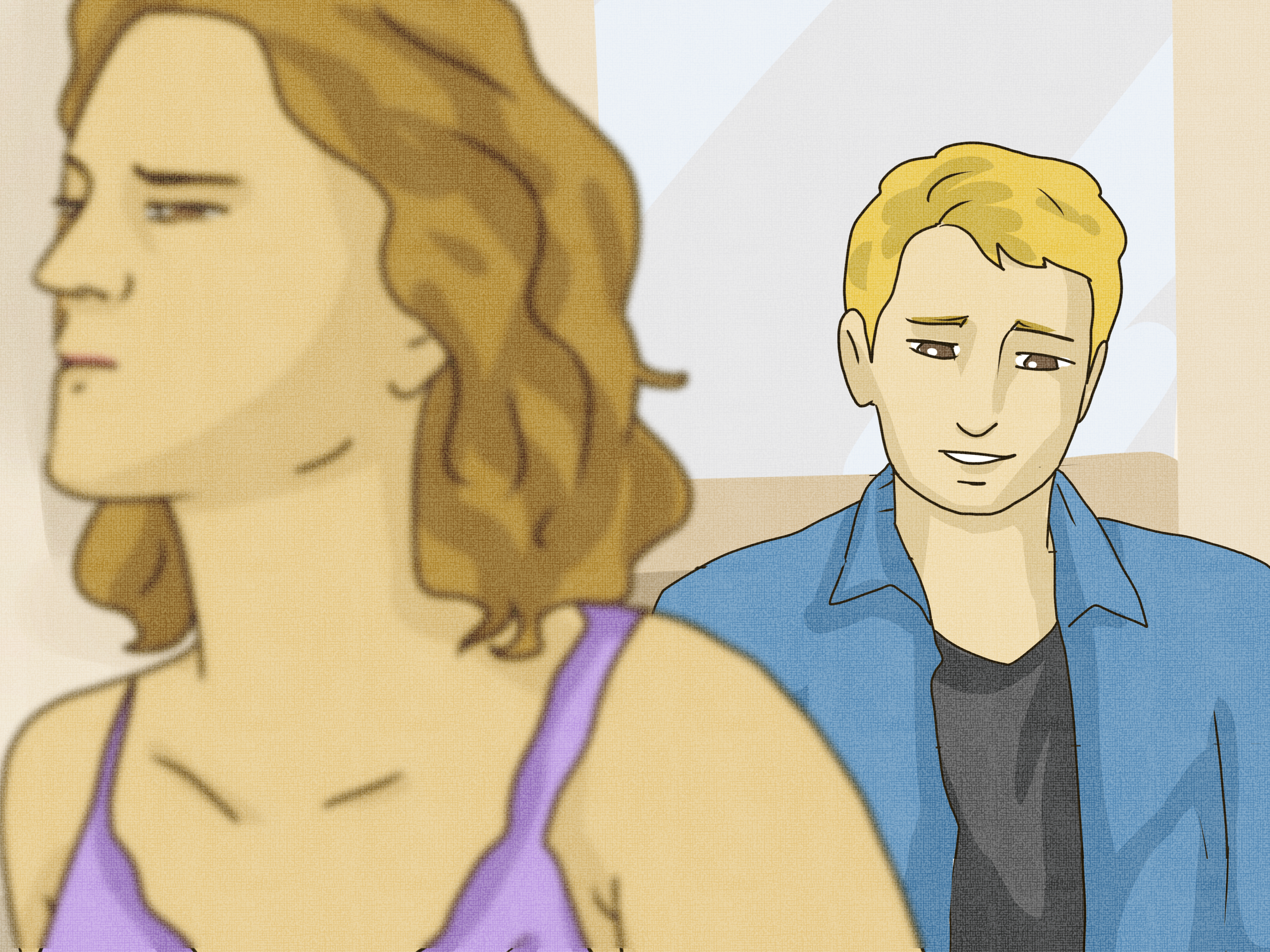
Finding out that your girlfriend is cutting herself can feel like the emotional equivalent of stepping on a rake in a cartoonexcept nothing about it is funny. You may feel scared, confused, guilty, angry, protective, or completely frozen. You might wonder whether you should bring it up, whether she will hate you for telling someone, or whether you are now responsible for “fixing” everything.
First, take a breath. Self-harm is serious, but your calm, caring response can make a real difference. Cutting is often a sign that someone is dealing with intense emotional pain and does not yet have safer ways to manage it. It is not something to ignore, shame, romanticize, or treat like a dramatic relationship test. It is a mental health concern that deserves compassion, boundaries, and professional support.
This guide explains how to help when someone self-harms, what to say, what not to say, when to get emergency help, and how to support your girlfriend without turning yourself into a one-person crisis hotline with sneakers.
Start With Safety: When Self-Harm Is an Emergency
If your girlfriend has injured herself badly, is bleeding heavily, may have taken pills or substances, seems disoriented, says she wants to die, has a suicide plan, or you believe she may hurt herself again soon, treat it as urgent. In the United States, call 911 for immediate danger or a medical emergency. You can also call or text 988 to reach the Suicide & Crisis Lifeline for confidential crisis support.
If you are physically with her, do not leave her alone during an immediate crisis. Move calmly, speak gently, and avoid dramatic reactions. A useful sentence is: “I’m here with you. I’m not mad. I’m going to help you get support right now.” If she resists help but the danger is immediate, safety comes before secrecy.
What Self-Harm Meansand What It Does Not Always Mean
Self-harm means someone intentionally hurts their own body. Cutting is one of the most commonly recognized forms, but self-harm can also include burning, scratching, hitting, interfering with wound healing, or other behaviors that cause injury. Many people who self-harm are not trying to die. Often, they are trying to cope with emotional pain, numbness, anger, shame, trauma, anxiety, or a sense of being overwhelmed.
That said, self-harm should always be taken seriously. Even when it is not a suicide attempt, it can lead to infection, scarring, accidental severe injury, escalating behavior, and increased suicide risk. Think of it like a smoke alarm. The alarm itself is not the fire, but ignoring it because “it is only making noise” would be a terrible home safety strategy.
How to Talk to Your Girlfriend About Cutting
Choose a Calm Moment
Do not start the conversation during a fight, in public, or when either of you is exhausted and emotionally fried. Pick a private, calm moment. Put your phone away. Sit somewhere that does not feel like an interrogation room. Your goal is not to “catch” her. Your goal is to connect.
Use Gentle, Direct Language
You do not need a perfect speech. In fact, a perfect speech can sound rehearsed and weird, like you are auditioning for a very sad school play. Try something simple:
“I noticed some cuts, and I’m worried about you. I care about you, and I don’t want you to go through this alone. Can we talk about what has been happening?”
Another option is: “I’m not here to judge you. I just want to understand and help you stay safe.”
Be direct enough that she knows you are talking about self-harm, but gentle enough that she does not feel cornered. If she denies it or shuts down, avoid pushing aggressively. You can say, “Okay. I’m still here, and I’m willing to listen whenever you’re ready.”
Ask About Suicide Clearly
Many people are afraid that asking about suicide will “put the idea” in someone’s head. Research and suicide-prevention guidance do not support that fear. If you are worried, ask directly and calmly: “Are you thinking about suicide?” or “Do you want to die, or are you cutting to cope with emotional pain?”
This question may feel terrifying, but it can open a door. If she says yes, ask whether she has a plan, means, or a time in mind. If the answer suggests immediate risk, contact emergency support right away. You are not betraying her by helping her stay alive.
What Not to Say to Someone Who Self-Harms
Words matter. Even loving people can accidentally say things that make shame louder. Try to avoid:
- “Why would you do something so stupid?”
- “You’re just doing this for attention.”
- “If you loved me, you would stop.”
- “Promise me you’ll never do it again.”
- “Other people have it worse.”
- “This is too much. I can’t deal with you.”
Even if you are scared, do not make her pain about your disappointment. A promise to “never self-harm again” may sound reassuring to you, but it can add guilt if she relapses. Instead, focus on a safer next step: “Can we make a plan for what you’ll do when the urge comes back?”
How to Help Without Becoming Her Therapist
Being a supportive boyfriend does not mean becoming her therapist, doctor, crisis counselor, parent, and emotional first-aid kit all at once. That is not romance; that is burnout wearing a hoodie.
Your role is to care, listen, encourage treatment, help reduce immediate danger, and stay connected. A mental health professional’s role is to assess risk, diagnose related conditions, teach coping skills, and provide therapy. Self-harm may be linked with depression, anxiety, trauma, eating disorders, borderline personality disorder, substance use, or other concerns. Professional evaluation matters because the visible injury is often only the surface of a deeper struggle.
Encourage Professional Help
You might say: “I love you, and I’m really glad you told me. I also think this is bigger than what we can handle alone. Can I help you find a therapist, counselor, doctor, or crisis resource?”
If she is in school, encourage her to contact a school counselor, college counseling center, trusted teacher, nurse, or resident advisor. If she is an adult, she can start with a primary care doctor, therapist, community mental health clinic, employee assistance program, or insurance provider directory. If cost is a concern, look for community clinics, sliding-scale therapy, nonprofit counseling centers, or local mental health organizations.
Offer Practical Support
Practical help can be more useful than grand speeches. Offer to sit with her while she makes an appointment, drive her to a visit, help write down questions for a doctor, or stay on the phone while she contacts 988. The goal is not to take over her life. The goal is to make the first step feel less like climbing a mountain in flip-flops.
Create a Safety Plan Together
A safety plan is a simple, written plan for what she can do when the urge to self-harm rises. Ideally, she should make one with a therapist or crisis counselor, but you can help her think through the basics.
A Helpful Safety Plan May Include:
- Warning signs that an urge is building, such as isolation, numbness, panic, shame, or racing thoughts.
- Safer coping strategies, such as stepping into a shared space, calling a trusted person, journaling, taking a walk, grounding exercises, holding ice wrapped in cloth, breathing slowly, or listening to calming music.
- People she can contact before things escalate.
- Professional resources, including therapist numbers, local crisis lines, 988, urgent care, or emergency services.
- Ways to reduce access to items she uses to hurt herself, especially during high-risk moments.
Keep the plan realistic. A safety plan should not depend only on willpower. When someone is overwhelmed, the brain does not always politely open the “healthy coping skills” folder. The plan needs to be easy to find, easy to follow, and connected to real people.
Do You Tell Someone Else?
This is one of the hardest questions. Your girlfriend may beg you not to tell anyone. Privacy matters, but safety matters more. If she is in immediate danger, has serious injuries, is suicidal, or cannot commit to staying safe for the next short period, involve emergency help or a trusted adult immediately.
If she is a minor, a parent, guardian, school counselor, doctor, or another responsible adult usually needs to know. If she is an adult and not in immediate danger, encourage her to choose one or two trusted people to bring into the circle of support. You can say: “I don’t want to expose your private life, but I also don’t want you carrying this alone. Who is one safe person we can tell together?”
You should not be the only person who knows. Secrets can become heavy, and this one comes with sharp edges.
Recognize Warning Signs That Things Are Getting Worse
Pay attention to changes in behavior, especially if they happen alongside self-harm. Warning signs can include increased isolation, giving away belongings, talking about being a burden, sudden calm after intense distress, substance misuse, reckless behavior, hopeless statements, more frequent injuries, hiding injuries, or saying goodbye in an unusual way.
Also notice relationship stress. Breakups, conflict, jealousy, family problems, bullying, discrimination, grief, academic pressure, job loss, or trauma can increase distress. You are not responsible for preventing every trigger, but you can notice patterns and encourage support before a crisis peaks.
How to Respond After She Self-Harms
If she tells you she cut herself, start with safety and medical needs. Ask: “Are you safe right now?” “Do you need medical care?” “Are you thinking about suicide?” Keep your voice calm. Panic may make her hide next time.
If the injury is minor and she is not in immediate danger, encourage proper wound care and professional follow-up. If the injury is deep, bleeding does not stop, there are signs of infection, she feels faint, or you are unsure how serious it is, seek medical care. Do not try to become Dr. Internet with a bathroom towel and confidence. Real medical care exists for a reason.
After immediate safety is handled, talk about what led up to the self-harm. Not as a detective, but as a teammate. “What was happening right before the urge got strong?” “What helped even a little?” “Who can we contact next time before it gets that bad?”
Support Her Recovery Without Controlling Her
Recovery from self-harm can take time. There may be setbacks. A relapse does not mean she failed, and it does not mean your support was useless. It means the coping pattern is powerful and needs more help, more skills, or a stronger safety plan.
Avoid monitoring her body, demanding to inspect her skin, confiscating everything without discussion, or turning every quiet mood into an interrogation. Control can damage trust. Instead, build a rhythm of honest check-ins: “How are your urges today, from one to ten?” “What kind of support would help tonight?” “Do you want distraction, problem-solving, or just company?”
When she uses a safer coping skill, acknowledge it without making it a performance. Try: “I’m proud of you for reaching out before it got worse.” Small moments of support can help her feel less alone.
Take Care of Yourself Too
Loving someone who self-harms can be emotionally exhausting. You may feel like you are always waiting for the next emergency. You may check your phone constantly, lose sleep, or feel guilty for needing space. Your mental health matters too.
Talk to someone you trust. Consider your own therapy or support group. Set boundaries kindly: “I care about you, and I can talk for twenty minutes, but I also need us to contact your counselor because I can’t be the only support.” Boundaries are not abandonment. They are the guardrails that keep support from driving off a cliff.
What If She Gets Angry?
She might. Shame can come out as anger. Fear can come out as silence. If you involve help, she may say you betrayed her. Stay calm and clear: “I understand you’re angry. I care about your privacy, but I care about your safety more. I would rather have you mad at me and alive than quiet and in danger.”
Do not argue endlessly. Do not punish her for being upset. Keep returning to the point: you care, you are not judging, and this needs support beyond the relationship.
Specific Examples of What You Can Say
When you first bring it up: “I noticed some injuries, and I’m worried. I’m not here to shame you. I just want to know how you’re doing.”
When she admits it: “Thank you for trusting me. I’m really sorry you’ve been carrying that much pain. We don’t have to solve everything tonight, but I do want us to make sure you’re safe.”
When she says she does not want help: “I get that therapy or telling someone may feel scary. Can we start smallermaybe texting 988 together or writing down what happens before the urge?”
When she is in crisis: “I’m staying with you. Are you thinking about suicide? Do you have a plan to hurt yourself again tonight? I’m going to help us get support right now.”
When you need a boundary: “I love you, but I can’t be your only emergency plan. Let’s choose two other people or resources you can contact when I’m not available.”
Experience-Based Reflections: What Helping Can Feel Like in Real Life
People often imagine that helping a girlfriend who self-harms will look like one dramatic conversation where love wins, music swells, and everything changes by Friday. Real life is usually quieter and messier. It may look like sitting in a parked car while she says, “I don’t know why I do it.” It may look like you staring at your phone at 1:14 a.m., wondering whether a short reply means she is asleep or unsafe. It may look like learning that your job is not to deliver the perfect sentence, but to keep showing up in steady, sane ways.
One common experience is the urge to become a rescuer. You may want to cancel your plans, monitor her moods, and treat every bad day like a five-alarm fire. That response comes from love, but it can accidentally create pressure. She may start feeling responsible for your fear, and you may start feeling responsible for her survival. A healthier pattern is shared support: you care deeply, but therapists, doctors, crisis counselors, trusted friends, and family members also belong in the picture.
Another real-life challenge is managing your own reaction to the injuries. Seeing cuts can be shocking. You may feel angrynot because you lack compassion, but because fear sometimes puts on an anger costume and stomps around the room. Before you respond, pause. A calm “I’m worried about you” will usually go further than “How could you do this?” Your first reaction can either open a door or lock it.
You may also learn that self-harm urges do not always make logical sense from the outside. She might have a good day, laugh at a meme, eat dinner, and still feel the urge later that night. That does not mean she is lying or manipulating you. Emotional pain can spike suddenly. Recovery often depends on building new coping skills before the crisis hits, not lecturing someone after it happens.
Some couples find it useful to create a simple “support menu.” For example, she might tell you that when urges are low, distraction helps: a walk, a show, a game, or sitting together. When urges are medium, she might need to call a friend, use grounding skills, or move to a safer room. When urges are high, she may need crisis support, a therapist, 988, urgent care, or emergency help. This kind of plan removes guesswork. Guesswork is exhausting, and frankly, it has terrible customer service.
You may also need to practice not taking everything personally. If she pulls away, it may not mean she does not love you. If she relapses, it does not mean you failed. If she needs professional care, it does not mean your relationship is weak. It means the problem is serious enough to deserve more tools than love alone. Love is powerful, but it is not a licensed treatment plan.
Finally, remember that your relationship should still include ordinary life. Self-harm may be an important issue, but it should not become her entire identity or the only topic between you. Keep seeing the whole person: her humor, interests, opinions, talents, annoying snack preferences, and dreams for the future. People heal best when they are treated as more than their worst coping mechanism.
Conclusion
If your girlfriend is cutting herself, the most helpful response is calm, compassionate, and practical. Take injuries and suicide risk seriously. Ask direct questions. Listen without judgment. Encourage professional help. Build a safety plan. Involve trusted support when safety is at risk. And remember: you can love her fiercely without carrying this alone.
Self-harm is not a relationship puzzle you solve with the perfect romantic gesture. It is a sign of distress that deserves care, treatment, and time. Your steady support can be part of her recovery, but it should be part of a larger safety net. The goal is not secrecy. The goal is safety, healing, and a future where pain has better places to go.