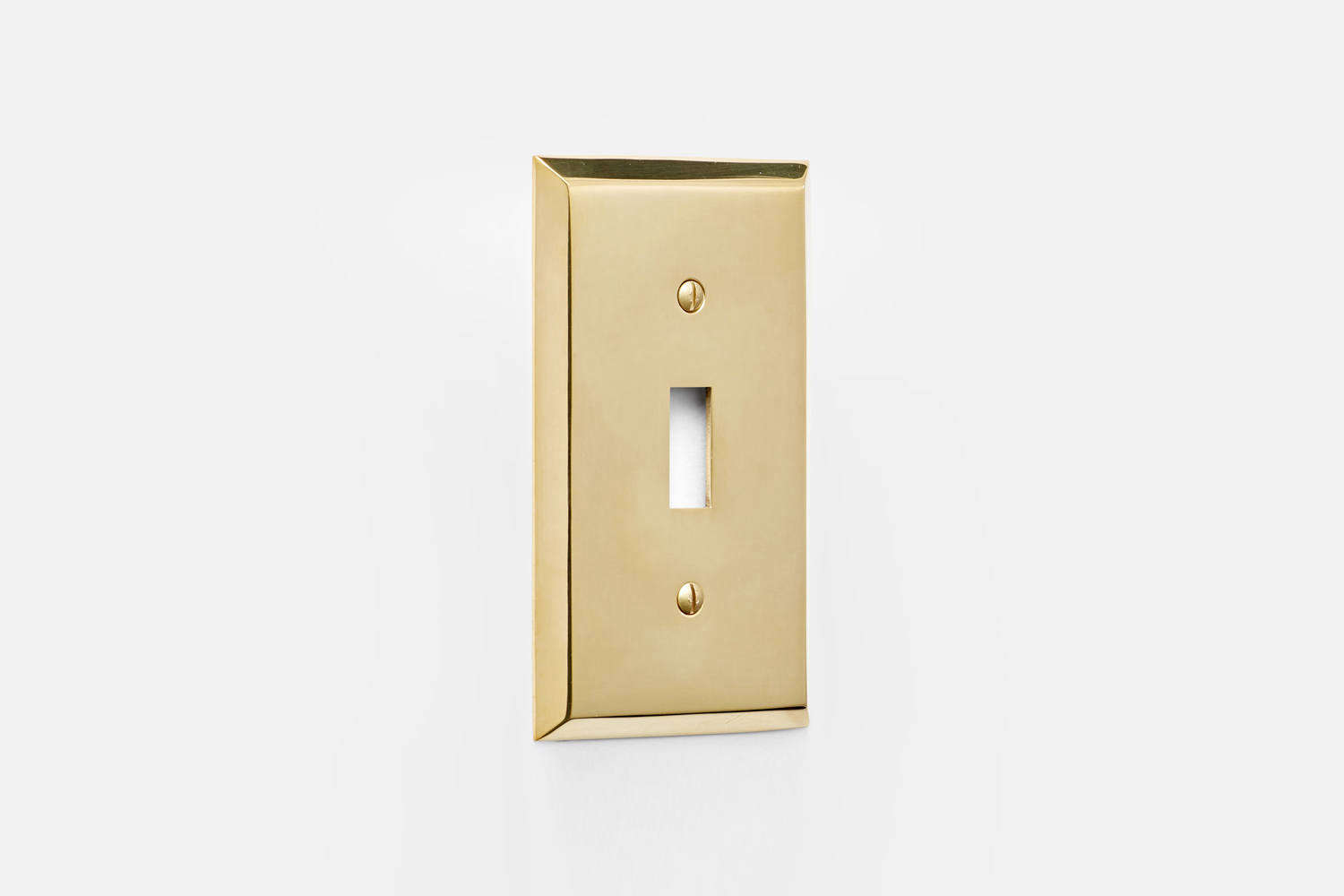
A light switch plate is not usually the star of the room. It does not get mood boards, dramatic before-and-after videos, or people whispering, “Where did you get that?” at dinner parties. And yet, the right switchplate can quietly change the way a wall feels. The Lewis Single Toggle Switchplate is a small detail with a surprisingly polished personality: slim, beveled, classic, and practical enough to work in everyday spaces without acting like it owns the place.
Designed for a standard toggle switch, the Lewis Single Toggle Switchplate is the kind of hardware upgrade that makes a room feel finished. It is especially appealing for homeowners, designers, renters with permission, and renovation-minded people who understand one simple truth: walls look better when the little things are not ignored. A fresh coat of paint can do a lot, but if the old plastic switch cover is yellowed, cracked, or slightly crooked, the wall still looks like it forgot to put on shoes.
What Is the Lewis Single Toggle Switchplate?
The Lewis Single Toggle Switchplate is a decorative wall plate made for a single toggle light switch. In plain English, it is the cover that surrounds the little up-and-down lever switch found in many American homes. The “single” part means it fits one switch in a one-gang electrical box, and the “toggle” part means it is designed for the traditional narrow switch lever, not a wider rocker or Decora-style switch.
Its appeal comes from a blend of simplicity and refinement. The design features a slim profile and crisp beveled edges, giving it a clean architectural look. Instead of screaming for attention, it frames the switch neatly and makes the wall feel intentional. That matters more than most people realize. Switchplates sit at eye level, hand level, and “I walk past this forty times a day” level. When they look cheap, the whole room takes a tiny hit. When they look thoughtful, the room gets a quiet upgrade.
Why a Single Toggle Switchplate Still Matters
Modern homes now include smart switches, dimmers, USB outlets, GFCI receptacles, and rocker-style devices, but the classic toggle switch is still everywhere. Bedrooms, hallways, closets, older kitchens, entryways, basements, and renovated historic homes often use toggle switches because they are simple, familiar, and easy to operate. A single toggle switchplate gives that traditional switch a finished border while covering the electrical box behind it.
Functionally, a wall plate helps conceal the opening around the switch and keeps the device area neat. Visually, it becomes part of the room’s hardware language. Just as cabinet pulls, door knobs, hinges, and lighting finishes affect the tone of a space, switchplates can either blend in or become a subtle design accent. The Lewis Single Toggle Switchplate works particularly well when you want a classic detail that feels more permanent than builder-grade plastic.
Design Details: Slim Profile, Beveled Edges, and Quiet Confidence
The Lewis design is attractive because it avoids two common switchplate mistakes: being too plain and being too fussy. A completely flat plastic cover can look temporary, especially beside upgraded trim, tile, wallpaper, or quality paint. On the other hand, overly ornate switchplates can make a room feel like it joined a historical reenactment society without telling you.
The beveled edge solves that problem beautifully. It gives the plate a finished outline and catches light softly, adding depth without clutter. The slim profile keeps the look neat, so the plate does not appear bulky on the wall. This makes it useful in both traditional and transitional interiors. It can work near crown molding, shaker cabinets, beadboard, painted drywall, subway tile, or a classic wallpaper pattern. In design terms, it is the polite guest who brought dessert and did not rearrange your furniture.
Material Matters: Why Brass Is a Smart Choice
The Lewis Single Toggle Switchplate is associated with hot-forged brass construction, which is a meaningful detail. Brass has long been used in home hardware because it offers durability, warmth, and a sense of craftsmanship. Compared with basic plastic plates, metal switchplates generally feel more substantial and are less prone to cracking from everyday bumps or overtightened screws.
Brass also brings visual warmth. In a room with cooler materials such as white tile, gray paint, chrome plumbing, or stainless appliances, a brass or brass-toned switchplate can soften the space. In rooms with wood floors, antique furniture, leather, linen, or traditional lighting, it can reinforce a collected, lived-in look. The key is not to match every metal in the house perfectly. Instead, choose finishes that look deliberate together. A brass switchplate can coordinate with brass sconces, aged bronze door hardware, or warm-toned cabinet pulls without needing to become part of a metal-matching military operation.
Where the Lewis Single Toggle Switchplate Works Best
Entryways and Hallways
Entryways are full of first impressions. Guests may not consciously analyze your light switch cover, but they will notice whether the space feels finished. A Lewis Single Toggle Switchplate near the front door can pair nicely with a statement sconce, a framed mirror, a console table, or a painted stair rail. Hallways also benefit because they often have many switches and not much furniture. When the hardware looks polished, the hallway feels less like a corridor and more like a designed transition.
Kitchens and Breakfast Nooks
Kitchens are loaded with visible hardware: faucets, cabinet knobs, appliance handles, pendant lights, and sometimes pot fillers for people who enjoy giving pasta water its own luxury entrance. A brass or polished metal toggle switchplate can make the wall area feel coordinated with those finishes. If the switch is placed on a tile backsplash, be sure the plate covers the cutout cleanly and sits flat. A slim beveled plate can look especially elegant against subway tile, marble, zellige-style tile, or painted beadboard.
Bedrooms and Reading Corners
In a bedroom, the best design details feel calm rather than loud. The Lewis Single Toggle Switchplate can help replace a tired cover without changing the entire electrical device. It is ideal beside a doorway, near a closet, or next to a reading light switch. Paired with warm lamps, soft bedding, and natural textures, it becomes one of those tiny upgrades that makes the room feel more cared for.
Powder Rooms
Powder rooms are perfect places to have fun with small details. Because they are compact, every visible piece matters. A decorative switchplate can complement wallpaper, a framed mirror, a brass faucet, or a vintage-inspired vanity light. If the room has patterned wallpaper, the Lewis plate can provide contrast and definition. If the wall is painted in a deep color, a warm metal finish can add just enough sparkle without turning the switch into a disco ball.
How to Choose the Right Finish
Choosing a finish is where practical design meets personal taste. If your room has warm metals, such as brass, antique brass, bronze, or aged gold, a brass-toned switchplate usually feels natural. If your space leans cooler, with polished nickel, chrome, or stainless steel, a nickel-toned plate may blend more easily. Black finishes can look sharp in modern, farmhouse, industrial, or high-contrast rooms, especially near black door hardware or dark light fixtures.
One useful rule is to look at the closest permanent hardware. A switchplate beside a bathroom vanity should relate to the faucet, mirror frame, or light fixture. A switchplate near a kitchen backsplash should relate to cabinet pulls, faucet finish, or pendant lighting. It does not need to be identical, but it should feel like it was invited to the same party.
Standard Sizing and Fit: What to Check Before Buying
Before ordering any decorative wall plate, confirm the switch type and plate size. The Lewis Single Toggle Switchplate is intended for a single toggle switch. It will not fit a rocker switch, GFCI outlet, duplex outlet, dimmer slider, or combination device unless you choose the matching configuration from the same or compatible collection.
Most single-gang wall plates are designed to cover a standard one-device electrical box. However, homes are wonderfully imperfect. Drywall cuts may be uneven, old paint lines may show, and tile openings may be larger than expected. If your existing opening is rough, measure carefully before replacing the plate. A standard-size plate looks cleanest when the wall cutout is neat. A larger plate may be better when the goal is to hide irregular edges. The Lewis design is best suited for spaces where a refined, tailored look is more important than covering a large wall blemish.
Installation Tips for a Clean Look
Replacing a switchplate is usually a simple project because you are changing the cover, not rewiring the switch. Still, safety comes first. Turn off the power at the breaker if you are unsure about the condition of the switch, if the switch is loose, or if you need to inspect anything behind the cover. Never touch exposed wiring unless you know what you are doing. If there are burn marks, heat, buzzing, sparks, or a burning smell, stop and call a licensed electrician. A decorative upgrade should not come with a surprise fireworks show.
For a basic cover replacement, use the correct screwdriver and remove the existing screws carefully. Hold the old plate as you loosen the final screw so it does not fall and chip paint or tile. Place the Lewis Single Toggle Switchplate over the switch, align it evenly, and tighten the screws until snug. Do not overtighten. Metal plates can sit beautifully when properly secured, but forcing the screws can stress the plate, damage the wall, or make the cover look slightly warped. “Snug” is the goal, not “I am assembling a submarine.”
Cleaning and Care
Switchplates are high-touch surfaces, which means they collect fingerprints, dust, and the occasional mystery smudge from someone who claims they “barely touched it.” For routine cleaning, use a soft cloth. If needed, lightly dampen the cloth with water and mild soap, then dry the plate immediately. Avoid abrasive pads, harsh cleaners, and ammonia-heavy sprays, especially on plated or specialty finishes.
Metal finishes may age differently depending on humidity, cleaning products, sunlight, and household use. That is part of the charm for many homeowners. If you prefer a bright, consistent finish, clean gently and regularly. If you like a softer patina, let the material mellow naturally. Either way, the key is consistency: treat the switchplate like hardware, not like a kitchen pan that has personally offended you.
Lewis Single Toggle Switchplate vs. Basic Plastic Covers
Basic plastic switchplates are affordable, common, and perfectly useful in many rooms. They are often the right choice for utility spaces, rentals with strict rules, garages, workshops, or areas where function matters more than design. But in finished living spaces, plastic covers can sometimes feel like placeholders. They may discolor over time, crack if overtightened, or stand out awkwardly against upgraded walls.
The Lewis Single Toggle Switchplate offers a more elevated look. Its beveled edge, metal construction, and classic proportions make it feel like part of the room’s hardware package. This is especially valuable after a renovation. Imagine spending money on paint, lighting, tile, and trim, then leaving a tired plastic plate next to the new work. That is like wearing a tailored suit with gym socks. Comfortable? Perhaps. Ideal? Not exactly.
SEO-Friendly Buying Checklist
1. Confirm the Switch Type
Make sure your device is a traditional toggle switch. If the switch is wide and rectangular, you need a rocker or decorator wall plate instead.
2. Match the Room’s Finish Story
Coordinate the switchplate with nearby hardware such as lighting, faucets, cabinet pulls, door knobs, or mirror frames.
3. Check the Wall Condition
If the surrounding drywall or tile cutout is uneven, measure before buying. A standard plate may not hide larger gaps.
4. Buy Consistently Within a Room
If one wall has multiple switches or outlets, choose matching or complementary plates so the room feels cohesive.
5. Save Original Covers in Rentals
For renter-friendly upgrades, keep the old covers and screws in a labeled bag. When moving out, reinstall them and take your upgraded plates with you.
Common Mistakes to Avoid
The first mistake is choosing the wrong configuration. A single toggle switchplate will not magically fit a rocker switch, no matter how nicely you ask. The second mistake is ignoring finish temperature. Warm brass can look beautiful, but if every other nearby finish is icy chrome, the plate may stand out more than intended. That can work if contrast is the goal, but it should be deliberate.
Another mistake is overtightening the screws. Many people keep turning because the screwdriver is in their hand and momentum is a powerful force. Stop when the plate is secure and straight. Finally, avoid replacing only one plate in a highly visible cluster unless you are testing the look. A single upgraded switchplate can be charming; one fancy plate beside three tired plastic ones can look like it won a tiny lottery.
Real-Life Experience: Living With the Lewis Single Toggle Switchplate
The most noticeable experience with a Lewis Single Toggle Switchplate is not dramatic at first. No marching band appears. The wall does not glow. Your neighbors do not knock to congratulate you on your refined taste in electrical accessories. Instead, the room simply feels cleaner and more resolved. That is the magic of small hardware upgrades: they do not shout, but they remove visual friction.
In an entryway, for example, replacing a standard white plastic cover with a beveled metal switchplate can make the switch area feel connected to the rest of the design. If there is a brass ceiling light, a warm wood console, or an antique mirror nearby, the switchplate becomes part of the scene rather than an interruption. You may not stare at it every day, but when you do notice it, it looks right. That “looks right” feeling is underrated in home design.
In a kitchen, the experience is even more practical. Kitchen walls and backsplashes are busy places. There may be tile lines, outlets, switches, under-cabinet lighting controls, and appliance cords all competing for attention. A slim, well-finished toggle switchplate can help calm that visual clutter. It frames the switch neatly and gives the wall a more intentional rhythm. When paired with cabinet hardware or a faucet in a related finish, it can make the space feel more custom without requiring a contractor, a permit, or a second mortgage.
In older homes, the Lewis Single Toggle Switchplate can feel especially appropriate. Many older houses have traditional toggle switches, original trim, plaster walls, or vintage-inspired lighting. A beveled brass switchplate respects that character while still looking fresh. It does not feel like a trendy gadget dropped into a historic room. Instead, it feels like a thoughtful replacement for something worn out. That balance is important when updating older spaces: improve the details without sanding away the soul.
There is also a satisfying tactile experience. A metal switchplate has a different presence than a thin plastic one. It feels firmer when touched, and it tends to make the switch area feel more substantial. This is a tiny interaction, but homes are built from tiny interactions. You flip a switch when entering a room, leaving a hallway, turning on a porch light, or checking on the laundry. When that small moment feels polished, the house feels more cared for.
The best part is how manageable the upgrade is. Unlike painting a room, replacing flooring, or assembling furniture with instructions that appear to have been written by a haunted printer, changing a switchplate is simple. It is a quick improvement with visible results. For people who want a weekend project but not a weekend disaster, the Lewis Single Toggle Switchplate offers a comfortable middle ground: affordable compared with major renovations, stylish enough to matter, and practical enough to use every day.
Over time, the plate may become one of those details you stop actively noticing because it blends naturally into the home. That is not a failure. That is success. Good hardware should not always demand applause. Sometimes it should simply make everything around it look better. The Lewis Single Toggle Switchplate does exactly that: it gives a common toggle switch a sharper suit, a cleaner frame, and a little more dignity. Frankly, after years of being flicked on and off without thanks, the humble light switch deserves it.
Conclusion
The Lewis Single Toggle Switchplate proves that home upgrades do not have to be huge to be meaningful. With its slim profile, beveled edges, and durable brass construction, it turns a basic toggle switch into a finished design detail. It works well in entryways, kitchens, bedrooms, hallways, powder rooms, and older homes where traditional hardware feels right at home. Choose the correct configuration, coordinate the finish with nearby hardware, install it carefully, and you will have a small upgrade that makes the whole wall feel more polished.
If your room feels almost finished but not quite there, look at the switchplates. They may be the tiny detail quietly holding the space back. The Lewis Single Toggle Switchplate is a simple way to fix that, without demolition, drama, or a toolbox the size of a refrigerator.