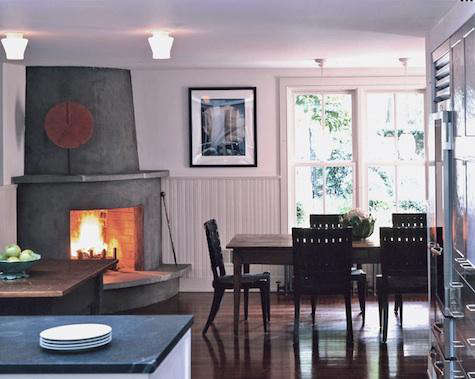
Warmth, style, and a little architectural drama walk into a kitchen. The result? A fireplace that turns the busiest room in the house into the coziest place to linger.
Why the Kitchen Fireplace Is Back in the Spotlight
For years, the kitchen was treated like a hardworking utility zone: countertops, cabinets, appliances, done. Then open-concept living arrived, and suddenly the kitchen had to do everything. It became the cooking station, breakfast café, homework headquarters, holiday buffet, wine-and-cheese arena, and, occasionally, the place where everyone stands in the way of the person actually cooking. A kitchen fireplace fits perfectly into this new reality because it makes the room feel less like a task center and more like a destination.
A fireplace in the kitchen is not a brand-new idea. Historic homes often placed the hearth at the center of domestic life because fire was necessary for cooking and heating. Today, the kitchen fireplace is less about survival and more about atmosphere, zoning, and design personality. It can frame a breakfast nook, anchor an open kitchen, warm a keeping room, or create a restaurant-like glow near a dining table. In short, it says, “Yes, we have soup, and yes, you may stay awhile.”
This kitchen fireplace roundup explores the best design ideas, smart planning tips, safety considerations, and styling moves for homeowners who want a hearth with heart. Whether your style leans rustic farmhouse, modern minimalism, European country, transitional, or outdoor entertaining chic, there is a fireplace idea that can make your kitchen feel layered, welcoming, and memorable.
1. The Classic Kitchen Hearth
The classic kitchen hearth is the design equivalent of a wool blanket: timeless, comforting, and always useful when the room needs warmth. This look usually features brick, natural stone, limewash, plaster, or a traditional mantel. It works especially well in farmhouse kitchens, cottage kitchens, colonial-style homes, and renovated older houses where original architectural character deserves to be celebrated rather than covered with another trendy tile that will apologize to future homeowners.
Best Materials for a Traditional Kitchen Fireplace
Brick is the obvious favorite because it brings texture, durability, and a lived-in charm that does not try too hard. Red brick feels historic and cozy, while painted or limewashed brick softens the look for brighter kitchens. Fieldstone and stacked stone add rustic weight, especially when paired with wood beams, soapstone counters, or shaker cabinets. For a lighter European feel, plaster or stucco surrounds can make the fireplace look integrated into the architecture instead of installed as an afterthought.
The key to a classic hearth is proportion. A fireplace that is too tiny can look like a shy toaster. One that is too massive may dominate the kitchen like a medieval castle wall. Aim for balance with the cabinetry, range hood, windows, and island. The fireplace should feel like a natural part of the room’s rhythm.
2. The Modern Kitchen Fireplace
A modern kitchen fireplace trades ornate details for clean lines, sleek finishes, and visual restraint. Think linear gas fireplaces, flush surrounds, blackened steel, honed stone, concrete, or a simple firebox set into a smooth wall. This style is ideal for open-plan homes where the kitchen flows into a dining or living area and needs a focal point that feels architectural rather than decorative.
How to Make It Feel Warm, Not Sterile
Modern does not have to mean cold. A minimalist kitchen fireplace becomes more inviting when paired with warm wood cabinetry, textured bar stools, handmade ceramics, soft lighting, or natural stone with subtle veining. If the room is mostly white, black, and stainless steel, the fireplace can bring the one element technology has never improved upon: actual visual warmth.
Linear fireplaces work beautifully beneath a long floating shelf, beside a built-in bench, or at the end of a kitchen seating area. Avoid crowding the fireplace with too many accessories. A modern hearth looks best when it can breathe. Give it negative space, and let the flame do the talking.
3. The Fireplace Breakfast Nook
Few kitchen upgrades feel as charming as a breakfast nook with a fireplace nearby. It turns coffee into a ritual, toast into an event, and Monday morning into something slightly less rude. A small gas, electric, or decorative fireplace can make a built-in banquette feel like the best seat in the house.
Design Tips for a Cozy Nook
Start with seating. A banquette upholstered in performance fabric is practical for families, pets, and anyone who has ever underestimated the trajectory of jam. Add a round or oval table to keep traffic flowing. Place the fireplace on the adjacent wall, at the end of the nook, or across from the table so diners can enjoy the view without feeling toasted like marshmallows.
For small kitchens, an electric fireplace can deliver ambiance without the construction complexity of a masonry chimney or gas line. For larger homes, a gas fireplace near the dining nook creates reliable warmth and a clean look. Finish the area with sconces, art, woven shades, and cushions that connect to the rest of the kitchen palette.
4. The Range Alcove That Acts Like a Fireplace
Not every kitchen needs a literal fireplace to borrow fireplace energy. A range alcove can create a similar focal point by framing the stove in an architectural niche. This old-world kitchen feature has made a strong comeback because it gives the cooking zone depth, drama, and a built-in sense of importance. It is basically a fireplace’s culinary cousin, wearing a range hood and pretending it does not love attention.
When a Range Alcove Works Best
A range alcove is strongest in medium to large kitchens where there is enough wall space to create symmetry. It can be finished with plaster, tile, brick, stone, or painted millwork. The alcove may hide ventilation, integrate spice ledges, or provide shallow storage for oils and utensils. The result is practical and beautiful, but it requires careful planning. Grease, steam, and heat mean the materials must be easy to clean and appropriate for cooking conditions.
If you love the hearth look but cannot add a fireplace, a range alcove can provide the same cozy architectural anchor. Pair it with warm lighting and a textured backsplash, and the kitchen instantly gains that “old inn with excellent soup” feeling.
5. The Double-Sided Fireplace Between Kitchen and Living Room
A double-sided fireplace is perfect for open layouts because it creates separation without closing off the space. It can sit between the kitchen and living room, kitchen and dining area, or kitchen and covered patio. The flame becomes a shared focal point, visible from multiple zones, while still allowing conversation and light to pass through.
Why It Works in Open-Concept Homes
Open-concept spaces often need subtle boundaries. Without them, a large room can feel like a furniture showroom where the sofa, island, and dining table are all politely pretending to know each other. A double-sided fireplace gives the layout structure. It says, “Here is the kitchen zone, here is the lounging zone, and here is a beautiful fire that unites the whole production.”
For a cohesive look, repeat materials from the kitchen on the fireplace surround. If the kitchen features white oak cabinets, consider a wood mantel or built-in shelving nearby. If the countertops are quartzite or marble, a stone fireplace surround can echo that luxury. Just be sure to coordinate clearances, ventilation, and installation with qualified professionals.
6. The Outdoor Kitchen Fireplace
An outdoor kitchen fireplace brings the vacation feeling home. It extends cooking and entertaining space, creates a natural gathering point, and makes outdoor dinners feel special even when the menu is mostly grilled vegetables and someone’s heroic attempt at not burning chicken.
Smart Outdoor Fireplace Planning
Outdoor fireplaces pair well with built-in grills, pizza ovens, prep counters, dining tables, and lounge seating. Materials should be weather-resistant and appropriate for the climate. Stone, brick, concrete, stainless steel, and porcelain surfaces are popular because they can handle sun, rain, and the occasional barbecue sauce incident.
Placement matters. The fireplace should not fight the cooking station for space, nor should smoke blow directly into seating areas. Think about prevailing winds, rooflines, combustible materials, and local building codes. A covered patio may need different ventilation and clearance considerations than a fully open backyard. The goal is cozy, not “why are my eyebrows nervous?”
7. The Decorative Nonworking Kitchen Fireplace
Some homes have old fireplaces that no longer function, while others can support only a decorative feature. That does not mean the idea is dead. A nonworking kitchen fireplace can still bring character, especially in older homes where the mantel, brickwork, or firebox tells part of the house’s story.
How to Style a Nonworking Hearth
Use the firebox as a display niche for stacked birch logs, cookbooks, baskets, pottery, lanterns, or seasonal greenery. If the fireplace is in a dining corner, style it with art and a simple mantel arrangement. In a cottage kitchen, a nonworking hearth can become a charming storage zone for copper pots or vintage cutting boards. In a modern kitchen, paint the interior matte black and keep the styling spare.
The trick is to make the fireplace look intentional. A neglected hearth says, “We stopped caring in 1998.” A styled hearth says, “This is architectural character, darling.” Big difference.
8. Kitchen Fireplace Decor Ideas That Actually Work
Kitchen fireplace decor should be attractive but not fussy. Unlike a formal living room mantel, a kitchen mantel lives near food, steam, grease, and daily traffic. Choose pieces that can handle real life.
Simple Styling Formula
Start with one anchor piece, such as framed art, a mirror, a vintage sign, or a sculptural object. Add height with a vase, branches, candlesticks, or a small lamp if there is an outlet. Finish with something low and practical, such as a bowl, stack of books, or ceramic crock. Keep the color palette connected to the kitchen so the fireplace feels integrated.
Seasonal decor is welcome, but restraint is your friend. A little greenery in winter, fresh herbs in spring, dried grasses in fall, or a bowl of citrus in summer can keep the hearth feeling fresh. Avoid overcrowding the mantel with tiny objects. Too many mini decorations near a fireplace can look less “curated” and more “the craft store sneezed.”
9. Safety, Ventilation, and Maintenance
A kitchen fireplace is beautiful, but it must be planned with safety first. Kitchens already involve heat, flames, appliances, electrical loads, cooking oils, and people moving quickly with sharp objects. Adding a fireplace means clearances, ventilation, carbon monoxide protection, and maintenance cannot be treated as optional extras.
Essential Safety Considerations
Install smoke alarms according to recognized home fire safety guidance, and make sure carbon monoxide alarms are placed on every level of the home and near sleeping areas. For wood-burning fireplaces, use dry, seasoned wood and avoid burning trash, treated wood, plastics, glossy paper, or anything that can create toxic smoke or excessive creosote. Gas fireplaces should be installed and serviced by qualified professionals, with proper venting and manufacturer-approved components.
Keep combustible materials away from the firebox and follow required clearances for mantels, shelves, cabinets, curtains, and furniture. If the fireplace is near a dining nook, avoid placing cushions, throws, or paper items too close. Schedule chimney inspections and cleanings as recommended for your fireplace type and usage. A fireplace should create memories, not insurance paperwork.
10. Choosing the Right Fireplace Type for Your Kitchen
The best kitchen fireplace depends on your layout, budget, fuel access, design goals, and tolerance for maintenance. Each option has advantages.
Wood-Burning Fireplace
A wood-burning fireplace delivers the most traditional atmosphere: crackle, aroma, and the deeply satisfying feeling that you are living inside a heritage cookbook. It also requires the most maintenance, including ash cleanup, wood storage, chimney care, and careful burning practices.
Gas Fireplace
A gas fireplace offers convenience, consistent flames, and easier operation. It is excellent for busy households that want ambiance without hauling logs. Venting, gas lines, and professional installation are essential.
Electric Fireplace
An electric fireplace is often the simplest option for adding visual warmth to a kitchen nook or dining corner. It does not require a chimney, and many models can be installed with less disruption. It may not provide the same authenticity as real flame, but it wins points for flexibility.
Fireplace Insert or Stove
If you have an existing masonry fireplace, an insert may improve efficiency and usability. A freestanding stove can also create a cozy kitchen or keeping-room look, especially in cabins and country homes. The design must account for floor protection, clearances, and ventilation.
Real-Life Experience: What a Kitchen Fireplace Changes Day to Day
The biggest surprise about a kitchen fireplace is not how it looks in photos. It is how it changes the way people behave. A regular kitchen encourages people to move through it: grab coffee, check the oven, rinse a plate, wander away. A kitchen with a fireplace invites people to pause. Suddenly the breakfast nook becomes the preferred place to answer emails. The island becomes the pre-dinner gathering spot. Someone who came in for a glass of water ends up standing near the hearth for ten minutes, having a conversation about nothing in particular. That is the quiet magic of design when it works.
In homes with children, a fireplace near the kitchen can create a natural family zone. Parents can cook while kids read, draw, or work on homework nearby. The room feels connected without everyone sitting directly underfoot. In homes without children, the fireplace often becomes an entertaining tool. Guests gather where the warmth and food are, which means the host is no longer isolated at the stove while everyone else relaxes in another room. The kitchen becomes the party, not the backstage area.
There are practical lessons, too. First, seating matters more than expected. A fireplace without a nearby chair, bench, or table is beautiful, but it may not get used as much. Give people a place to land. Second, lighting can make or break the mood. Overhead task lighting is great for chopping onions, but it does not flatter a fireplace. Add dimmable lights, sconces, or a small lamp nearby so the hearth feels cozy after dinner. Third, storage planning is essential. If the fireplace is wood-burning, you need a neat place for logs and tools. If it is gas or electric, you still need to manage remotes, switches, outlets, and access panels without creating visual clutter.
Cleaning is another real-world consideration. Kitchens produce grease and dust, and fireplaces produce their own maintenance needs. A heavily textured stone surround may look stunning, but it can collect grime near an active cooking area. Smooth plaster, sealed brick, or wipeable tile may be easier for busy households. Mantel decor should also be easy to move and clean. If an object is too delicate to survive a normal kitchen wipe-down, it probably belongs somewhere else.
The best experience comes when the fireplace feels like part of the kitchen’s daily rhythm. A small electric fireplace in a breakfast corner can make early mornings gentler. A grand stone hearth in a farmhouse kitchen can turn Sunday dinner into an event. A sleek linear fireplace in an open modern kitchen can soften all the hard surfaces. The style can vary, but the goal is the same: make the kitchen feel less rushed and more human. After all, the kitchen is already where everyone ends up. A fireplace simply gives them a better reason to stay.
Conclusion: A Kitchen Fireplace Is More Than a Pretty Flame
A kitchen fireplace is one of those design features that blends beauty, comfort, and function in a way few upgrades can. It can create a focal point, define an open floor plan, warm a breakfast nook, enhance outdoor entertaining, or preserve the charm of an older home. From rustic brick hearths to modern linear fireplaces, from nonworking decorative mantels to double-sided statement pieces, the right fireplace can make a kitchen feel layered and alive.
The best approach is to match the fireplace to your real lifestyle. If you want low maintenance, consider gas or electric. If you love tradition and are ready for upkeep, wood-burning may be worth it. If construction is not realistic, a decorative hearth or range alcove can still bring that cozy architectural feeling. Above all, plan carefully, prioritize safety, and choose materials that can handle the beautiful chaos of kitchen life.
Because when a kitchen fireplace is done well, it does more than warm the room. It warms the whole routine.
Note: This article is written for web publication and synthesizes current kitchen fireplace design ideas, planning guidance, and home safety best practices. Homeowners should always consult local building codes, fireplace manufacturers, and licensed professionals before installing or modifying a fireplace.