If your idea of a towel is a fluffy bathroom giant that hogs hooks, takes forever to dry, and somehow always smells a little suspicious after one damp afternoon, allow me to introduce a smarter little legend: the Japanese tenugi cotton towel. More commonly spelled tenugui, this slim rectangle of cotton has been quietly doing the work of a towel, scarf, gift wrap, kitchen cloth, travel companion, and wall art for generations. It is the overachiever of the textile world, and frankly, it deserves more applause.
Japanese tenugi cotton towels are simple at first glance. They are lightweight, flat-woven, usually made from cotton, and often decorated with crisp seasonal, geometric, or nature-inspired patterns. But simplicity is exactly what gives them staying power. A good tenugi is practical without looking boring, decorative without being fussy, and useful in ways that make you wonder why your linen closet is full of objects with only one job.
In this guide, we will look at what Japanese tenugi cotton towels are, why people love them, how they differ from standard towels, how to choose one, how to care for it, and why this humble cloth has become a favorite among travelers, home cooks, minimalists, artists, and anyone who appreciates beautiful things that also happen to be useful.
What Is a Japanese Tenugi Cotton Towel?
A Japanese tenugi cotton towel is a traditional rectangular cloth, usually made from thin cotton and sized for easy folding, carrying, wrapping, and drying. Unlike thick terry towels, tenugi are flat and lightweight. They do not rely on bulk to be useful. Instead, they win with flexibility, breathability, quick drying, and clever design.
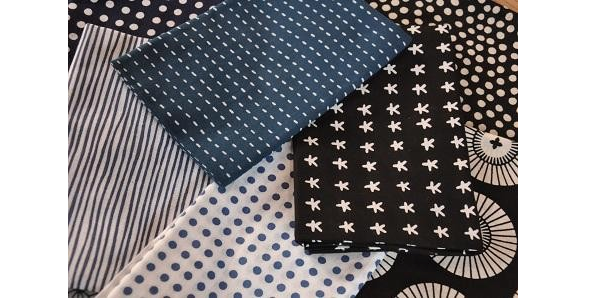
One of the first things people notice is the shape. A tenugi is long and narrow rather than square or oversized. That makes it easy to drape around your neck, wrap around a lunch box, line a basket, dry dishes, or hang on a wall like textile art. The second thing people notice is the pattern. Tenugi are often decorated with waves, florals, animals, food motifs, seasonal icons, calligraphy, or playful modern prints. In other words, they are the rare household item that can dry your hands and improve your decor at the same time.
Another defining trait is the unfinished edge. Tenugi are traditionally left unhemmed on the short ends. To newcomers, this can look like a manufacturing shortcut. It is not. Those edges help the cloth dry faster, make it easier to wring out, and keep the towel lightweight. A little fraying at first is perfectly normal. Consider it the tenugi equivalent of saying, “Relax, I was designed this way.”
Why People Love Japanese Tenugi Cotton Towels
They are lightweight without feeling disposable
Tenugi do not have the thick pile of a standard bath towel, but that is part of the appeal. They take up very little space in a drawer, tote bag, carry-on, or kitchen shelf. You can fold one neatly into a small square or roll it into a tight bundle, and it still feels substantial enough for everyday use.
They dry fast
This is one of the biggest reasons people become loyal fans. Because the fabric is thin and flat-woven, a tenugi dries much faster than heavier towels. That makes it practical for travel, humid kitchens, gym bags, outdoor use, and small apartments where damp laundry likes to stage a takeover.
They get softer over time
Good cotton tenugi tend to soften with repeated washing and use. Instead of aging badly, they often become more comfortable and more relaxed-looking. That mellow, lived-in quality is part of the charm. A tenugi that has been washed many times feels less like a store purchase and more like a favorite object with stories attached to it.
They are wildly versatile
A standard towel usually lives one life. A tenugi has range. It can be a hand towel in the kitchen, a face cloth at the sink, a wrap for a bottle of wine, a stylish cloth napkin, a headband on a hot day, a travel towel, or a decorative textile on a shelf or wall. Few home goods earn their keep like this.
They look good while doing boring chores
Let us be honest: folding laundry is still folding laundry. But a drawer full of beautifully patterned Japanese tenugi cotton towels makes routine tasks feel a little less dreary. They bring color, pattern, and cultural craftsmanship into daily life without becoming precious or impractical.
A Brief History of Tenugi
The roots of tenugi run deep in Japanese history, and over time they moved from functional cloths into everyday essentials. By the Edo period, they were firmly woven into daily life. They appeared in homes, public life, workspaces, and fashion. Historical art even shows cloths hanging at dye houses, ready to become tenugi, which tells you something important: this was not a niche object for collectors. It was an everyday item with a serious work ethic.
That long history helps explain why tenugi feel so refined today. When an object has been shaped by centuries of daily use, unnecessary features tend to disappear. What remains is a form that works. The length, the thin cotton, the raw edges, the bold patterns, and the multipurpose design all reflect that evolution.
In modern life, tenugi have not disappeared into nostalgia. They have adapted. Today, they live comfortably in minimalist kitchens, design shops, museum stores, travel bags, tea rooms, and gift closets. They bridge the gap between heritage craft and modern practicality better than many trendier products ever manage.
How Traditional Japanese Tenugi Cotton Towels Are Made
Chusen dyeing
One of the most admired methods associated with tenugi is chusen, a traditional hand-dyeing process. In simplified terms, artisans prepare the fabric, use stencils and resist paste to define the design, pour dye through the layered cloth, rinse it, and then dry it. The process sounds tidy on paper, but in reality it requires deep skill, timing, and coordination.
The beauty of chusen is that the dye penetrates the fabric rather than sitting stiffly on top. That often gives the design a more integrated look and helps the cloth feel alive rather than overprocessed. It also means slight variation can be part of the beauty. A hand-dyed tenugi is not trying to impersonate a mass-produced napkin from aisle seven. It has character, and thankfully, no interest in being boring.
Traditional craft meets modern design
Many tenugi still feature classic Japanese motifs such as waves, flowers, cranes, fish, and seasonal symbols. But modern makers also create playful designs with cats, vegetables, kitchen tools, city scenes, and abstract patterns. This mix of tradition and fresh design is one reason tenugi appeal to both longtime collectors and first-time buyers.
What Makes Tenugi Different From Regular Towels?
Texture
Regular towels are usually thick and plush. Tenugi are flat, smooth, and light. They do not feel luxurious in the spa-robe sense. They feel smart, clean, and efficient.
Drying time
A terry towel can stay damp long enough to start a small drama. A tenugi typically dries much faster, which makes it more convenient and often more hygienic in daily rotation.
Portability
Throw three tenugi in a tote bag and you will barely notice. Try that with three full-size bath towels and suddenly you are hauling what feels like a depressed cloud.
Versatility
Most towels are designed to dry. Tenugi can dry, wrap, display, cushion, cover, decorate, and organize. It belongs as much in a kitchen drawer as it does in a suitcase or on a gallery-style wall hook.
Aesthetic value
Many towels are purely functional. Tenugi often function like usable art. They are household textiles that people actually want to leave visible, which is a lovely improvement over the usual “hide it before guests arrive” category of utility cloths.
Practical Ways to Use Japanese Tenugi Cotton Towels
In the kitchen
Use a tenugi as a dish towel, hand towel, bread cloth, tea towel, placemat, or basket liner. Because it is light and absorbent, it is handy for drying hands or wiping down surfaces without adding bulk to the room.
For travel
Tenugi are excellent for travel because they pack small and dry quickly. They can work as a face towel, emergency napkin, scarf, picnic cloth, or quick wrap for souvenirs. If you enjoy traveling light, this is the kind of item that earns permanent luggage privileges.
As gift wrap
A bottle of sake, a cookbook, a candle, or a tea set instantly looks more thoughtful when wrapped in a beautiful cotton cloth. Unlike disposable wrap, a tenugi becomes part of the gift. That is both practical and charming, which is a rare combination in the modern gifting universe.
As wearable utility
You can tie a tenugi around your head, neck, wrist, or bag handle. It works as a light scarf, sweat cloth, headband, or sun shield. Gardeners, cooks, hikers, and cyclists often appreciate that blend of fashion and usefulness.
As home decor
Many people frame tenugi or hang them directly as textile art. Seasonal designs can freshen up a hallway, entry table, breakfast nook, or bathroom wall without requiring a major decorating budget. In other words, they are an easy way to look intentional without rearranging your entire life.
How to Choose the Best Japanese Tenugi Cotton Towel
Start with the cotton quality
Look for a tenugi made from quality cotton that feels light but not flimsy. The fabric should drape well, absorb moisture, and soften with use.
Decide how you will use it
If you want it mostly for kitchen use, choose patterns that hide light stains and feel easygoing. If you want it as decor, go for strong seasonal or graphic prints. If you want it for travel, prioritize lightweight fabric and colors you genuinely enjoy seeing every day.
Pay attention to dyeing and craftsmanship
Hand-dyed tenugi often have subtle variation that adds depth and personality. Printed versions can also be beautiful, but handcrafted dye techniques usually offer a richer story and a more tactile sense of artistry.
Do not panic about the raw edges
If you are new to tenugi, those unfinished ends may seem strange. They are normal. A bit of early fraying is expected. Trim loose threads with scissors and move on with your life. The towel is not unraveling into chaos. It is simply being itself.
How to Wash and Care for Japanese Tenugi Cotton Towels
Care is simple, but a little attention helps. Many tenugi do best with a gentle first wash, especially if they are hand-dyed. Cold water is usually safest. Washing separately at first can help prevent dye transfer. Avoid soaking for long periods, and let the towel air dry rather than blasting it with aggressive heat.
Some fading over time is normal, particularly with hand-dyed cloth. That is not a flaw. It is part of the aging process that gives tenugi their soft, lived-in charm. As for the loose threads at the ends, trim them neatly instead of pulling. Pulling can make the fraying worse. Tiny scissors are your friend here, and possibly the unsung hero of textile care.
Are Japanese Tenugi Cotton Towels Worth Buying?
Yes, especially if you appreciate objects that are useful, beautiful, compact, and adaptable. A tenugi is not a replacement for every towel in your home. It is better than that. It fills the spaces regular towels cannot: the travel moments, the kitchen moments, the wrapping moments, the decorative moments, and the “I need one cloth that can do five jobs” moments.
For minimalists, tenugi reduce clutter. For design lovers, they add pattern and story. For practical shoppers, they offer real everyday value. For gift givers, they feel thoughtful without being overcomplicated. And for anyone tired of bulky towels that behave like needy houseguests, tenugi are a delight.
Final Thoughts
Japanese tenugi cotton towels prove that the best household items are often the simplest. They do not scream for attention. They quietly make life easier, prettier, and more flexible. With their long history, elegant patterns, quick-drying construction, and endless usefulness, tenugi have earned their place well beyond souvenir status.
If you have never used one, start with a single design you love. Use it in the kitchen, take it on a trip, wrap a gift with it, or hang it where you can see it every day. There is a very good chance that one tenugi will lead to another, and then another, until you find yourself explaining to friends why a slim rectangle of cotton has somehow become one of the smartest things in your home. That is not exaggeration. That is tenugi math.
Experiences Related to Japanese Tenugi Cotton Towels
One of the most interesting things about Japanese tenugi cotton towels is how often people buy one for a very practical reason and then keep discovering new ways to use it. Someone might start with a tenugi because they need a compact kitchen towel for a small apartment. At first, it is just there to dry hands near the sink. Then they notice it dries much faster than the thick towel they used before. A few days later, they use it to wrap fresh bread on the counter. Then it becomes a placemat for tea. Before long, it has somehow become part of the rhythm of the room.
Travelers often describe a similar experience. A tenugi slips easily into a backpack or carry-on because it takes up almost no space. During the trip, it becomes the small problem-solver that saves the day over and over again. It works as a face towel in a train station restroom, a scarf when the air-conditioning gets too ambitious, a clean cloth to wrap snacks, and even a quick layer on a hotel nightstand to make the space feel less generic. It is the sort of item that does not look dramatic in a packing list, but once you bring it, you miss it when it is gone.
There is also a quiet pleasure in the way a tenugi changes with use. At first, the cotton may feel crisp and tidy. After repeated washing, it softens and relaxes. The cloth starts to feel familiar in your hands. The edges look a little more lived in. The pattern settles into daily life. It stops feeling like a new purchase and starts feeling like a favorite object. That emotional shift is part of what makes tenugi memorable. People are not just using a towel. They are building a relationship with something well made.
For many households, tenugi also become conversation pieces. Guests notice them because they do not look like standard towels. A fish print in the kitchen, a seasonal floral cloth by the tea station, or a bold geometric design hanging in an entryway tends to invite questions. That is part of the fun. Tenugi bring texture, color, and cultural craftsmanship into ordinary spaces without feeling formal. They add personality in a way that is useful rather than decorative for decoration’s sake.
Gift giving is another place where experiences with tenugi stand out. Wrapping a bottle, cookbook, or small box in a Japanese tenugi cotton towel makes the gift feel more personal immediately. The wrapping itself becomes reusable, which people remember. Instead of throwing paper away, the recipient keeps a beautiful cloth and often starts using it in daily life. That small extra layer of thoughtfulness can turn a simple present into something more lasting.
What makes these experiences so consistent is that tenugi fit naturally into real life. They are not too precious to use, and they are not too plain to admire. They solve practical problems while also making everyday routines feel a little more intentional. That balance is rare, and it explains why so many people who try one Japanese tenugi cotton towel eventually come back for more.