Houseplants and humidity are usually presented as best friends. Tropical plants love moisture in the air, dry winter homes turn fern fronds crispy, and every plant-care video seems to feature a stylish humidifier releasing a photogenic cloud of mist.
But humidity is a little like chocolate frosting: helpful in the right amount, troublesome when applied to absolutely everything. A home that remains excessively humid can slow soil drying, reduce plant transpiration, encourage fungal and bacterial diseases, and turn a crowded plant shelf into a tiny tropical swamp.
So, is your house too humid for your plants? Possiblybut the number on a humidity meter is only part of the answer. Plant species, airflow, temperature, light, soil drainage, and watering habits all influence whether moist air is beneficial or problematic.
Here is how to recognize excessive indoor humidity, understand what it does to houseplants, and restore a healthier balance without transforming your living room into a desert.
What Does Indoor Humidity Actually Mean?
Relative humidity, usually abbreviated as RH, describes how much water vapor is present in the air compared with the maximum amount the air could hold at the same temperature. A reading of 60% RH does not mean that 60% of your room is secretly water. It means the air is holding 60% of the moisture it could hold at that temperature.
Temperature matters because warm air can hold more moisture than cool air. When warm, humid air reaches a cold window or exterior wall, the air cools and may release moisture as condensation. Those droplets on the glass are not your house crying over the heating bill. They are a warning that moisture is accumulating.
For protecting buildings and reducing indoor mold risk, household humidity is generally best kept below 60%, with approximately 30% to 50% often recommended. Many common houseplants, however, are comfortable around 40% to 60% RH. Some tropical species appreciate higher local humidity, provided they also receive sufficient light, warmth, and air movement.
That overlap is important. You do not need rainforest-level humidity throughout your entire house to keep a pothos alive.
Can a House Really Be Too Humid for Plants?
Yes. Although many plants tolerate moist air, consistently high humidity can become harmful when it is paired with stagnant air, wet leaves, low light, cool temperatures, crowded foliage, or saturated potting mix.
High Humidity Slows Transpiration
Plants move water from their roots to their leaves and release some of it through microscopic openings called stomata. This process, known as transpiration, helps transport water and nutrients through the plant.
When the surrounding air is already very moist, water leaves the foliage more slowly. The plant may therefore use less water than it would in drier conditions. Consequently, potting soil that previously dried in five days may suddenly remain damp for eight, ten, or even fourteen days.
The humidity did not pour water into the pot. It changed how quickly the plant and soil lost moisture. Continuing the old watering schedule can then create a genuine overwatering problem.
Humidity and Wet Soil Are Different Problems
High humidity alone does not directly cause root rot. Root damage develops when potting media remains saturated long enough to reduce oxygen around the roots and favor destructive microorganisms.
However, humid air can contribute indirectly by slowing evaporation and reducing the plant’s water use. Combine that with a decorative pot that has no drainage hole, and the roots may find themselves living in something closer to soup than soil.
How Humid Is Too Humid for Houseplants?
There is no universal humidity limit for every indoor plant, but the following ranges provide a practical starting point:
| Relative Humidity | General Interpretation | Plants Commonly Suited to the Range |
|---|---|---|
| 30%–40% | Dry for many tropical plants but acceptable for drought-tolerant species | Cacti, many succulents, jade plants, snake plants |
| 40%–60% | Comfortable middle range for many homes and houseplants | Pothos, philodendrons, monsteras, African violets, hoyas |
| 60%–70% | Helpful for some tropical plants but requires good airflow | Ferns, calatheas, marantas, some orchids and alocasias |
| Above 70% | Potentially risky indoors when maintained continuously | Best reserved for controlled cabinets, greenhouses, or terrariums |
A brief humidity spike after a shower or summer rain is usually not a crisis. The concern is humidity that remains above roughly 60% to 70% for extended periods, particularly when windows stay wet, soil refuses to dry, or plant foliage remains damp.
Species also matter. A maidenhair fern may celebrate conditions that make a cactus deeply reconsider its living arrangements.
Signs Your Home May Be Too Humid for Your Plants
1. Condensation Appears Regularly
Persistent condensation on windows, walls, pipes, or cold surfaces is one of the clearest household signs of excessive moisture. Occasional bathroom fog is normal. Water collecting every morning across several rooms deserves attention.
2. Potting Soil Stays Wet Much Longer Than Expected
If the top layer remains dark and moist for many days, humidity may be slowing evaporation. Low light, oversized pots, dense potting mix, and cool temperatures can make the situation worse.
Do not water merely because Tuesday has arrived. Check the soil, lift the pot to judge its weight, and consider the plant’s actual moisture requirements.
3. You See Powdery or Fuzzy Growth
White powder on leaves may indicate powdery mildew, while fuzzy gray growth on aging leaves or flowers may be gray mold, also called Botrytis blight. Mold or algae can also develop on consistently damp potting soil.
These problems are more likely when humidity is high and air circulation is poor. Crowded plants create protected pockets of moisture where leaves dry slowly and pathogens can have what amounts to an all-inclusive vacation.
4. Leaves Develop Soft, Dark Spots
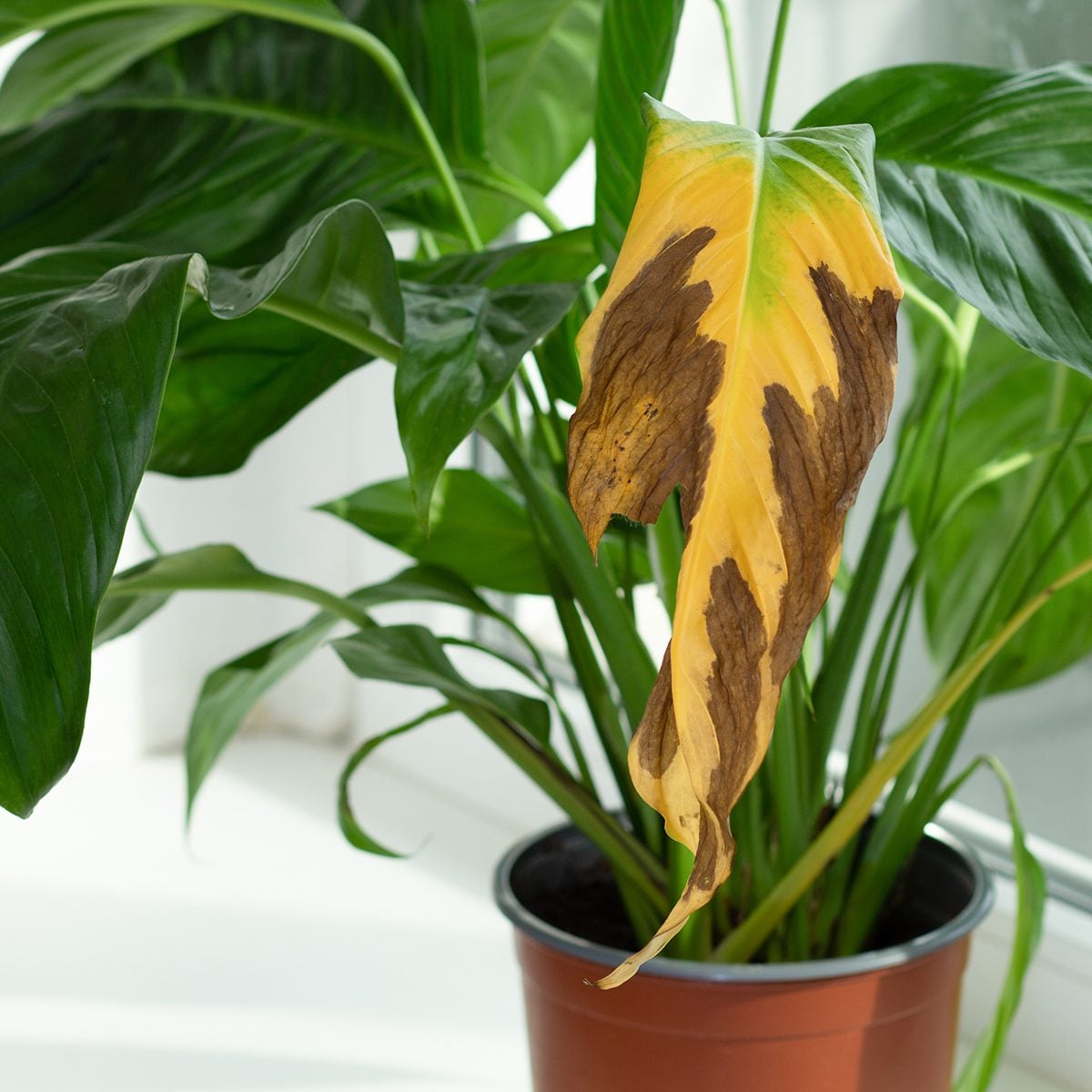
Fungal and bacterial leaf spots can produce brown, black, water-soaked, or mushy lesions. Splashing water, wet foliage, contaminated tools, and crowded conditions may help some diseases spread.
Remove severely affected leaves, isolate the plant, keep foliage dry, and improve airflow. Avoid automatically reaching for a fungicide before correcting the environment that encouraged the problem.
5. Leaves Show Blisters or Corky Bumps
Edema is a noninfectious disorder that can occur when roots absorb water faster than leaves release it. It may appear as small blisters, bumps, water-soaked patches, or corky scars, often on the undersides of leaves.
High humidity, wet soil, low light, cool air, and poor ventilation can contribute. Jade plants, geraniums, English ivy, scheffleras, African violets, and snake plants are among the plants that may develop edema.
6. Fungus Gnats Keep Returning
Adult fungus gnats resemble tiny dark flies hovering around pots. Their larvae live in moist growing media and feed mainly on fungi and decaying organic material, although they can damage tender roots.
Fungus gnats are more closely connected to consistently wet soil than humid air itself. Still, high humidity can keep the soil surface damp longer, allowing the population to continue its annoying little family reunion.
7. Your Home Smells Musty
A musty odor near walls, windows, closets, or plant shelves may indicate a moisture problem beyond plant care. Inspect for leaks, damp building materials, hidden condensation, and visible mold. Fixing the moisture source is more important than disguising the smell with a candle named “Mountain Serenity.”
Which Plants Are Most Vulnerable to Excess Humidity?
Cacti and Succulents
Desert plants generally tolerate average or relatively dry household air. They are especially vulnerable when high humidity is combined with low light, cool temperatures, and frequently wet soil. Give them strong light, fast-draining mix, and ample time to dry between waterings.
Plants With Fuzzy or Textured Leaves
African violets, certain begonias, and other plants with hairy leaves can hold water on their surfaces. Frequently misting them in an already humid room may increase spotting or disease risk. Keep water off the foliage unless the species and growing method specifically call for it.
Densely Growing Plants
Plants with compact foliage can trap damp air around inner leaves and stems. Ferns may enjoy humidity but still need circulation. Loving moisture does not mean loving stale, motionless air.
Air Plants
Tillandsias absorb moisture through their leaves, but they must dry after being soaked or sprayed. Enclosing them in a humid glass container without adequate ventilation can encourage rot. Air plants need the second half of their name just as much as the first.
Fresh Cuttings and Seedlings
Propagation containers often maintain elevated humidity to reduce moisture loss. That can help cuttings establish, but sealed covers should be vented regularly. Excess condensation, algae, stem collapse, or mold indicates that the miniature greenhouse needs more fresh air.
How to Lower Humidity Without Shocking Your Plants
Measure Before Making Changes
Buy an inexpensive digital hygrometer and place it near your plants. For a more complete picture, compare readings at plant level, in the center of the room, and near problem areas such as windows or exterior walls.
Check readings at different times. Humidity can rise overnight, during cooking, after showers, or when outdoor air becomes muggy. One measurement at noon does not tell the entire story.
Improve Air Circulation
Move plants slightly apart so leaves do not form a solid wall. A small fan set to a gentle speed can help air move around the collection. The goal is a mild breeze, not a wind tunnel capable of relocating your peperomia.
Run the fan periodically rather than blasting plants continuously at close range. Delicate foliage may dry or tear if airflow is too strong.
Use Kitchen and Bathroom Exhaust Fans
Cooking, showering, drying laundry, and simmering large pots of water can add substantial moisture to indoor air. Use exhaust fans that vent outdoors, and continue running the bathroom fan briefly after a shower.
Make sure clothes dryers are vented correctly. Repair plumbing, roof, or window leaks rather than expecting a dehumidifier to compensate forever.
Use Air Conditioning or a Dehumidifier
Air conditioners remove moisture while cooling indoor air. In damp rooms, basements, or humid climates, a dehumidifier may provide more consistent control.
Set a moderate target instead of choosing the driest possible setting. For many mixed houseplant collections, approximately 45% to 55% RH provides a reasonable compromise between plant comfort and household moisture control.
Stop Misting When Humidity Is Already High
Misting creates only a temporary increase in moisture around a plant, and it leaves water directly on foliage. In a dry room, occasional morning misting may be harmless for suitable plants. In a room already sitting at 70% RH, it is mostly adding a tiny rainstorm nobody ordered.
Change the Watering Schedule
Allow the potting mix to reach the appropriate dryness level for the species before watering again. Test below the surface rather than judging only by appearance. A wooden skewer, finger check, pot weight, or moisture meter can provide additional information.
Water thoroughly when needed, let excess water drain, and empty saucers or cachepots. Watering early in the day gives splashed foliage more time to dry.
Improve Drainage and Potting Mix
Use containers with drainage holes and a potting mix appropriate for the plant. Chunky orchid bark, perlite, pumice, or other coarse materials may improve aeration for species that require an open mix.
Do not automatically repot every plant into a much larger container. Excess unused soil holds moisture around a relatively small root system and may stay wet for an uncomfortably long time.
Practice Plant-Shelf Hygiene
Remove fallen leaves, dead flowers, and decaying material from the soil surface. Clean tools between plants, quarantine new additions, and separate anything displaying suspicious spots or fuzzy growth.
When removing diseased leaves, place them in the trash rather than dropping them into an indoor compost container beside the collection.
Should You Move Humidity-Loving Plants Into the Bathroom?
A bright bathroom can be an excellent location for ferns, calatheas, orchids, and other moisture-loving plants. The important word is bright. A windowless bathroom with a light switched on for twenty minutes a day is not a tropical greenhouse. It is a dark room that occasionally becomes steamy.
Choose plants according to the room’s natural or supplemental light, average temperature, and ventilation. If the bathroom remains damp for hours after every shower, use the exhaust fan and leave the door open when practical.
Do not place plants where leaves remain pressed against cold windows, wet tile, or shower curtains. Humidity is useful; constant surface moisture is a different condition.
A Quick High-Humidity Troubleshooting Checklist
- Measure relative humidity with a hygrometer for several days.
- Look for condensation, musty odors, damp walls, or plumbing leaks.
- Check whether soil is staying wet longer than it did previously.
- Space crowded plants and introduce gentle air circulation.
- Pause misting and remove standing water from trays and cachepots.
- Adjust watering according to soil moisture, light, and season.
- Remove diseased foliage and isolate affected plants.
- Use exhaust fans, air conditioning, or a dehumidifier when necessary.
- Avoid lowering humidity so aggressively that tropical foliage becomes dry and brittle.
A Real-World Experience: When a Plant Corner Became a Swamp
The following composite experience reflects a common situation faced by indoor gardeners in humid climates. The collection began innocently: a monstera beside the window, two pothos vines on a shelf, a fern, several propagations, and one calathea that seemed emotionally opposed to ordinary household air.
Because the fern and calathea developed brown edges during a dry spell, a humidifier was added beside the shelf. The plants were also grouped closely together, partly to conserve humidity and partly because buying another shelf would have required admitting how many plants had been purchased.
During the dry period, the arrangement appeared successful. New fern fronds opened normally, and the calathea looked less crispy. The same setup remained in place when the rainy season arrived, however. Windows stayed closed for air conditioning, outdoor humidity climbed, and the humidifier continued running every afternoon.
The first warning was condensation on the nearest window each morning. Next, the potting soil began staying wet much longer than usual. Because the plants had previously been watered every Sunday, they continued receiving water every Sunday. The calendar was consistent; the plants were not impressed.
Within a few weeks, small gnats hovered around the propagation pots. A pilea developed soft brown spots, the fern collected dead material around its crown, and white growth appeared on one old leaf near the back of the shelf. One succulent on the lower level began dropping firm-looking leaves even though its soil was still damp.
Two digital hygrometers revealed the problem. The room averaged about 68% RH during the day and climbed above 75% overnight. Inside the tightly packed plant corner, humidity was even higher. Air barely moved behind the overlapping leaves.
The correction did not involve throwing out the plants or turning the room into Arizona. The humidifier was switched off, plants were spaced several inches apart, and a small fan was positioned across the room to create indirect circulation. The window area was dried each morning while the source of condensation was addressed.
Watering changed from a weekly ritual to a soil-based decision. The pothos and monstera were watered when their mixes had partially dried. The succulent was allowed to dry much more thoroughly. Water was removed from decorative outer pots immediately after irrigation.
Heavily spotted leaves were discarded, dead fern debris was cleaned out, and the worst waterlogged plant was repotted into fresh, better-aerated mix after damaged roots were removed. The propagation cover was opened daily, then removed once the cuttings could tolerate normal room conditions.
A dehumidifier was used during the muggiest periods, with a target near 50% to 55% RH. The room no longer felt clammy, condensation decreased, and the pots began drying at more predictable rates. Fungus gnat numbers declined as the soil surfaces stopped remaining continuously moist.
The most useful lesson was not that humidity is bad. The fern still preferred more moisture than the succulent, and neither plant needed identical treatment. The real mistake was continuing a dry-season care routine after the indoor environment had changed.
Final Takeaway
Your house is probably too humid for your plants when prolonged moisture begins interfering with soil drying, leaf health, airflow, or the condition of the building itself. A hygrometer reading above 60% is a reason to investigate, not a reason to panic.
Aim for balance: enough humidity to prevent tropical foliage from becoming brittle, but not so much that windows sweat, leaves remain wet, and potting soil develops its own ecosystem. Measure the room, identify each plant’s needs, improve circulation, and water according to actual conditions. Your plants do not need a rainforest. They need an environment in which both roots and leaves can breathe.