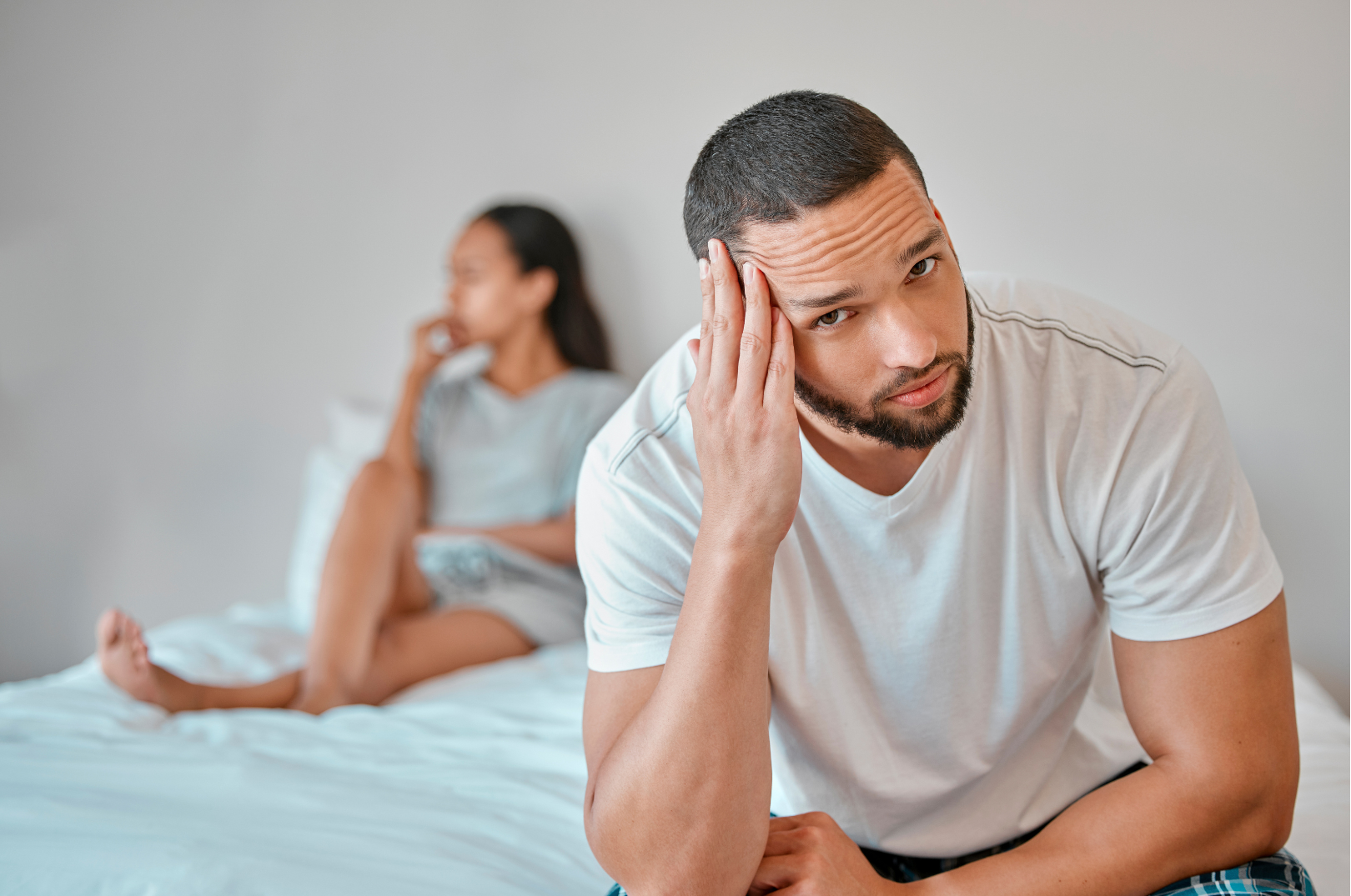
Note: This quiz-style article is for self-reflection and education, not a diagnosis or a substitute for professional help. If you feel unsafe, threatened, controlled, or afraid of your partner, consider reaching out to a trusted person, counselor, local support service, or emergency help in your area.
Is Your Relationship Toxic, or Are You Just Going Through a Rough Patch?
Every couple argues. Every relationship has weird little seasons where communication gets clunky, schedules collide, and someone forgets to text back because they were “busy” watching 14 videos about raccoons stealing cat food. That does not automatically make a relationship toxic.
But there is a big difference between normal conflict and a relationship that regularly leaves you anxious, drained, controlled, belittled, or afraid to be yourself. A healthy relationship should not feel like an emotional obstacle course where one wrong sentence activates a trapdoor. If you often feel like you are walking on eggshells, apologizing for things you did not do, or shrinking your personality to keep the peace, it may be time to look closer.
This Is My Relationship Toxic Quiz is designed to help you notice patterns. It is not here to shame you, label your partner as a cartoon villain, or tell you what to do in one dramatic sentence. Instead, it gives you a practical way to check the temperature of your relationshiphealthy, unhealthy, toxic, or possibly abusive.
What Does “Toxic Relationship” Actually Mean?
A toxic relationship is a relationship pattern that repeatedly harms your emotional well-being, self-worth, independence, or sense of safety. It may include constant criticism, manipulation, jealousy, control, dishonesty, intimidation, disrespect, or one-sided effort. Sometimes it is loud and obvious. Other times, it is subtle enough that you keep explaining it away: “They only act like that when they’re stressed,” “They didn’t mean it,” or “Maybe I’m too sensitive.”
Here is the important part: a relationship does not have to be physically violent to be harmful. Emotional abuse, verbal attacks, isolation from friends, control over your choices, and repeated disrespect can do real damage. A toxic relationship often feels confusing because it may also include sweet moments, apologies, gifts, and promises to change. That emotional whiplash can make it hard to trust your own judgment.
Is My Relationship Toxic Quiz: 20 Questions to Ask Yourself
For each statement below, choose the answer that feels most true:
- 0 points: Rarely or never
- 1 point: Sometimes
- 2 points: Often
- 3 points: Almost always
Emotional Safety
- I feel nervous about bringing up problems because I do not know how my partner will react.
- My partner makes me feel guilty for having normal needs, opinions, or boundaries.
- I often feel emotionally exhausted after spending time with them.
- I feel like I have to “perform” a version of myself to avoid conflict.
- When I am upset, my partner dismisses me, mocks me, or says I am overreacting.
Respect and Communication
- Arguments turn into name-calling, insults, yelling, threats, or cruel jokes.
- My partner refuses to take responsibility and always turns the problem back on me.
- I apologize first most of the time, even when I did not cause the issue.
- My partner uses silence, coldness, or withdrawal to punish me.
- They bring up old mistakes repeatedly to make me feel small.
Control and Independence
- My partner gets jealous when I spend time with friends, family, or coworkers.
- They check my phone, messages, location, or social media without healthy consent.
- They pressure me to change how I dress, who I see, what I post, or what I do.
- I have given up hobbies, friendships, goals, or routines to avoid upsetting them.
- They make me feel selfish for wanting privacy or personal space.
Trust, Support, and Balance
- I feel like I give much more emotional energy than I receive.
- My partner celebrates my wins only when those wins do not inconvenience them.
- They lie, hide things, twist facts, or make me question what really happened.
- I feel less confident, less joyful, or less like myself since this relationship began.
- People who care about me have expressed concern about how this relationship affects me.
Quiz Results: What Your Score May Mean
0–10 Points: Mostly Healthy, With Normal Human Glitches
Your relationship may have ordinary imperfections rather than toxic patterns. Maybe communication gets messy sometimes, or maybe one of you occasionally forgets that “I’m fine” is not a full emotional weather report. Still, your answers suggest that respect, trust, freedom, and emotional safety are mostly present.
That does not mean you should ignore small issues. Healthy relationships stay healthy because both people keep learning. Talk openly, repair mistakes quickly, and keep practicing boundaries. Think of it like brushing your teeth: not glamorous, but very helpful if you enjoy keeping things from falling apart.
11–25 Points: Some Unhealthy Patterns
This range suggests that your relationship may have habits that need attention. You might not feel unsafe, but you may feel unheard, unsupported, or emotionally tired more often than you should. Maybe conflict keeps repeating. Maybe one person gives more than the other. Maybe “jokes” land like tiny emotional paper cuts.
This is the zone where honest conversation matters. If both people can take responsibility, listen without defensiveness, respect boundaries, and make real changes, the relationship may improve. But if one person refuses accountability or treats your concerns like a personal attack, the pattern may become more toxic over time.
26–45 Points: Strong Signs of a Toxic Relationship
A score in this range suggests that the relationship may be affecting your emotional health and sense of self. You may be spending too much energy managing your partner’s reactions, explaining away hurtful behavior, or trying to earn kindness that should already be part of the relationship.
At this point, do not rely only on hope. Look at behavior. Are apologies followed by change, or are they just emotional gift wrapping on the same old problem? Does your partner respect your boundaries when they are inconvenient? Do you feel more yourselfor less yourselfbecause of this relationship?
46–60 Points: Possible Emotional Abuse or Serious Harm
If your score is very high, especially if control, fear, isolation, threats, or intimidation are involved, the relationship may be more than toxic. It may be emotionally abusive or unsafe. This does not mean you must make a sudden decision without support. In fact, if you feel afraid, planning carefully and talking to someone trustworthy can be safer than confronting your partner alone.
Consider reaching out to a trusted friend, family member, counselor, advocate, or local support organization. You deserve help that does not judge you, rush you, or blame you. A harmful relationship can make leaving or setting boundaries feel complicated, but your safety and well-being matter.
Common Signs of a Toxic Relationship
1. You Feel Like You Are Walking on Eggshells
One of the clearest toxic relationship signs is the constant fear of setting someone off. You might reread texts before sending them, hide harmless details, or avoid normal topics because your partner may explode, shut down, or accuse you of something. That is not romance. That is emotional gymnastics, and nobody signed up for the Olympics.
2. Your Boundaries Are Treated Like Suggestions
Healthy boundaries sound like, “I need time with my friends,” “I am not comfortable sharing my password,” or “Please do not joke about that.” A respectful partner may not always love a boundary, but they will try to honor it. A toxic partner treats boundaries like personal insults or challenges to defeat.
3. Jealousy Is Rebranded as Love
A little insecurity can happen in relationships. But constant suspicion, monitoring, accusations, or demands for proof of loyalty are not signs of deep love. They are signs of control. “I only act this way because I love you so much” may sound passionate in a dramatic movie trailer, but in real life, love should not require surveillance.
4. You Are Always the Problem
In a toxic relationship, conflict often works like a magic trick: you bring up something hurtful they did, and suddenly you are apologizing for having feelings. This can look like blame-shifting, gaslighting, guilt-tripping, or rewriting events until you question your own memory.
5. The Relationship Shrinks Your World
If you see friends less, hide things from family, stop doing hobbies, or lose interest in goals because your partner makes life difficult when you are independent, pay attention. Healthy love expands your life. Toxic love slowly makes your world smaller until the relationship becomes the whole room.
Toxic vs. Abusive: What Is the Difference?
People often use “toxic” as a broad word for harmful relationship dynamics. Abuse is more specific and often involves a pattern of power and control. Abuse may include emotional manipulation, threats, intimidation, physical violence, sexual coercion, financial control, stalking, digital monitoring, or isolation from support systems.
Not every toxic relationship is abusive, but every abusive relationship is unhealthy and dangerous. If you feel afraid of your partner, if they threaten you, if they control your movements or money, if they pressure you sexually, or if they monitor your devices, the issue is not just “relationship drama.” It is a serious safety concern.
What a Healthy Relationship Should Feel Like
A healthy relationship is not perfect. It still includes awkward conversations, bad moods, and the occasional debate about where to eat that somehow becomes a full diplomatic summit. But underneath the normal messiness, there is respect.
In a healthy relationship, you can say no. You can have friends. You can disagree without being punished. You can bring up problems without feeling terrified. You can be silly, ambitious, quiet, emotional, independent, and fully human. Your partner does not have to understand every feeling instantly, but they should care that your feelings matter.
What to Do If Your Quiz Results Concern You
Write Down Patterns, Not Just Incidents
One bad argument may not define a relationship. A repeated pattern does. Write down what happens, how often it happens, what triggers it, how your partner responds afterward, and how you feel. Seeing the pattern clearly can help you stop minimizing it.
Talk to Someone Outside the Relationship
Toxic dynamics thrive in isolation. Choose someone calm and trustworthya friend, family member, mentor, therapist, counselor, or advocate. You do not need a perfect speech. You can simply say, “I am confused about my relationship, and I need someone to help me think clearly.”
Set One Small Boundary and Watch the Response
Try a clear boundary such as, “I am not going to continue this conversation if you insult me,” or “I need one evening a week for myself.” The response tells you a lot. A healthy partner may struggle but will try. A toxic partner may mock, punish, guilt-trip, or escalate.
Do Not Confuse Apologies With Change
An apology is meaningful only when it leads to different behavior. “I’m sorry” followed by the exact same pattern next week is not repair; it is a relationship subscription service you did not mean to renew.
Prioritize Safety If You Feel Afraid
If your partner has threatened you, hurt you, trapped you, monitored you, or made you afraid to leave, do not handle it alone. Reach out to trusted support and consider making a safety plan. Your well-being is more important than protecting the image of the relationship.
Why It Can Be Hard to Admit a Relationship Is Toxic
Many people stay in toxic relationships longer than they expected, not because they are weak, but because emotions are complicated. You may remember the good times. You may believe the next apology. You may worry about being alone, starting over, disappointing others, or admitting that something you invested in is hurting you.
There may also be a cycle: tension builds, conflict happens, apologies arrive, things feel sweet again, and then the same problem returns wearing a slightly different hat. This cycle can make the “good days” feel extra powerful. But a relationship should not need emotional disaster to produce affection.
Can a Toxic Relationship Become Healthy?
Sometimes, yesif the behavior is unhealthy but not abusive, and if both people are genuinely willing to change. Real repair requires accountability, consistent effort, respect for boundaries, honest communication, and often outside support such as counseling. Both people must be able to say, “Here is my part, and here is what I am doing differently.”
However, if the relationship includes fear, coercion, threats, violence, stalking, or ongoing control, couples counseling may not be safe or appropriate. In those situations, individual support and safety planning are usually more important than trying to “communicate better” with someone who is using control.
Mini Checklist: Green Flags to Look For
- You can say no without being punished.
- Your partner respects your privacy and independence.
- Conflict leads to repair, not revenge.
- You both take responsibility for mistakes.
- Your friendships, goals, and personality still have room to breathe.
- You feel safe being honest.
- The relationship adds peace more often than stress.
Experiences Related to “Is My Relationship Toxic Quiz”
Many people who search for an Is My Relationship Toxic Quiz are not looking for drama. They are looking for permission to trust what they already feel. They may not have a black-and-white story. Instead, they have a pile of small moments that are hard to explain: the joke that was not really a joke, the apology that somehow made them feel guilty, the argument that started over nothing and ended with them questioning their worth.
One common experience is emotional confusion. For example, someone might say, “My partner is amazing when things are good, but when they are upset, I feel like I disappear.” That sentence captures why toxic relationships can be so difficult to recognize. If a partner were cruel every second of every day, the answer might be obvious. But when kindness and hurt keep taking turns, the heart becomes a very tired referee.
Another experience is the slow loss of confidence. At first, a person may feel bold, funny, social, and full of plans. Over time, they may start checking every decision against their partner’s likely reaction. They stop wearing certain clothes, stop posting certain photos, stop seeing certain friends, or stop sharing exciting news because it might “cause a problem.” The change can be so gradual that they do not notice until someone asks, “Hey, are you okay? You do not seem like yourself lately.”
Some people also describe the relationship as addictive, even when it hurts. The highs feel incredibly high because the lows are so painful. After days of tension, one sweet message can feel like sunshine after a storm. But a healthy relationship should not require emotional thunder to make warmth feel meaningful. Love should feel steady enough that you do not have to survive a crisis just to enjoy affection.
There is also the experience of defending the relationship to everyone else. When friends express concern, the person may immediately list the partner’s good qualities: “They had a hard childhood,” “They are stressed,” “They are not always like this,” or “You do not see the sweet side.” Those things may be true, but they do not erase harm. Someone can have pain and still be responsible for how they treat others.
People who take a toxic relationship quiz often benefit from asking one simple question: “Who am I becoming in this relationship?” If the answer is “smaller, quieter, lonelier, more anxious, and less confident,” that matters. A relationship does not have to be perfect, but it should not slowly disconnect you from your own life.
The hopeful part is that clarity can be the first step back to yourself. Whether you choose a serious conversation, stronger boundaries, counseling, a break, or a safe exit, naming the pattern gives you power. You do not need to prove your pain in court to take it seriously. Your feelings are information. Listen to them.
Conclusion
The Is My Relationship Toxic Quiz is not about winning, losing, blaming, or creating a dramatic breakup scene in the rain. It is about noticing patterns that affect your emotional safety, confidence, independence, and peace. Healthy relationships make room for honesty, boundaries, growth, and repair. Toxic relationships make you feel like love must be earned through silence, sacrifice, or self-abandonment.
If your score is low, use this quiz as a relationship checkup. If your score is moderate, take the patterns seriously and talk openly about change. If your score is high, especially if fear or control is involved, reach out for support. You deserve a relationship where love does not feel like a test you keep failing.