Note: This article is for informational and editorial purposes only. It is not medical advice. Anyone considering limb-lengthening surgery should consult qualified orthopedic specialists, review risks carefully, and seek mental health support when body image concerns are involved.
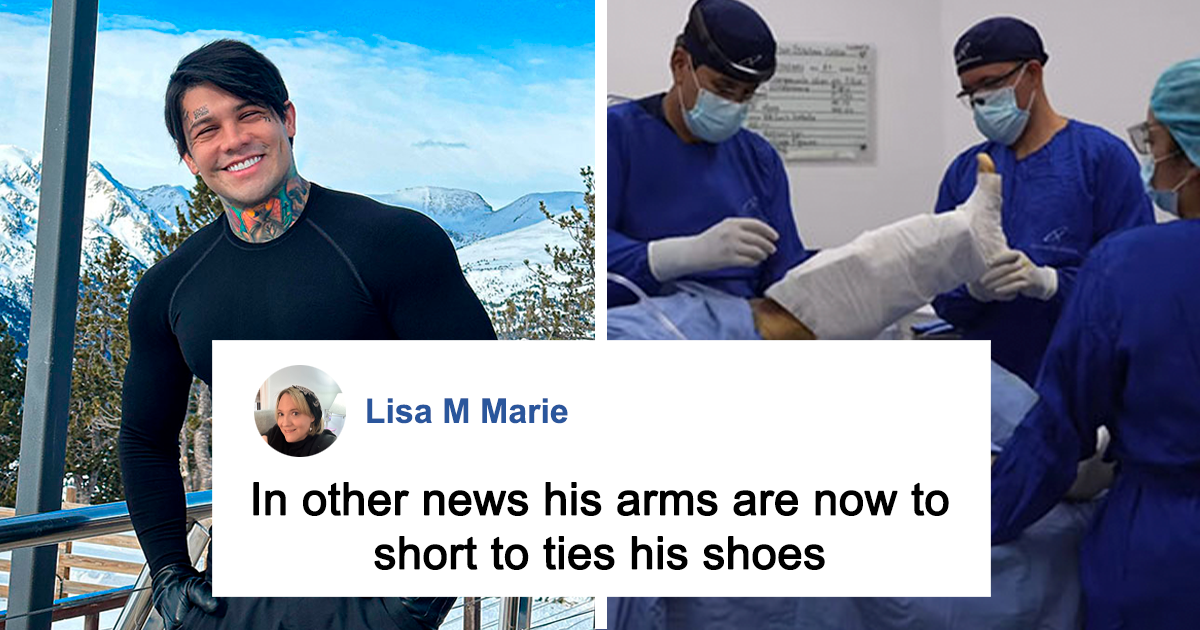
In the age of filters, glow-ups, gym transformations, and “just one more tweak” cosmetic culture, some people upgrade their wardrobes. Some change their hair. Some learn contouring so advanced it probably deserves college credit. And then there is Colombian influencer Yeferson Cossio, who reportedly spent $175,000 on leg-lengthening surgery to grow six inches taller.
The headline sounds like something cooked up by the internet after three energy drinks: an influencer pays luxury-car money to undergo one of the most painful elective surgeries in the world, all to move from about 5 feet 8 inches to roughly 6 feet tall. But the story is real, and it says a lot about modern beauty standards, social media pressure, masculinity, body image, and the booming business of cosmetic height surgery.
Cossio, a widely followed Instagram personality, described the procedure as the “most painful surgery ever.” He also openly said the decision was aesthetic. That honesty is part of what made the story explode online. Some people applauded him for taking control of his body. Others wondered whether the internet has officially entered its “we are breaking bones for better selfies” era.
Behind the viral reaction, however, is a serious medical procedure called limb lengthening surgery, or stature lengthening surgery. It is not a weekend spa treatment. It involves cutting bone, inserting hardware, slowly separating the bone segments, and waiting for new bone to form in the gap. In other words, it is science, suffering, patience, and physical therapy wearing one very expensive trench coat.
Who Is Yeferson Cossio, And Why Did His Surgery Go Viral?
Yeferson Cossio is a Colombian influencer and online personality known for his social media presence, tattooed look, fitness-focused image, and headline-grabbing lifestyle. When he shared that he had undergone lower-limb lengthening surgery, the internet immediately paid attention. The reported cost alone$175,000was enough to make people pause, blink twice, and mentally compare it to a house down payment.
According to reports, Cossio wanted to add around six inches to his height. He was not undergoing the surgery because of a severe limb discrepancy, skeletal condition, or post-traumatic injury. Instead, he said the procedure was done for aesthetic reasons. He also admitted he felt self-conscious about parts of his body, a confession that sounded surprisingly human beneath the glossy influencer packaging.
That vulnerability is probably why the story spread so quickly. People are used to influencers showing the finished product: the poolside photo, the perfect lighting, the “casual” outfit that took 45 minutes, the jawline that may or may not be sponsored by genetics. Cossio showed something far more dramatic: the cost and pain behind a body change that most people never even knew was possible.
What Is Leg-Lengthening Surgery?
Leg-lengthening surgery is a procedure designed to make bones longer over time. It was originally developed to treat medical problems such as limb-length differences, congenital conditions, bone growth disorders, or injuries that leave one limb shorter than the other. In medical settings, the goal is often functional: helping someone walk more evenly, reduce pain, or correct a deformity.
Cosmetic leg lengthening uses the same basic principle but for a different reason: increasing height. Surgeons usually operate on the femur, the tibia, or both. The bone is carefully cut in a controlled way, then stabilized with either an external fixator or an internal lengthening nail. Modern systems may use magnetic rods that slowly extend when activated by an external remote device.
The Science: Distraction Osteogenesis
The magic phrase is distraction osteogenesis. It sounds like a spell a wizard would cast after reading an orthopedic textbook, but it simply means new bone forms when two cut bone ends are gradually pulled apart. The body fills the gap with fresh bone tissue, while muscles, nerves, blood vessels, and skin must adapt along the way.
The lengthening usually happens very slowlyoften around one millimeter per day. That pace matters. Too fast, and nerves, muscles, and bone healing can struggle. Too slow, and the bone may consolidate before the desired length is reached. For someone aiming for six inches, the process can take many months and requires constant monitoring, physical therapy, pain management, and patience that would make a monk nervous.
Why Would Someone Spend $175,000 To Become Taller?
To many people, spending $175,000 on height surgery sounds extreme. But cosmetic surgery has always lived at the intersection of personal desire, social pressure, and money. The difference here is that leg-lengthening surgery is especially invasive. It is not a quick injection or a subtle tweak. It is a long, painful transformation that affects how a person moves, sleeps, showers, travels, works, and lives for months.
Height has deep social meaning, especially for men. Taller men are often stereotyped as more confident, powerful, attractive, and successful. Dating apps, entertainment, workplace bias, and casual jokes about “short kings” can all reinforce the idea that height is not just a measurement but a social ranking system. That does not mean every shorter person feels insecure, of course. Many do not. But for those who do, the insecurity can become exhausting.
Cossio’s case stands out because he was already famous, wealthy, and admired by millions. On paper, he seemed to have what many people chase: attention, money, looks, and influence. Yet his comments suggested that insecurity can survive even inside a glamorous life. Apparently, self-doubt does not check your follower count before entering the room.
How Much Does Limb-Lengthening Surgery Cost?
In the United States, stature lengthening surgery can easily cost six figures. Major orthopedic centers list prices around $125,000 or more for femur lengthening and even higher for tibia procedures, depending on what is included. Costs may cover hospital fees, implants, anesthesia, follow-up visits, and parts of the lengthening phase, but patients may still face additional expenses for lodging, physical therapy, medication, travel, imaging, and later hardware removal.
Cossio’s reported $175,000 price tag is high, but not wildly outside the luxury end of this market. Cosmetic limb lengthening is an expensive commitment because it involves specialized surgeons, advanced implants, intensive follow-up care, and a long rehabilitation period. This is not the kind of procedure where you want the bargain-bin version. When someone is literally cutting and stretching your bones, “cheap and cheerful” should not be the shopping strategy.
The Pain And Recovery: Why People Call It Brutal
Many cosmetic procedures come with discomfort. Leg-lengthening surgery comes with a full-body reality check. Patients may deal with post-surgical pain, muscle tightness, nerve irritation, swelling, stiffness, sleep problems, and the strange emotional experience of waiting for their own bones to grow.
During the distraction phase, the patient lengthens the device daily according to a surgeon’s instructions. At the same time, the body is adapting to a changing skeleton. Muscles and tendons are being stretched. Nerves and blood vessels are under tension. Joints must remain mobile. Physical therapy is not optional; it is the difference between a successful outcome and a very expensive regret with crutches.
Recovery often takes months. Patients may need walkers, crutches, wheelchairs, or assisted mobility for a significant period. Many must stay near the clinic for frequent checkups. Some describe the pain as manageable; others describe it as severe. Almost all agree that the process demands discipline. This is not “wake up taller and go brunch” surgery. It is more like “wake up, stretch, ice, do therapy, question your life choices, repeat.”
Medical Risks: The Part Social Media Should Not Crop Out
The polished before-and-after photos tell only part of the story. Limb-lengthening surgery carries real risks, including infection, poor bone healing, delayed consolidation, joint stiffness, nerve injury, muscle contracture, blood clots, hardware failure, uneven lengthening, and reduced range of motion. Some patients experience numbness or tingling. Others may need additional surgery.
Medical experts emphasize that careful patient selection matters. Good candidates are typically healthy, non-smokers, fully grown, psychologically stable, and prepared for months of follow-up. The procedure also requires experienced orthopedic surgeons and a rehabilitation team that understands limb reconstruction. A patient who chases maximum height at all costs may increase the risk of functional problems.
That last point is important. The goal should not be simply “as tall as possible.” It should be a safe result with functional legs. Height is nice. Walking without pain is also a premium feature.
Social Media, Body Image, And The New Cosmetic Frontier
Influencers have changed how cosmetic procedures are discussed. Years ago, many celebrities denied obvious changes with the confidence of someone claiming their new nose came from drinking more water. Today, influencers often document procedures openly. That transparency can reduce shame, but it can also normalize extreme interventions for audiences who may not fully understand the risks.
When a famous person posts about gaining six inches through surgery, viewers may focus on the transformation and miss the months of pain, expense, and medical monitoring behind it. A short video cannot capture the full recovery. A dramatic reveal cannot explain the anxiety of a complication. A smiling after-photo does not show every physical therapy session that came before it.
Still, it would be too easy to mock people who choose this surgery. Body insecurity is not silly just because someone else does not understand it. Many people carry private discomfort about their appearance for years. Some try therapy, style changes, fitness, or acceptance. Others choose medical intervention. The ethical question is not whether people should be allowed to change their bodies. The question is whether they are fully informed, medically protected, and emotionally supported before making life-altering decisions.
Is Cosmetic Height Surgery Becoming More Popular?
Yes, cosmetic height surgery appears to be gaining visibility, especially among men. Reports have highlighted patients in tech, finance, entertainment, athletics, and social media seeking the procedure. Some clinics market it as stature lengthening, height surgery, or cosmetic limb lengthening. The language may sound sleek, but the process remains serious.
Several factors help explain the rise. First, modern internal nails are more advanced than older external frames. Second, social media exposes people to more before-and-after results. Third, dating culture often amplifies height preferences. Fourth, remote work and flexible schedules may make long recoveries slightly more manageable for some high-income patients. Finally, online communities allow patients to compare experiences and encourage one another.
But popularity does not erase risk. In fact, demand can sometimes create dangerous shortcuts, especially when patients travel abroad for lower prices without fully understanding surgical standards, follow-up care, or what happens if complications occur after returning home.
The Psychology Of Wanting To Be Taller
Height insecurity is often treated as a joke, but for some people it affects confidence, dating, clothing choices, posture, social behavior, and mental health. Men in particular may feel pressure to be tall while also feeling embarrassed to admit that pressure hurts them. That combination can be isolating.
The Cossio story is interesting because he did not present the decision as medically necessary. He framed it as personal. That does not automatically make it wrong, but it does make the conversation more complicated. If someone has the money, understands the risk, and accepts the recovery, should society judge them? Or should we ask why height carries so much social power in the first place?
The honest answer may be both. We can respect bodily autonomy while still questioning the culture that makes people feel inadequate. We can understand why someone wants to change while still warning that surgery is not a magic eraser for insecurity. Bones can lengthen. Self-worth usually requires a different treatment plan.
Public Reaction: Admiration, Shock, And Internet Chaos
Online reactions to Cossio’s surgery were mixed. Some users praised his honesty and said people should be free to spend their money on whatever makes them happier. Others called the decision excessive, risky, or a symptom of social media vanity. A third group simply stared at the price tag and wondered whether being 6 feet tall comes with complimentary Wi-Fi.
The debate reveals how differently people view cosmetic surgery. A nose job, hair transplant, dental veneers, or lip filler may now seem relatively mainstream. But leg-lengthening still feels extreme because it involves breaking major bones and rebuilding mobility over time. It pushes the boundaries of what many people consider acceptable cosmetic enhancement.
Yet every generation has procedures that once seemed shocking and later became normalized. Whether cosmetic height surgery follows that path will depend on safety, outcomes, cost, cultural attitudes, and how responsibly clinics and influencers discuss it.
What People Should Consider Before Limb-Lengthening Surgery
Anyone considering cosmetic limb lengthening should start with serious research, not TikTok enthusiasm. The surgeon’s credentials matter. The clinic’s follow-up plan matters. The device matters. Physical therapy access matters. Mental health readiness matters. A patient should know what happens if healing is slow, pain is severe, or a nerve problem develops.
It is also wise to ask hard personal questions: Why do I want this? What do I expect life to feel like afterward? Will three or six inches solve the problem I think it will solve? Am I prepared for months of limited mobility? Can I afford not only surgery, but recovery? Do I have support?
These questions are not meant to shame anyone. They are meant to protect them. A person should not make a bone-deep decision based on a surface-level insecurity.
Experiences Related To A Six-Inch Leg-Lengthening Journey
The experience of undergoing leg-lengthening surgery begins long before the operating room. For many patients, it starts with years of measuring themselves against othersstanding in group photos, noticing where their eyes land in a crowd, hearing jokes, or quietly calculating whether shoes can add an extra inch without looking like elevator boots from a spy movie. By the time someone considers surgery, the decision is often not sudden. It may be the final chapter in a long private argument with the mirror.
After surgery, the fantasy of “being taller” quickly becomes a daily routine of recovery. The first days may involve hospital monitoring, pain control, swelling, and learning how to move safely. Simple tasks become projects. Getting out of bed can feel like organizing a small expedition. Showering may require planning, equipment, and the humility of realizing that independence is not as automatic as it once felt.
Then comes the lengthening phase. Each day, the patient follows a precise schedule to extend the device. A millimeter sounds tinybarely worth bragging about to a rulerbut inside the body, it is significant. The muscles tug. The joints complain. The nerves may send strange signals. Physical therapy becomes a daily appointment with discomfort. Stretching is not a wellness hobby here; it is survival maintenance.
Emotionally, the process can swing between excitement and doubt. On a good day, the patient sees progress and imagines a future where clothes fit differently, photos feel easier, and confidence arrives without needing permission. On a bad day, pain dominates the room. Sleep is poor. Mobility feels limited. The question “Why did I do this?” may show up uninvited and sit on the couch for hours.
Social support becomes essential. Friends and family may need to help with transportation, meals, errands, and encouragement. Patients recovering away from home may feel isolated, especially if they are staying near a clinic for follow-up appointments. Online communities can help, but they can also create pressure when everyone compares progress, pain levels, and inches gained.
The first steps after significant lengthening can feel surreal. The body has changed, but the brain needs time to update its map. Balance, stride, strength, and posture may all feel different. Some patients describe satisfaction when they finally stand at their new height. Others realize that confidence still requires inner work. The surgery may change how the world sees them, but it does not automatically silence every insecurity.
For someone like Cossio, the experience also unfolds under public attention. Every update can become content. Every choice can become a debate. That adds another layer: healing while strangers judge the price, the pain, the motivation, and the result. In that sense, the story is not only about becoming taller. It is about what happens when private insecurity, modern medicine, and public performance all meet in the same operating room.
Conclusion
Yeferson Cossio’s reported $175,000 leg-lengthening surgery is more than a viral celebrity oddity. It is a window into a growing cosmetic trend shaped by social media, body image, money, masculinity, and medical possibility. The procedure can genuinely change lives for some patients, especially when performed by experienced teams with careful monitoring. But it is also painful, expensive, risky, and emotionally demanding.
The internet may treat the story like a shocking before-and-after spectacle, but the real issue is deeper. Why does height carry so much power? Why do people feel pressured to physically redesign themselves? And how can society support personal choice without turning extreme surgery into just another lifestyle upgrade?
Cossio’s story will probably continue to divide opinion. Some will see courage. Some will see vanity. Some will see a warning. The smartest response may be to see all three. Cosmetic limb lengthening is possible, but possibility is not the same as simplicity. Growing six inches may change a person’s height, but understanding the costphysical, emotional, and financialrequires looking far beyond the measuring tape.