Confession: I used to think fostering a litter of kittens meant living in a permanent cloud of chaos, tiny teeth, and dramatic meows that sound like a squeaky door. I wasn’t totally wrongbut I also wasn’t right. What it really means is this: for a short stretch of time, you become the pit crew for a handful of very small, very determined lives.
And that matters more than most people realize.
Every yearespecially during “kitten season,” when warmer weather brings a surge of littersshelters and rescues can get overwhelmed fast. Kittens may be too young to be adopted, too fragile for a busy shelter environment, or simply too numerous for the available space and staff. Foster homes step in as the “bonus rooms” of the animal welfare world: temporary, safe places where kittens can grow, stabilize, and get ready for adoption.
If you’ve ever thought, “I love cats, but I’m not ready for the forever commitment,” fostering is the sweet spot. It’s meaningful, time-bound, and (with a good rescue partner) surprisingly doableeven if your current pet parenting résumé is “kept a cactus alive for six weeks.”
What Fostering A Litter Actually Looks Like (Spoiler: There Are Levels)
Not all kitten fostering is the same, and that’s a good thingbecause it means you can choose an option that fits your schedule, comfort level, and home setup.
1) The “Mom Cat + Babies” Foster (Often the Easiest Start)
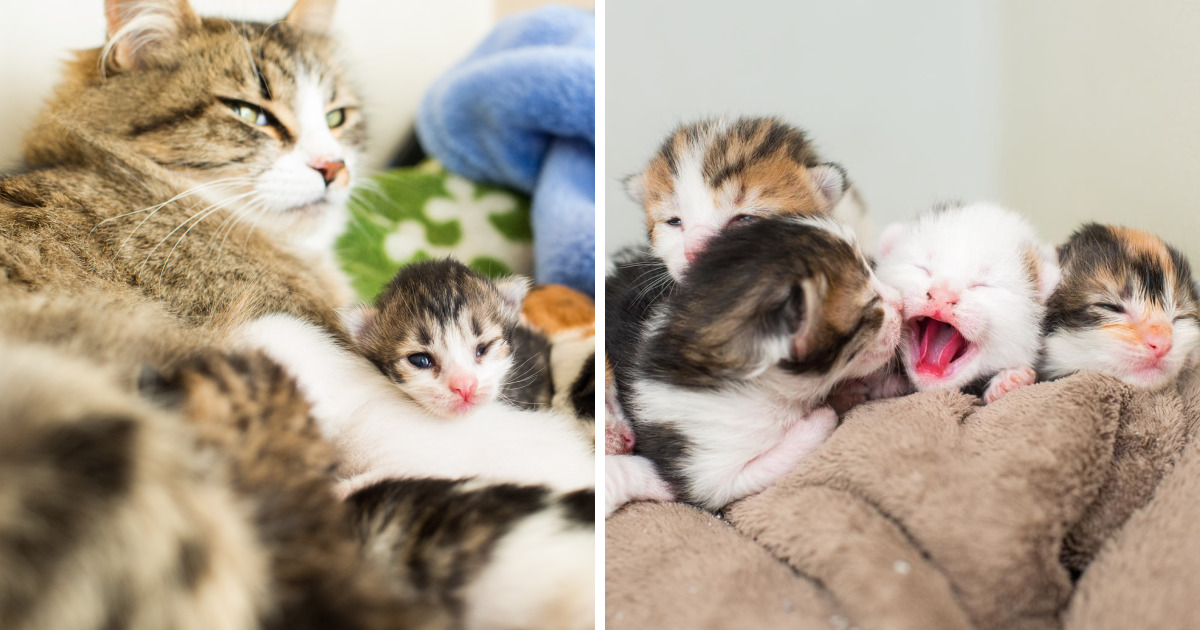
If the mother cat (a “queen,” because obviously) is present and nursing, your job is mostly support: a calm space, steady food and water, a clean area, and gentle observation. You’re basically running a quiet wellness retreat.
2) The Weaned or Weaning Litter (Busy, Fun, Less Intense)
These kittens are old enough to eat on their own (or are learning). Think: adorable, bouncy, and a little chaoticlike popcorn with legs. You’ll focus on meals, litter box habits, socialization, and keeping the room from turning into a toy explosion.
3) Neonatal Kittens / Bottle Babies (Advanced Mode)
Newborns are delicate and require frequent feeding and careful temperature management. Many shelters reserve this for trained fosters or people with flexible schedules. If you’re interested, awesomejust plan to learn from your shelter or a vetted program and follow their protocols closely.
Key takeaway: You don’t have to start with the hardest version of fostering to make a huge difference. Plenty of programs urgently need fosters for moms with litters and weaned kittens, too.
Why Fostering Kittens Saves Lives (Not Just “Feels Nice”)
Fostering isn’t just cute content for your camera roll (though yes, you will accidentally take 300 photos of one kitten discovering its tail). It’s a practical solution to real shelter constraints.
- It reduces overcrowding: Shelters have limited space and staff time. Foster homes free up room for animals with urgent needs.
- It supports kitten health: Young kittens are more vulnerable to illness. A clean, low-stress foster space can be safer than a high-traffic shelter environment.
- It improves adoption readiness: Kittens who experience gentle handling, household sounds, and positive interactions often transition more smoothly into adoptive homes.
- It helps shelters allocate resources: When kittens are fostered, shelters can focus in-house care on animals requiring intensive medical treatment or behavior support.
In many programs, kittens stay in foster care until they’re big enough for spay/neuter and adoption readinessoften around the time they hit healthy weight and developmental milestones. That means your short-term commitment becomes their long-term future.
How To Get Started (The Right Way, With Support)
The best kitten fostering experiences start with a legitimate shelter or rescue that provides guidance, veterinary support, and clear communication. You want a team, not a “good luck!” text message and a shoebox of kittens.
Step 1: Choose a Reputable Shelter or Rescue Partner
Look for organizations with a structured foster program: an application, orientation/training, written guidelines, and a foster coordinator. Many provide supplies (food, litter, formula if needed) and cover vet care.
Step 2: Be Honest About Your Schedule
Tell the program what you can realistically handle. If you’re in school all day, you might be perfect for a mom-and-babies setup or weaned kittenswhile neonatal care may be better for someone who can be home more often.
Step 3: Set Up a “Kitten HQ” (Containment Is Kindness)
Before kittens arrive, set up a small, easy-to-clean arealike a bathroom, laundry room, or spare room. This helps with:
- Quarantine: New fosters should be separated from your pets at first.
- Cleaning: Smaller space = easier sanitizing.
- Safety: Kittens can’t chew power cords if they can’t reach them.
Step 4: Gather Basic Supplies (Often Provided, But Know the List)
- Food appropriate to age (kitten formula only if instructed; otherwise kitten wet/dry food)
- Litter box with low sides (for little bodies learning big skills)
- Litter (most programs recommend unscented)
- Soft bedding you can wash easily
- A small scale for weight checks (helpful for monitoring growth)
- Cleaning supplies (pet-safe disinfectant, paper towels, laundry detergent)
- Toys for enrichment (wand toys, small balls, scratch pads)
Safety note: Always follow the foster program’s instructions for feeding, flea control, medications, and cleaning products. Kittens are tiny, and “close enough” is not a strategy.
Daily Care Basics (Without Turning Your Life Into a Spreadsheet)
Kittens thrive on consistency: warmth, food, cleanliness, and gentle handling. Your shelter will give specifics based on age and condition, but here’s the big-picture rhythm most fosters follow.
1) Monitor Appetite, Energy, and Weight
Kittens should steadily gain weight and become more active over time. Many programs recommend daily weigh-ins for young kittens because weight trends can be an early clue that something’s off.
2) Keep Things Clean (Because Tiny Bodies, Big Germ Rules)
Good hygiene protects kittens and you. Wash hands before and after handling. Clean food bowls daily. Scoop litter often. Replace bedding as needed. If you foster multiple litters (only if approved), keep them separate to reduce disease risk.
3) Socialize Gently (Confidence Is Built, Not Forced)
Socialization is not “make kitten endure a toddler cuddle marathon.” It’s small, positive experiences repeated over time:
- Short handling sessions with calm voices
- Play that ends on a positive note
- Exposure to normal household sounds (at a non-scary distance)
- Treats and praise for brave behavior (for older kittens)
4) Litter Box Training (Tiny Triumphs!)
Most kittens catch on quickly once they’re old enough. Provide a low-sided box and place it away from food and bedding. If accidents happen, don’t take it personally. They are learning. Their brains are still loading like slow Wi-Fi.
Health Red Flags: When To Call The Shelter Or Vet
Fostering doesn’t mean you need to become a veterinarianit means you become a good observer and communicator. Contact your program promptly if you notice:
- Not eating or suddenly eating much less
- Lethargy (unusually low energy)
- Diarrhea that persists or is severe
- Vomiting
- Labored breathing, persistent coughing/sneezing
- Eye or nose discharge that worsens
- Failure to gain weight (or weight loss)
Important: Don’t give over-the-counter medications or home remedies unless your foster program or veterinarian instructs you to. Some products safe for adult cats can be dangerous for kittens.
“Don’t Kit-nap That Cutie”: What To Do If You Find Kittens Outdoors
One of the most common well-intentioned mistakes during kitten season is scooping up kittens who aren’t actually orphaned. In many cases, the mother cat is nearby and returning. If you find kittens outside, contact a local shelter/rescue for guidance before interveningespecially if the kittens look clean, plump, and quiet. Many organizations recommend observing from a distance and assessing the situation rather than immediately removing them.
This is another reason fostering is so powerful: it plugs you into a network of people who can help you respond wisely when kittens appear in the wild (also known as: someone’s backyard bush).
The Emotional Side: Yes, You’ll Fall In LoveThat’s the Point
Let’s talk about the part no one warns you about properly: you will bond with them. Even the spicy kitten who hisses like a teaspoon dropped in a garbage disposal? Yes, even that one.
Fostering teaches a very specific kind of love: the kind that says, “I want you to be safe, healthy, and adoptedeven if that means you leave me.” That’s not easy, but it’s meaningful. A few coping tips fosters commonly use:
- Take lots of photos and videos (your camera roll will become a documentary series)
- Stay connected to the rescue and ask questions early
- Celebrate milestones (first purr, first solid food, first confident play)
- Remember the mission: your goodbye is someone else’s hello
If You Can’t Foster, You Can Still Help (A Lot)
Not everyone can foster, and that’s okay. You can still support kittens and rescues in practical ways:
- Donate supplies (kitten food, litter, heating pads approved by the rescue, cleaning supplies)
- “Kitten shower” drives (community supply events that help rescues stock up)
- Volunteer for cleaning, laundry, or socialization sessions
- Transport help for vet appointments
- Spay/neuter and community cat support (prevention reduces the flood)
- Share accurate kitten-season info so people don’t accidentally separate kittens from their moms
So YesYou Should Foster, If You Can (Here’s Your Nudge)
If you’re waiting for a sign, let this be it: fostering is one of the most direct ways an ordinary person can save lives from their own home. You don’t need a giant house. You don’t need decades of experience. You need a safe space, a willingness to follow guidance, and the ability to be lovingly bossed around by a rescue coordinator (who is, in fairness, trying to keep tiny beings alive).
Start with what fits your life. Foster a mom cat and her kittens. Foster a weaned litter. Try a short foster period during peak season. Even one litter fostered is a meaningful relief for an overwhelmed shelterand a life-changing bridge for kittens who just need time to grow.
Extra: Real-World Foster “Experiences” You Can Expect (An Honest + Funny )
Because the internet loves to make fostering look like a slow-motion montage set to gentle ukulele music, let’s add some realitybased on what foster programs teach and what many fosters commonly report.
Experience #1: Your home will develop a new soundtrack.
At first, you’ll think, “Aww, tiny meows.” Then you’ll realize kittens can communicate in at least twelve volumes, including: “I’m hungry,” “I’m bored,” “I lost my sibling,” “I found my sibling,” and “I am announcing myself to the universe.” The good news? As they settle into routine, the chaos-meowing often calms down. The other good news? You will eventually be able to identify each kitten by voice, like you’re a wildlife biologist with a very niche specialty.
Experience #2: Laundry becomes a lifestyle.
Bedding gets messy. Towels get messy. Your shirt gets messy because a kitten stepped in their wet food and then sprinted up your torso like you were Mount Everest. This is normal. Pro tip: keep a small basket near Kitten HQ for “kitten-only laundry,” so you’re not playing the fun game of “Is this towel covered in bleach cleaner…or mystery kitten juice?”
Experience #3: Tiny milestones will feel weirdly heroic.
The first time a kitten uses the litter box correctly, you will want to call your entire family and announce it like a graduation. The first time a shy kitten approaches you without fear, your heart will do that little squeeze thing. The first time a kitten purrs while you hold them, you’ll understand why people foster “just once” and then somehow become the neighborhood’s official kitten person.
Experience #4: You’ll learn to worry…productively.
Fostering teaches you to notice details without spiraling. You’ll learn what normal play looks like versus “something’s off.” You’ll get comfortable texting the foster coordinator with questions. You’ll become a competent observer. And you’ll realize that seeking help early is a strength, not a failure. (Also, you’ll start using phrases like “stool quality” with a straight face, which is a deeply humbling personal evolution.)
Experience #5: Goodbye will be both hard and happy.
When it’s adoption time, you’ll probably feel proud, sad, and excited all at once. Many fosters describe it as bittersweetbecause you’re attached, but you also know you did your job. Some people write a little “about me” note for each kitten for adopters. Some include a favorite toy. Some ugly-cry in the car after drop-off. All of those are normal. The point is: the kittens leave because they’re ready, and they’re ready because you helped them get there.
If you’re on the fence, consider this your permission slip: you don’t have to be perfect to foster. You just have to be prepared, supported, and willing to follow reputable guidance. The kittens will handle the restmostly by falling asleep in a pile like a fuzzy little loaf display.