A fresh perm can deliver the kind of curls that make you want to dramatically toss your hair every time you pass a reflective surface. Then comes the practical question: How do you wash hair after a perm without turning those carefully shaped curls into a frizzy science experiment?
The answer starts with patience. A perm is a chemical texture service that changes the way the hair is structured and shaped. Because chemically processed hair may also be more vulnerable to dryness, roughness, and breakage, the way you handle your first few washes matters. Dermatology and professional hair-care guidance consistently emphasize gentle cleansing, regular conditioning, reduced friction, and careful heat use for processed or fragile hair.
The good news is that post-perm hair care does not require a bathroom shelf containing 47 mysterious bottles. A thoughtful routine built around moisture and gentle handling is usually far more useful. Here are seven practical tips for washing permed hair while helping your new waves or curls stay defined, soft, and manageable.
When Can You Wash Your Hair After a Perm?
A common recommendation is to wait at least 48 hours before shampooing freshly permed hair. Some stylists may recommend waiting closer to 72 hours depending on the perm technique, products used, hair condition, and desired curl pattern. Professional beauty sources commonly advise avoiding washing and unnecessary manipulation during this initial period.
However, your own stylist’s instructions should come first. Modern perm formulas and techniques vary, including traditional cold perms, digital perms, body waves, root perms, and specialty texture services. The stylist who actually examined and treated your hair knows more about your specific service than a generic rule on the internet.
During the waiting period, try to avoid soaking the hair, aggressively brushing it, or pulling it into tight styles. Think of your new curls as guests who have just arrived at a fancy hotel. Give them a little space before demanding that they participate in water sports.
How to Wash Hair After a Perm: 7 Essential Care Tips
1. Wait Before Taking That First Shampoo
The first tip is also the hardest for anyone who loves a daily shampoo: resist the urge to wash immediately.
Waiting around 48 hours is a widely used aftercare recommendation for many perms. This period is also a good opportunity to minimize unnecessary manipulation. Avoid tight ponytails, restrictive clips, and anything else that may press noticeable bends into freshly treated hair.
If your hair accidentally gets slightly damp, do not panic and write an apology letter to your curls. Gently blot excess moisture and follow any instructions your stylist provided. The important point is to avoid deliberately shampooing or repeatedly soaking newly permed hair before the recommended waiting period has passed.
Once you are cleared for the first wash, treat it as a gentle cleansing session rather than an Olympic scalp-scrubbing event.
2. Use Lukewarm Water Instead of Very Hot Water
A steamy shower may feel wonderful, but very hot water is not the gentlest choice for dry or chemically processed hair. Use lukewarm water to thoroughly wet your hair before shampooing.
Professional hair-care guidance often recommends moderate water temperatures for processed hair because excessive heat can contribute to a dry, rough feel. Lukewarm water is comfortable enough to cleanse the scalp while fitting more naturally into a moisture-conscious routine.
You do not need to finish every shower with an arctic blast worthy of a survival documentary. A brief cool rinse is optional if you enjoy it, but the bigger priority is simply avoiding unnecessarily hot water throughout the wash.
3. Choose a Gentle, Moisturizing Shampoo
After a perm, shampoo should clean your scalp without leaving the lengths feeling like decorative straw.
Look for a gentle or moisturizing shampoo designed for curly, dry, damaged, or chemically treated hair. Many people with permed hair also prefer sulfate-free formulas because they may provide a less stripping cleansing experience, although no single ingredient rule works for every scalp or hair type.
Professional curl-care sources commonly emphasize gentle cleansing and moisture preservation for curls, while salon guidance for permed hair frequently recommends switching to a moisturizing shampoo-and-conditioner routine.
How often should you shampoo? There is no universal schedule. Someone with an oily scalp may need to wash more frequently than someone with a dry scalp and coarse hair. As a starting point, many people with permed or curly hair find that washing two or three times per week works better than daily shampooing. Adjust according to oiliness, sweating, product buildup, scalp comfort, and your stylist’s advice.
Remember: an uncomfortable, itchy, or heavily oily scalp is not a beauty achievement. The goal is gentle cleansing, not a competition to see who can avoid shampoo the longest.
4. Shampoo the Scalp Instead of Scrubbing the Lengths
One of the simplest ways to wash permed hair more gently is to focus the shampoo where cleansing is usually needed most: the scalp and roots.
Apply a modest amount of shampoo and massage it into the scalp with your fingertips. Avoid scratching with your nails or aggressively rubbing the entire length of the hair. When you rinse, the shampoo will naturally travel through the mid-lengths and ends.
The American Academy of Dermatology recommends applying shampoo primarily to the scalp rather than rubbing it through the full length of the hair, a technique intended to reduce unnecessary damage and dryness.
For thick hair, divide the scalp mentally into sections so you do not miss the back of the head or areas around the ears. Use gentle circular movements, rinse thoroughly, and repeat only when necessary because of significant oil or buildup.
5. Condition Every Wash and Detangle Gently
If shampoo is the cleaning crew, conditioner is the peace treaty.
Perming can leave hair feeling drier or more fragile, so regular conditioning is an important part of post-perm hair care. Apply conditioner mainly through the mid-lengths and ends, where dryness and tangling are often most noticeable.
While the conditioner is in your hair, gently detangle with your fingers or a wide-tooth comb if your hair tolerates it well. Begin near the ends and gradually work upward. Do not attack a knot from the roots as though it personally insulted your family.
Leave-in conditioner can also be useful for chemically treated hair, especially when the strands feel dry or difficult to manage. Dermatologists note that leave-in conditioner may be particularly helpful for long or chemically treated hair.
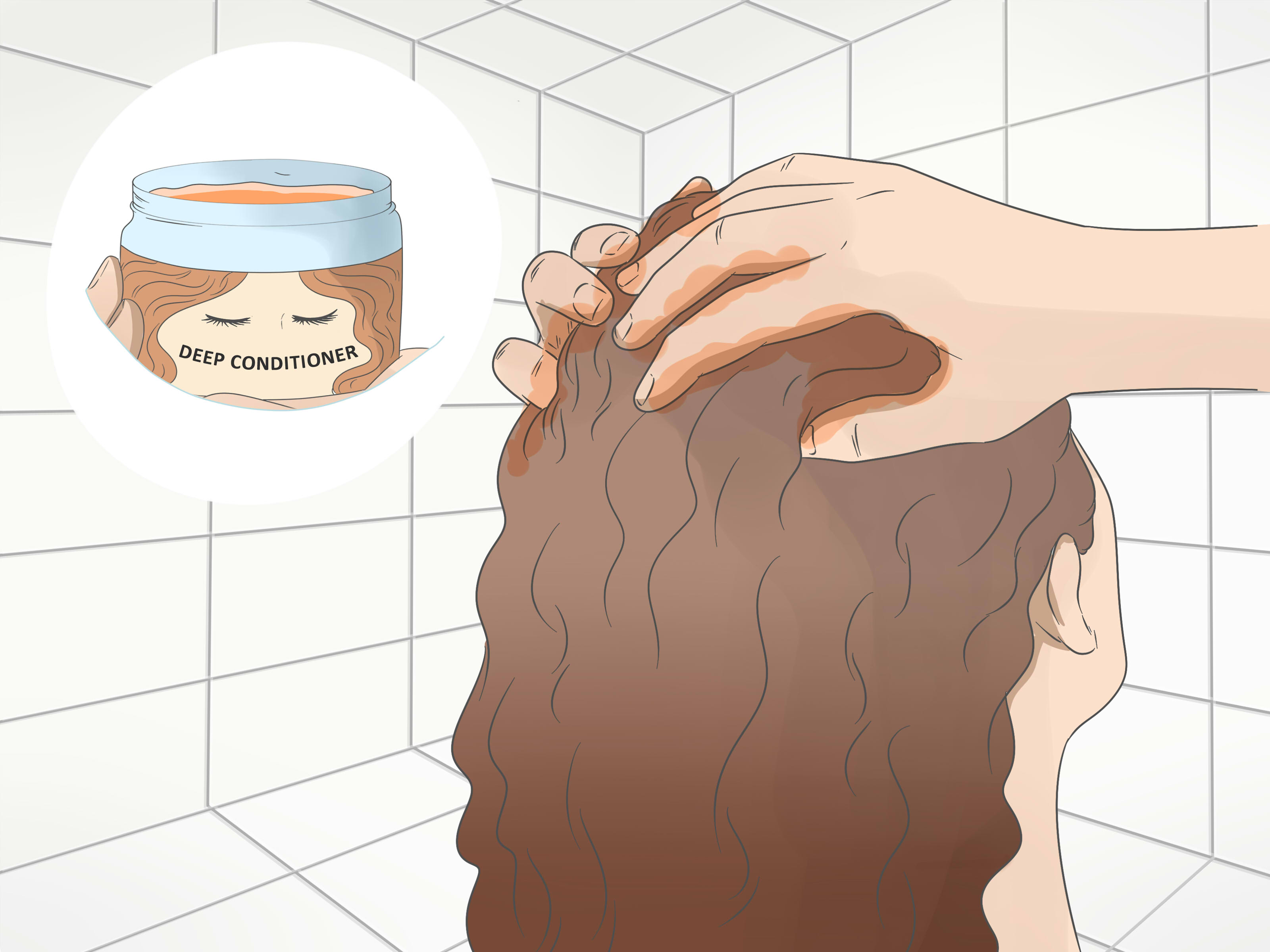
A deep-conditioning mask once a week may provide additional softness for dry, porous, or frequently styled hair. The ideal frequency depends on the formula and your hair. Fine hair may become flat when overloaded with rich products, while coarse or very dry hair may appreciate more intensive conditioning.
6. Do Not Rub Your Hair Dry With a Rough Towel
Your curls have survived chemical processing. They do not need to enter a wrestling match with a bath towel.
After rinsing, gently squeeze excess water from the hair. Then blot or scrunch with a soft microfiber towel or clean cotton T-shirt. Avoid aggressive back-and-forth rubbing, which can increase tangling, disrupt curl clumps, and encourage frizz.
Hair-care experts commonly recommend blotting rather than rubbing and using softer materials to reduce friction on the hair.
Try not to twist wet permed hair into an extremely tight towel turban either. Wet hair can be more vulnerable to stretching and breakage, especially when it has already undergone chemical processing.
Once excess water is removed, apply your preferred leave-in conditioner or curl product. Scrunch upward gently to encourage definition.
7. Air-Dry or Use a Diffuser With Moderate Heat
Air-drying is a simple option for many permed styles, but it is not the only acceptable method. A diffuser can help dry curls while reducing the force of concentrated airflow.
If you use a blow-dryer, choose a low or medium heat setting and avoid blasting one section with intense heat for an extended period. Dermatologists recommend limiting excessive heat and using lower settings when styling hair.
For better curl formation, apply styling products while the hair is damp, gently scrunch, and then avoid constantly touching the hair while it dries. Repeatedly pulling apart damp curl clumps can create frizz before the style has even had a chance to introduce itself.
If you diffuse, try cupping sections of hair into the diffuser rather than wildly blowing the curls around. Stop when the hair is dry or nearly dry, depending on your preferred technique.
A Simple First-Wash Routine for Permed Hair
Once the waiting period recommended by your stylist has passed, your first wash can be straightforward:
- Wet the hair thoroughly with lukewarm water.
- Apply a small amount of gentle shampoo to the scalp.
- Massage with fingertips without aggressively tangling the lengths.
- Rinse thoroughly.
- Apply conditioner through the mid-lengths and ends.
- Detangle gently with fingers or a wide-tooth comb if needed.
- Rinse and gently squeeze out excess water.
- Blot with a microfiber towel or cotton T-shirt.
- Apply a lightweight leave-in or curl-defining product.
- Air-dry or diffuse with controlled heat.
That is it. Your first post-perm wash does not require candles, chanting, or permission from Elle Woods.
Common Mistakes to Avoid After a Perm
Washing Too Soon
Ignoring your stylist’s recommended waiting period is one of the easiest aftercare mistakes to avoid. Many professional sources recommend giving freshly permed hair roughly 48 hours before shampooing.
Overwashing Dry Hair
Daily shampooing is not automatically wrong, especially for people with oily scalps or specific dermatologic needs. However, if your permed hair becomes increasingly dry, brittle, or frizzy, experimenting with less frequent shampooing and more moisture may help.
Using Too Much Product
More curl cream does not necessarily create more curl. Heavy layering can leave fine hair limp and create buildup. Start with a small amount and add more only when necessary.
Brushing Dry Curls Aggressively
Dry brushing can separate defined curls and create a cloud of volume that may or may not have been invited. Many permed styles respond better to gentle detangling when the hair is damp and conditioned.
Using High Heat Every Day
Repeated high-temperature styling can add stress to already chemically processed hair. Reduce unnecessary heat and use sensible heat protection when thermal styling is part of your routine.
How Often Should You Wash Permed Hair?
The correct wash frequency depends more on your scalp and hair than on a rigid calendar.
People with oily scalps, frequent workouts, or significant styling-product use may need more frequent cleansing. People with dry, coarse, or very porous hair may prefer longer gaps between shampoos. Curly-hair guidance often encourages adjusting cleansing frequency according to moisture needs and buildup rather than following a single rule for everyone.
A practical approach is to monitor three things: your scalp, your curls, and product buildup. Wash when your scalp needs cleansing. Condition according to the dryness of your lengths. Use a deeper cleansing shampoo occasionally when genuine buildup becomes a problem, but avoid turning strong clarifying products into an everyday habit on dry, freshly processed hair.
Frequently Asked Questions About Washing Hair After a Perm
Can I wash my hair 24 hours after a perm?
Many stylists and hair-care sources recommend waiting approximately 48 hours, and sometimes longer, before the first shampoo. Washing at 24 hours may therefore be earlier than recommended for many traditional services. Follow the instructions given by the professional who performed your perm.
What if my stylist says I can wash sooner?
Follow the instructions for your specific treatment. Perm formulas and techniques differ, so a stylist familiar with the products used on your hair may provide directions that differ from general aftercare advice.
Can I use regular shampoo on permed hair?
You can, but a gentle moisturizing formula may be more comfortable if your hair becomes dry after chemical processing. Select products according to your scalp condition, hair texture, and how your hair responds rather than assuming that every bottle labeled “for curls” will automatically be perfect.
Should I use conditioner after every shampoo?
For many people with permed hair, conditioning after shampooing is helpful because chemically processed curls may be prone to dryness and tangling. Fine hair may need a lighter conditioner, while coarse or very dry hair may benefit from richer formulas.
What should I do if my scalp burns or develops sores after a perm?
Persistent burning, significant irritation, sores, swelling, or other concerning symptoms are not routine hair-care issues. The American Academy of Dermatology advises rinsing off perm solution immediately if excessive stinging or burning occurs during processing and consulting a dermatologist. Seek appropriate medical care for significant or worsening reactions.
Real-World Experiences and Lessons From Caring for Permed Hair
The difference between a perm that remains lively and one that quickly becomes frustrating often comes down to ordinary habits rather than one magical product. Real-world post-perm routines tend to reveal the same lesson: gentle consistency beats aggressive maintenance.
Experience 1: The “My Curls Look Different After the First Wash” Moment
One common surprise is that salon-finished curls may not look exactly the same after the first home wash. At the salon, a professional may use specific products, sectioning methods, finger styling, and diffusing techniques. At home, a person may shampoo correctly but then roughly towel-dry the hair and wonder why the result looks fluffier.
The useful lesson is to evaluate the entire routine, not just the shampoo. Switching from towel rubbing to gentle blotting, applying styling product while the hair is still damp, and scrunching the curls before air-drying can dramatically change the final appearance. Sometimes the perm did not “fall out.” The styling technique simply changed.
Experience 2: The Too-Much-Product Problem
Another common experience begins with enthusiasm. A person buys curl shampoo, conditioner, mask, leave-in treatment, cream, mousse, gel, serum, and possibly something in a tiny bottle that appears to contain moonlight.
Then the curls become heavy and flat.
Permed hair may need moisture, but moisture and product overload are not the same thing. Fine or medium-density hair can lose bounce when several rich products are layered together. A better experiment is to simplify: shampoo, conditioner, one leave-in or curl product, and perhaps a light finishing product if needed.
Add products based on a specific problem. Do not build a 12-step routine merely because your bathroom counter has available real estate.
Experience 3: Learning That the Scalp and the Ends Need Different Things
A surprisingly useful lesson is that hair can have oily roots and dry permed ends at the same time. Shampooing the entire length aggressively to fix oily roots may make the ends feel worse.
Focusing shampoo on the scalp while conditioning the mid-lengths and ends creates a more targeted routine. Someone who exercises frequently may still wash regularly, but the cleansing does not need to become a full-length scrubbing session every time.
This approach is particularly helpful for longer permed hair, where the oldest ends have experienced more weather, brushing, heat, and chemical processing than the newer hair near the scalp.
Experience 4: Discovering That Wash Frequency Is Personal
Some people try to follow a strict rule such as “permed hair should only be washed once a week.” That may work beautifully for one person and feel miserable for another.
A person with a dry scalp and thick curls may enjoy long gaps between wash days. Someone with an oily scalp, a humid climate, or a daily workout routine may need to cleanse more frequently. The better experience usually comes from adjusting the schedule based on scalp comfort and curl condition rather than treating wash frequency like a law carved into a salon chair.
Experience 5: The Hair Improves When the Routine Gets Gentler
Many post-perm frustrations are caused by accumulated stress: hot showers, vigorous towel drying, rough detangling, frequent flat ironing, and repeated high-heat blow-drying. No single habit may seem catastrophic, but together they can leave chemically treated hair feeling increasingly rough.
Replacing those habits one at a time can make the routine noticeably easier. Lukewarm water replaces very hot water. Fingers or a wide-tooth comb replace aggressive brushing through tangles. A microfiber towel replaces vigorous rubbing. Moderate heat replaces the hottest dryer setting.
The lesson is refreshingly unglamorous: healthy-looking permed hair is often maintained through boring, repeatable habits. Fortunately, boring habits are much cheaper than repeatedly trying to rescue damaged curls.
Conclusion: Keep Your Perm Routine Gentle and Consistent
Learning how to wash hair after a perm is less complicated than it first appears. Begin by respecting the waiting period recommended by your stylist, commonly around 48 hours for many perm services. When wash day arrives, use lukewarm water, cleanse the scalp gently, condition the lengths, reduce friction, and dry your curls without excessive heat.
The best routine is not necessarily the one with the most products. It is the routine that keeps your scalp comfortable and your permed hair soft, manageable, and easy to style. Pay attention to how your curls respond, adjust product richness and washing frequency as needed, and remember that chemically processed hair usually appreciates a little extra kindness.
Your perm has already done the dramatic transformation. Your job now is simply not to pick a fight with it every time you take a shower.
Note: Perm formulas, hair conditions, and salon techniques vary. Always prioritize the aftercare instructions provided by the stylist who performed your service. Seek professional or medical advice for significant breakage, persistent scalp irritation, burns, sores, swelling, or other concerning reactions.