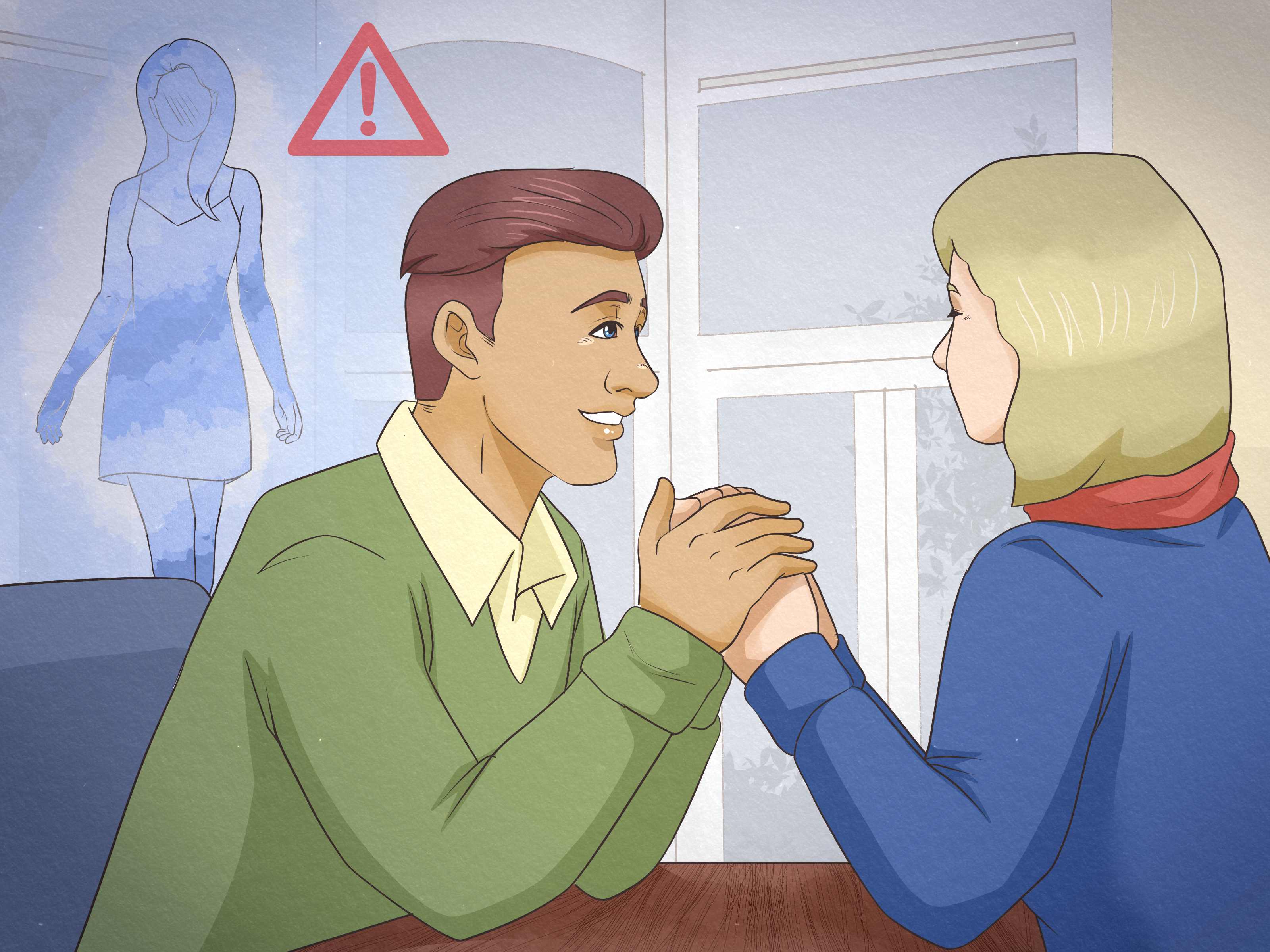
A bad breakup is like stepping on a LEGO in the dark: you didn’t see it coming, it hurts way more than it “should,” and for a while you can’t trust the floor.
If you’re in that raw, shaky, can’t-eat-can’t-sleep-can’t-stop-refreshing-your-phone place, this guide is for you.
“Survive” is the right word, by the way. You’re not trying to become a glowing, enlightened butterfly today. You’re trying to make it through the next hour without texting,
“I miss you” followed by 14 crying emojis and a link to “our song.” (No judgment. We’ve all been there. Some of us have receipts.)
Here’s the good news: heartbreak is brutal, but it’s also predictable. Your mind and body respond to loss in patterns. When you learn the patterns, you can build a plan.
And when you have a plan, you stop feeling like you’re being emotionally chased by a bear.
Step 1: Name What’s Happening (So It Stops Feeling Like You’re “Going Crazy”)
A breakup is a loss: of a person, a future, routines, identity, and sometimes your favorite hoodie. That’s why it can trigger grief-like reactions: denial, anger, bargaining,
sadness, and a weird phase where you feel fine at 2:00 PM and then sob into a tortilla at 2:07 PM.
If your emotions are swinging, that doesn’t mean you’re broken. It means your brain is doing what brains do when attachment gets yanked away:
it protests, searches, and tries to restore what was familiar.
Reality check you may need today
- You can miss them and still know it needed to end.
- You can feel relief and grief at the same time.
- You don’t need “closure” from them to heal.
The 72-Hour Breakup Survival Plan (Because Today Is Not the Day for Big Life Decisions)
For the first few days, you don’t need a five-year glow-up roadmap. You need a short checklist that keeps you functioning.
Think of it as “emotional first aid.”
1) Do the body basics (even if you’re doing them angrily)
- Water: a glass now. Dehydration makes everything feel worse, including your own thoughts.
- Food: something with protein and carbs. A sad bagel counts. A rage omelet counts.
- Sleep: aim for a consistent bedtime/wake time, even if sleep is messy at first.
- Movement: a 10–20 minute walk. Not as a “fitness goal,” but as a nervous system reset.
2) Remove the “instant pain” triggers
You don’t have to burn love letters in a dramatic rainstorm (tempting, though). Just make the heartbreak less accessible.
Put photos in a hidden folder. Box up gifts. Move the toothbrush. Unfollow or mute for now.
You’re not erasing history; you’re reducing surprise punches to the heart.
3) Borrow calm from a human being
Text one safe person: “Can you check in on me today? I’m not okay.” If you don’t want to talk, ask for something specific:
a meal, a walk, company while you reorganize the kitchen like a haunted librarian.
4) Make a “no decisions” list
Breakups make you want to reinvent everything immediately: quit your job, dye your hair, move to Montana, adopt three ferrets.
Give yourself 72 hours where the only required choices are:
“shower or not,” “eat or not,” “text my ex or absolutely not.”
No-Contact: The Boundary That Feels Mean Until It Starts Working
If your breakup is truly over (not a temporary pause with clear agreements), constant contact tends to reopen the wound.
Your brain interprets little interactions as hope, and hope is basically emotional glitter: it gets everywhere and never comes out of your carpet.
What “no-contact” can look like in real life
- No texting “just checking in.”
- No scrolling their profile “for closure.”
- No late-night “remember when…” messages.
- No using mutual friends as your investigative reporters.
If you share responsibilities (lease, kids, pets, a business), do “low-contact”: keep it logistical, brief, and boring.
Imagine you’re emailing your internet provider. Polite. Clear. No feelings. No memes.
Social Media After a Breakup: Mute Is a Love Language (For Yourself)
Social platforms can turn healing into a reality show you didn’t consent to star in. Even if you’re “just looking,” your nervous system reacts like the relationship is still ongoing.
The goal is not to “win” online; it’s to stop feeding the part of your brain that’s scanning for evidence of rejection.
Try this instead of doom-scrolling
- Mute/unfollow temporarily: You can always re-follow later if it becomes healthy.
- Hide memories: Many apps allow you to reduce “On This Day” surprises.
- Create friction: Log out. Remove shortcuts. Put the app in a folder named “Not Today, Satan.”
- Replace the habit: When the urge hits, open a notes app and write what you wanted to send… but don’t send it.
Stop the Mind Movies: How to Handle Rumination Without Fighting Your Brain
Rumination is when your mind plays the breakup like a low-budget film festival:
“What if I had said X?” “Maybe if I had done Y?” “Let me rewatch the argument from seven angles.”
Your brain is trying to solve pain as if it’s a math problem. Unfortunately, heartbreak is not algebra.
Three tools that actually help
-
Set a “worry window”: Pick 15 minutes a day to journal every messy thought. When thoughts intrude outside that time, say:
“Not now. I’ve scheduled you for 6:30.” It sounds silly. It works because your brain learns containment. -
Grounding: Use your senses: name 5 things you see, 4 you feel, 3 you hear, 2 you smell, 1 you taste.
This interrupts the spiral and brings you back into the present. -
Answer the hidden question: Most rumination is asking something like “Am I unlovable?” or “Did I waste my time?”
Write the question down. Then answer it like you’re talking to a friend: with honesty and kindness, not cruelty.
Self-Compassion: The Opposite of “Let Me Roast Myself Into Recovery”
After a breakup, many people try to heal by attacking themselves:
“I’m stupid.” “I’m too much.” “I’ll never find anyone.” That may feel like accountability, but it’s usually just pain wearing a bossy hat.
Self-compassion isn’t letting yourself off the hook; it’s treating yourself like a human being in distress.
It sounds like: “This hurts. I’m struggling. I’m still worthy of care.”
You can take responsibility for mistakes and refuse to bully yourself. Both can be true.
A quick script for the worst moments
- Mindfulness: “This is heartbreak. It’s here right now.”
- Common humanity: “Other people have felt this. I’m not alone or defective.”
- Kindness: “What would help me feel 5% safer right now?”
Build a Breakup Recovery Routine (Because Structure Beats Chaos)
When the relationship ends, the calendar goes empty in weird places: no good morning texts, no weekend plans, no “we always do tacos on Tuesday.”
Your brain hates a vacuum and will fill it with obsessing. A simple routine gives you traction.
Sample “minimum viable day”
- Wake up → water → light breakfast
- 10–20 minutes of movement
- One social touchpoint (text/call/coffee)
- One productive task (small: laundry, dishes, email)
- One soothing activity (shower, music, reading, comfort show)
- Evening wind-down without scrolling your ex
You’re not trying to crush goals. You’re rebuilding stability. Small wins restore dignity, and dignity is surprisingly powerful medicine.
Closure Is Not Something Your Ex Hands You Like a Participation Trophy
Wanting closure is normal. But waiting for someone else to deliver it can keep you stuck.
Real closure often looks like accepting imperfect answers and choosing your own meaning:
“It ended because it wasn’t workable,” is a complete sentence.
A healthier closure exercise
- Write what you wish they would say (apology, explanation, gratitude).
- Write what you realistically know (facts, patterns, incompatibilities).
- Write what you’re choosing now: “I’m releasing the role of detective. I’m focusing on repair.”
When You Have to Stay Connected (Kids, Pets, Lease, Work)
Some breakups come with paperwork. If you must remain in contact, the goal is to reduce emotional friction.
Use systems, not feelings.
Co-parenting / shared responsibilities basics
- Keep it businesslike: short messages, clear requests, neutral tone.
- Use one channel: email or one app for logistics to avoid “accidental” heart-to-hearts.
- Boundaries with mutual friends: “I’m not ready for updates about them right now.”
- Protect the kids: no venting to them, no using them as messengers, no adult emotional labor.
If Heartbreak Feels Physical, Take It Seriously
Stress can show up in your body: chest tightness, stomach issues, headaches, insomnia. That doesn’t mean “it’s all in your head.”
It means your body is participating in the loss.
Important: if you have chest pain, shortness of breath, fainting, or symptoms that feel like a heart problem, get medical care right away.
There are real medical conditions associated with extreme stress, and it’s always worth ruling out something urgent.
When to Get Professional Help (A Strong Move, Not a “Failure”)
Breakups can trigger depression, anxiety, panic, trauma responses, or a return of old coping behaviors.
Support can speed healing and reduce suffering.
Consider talking to a professional if:
- You can’t function at work/school for more than a couple weeks.
- You’re not sleeping for several nights in a row, or you’re sleeping all day.
- You’re using alcohol or substances to numb out.
- You feel hopeless, worthless, or stuck in intrusive thoughts.
- You have any thoughts of self-harm.
If you’re in the U.S. and you need immediate support, you can call or text 988 for the Suicide & Crisis Lifeline.
If you’re in immediate danger, call emergency services right now.
How to Tell You’re Healing (Spoiler: It’s Not “Never Thinking About Them Again”)
Healing is quieter than heartbreak. You’ll notice it in small ways:
you go an hour without checking your phone, you laugh without feeling guilty, you imagine the future without them and don’t panic.
Green flags of recovery
- You can remember the relationship without only idealizing it or only hating it.
- You stop negotiating with reality (“If I just…”).
- You start wanting your life back more than you want their attention.
- You feel curious again (about people, hobbies, yourself).
Dating Again: Don’t Rush It, Don’t Fear It
The right timeline is the one where dating doesn’t feel like anesthesia or revenge. If you’re dating to prove something, distract yourself,
or audition strangers for the role of “Ex Replacement,” pause.
A simple readiness test
- You can handle “no” without it collapsing your self-worth.
- You’re not secretly hoping your ex finds out and suffers.
- You can name what you learned and what you want next time.
- You can enjoy someone’s company without comparing them to your ex every 30 seconds.
Conclusion: Surviving First, Thriving Later
To survive a bad breakup, you don’t need perfect strength. You need repeatable actions:
protect your nervous system, lean on people who love you, create structure, set boundaries, and stop feeding the pain loop.
One day you’ll realize you went hoursthen dayswithout feeling like your chest is being squeezed by an invisible hand.
You’re not behind. You’re not “too emotional.” You’re healing from a real loss. Keep it simple. Keep it kind. Keep going.
Breakup Survival Experiences (The “Been There” Part)
Here are a few real-world patterns people commonly describe when they’re trying to survive a bad breakupshared here in a practical way, so you can recognize yourself and
feel a little less alone.
Experience #1: The 2:00 AM Text Draft Marathon. A lot of people say the hardest time is late at night, when the day goes quiet and your brain decides it’s a great moment
to review every conversation you’ve ever had. One person described writing a dozen unsent messages in their notes app: apologies, jokes, long essays, a short “please,” and finally
“I hate you” (followed by “I don’t hate you”). What helped wasn’t “willpower,” but friction: they removed the ex’s contact, logged out of social apps, and made a rule that any message
had to wait until the next morning. By daylight, the urge dropped from a screaming 10 to a manageable 4. The lesson: cravings peak, then fade. You don’t have to obey every feeling.
Experience #2: The Social Media Trap. Many people report they weren’t actually healing until they stopped watching their ex’s life unfold online. One woman joked that she
could tell you what her ex ate for lunch faster than she could tell you what she needed. After muting and unfollowing, she felt withdrawal for a weekrestless, curious,
convinced she was missing “important updates.” Then something surprising happened: her mornings got calmer. She stopped starting the day with a hit of pain. She filled the gap with a new
habit: a ten-minute walk and a voice note to a friend. The lesson: your attention is fuel. Starve the loop, feed your life.
Experience #3: The Identity Shock. After long relationships, people often say they didn’t just lose a partnerthey lost a version of themselves. Someone who always traveled
as a couple suddenly didn’t know where to go on weekends. A person who cooked “for us” didn’t know what to make for one. The turning point for many is creating “solo rituals”:
a Saturday morning coffee place, a gym class, a weekly call with a sibling, a hobby that’s just theirs. It can feel awkward at firstlike wearing new shoesbut repetition builds a new sense
of “me.” The lesson: you rebuild identity through actions, not epiphanies.
Experience #4: The Unexpected Grief Waves. People often describe healing as non-linear: you’ll feel okay, then get wrecked by a smell, a song, or a restaurant sign.
One person said the worst wave hit on a random Tuesday because they saw their ex’s favorite cereal. What helped was treating waves like weather: “This is passing through.”
They practiced a tiny routine: breathe, drink water, text one friend “wave hitting,” then do one grounding task (shower, dishes, walk). The wave still hurt, but it didn’t hijack the whole day.
The lesson: you can plan for pain without letting pain plan your life.
Experience #5: The Moment It Finally Shifts. Many people can’t point to one magical day when they were “over it.” They describe a slow accumulation of small wins:
sleeping a little better, laughing a little more, going a full afternoon without checking their phone. Then one day, they catch themselves thinking about their future and realize their ex
wasn’t the main character in the story anymore. The lesson: healing often looks boring from the outsideuntil you notice you’re free.