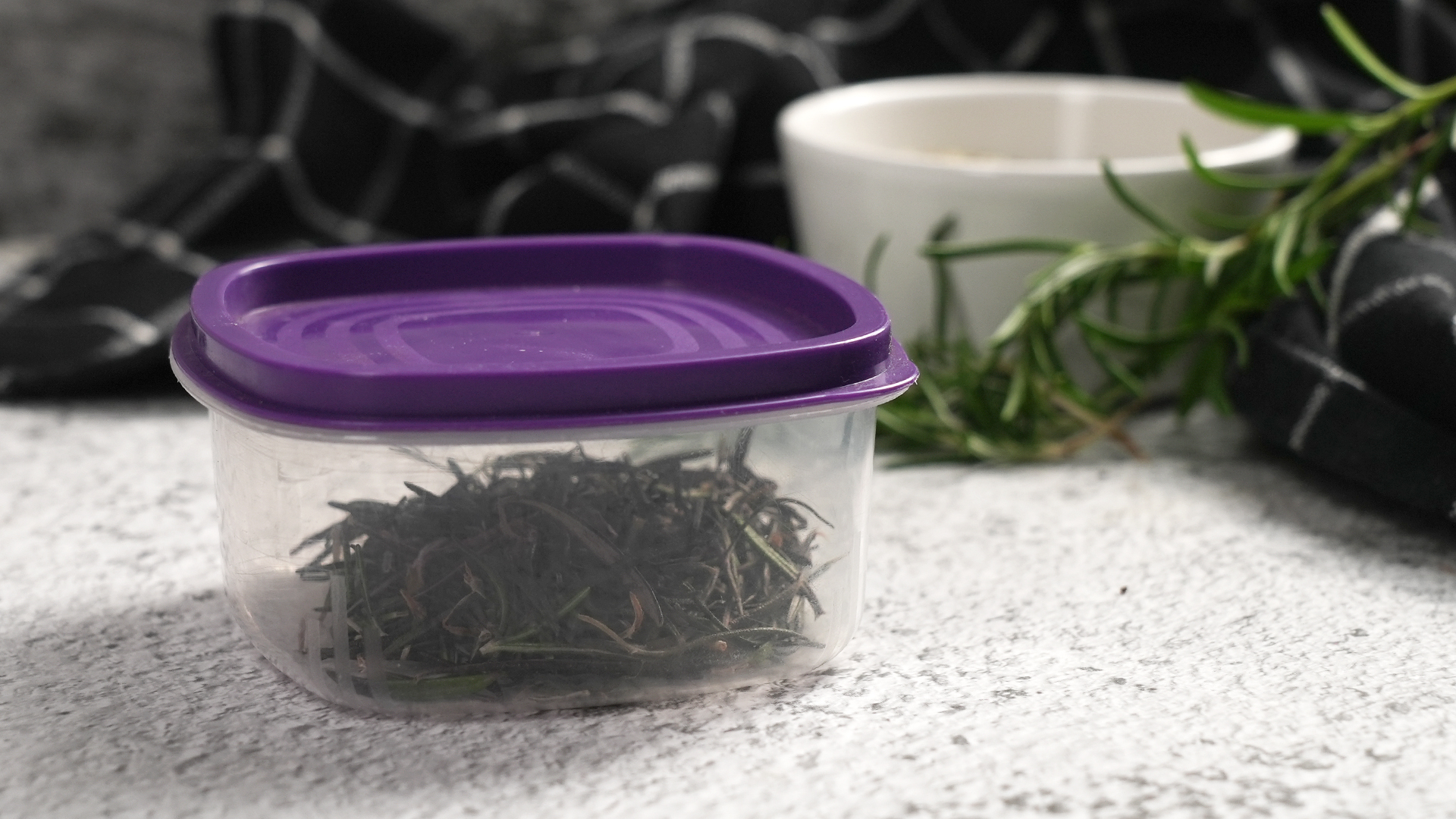
Fresh rosemary is the tiny evergreen branch that walks into your kitchen and immediately acts like it owns the place. It is bold, piney, lemony, woodsy, and powerful enough to make roasted potatoes taste like they graduated from culinary school. But like all fresh herbs, rosemary has one dramatic weakness: poor storage.
Leave it sweating in a plastic grocery bag, and those once-proud sprigs may turn limp, dark, or suspiciously slimy. Toss it uncovered into the fridge, and it can dry out until it looks like something discovered behind a medieval cookbook. The good news? Learning how to store fresh rosemary is easy, and the right method depends on when you plan to use it.
This guide covers four simple ways to store fresh rosemary for the best flavor: refrigerating it, keeping it in water, freezing it, and drying it. You will also learn how to prep rosemary before storage, how long it lasts, how to spot spoilage, and how to use every last fragrant needle without wasting a single sprig.
Why Proper Rosemary Storage Matters
Rosemary is a hardy, woody herb, which means it naturally lasts longer than delicate herbs like basil, cilantro, or parsley. Its firm stems and needle-like leaves help it hold up well in the refrigerator, freezer, and pantry. Still, fresh rosemary is not invincible. Moisture, trapped condensation, warm temperatures, and poor airflow can shorten its life quickly.
Proper storage protects three things: flavor, aroma, and texture. Fresh rosemary gets its signature punch from aromatic oils in the leaves. When the sprigs dry out too fast, sit in excess moisture, or absorb odors from nearby foods, that flavor fades. Stored well, rosemary stays fragrant enough for roasted chicken, focaccia, soups, stews, marinades, potatoes, lamb, mushrooms, and even cocktails.
Before You Store Fresh Rosemary: Prep It the Right Way
Before choosing a storage method, start with clean, healthy sprigs. Good rosemary should look green or gray-green, feel firm, and smell bright and piney when gently rubbed. Avoid bunches with black spots, mold, slimy patches, or a sour odor.
Should You Wash Rosemary Before Storing It?
For short-term refrigerator storage, it is usually best to wait and wash rosemary right before using it. Extra moisture can encourage spoilage, especially if the herb is sealed in a bag or container. If your rosemary is dusty, sandy, or garden-grown, rinse it under cool running water, then dry it thoroughly with a clean towel or salad spinner before storing.
The key word is thoroughly. Rosemary can handle a little humidity, but it does not want to take a bubble bath in your fridge.
Remove Damaged Sprigs First
One bad sprig can make the whole bunch decline faster. Before storing, inspect the rosemary and remove any yellowing, blackened, mushy, or moldy pieces. If only the tip is damaged, trim it away. If a full stem feels slimy or smells off, discard it.
Method 1: Store Fresh Rosemary in the Refrigerator
The refrigerator method is the best everyday option if you plan to use fresh rosemary within one to two weeks. It keeps the sprigs cool, lightly humid, and protected from drying out.
How to Refrigerate Rosemary with a Paper Towel
- Sort through the rosemary and remove any damaged sprigs.
- Do not wash unless necessary. If you wash it, dry it completely.
- Lay the sprigs in a single loose layer on a slightly damp paper towel.
- Roll the towel gently around the rosemary. Do not squeeze it into a tight little herb burrito.
- Place the wrapped rosemary in a resealable bag, airtight container, or produce container.
- Store it in the refrigerator, ideally in the crisper drawer.
The paper towel helps balance moisture. It keeps the rosemary from drying out while also absorbing excess condensation. For best results, check the towel every few days. If it feels soaked, replace it. If it feels completely dry and the rosemary looks thirsty, lightly dampen a fresh towel.
How Long Does Rosemary Last in the Fridge?
Fresh rosemary stored this way usually lasts about 10 to 14 days, and sometimes longer if it was very fresh when purchased or harvested. Garden-cut rosemary often lasts better than store-bought rosemary because it has not spent days traveling, waiting, and wondering what happened to its life goals.
Best Uses for Refrigerated Rosemary
Use refrigerated rosemary anywhere you want a fresh, vivid flavor. It is excellent in roasted vegetables, chicken marinades, garlic butter, homemade bread, skillet potatoes, grilled meat, white bean soup, tomato sauce, and infused vinegar. Since the texture stays fairly fresh, this method is best when presentation matters.
Method 2: Store Rosemary in a Jar of Water
Another easy way to store fresh rosemary is to treat it like a small bouquet. This method works especially well for sturdy sprigs with long stems. It can be done in the refrigerator or on the counter for short-term use, though refrigeration generally gives better control and longer freshness.
How to Store Rosemary Like a Bouquet
- Trim about 1/4 inch from the bottom of the stems.
- Place the rosemary upright in a small jar or glass with about 1 inch of water.
- Cover the top loosely with a plastic bag if storing in the refrigerator.
- Change the water every few days or whenever it looks cloudy.
- Remove any leaves that fall below the waterline.
This method helps the stems stay hydrated, which can extend freshness. However, rosemary is a woody herb, so it does not always need as much water as tender herbs. The goal is to hydrate the stems, not drown the leaves.
Should Rosemary in Water Go in the Fridge or on the Counter?
If you will use the rosemary within a few days, the counter can work, especially in a cool kitchen away from direct sunlight. For longer storage, the refrigerator is safer and more reliable. Keep the jar away from raw meat, poultry, seafood, and strong-smelling foods.
Best Uses for Jar-Stored Rosemary
This method is perfect when you want rosemary visible and easy to grab. Keep it ready for weeknight cooking: one sprig for roasted carrots, another for lemon chicken, another for a pan sauce that makes everyone think you planned dinner more carefully than you did.
Method 3: Freeze Fresh Rosemary for Long-Term Storage
Freezing is the best method when you have more rosemary than you can use in a week or two. Frozen rosemary will not have the exact same texture as fresh rosemary, but it keeps plenty of flavor. It works beautifully in cooked dishes where texture is less important.
How to Freeze Whole Rosemary Sprigs
- Rinse the rosemary if needed, then dry it very well.
- Spread the sprigs on a baking sheet in a single layer.
- Freeze until firm, usually about one to two hours.
- Transfer the frozen sprigs to a freezer-safe bag or container.
- Label with the date and return to the freezer.
Freezing the sprigs first keeps them from clumping together. Later, you can grab exactly what you need without wrestling a frozen herb brick. Nobody wins that battle.
How to Freeze Chopped Rosemary
If you usually cook with chopped rosemary, strip the leaves from the stems, chop them, and freeze the leaves in a small airtight container or freezer bag. Press out as much air as possible before sealing. You can also freeze chopped rosemary in ice cube trays with water, olive oil, or broth.
Rosemary cubes are especially useful for soups, stews, braises, sauces, roasted vegetables, and slow-cooker meals. Drop a cube into the pot and let it melt into the dish. It is meal prep, but make it fragrant.
How Long Does Frozen Rosemary Last?
Frozen rosemary is best used within three to six months for peak flavor. It remains safe longer if kept continuously frozen, but quality gradually declines. For the strongest aroma, use frozen rosemary in cooked dishes rather than as a fresh garnish.
Method 4: Dry Fresh Rosemary for Pantry Storage
Drying rosemary is the best choice when you want shelf-stable storage. Dried rosemary has a more concentrated flavor than fresh rosemary, so a little goes a long way. It is excellent in spice blends, roasted meats, potatoes, breads, soups, and marinades.
How to Air-Dry Rosemary
- Gather rosemary sprigs into small bundles.
- Tie the stems with kitchen twine.
- Hang the bundles upside down in a warm, dry, dark, well-ventilated area.
- Let them dry until the leaves feel brittle and crumble easily.
- Strip the dried leaves from the stems and store them in an airtight container.
Air-drying is simple and old-school in the best possible way. It takes longer than other methods, but it requires no special equipment. Just keep the bundles away from humidity, direct sunlight, and kitchen steam.
How to Dry Rosemary in the Oven
To dry rosemary faster, place clean, dry sprigs on a baking sheet and dry them at the oven’s lowest setting. Check often and remove them when the leaves are crisp. Keep the heat low because high heat can dull the flavor and turn your lovely rosemary into something that tastes like a campfire had a bad day.
How to Dry Rosemary in a Dehydrator
A dehydrator offers the most controlled drying environment. Spread rosemary sprigs in a single layer on dehydrator trays and dry at a low herb-friendly temperature until brittle. Once fully dry, store the leaves whole for the best flavor, then crush them right before cooking.
How Long Does Dried Rosemary Last?
Dried rosemary keeps best in an airtight container in a cool, dark, dry place. For peak flavor, use it within six months to one year. It may not spoil quickly if kept dry, but the aroma fades over time. If you open the jar and smell almost nothing, your rosemary has retired.
Fresh vs. Frozen vs. Dried Rosemary: Which Storage Method Is Best?
The best method depends on how soon you plan to cook with it. For the freshest flavor, refrigerate rosemary and use it within about two weeks. For convenience, freeze it. For long-term pantry storage, dry it.
Choose the Refrigerator Method If…
You cook often and want rosemary that still looks and tastes fresh. This is ideal for recipes where rosemary is part of the final presentation or added near the end of cooking.
Choose the Jar Method If…
You have long sprigs and want easy access. It is also a nice option if you harvested rosemary from the garden and want to keep it perky for the next few days.
Choose the Freezer Method If…
You bought a big bunch and know you cannot use it all in time. Frozen rosemary is a lifesaver for soups, stews, sauces, and roasted dinners.
Choose the Drying Method If…
You want rosemary available for months without taking up fridge or freezer space. Dried rosemary is practical, flavorful, and perfect for spice cabinets.
How to Tell If Fresh Rosemary Has Gone Bad
Fresh rosemary should smell clean, piney, and herbal. It should not smell sour, musty, or rotten. Watch for these signs of spoilage:
- Black, brown, or mushy leaves
- Slime on the stems or needles
- Mold growth
- A sour or unpleasant odor
- Severe wilting with no aroma left
If only a few leaves are dry, you can remove them and use the rest. If the rosemary is slimy, moldy, or smells bad, throw it away. Fresh herbs are wonderful, but no sprig is worth a stomachache.
Common Mistakes When Storing Fresh Rosemary
Using a Wet Paper Towel Instead of a Damp One
A damp paper towel helps rosemary stay fresh. A wet towel creates a tiny swamp. Rosemary likes moisture control, not a spa weekend.
Sealing Wet Rosemary in a Bag
If you rinse rosemary before storage, dry it thoroughly. Trapped water encourages mold and sliminess.
Forgetting to Label Frozen Rosemary
Always label freezer bags with the date. Otherwise, future you will discover a mysterious green bundle and begin a small archaeological investigation.
Storing Dried Rosemary Near Heat
Keep dried rosemary away from the stove, oven, dishwasher, and sunny windows. Heat and light weaken flavor faster.
Smart Ways to Use Stored Rosemary
Once your rosemary is stored properly, the fun part begins. Add fresh rosemary to roasted potatoes with olive oil, garlic, salt, and black pepper. Tuck sprigs under chicken skin before roasting. Stir chopped rosemary into focaccia dough. Add a small amount to tomato sauce, white bean soup, or beef stew.
Frozen rosemary works best in cooked dishes. Toss a frozen sprig into broth, braising liquid, or a slow-cooker meal, then remove the stem before serving. Dried rosemary is great in rubs and seasoning blends, but crush it slightly before using to release more aroma.
For an easy upgrade, mix finely chopped rosemary with softened butter, lemon zest, garlic, and a pinch of salt. Spread it on bread, melt it over steak, or toss it with hot vegetables. It tastes fancy, but it takes less time than finding the lid to your food storage container.
Quick Rosemary Storage Cheat Sheet
- Best short-term method: Wrap in a damp paper towel and refrigerate in a bag or container.
- Best easy-access method: Store stems upright in a jar with a little water.
- Best long-term method: Freeze whole sprigs or chopped leaves.
- Best pantry method: Dry rosemary and store it in an airtight jar.
- Best flavor tip: Keep rosemary dry enough to prevent rot but humid enough to prevent shriveling.
Experience Notes: What Really Helps Rosemary Stay Flavorful
When it comes to storing fresh rosemary, the biggest lesson from everyday kitchen use is this: rosemary is sturdy, but it still appreciates manners. Treat it carelessly, and it may punish you with dry needles, black tips, or that unpleasant slippery feeling that makes you question every decision that brought you to the produce drawer.
The refrigerator paper towel method is usually the most dependable for regular cooking. It is simple, cheap, and flexible. The trick is not to overdo the moisture. A paper towel should feel like it was lightly misted, not like it just survived a thunderstorm. When rosemary is wrapped gently and stored in a container, it stays easy to inspect. That matters because forgotten herbs are where good intentions go to compost.
Another practical habit is storing rosemary where you can see it. If it disappears behind a gallon of milk, three jars of pickles, and leftovers from a dinner you no longer remember, it is much less likely to be used. A clear container or labeled bag helps. Even better, place it near foods you commonly cook with rosemary, such as potatoes, carrots, chicken, mushrooms, or lemons. Visibility turns “I should use that rosemary” into “Look at me, making dinner taste better.”
For people who buy rosemary for one recipe and then have half a bunch left, freezing is the hero method. Whole frozen sprigs are especially useful because they can be added directly to hot dishes. There is no need to thaw them first. In fact, thawing can make the leaves limp and awkward. Just drop the sprig into a simmering sauce, soup, or roasting pan and let the heat do the work.
Drying rosemary is best when you know you will not use it soon. However, dried rosemary can be intense and a little sharp if added carelessly. The best experience comes from crushing dried leaves slightly before cooking and giving them time to soften in oil, broth, butter, or sauce. Big, stiff pieces of dried rosemary sprinkled on at the end can feel like tiny pine needles at a dinner party, and nobody invited that texture.
One more useful lesson: rosemary pairs beautifully with fat, acid, and heat. That means stored rosemary can still taste lively when used with olive oil, butter, lemon juice, vinegar, roasted garlic, or browned meat. If your rosemary is no longer perfect enough for garnish but still smells good, cook with it. Add it to roasted vegetables, simmer it in beans, or steep it in warm olive oil for immediate use. Flavor does not have to be Instagram-ready to be delicious.
The best storage method is ultimately the one that matches your cooking rhythm. Weekly cooks should refrigerate it. Batch cooks should freeze it. Pantry planners should dry it. Herb lovers with countertop dreams can try the jar method. Rosemary is forgiving, flavorful, and wonderfully usefulas long as you do not abandon it in a soggy plastic bag and hope for miracles.
Conclusion
Knowing how to store fresh rosemary helps you protect its bold flavor, reduce food waste, and make everyday meals taste more intentional. For short-term freshness, wrap rosemary in a slightly damp paper towel and refrigerate it in a bag or container. For easy access, stand the stems in a jar with a little water. For longer storage, freeze whole sprigs, chopped leaves, or rosemary cubes. For pantry convenience, dry the sprigs and keep them in an airtight jar away from heat and light.
Fresh rosemary may look like a tiny branch, but it brings huge flavor. Store it well, and you will always have a fragrant upgrade ready for roasted potatoes, chicken, soups, breads, sauces, and cozy dinners that smell like you absolutely know what you are doing.