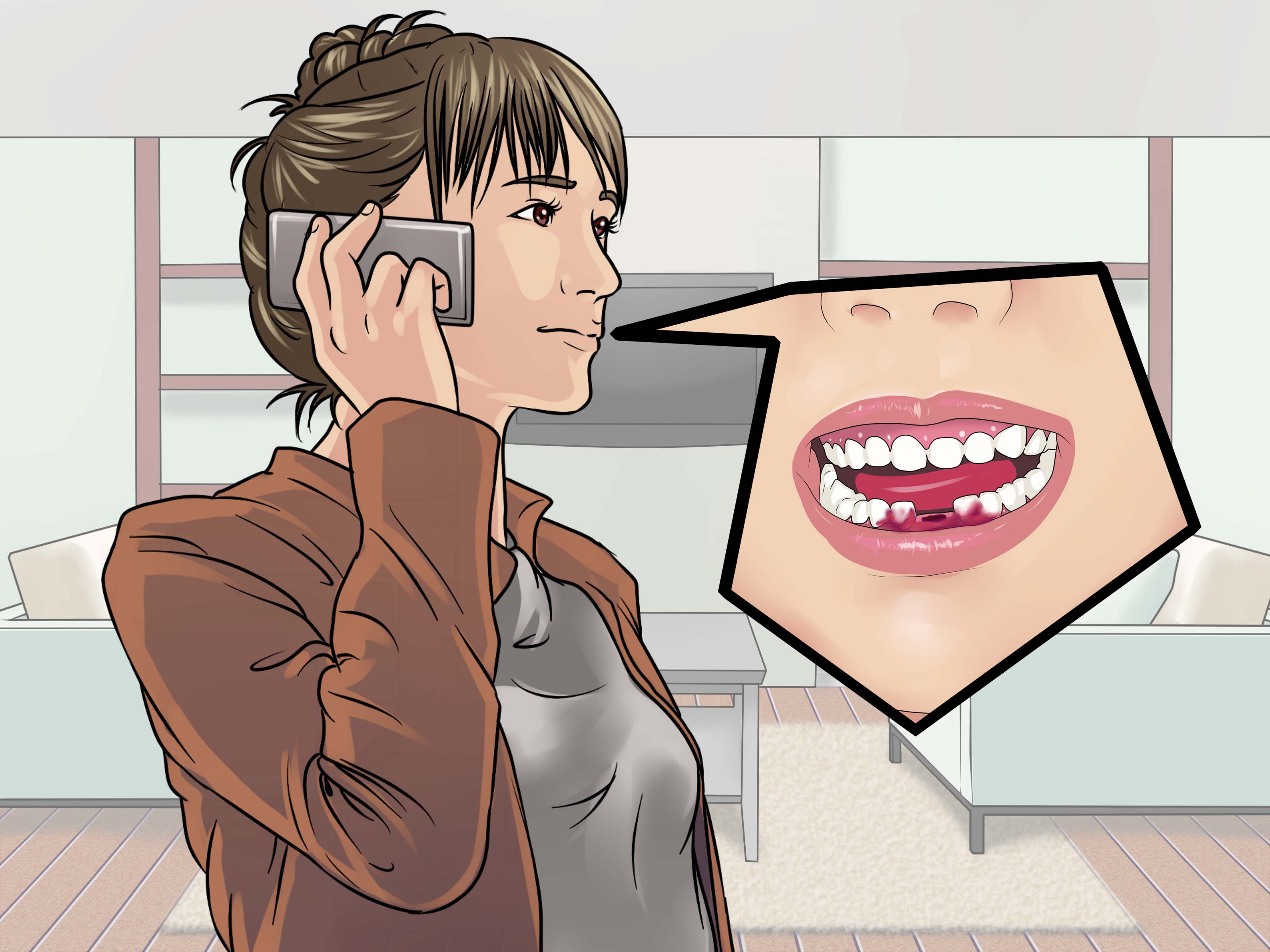
Note: This article is for general education and does not replace advice from a dentist, pediatric dentist, oral surgeon, or physician. If bleeding is heavy, will not slow with pressure, follows an injury, or involves a permanent tooth, contact a dental professional or urgent care right away.
Introduction: First, Take a BreathThen Grab the Gauze
Pulling out a loose tooth can feel like a tiny victory parade. One minute it is wobbling like a fence post in a storm, and the next minute it is out, the tooth fairy is unofficially on call, and everyone is staring at a little blood like the kitchen has become a dental drama series. The good news: a small amount of bleeding after a loose tooth comes out is usually normal, especially when it is a baby tooth that was ready to leave.
The goal is simple: help a blood clot form where the tooth came out. That clot is nature’s bandage. It protects the gum, seals the small opening, and gives the mouth a chance to start healing. Most mild bleeding can be controlled with clean gauze, steady pressure, a calm attitude, and a few smart do-not-do-that rules.
This guide explains how to stop bleeding after pulling out a loose tooth, what to avoid during the first 24 hours, when to call a dentist, and how to keep the area comfortable while it heals. Whether you are helping a child with a baby tooth or dealing with your own loose tooth situation, the key is gentle carenot panic, poking, rinsing like a pressure washer, or turning the bathroom sink into a crime scene investigation.
Before You Start: Was It a Baby Tooth or a Permanent Tooth?
This matters more than people think. A loose baby tooth that comes out naturally is usually not a major problem. Baby teeth are designed to fall out when the adult teeth are ready to come in. Bleeding is typically light and short-lived.
A loose permanent tooth is different. Permanent teeth are not supposed to come out on their own. If an adult tooth was pulled out, knocked out, or came loose after a fall, sports injury, accident, or bite trauma, treat it as a dental emergency. A permanent tooth may sometimes be saved if handled quickly and correctly, especially when a dentist is contacted immediately.
Quick Rule
If the tooth was already extremely loose, tiny, and clearly a baby tooth, home care may be enough for mild bleeding. If the tooth was an adult tooth, came out because of an injury, broke, left fragments behind, or caused heavy bleeding, call a dentist, oral surgeon, or emergency service immediately.
Step 1: Wash Your Hands and Stay Calm
Before touching the mouth, wash your hands well with soap and water. The mouth already has plenty of bacteria, so there is no need to invite extra guests to the party. If you are helping a child, speak calmly. Kids often react more to the adult’s face than to the actual situation. If you look terrified, they may decide the tooth gap is a five-alarm emergency.
Have the person sit upright, lean slightly forward, and avoid lying flat. Leaning forward helps prevent swallowing blood, which can upset the stomach. It also makes it easier to see whether the bleeding is slowing.
Step 2: Use Clean Gauze and Apply Steady Pressure
The most effective way to stop bleeding after a loose tooth comes out is direct pressure. Take a piece of clean sterile gauze, fold it into a small thick pad, and place it directly over the bleeding gum area. Have the person bite down gently but firmly for 15 to 30 minutes.
The pressure should be steady. Do not keep lifting the gauze every 30 seconds to check. That is like opening the oven every minute to see if cookies are baking. You slow everything down. Give the clot time to form.
How Firm Should the Bite Be?
The bite should be firm enough to hold the gauze in place, but not so hard that it causes pain. For a child, you can say, “Bite like you are holding a cracker, not crushing a rock.” If the child is too young to safely hold gauze in the mouth without chewing or swallowing it, an adult should supervise closely and use extra caution.
Step 3: Replace Gauze Only When Needed
If the gauze becomes soaked, replace it with a fresh folded piece. Slight pink staining is normal. Bright red blood that quickly soaks through gauze again and again is not something to ignore.
When changing the gauze, remove it gently. If it sticks, dampen it slightly with clean water before removing it. Pulling off stuck gauze can disturb the forming clot and restart bleeding.
Step 4: Try a Damp Black Tea Bag if Bleeding Continues
If clean gauze and steady pressure do not fully calm the bleeding, a damp black tea bag can be useful. Moisten the tea bag with cool or room-temperature water, squeeze out extra liquid, wrap it in gauze if available, place it over the bleeding area, and have the person bite down gently for about 20 to 30 minutes.
Black tea contains tannins, which may help blood vessels tighten and support clotting. This is not a magic spell, but it is a practical home method often used after dental bleeding. Use plain black tea, not a sugary, flavored, spicy, or hot tea bag. Your gums do not need chai latte energy right now.
Step 5: Use a Cold Compress for Comfort
A cold compress on the outside of the cheek can help with swelling and discomfort, especially if the tooth came out after wiggling, tugging, or a minor bump. Wrap ice or a cold pack in a thin towel and apply it to the cheek for 10 to 20 minutes at a time.
Do not put ice directly on the gum socket. Also avoid holding ice straight against the skin for too long, because that can irritate the skin. Think cool and soothing, not “Arctic expedition.”
What Not to Do After Pulling Out a Loose Tooth
The first day is all about protecting the clot. Once bleeding slows, your job is to avoid knocking the clot loose. This is where many people accidentally restart the bleeding.
Do Not Spit Forcefully
Spitting creates pressure in the mouth and can dislodge the clot. If saliva builds up, let it drool gently into a tissue or sink. Yes, it feels silly. No, the clot does not care about dignity.
Do Not Rinse Vigorously Right Away
For the first several hours, avoid aggressive rinsing. Later, gentle warm salt water rinses may help keep the area clean, but the word “gentle” is doing serious work here. Swish softly and let the water fall out of the mouth instead of spitting hard.
Do Not Use a Straw
Suction from a straw can pull the clot out of place. Avoid straws for at least 24 hours. The same idea applies to sippy cups for younger children if suction is involved.
Do Not Poke the Gap
Keep fingers, toothpicks, crunchy snacks, and curious tongues away from the empty spot. The gum is trying to heal. It does not need an inspection committee visiting every five minutes.
Do Not Eat Hard, Crunchy, or Spicy Foods Immediately
Chips, nuts, popcorn, hard candy, pretzels, and spicy foods can irritate the area or get stuck in the socket. Save the snack attack for later.
Best Foods and Drinks After a Loose Tooth Comes Out
Soft, cool, or room-temperature foods are usually the easiest choice after bleeding slows. Good options include yogurt, applesauce, mashed potatoes, scrambled eggs, smoothies eaten with a spoon, soft pasta, soup that is warm but not hot, bananas, oatmeal, and pudding.
Avoid very hot drinks for the first day because heat can encourage bleeding. Also avoid carbonated drinks if they sting or make the area feel irritated. Water is the boring hero here, and boring heroes are often exactly what healing needs.
How Long Should Bleeding Last?
For a naturally loose baby tooth, bleeding often slows within a few minutes and usually stops with 15 to 30 minutes of pressure. Mild pink saliva may appear for a little while afterward. That can look scarier than it is because a small amount of blood mixes with saliva and suddenly seems dramatic.
After a dental extraction, light oozing may last longer, but a tooth pulled at home should not cause heavy, persistent bleeding. If the bleeding continues despite firm pressure, keeps soaking gauze, or restarts repeatedly, it is time to call a dentist or seek medical help.
When to Call a Dentist or Get Urgent Help
Most loose-tooth bleeding is minor, but some situations need professional care. Contact a dentist, pediatric dentist, oral surgeon, or urgent care if any of the following happen:
- Bleeding does not slow after 30 to 60 minutes of steady pressure.
- Blood is bright red, heavy, or rapidly soaking gauze.
- The tooth was a permanent tooth.
- The tooth came out because of a fall, hit, sports injury, or accident.
- Part of the tooth seems broken or left behind.
- There is severe pain, swelling, fever, pus, or a bad taste that does not go away.
- The person has a bleeding disorder or takes blood-thinning medication.
- There is trouble breathing, swallowing, staying awake, or controlling bleeding.
If breathing or swallowing is difficult, or bleeding is heavy and uncontrollable, seek emergency medical care immediately.
Special Advice for Children Losing Baby Teeth
Children often lose baby teeth between early grade-school years and the preteen years, though timing varies. A baby tooth should usually come out when it is very loose and ready. Pulling too early can cause more bleeding, pain, and anxiety than necessary.
If a child wants help with a dangling tooth, use a clean tissue and gentle motion only. Never yank a tooth that is still firmly attached. If it resists, it is not ready. The tooth fairy can wait; she has a flexible schedule.
Help Kids Feel Safe
Tell the child that a little blood is normal and that biting on gauze helps the gum make a tiny “mouth bandage.” Use simple, calm language. Avoid saying things like, “Wow, that is a lot of blood,” even if your brain is saying it in all caps.
What If the Tooth Was Knocked Out?
A knocked-out tooth is not the same as a naturally loose tooth falling out. If it is a baby tooth, dentists usually do not reinsert it because doing so may affect the developing permanent tooth underneath. Still, a dentist should check for gum injury, tooth fragments, or damage to nearby teeth.
If it is a permanent tooth, act quickly. Hold the tooth by the crown, not the root. Keep it moist and contact a dentist or emergency dental service right away. Fast action can make a major difference.
How to Keep the Area Clean After Bleeding Stops
Once bleeding is controlled, oral hygiene still matters. Brush the other teeth as usual, but be careful near the empty socket. Do not jab the toothbrush into the tender area.
After several hours, or when advised by a dentist, gentle warm salt water rinses can help keep the mouth clean. Mix about half a teaspoon of salt into a cup of warm water. Gently move it around the mouth and let it fall out. Do not swish aggressively. This is not mouthwash Olympics.
Pain Relief: Keep It Simple and Safe
Mild soreness is common after a tooth comes out. A cold compress may be enough. If pain medicine is needed, follow the label directions or a dentist’s advice. For children and teens, do not use aspirin unless a doctor specifically recommends it. If the person has allergies, medical conditions, or takes other medication, ask a healthcare professional before giving pain relievers.
Common Mistakes That Make Bleeding Worse
Many bleeding problems happen because people mean well but do too much. The mouth heals best when it is protected, not constantly tested.
Checking Too Often
Lifting the gauze repeatedly interrupts clot formation. Set a timer for 15 to 30 minutes and leave the gauze alone unless there is a safety concern.
Using Tissue That Falls Apart
Thin toilet paper or weak tissue can shred and stick to the gum. Sterile gauze is best. A clean cloth can work in a pinch, but avoid anything fuzzy or fragile.
Letting a Child Sleep With Gauze
Do not let a child fall asleep with gauze in the mouth. It can be a choking risk. Supervise until the gauze is removed and bleeding is under control.
Pulling a Tooth Too Early
A tooth that is barely loose should not be forced out. Waiting can prevent unnecessary bleeding and pain.
Experience Section: Real-Life Lessons From Loose-Tooth Bleeding Moments
Anyone who has helped with a loose tooth knows the event rarely happens at a convenient time. It is never at 2:00 p.m. on a calm Saturday with gauze neatly waiting on the counter. It is more likely during breakfast, five minutes before school, in the car, or right after someone proudly announces, “Watch this!” That is why preparation matters.
One of the most useful experiences parents and caregivers often share is that the amount of blood can look bigger than it really is. A few drops mixed with saliva can spread quickly across the lips or sink, creating unnecessary panic. The best response is to wipe gently, place gauze, apply pressure, and avoid constant checking. Calm pressure works better than dramatic hovering.
Another practical lesson is to keep a small dental first-aid kit at home. It does not need to be fancy. A box of sterile gauze, a small clean container, salt, a few plain black tea bags, and a cold pack can cover many minor tooth-loss moments. Families with children in sports may also want a dentist’s phone number saved in their contacts, because dental surprises enjoy appearing outside office hours.
For kids, the emotional side can be bigger than the physical side. Some children are excited; others are horrified by the sight of blood. A gentle script helps: “Your gum is making a clot. Bite on this soft gauze, and we will check it soon.” That sentence gives the child a job, explains what is happening, and avoids scary language. Bonus points if you distract them with a story, a show, or a debate about what the tooth fairy’s current inflation-adjusted rate should be.
Adults can learn something from this too. If your own tooth is loose, do not assume it is harmless. Adult loose teeth may signal gum disease, trauma, infection, grinding, or bone support problems. Pulling one at home can create bleeding and may delay proper dental care. A dentist can identify the cause and discuss treatment options before the tooth is lost.
The biggest experience-based takeaway is this: stop the bleeding first, protect the clot second, and watch for warning signs third. Most minor bleeding after a baby tooth comes out settles quickly with gauze and patience. The problems usually come from rushing, rinsing too hard, eating sharp foods, poking the gap, or ignoring bleeding that clearly is not normal.
So the next time a loose tooth exits the mouth with a little red-carpet drama, remember the simple routine: sit up, lean forward, fold clean gauze, bite gently, wait, and keep the area calm. The mouth is surprisingly good at healing when we stop interrupting it.
Conclusion: Gentle Pressure Wins
Stopping the bleeding after pulling out a loose tooth is usually straightforward: use clean gauze, apply steady pressure, protect the forming clot, and avoid suction, forceful rinsing, straws, hard foods, and curious poking. A little bleeding is normal, especially after a baby tooth comes out naturally. Heavy bleeding, trauma, a permanent tooth, severe pain, or bleeding that will not slow deserves professional attention.
The mouth heals quickly when treated kindly. Give it pressure, give it time, and resist the urge to inspect the gap every ten seconds. The tooth may be gone, but your common sense should stay firmly rooted.