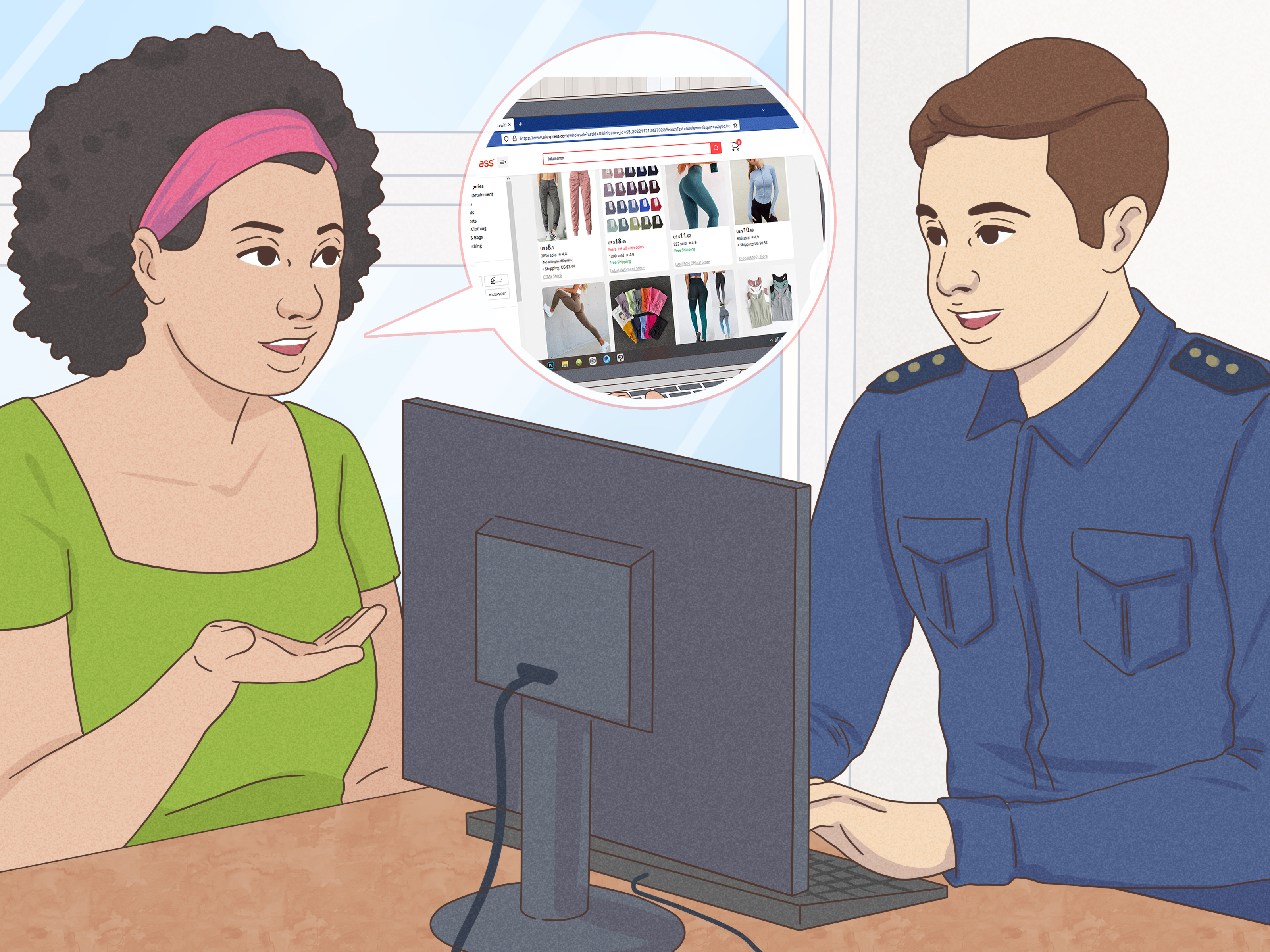
Buying Lululemon should feel like a small luxury, not a detective show where the plot twist is “surprise, your leggings are fake.” But counterfeit activewear is a real problem, especially on resale sites, social ads, marketplace apps, and suspicious “closing forever” websites that somehow seem to close forever every single week.
The tricky part is that fake Lululemon does not always look obviously fake. Some knockoffs are laughably bad, with crooked logos and fabric that feels like a shower curtain. Others are much sneakier. They borrow the right buzzwords, copy real product names, steal official photos, and price the item just low enough to make buyers think they found the deal of the century. In reality, they may be buying poor-quality activewear pretending to be premium performance gear.
So how do you separate the real thing from the stretchy impostor? The smartest approach is not to obsess over one tiny detail. Instead, look at the whole picture: price, seller behavior, tags, fabric, quality, sizing, packaging, and whether the item lines up with what Lululemon actually sells. Here are eight telltale signs that can help you spot fake Lululemon before your wallet joins a yoga class it never signed up for.
Why Fake Lululemon Keeps Fooling Buyers
Lululemon sits in that sweet spot counterfeiters love: recognizable branding, loyal fans, premium pricing, and plenty of demand in the resale market. Add social commerce, marketplace apps, and sponsored ads into the mix, and it becomes easier for shady sellers to make fake gear look believable.
That is why authenticity checks usually focus on more than one feature. Reputable platforms and authentication services look at the structure of the garment, materials, tags, logos, and packaging together, not in isolation. You should do the same. A fake listing may pass one test, but it often falls apart once you compare the details side by side.
1. The Price Is So Low It Feels Like a Trap
Let’s start with the most obvious sign: the price. If a seller is offering a “brand-new” core Lululemon item for a fraction of normal retail, your skepticism should stretch before the waistband does.
Lululemon’s popular leggings are not cheap, and that is not a secret. Current examples show core styles such as the Wunder Train High-Rise Tight at around the high-double-digit to low-triple-digit range, with pocket versions going higher. So if a supposedly brand-new, current-season pair is listed for the cost of a drive-thru lunch, something is probably off.
Of course, resale deals happen. A used item with wear, missing tags, or an older color can sell for less. But “brand new with tags” plus “90% off” is where you should hear alarm bells. Counterfeit sellers know that buyers love a bargain, so they often use steep discounts to trigger fast purchases before people start asking smart questions.
2. The Seller or Website Feels Weird
A fake item often comes with a fake shopping experience. The listing may look polished at first glance, but the seller profile or website usually leaves breadcrumbs of nonsense.
Watch for brand-new seller accounts, little or no feedback, strange username patterns, generic copy pasted descriptions, or accounts selling dozens of “brand-new” Lululemon items in every size and color like they accidentally inherited an athleticwear warehouse. That is not impossible, but it is suspicious.
If you are on an unfamiliar site, check whether it has a clear return policy, real contact information, secure payment methods, and actual customer-service channels. If the website URL looks off by a letter or two, loads badly, or is full of awkward wording, back away slowly. A fake site often gives itself away before the leggings do.
3. The Logo Looks Close… But Not Quite Right
Counterfeiters love getting 90% of the logo correct and hoping nobody notices the other 10%. That last 10% is where the trouble lives.
Look closely at the shape, placement, print quality, stitching, and symmetry of the logo. On authentic premium activewear, branding should look intentional and clean, not fuzzy, crooked, oversized, or slapped on like a last-minute science fair label. Poorly sized logos, inconsistent spacing, peeling applications, or a symbol that looks slightly off can all be warning signs.
Pay attention to the listing photos, too. If the logo is never shown clearly, always photographed at weird angles, or conveniently hidden by folds, hair, or dramatic mood lighting, that is not artsy. That is evasive.
4. The Tags, Labels, and Product Details Don’t Add Up
Tags are where many fake items lose their confidence. You may see inconsistent fonts, bad spacing, spelling mistakes, strange style names, low-quality print, or product descriptions that sound like they were written by a bot that once overheard a gym commercial.
The most useful test is comparison. Pull up the official Lululemon site and compare the style name, fabric name, color name, sizing format, and care details. If the listing says one thing and the official product page says another, trust the official page.
Also, do not treat missing receipts as a guaranteed sign of a fake. Plenty of real secondhand pieces no longer have original proof of purchase. But if a seller claims an item is authentic and cannot show any believable purchase trail, order confirmation, packing slip, or account history when asked, your caution level should rise.
5. The Sizing Story Makes No Sense
One of the easiest ways to catch fake Lululemon is to compare the size information to official size charts. Lululemon uses specific sizing systems across categories, including numeric sizes for many women’s items and alpha sizing for others. Authentic items should line up with that logic.
If a listing uses odd conversions, vague measurements, or inconsistent tags that do not match the style category, that is a red flag. For example, if the item claims to be a certain size but the waist, hip, or overall cut seems wildly off compared with official guidance, you may be looking at a counterfeit or at least a mislabeled item.
Sellers who know the item is real are usually willing to provide flat measurements, fit notes, and extra photos. Sellers who dodge simple sizing questions often do so because the garment cannot survive basic comparison.
6. The Fabric Feels Wrong for a Performance Brand
Lululemon is known for technical fabrics, not just for making expensive black pants that have somehow become a personality trait. Real pieces are designed around specific fabric stories and performance features, whether that means soft, weightless comfort or fast-drying support for training.
If the material feels thin in a cheap way, plasticky, stiff, scratchy, or oddly shiny, be suspicious. Likewise, if a seller describes a well-known style with fabric claims that do not match the official listing, that mismatch matters. Fake activewear often copies the look of premium gear without reproducing the feel, stretch, recovery, breathability, or finish.
Care information can help here, too. Authentic technical garments usually come with care guidance that reflects the material’s performance properties. If the label language is sloppy or the care instructions seem generic and disconnected from the product, that is another clue.
7. The Construction Quality Is Sloppy
Even when a counterfeit gets the color and silhouette mostly right, construction is where it starts to wobble. Check the seams, hems, stitching tension, edge finishing, waistband structure, and pocket construction. Premium activewear should look deliberate and durable.
Obvious red flags include uneven seams, loose threads, bunching, skipped stitches, twisted waistbands, puckering fabric, misaligned panels, or pockets that look like they were added during a power outage. Counterfeit apparel often mimics the shape of the real item but cuts corners in workmanship.
This is especially important when shopping secondhand. Wear and tear can happen to real pieces, yes, but worn is not the same as poorly made. A used authentic item may show age. A fake often looks wrong from the day it was born.
8. The Listing Photos and Packaging Raise More Questions Than Answers
Counterfeit sellers frequently rely on stolen stock photos, heavily edited images, or a strange mix of official product shots and random close-ups that do not appear to show the same item. If you cannot see the real garment clearly, assume there is a reason.
Ask for photos of the actual item laid flat in natural light, including the logo, inside labels, seams, and any included packaging. Compare what you receive to official product images and descriptions. If the seller refuses, delays, or sends blurry photos apparently taken by a potato with trust issues, that is your cue to leave.
Packaging can help, but do not rely on it alone. A fake can come in decent packaging, and a real resale item may come with none. The key is consistency. If the packaging, tags, and garment details tell three different stories, one of them is lying.
How to Buy Secondhand Lululemon Without Regret
The safest strategy is simple: buy from official channels first, then from resale sources with strong buyer protections. Lululemon’s official Like New program is the cleanest place to compare secondhand pricing and product expectations. After that, stick to platforms with clear counterfeit rules, dispute processes, and some form of authentication or buyer protection.
Before you buy, do these five things:
- Compare the item to the official Lululemon product page or size guide.
- Ask for real photos of the exact garment, not just stock images.
- Check the seller’s reviews, account age, and other listings.
- Use a safe payment method through the platform, never off-platform.
- Save screenshots of the listing, messages, and photos before purchase.
That last step matters. If the item arrives and looks suspicious, documentation helps you file a claim quickly and clearly.
What to Do If You Think You Bought a Fake
First, do not panic. Second, do not immediately wash it, wear it, or toss the packaging in a burst of athletic disappointment.
Instead, compare the item against official product details, take detailed photos, gather the order confirmation, save the original listing, and contact the marketplace through its official dispute process. If you bought through a platform with buyer protection, use it fast. Timing matters on many marketplaces.
If the purchase came from a sketchy website or social ad, contact your payment provider right away and document everything. A calm, organized complaint beats a furious “these pants are criminal” message every time.
Conclusion
Spotting fake Lululemon is less about memorizing one magic trick and more about building a smart checklist. Price, seller credibility, logo quality, labels, sizing, fabric, construction, and photos all work together. When several details feel wrong at once, trust that instinct.
The good news is that counterfeit listings usually reveal themselves when you slow down and compare them against official information. The bad news is that scammers are counting on you not to slow down. So pause, inspect, compare, and let someone else buy the “new with tags” leggings that cost less than a smoothie.
Real-World Buying Experiences: What Shoppers Learn the Hard Way
Many shoppers only learn how to spot fake Lululemon after making one bad purchase. A common story starts with a listing that looks amazing at first glance: a popular style, a trendy color, “brand new,” and a price low enough to make the buyer feel clever. The seller seems friendly, answers quickly, and says things like “I got this as a gift” or “I removed the tags but never wore it.” None of that sounds alarming on its own. The problem is that buyers sometimes stop checking details the moment the deal feels emotionally good.
Then the item arrives. The first clue is often tactile. The fabric feels slightly off: too slippery, too stiff, too thin, or oddly heavy. The waistband may roll in a strange way. The seams may not sit flat. The logo might not be obviously wrong, but it looks just a little clumsy compared with the crisp finish shoppers expect from real Lululemon. Suddenly, that “great deal” starts feeling more like a master class in optimism.
Other buyers run into the opposite problem: the item looks convincing until they compare it to the official product page. The style name does not match the cut. The color name seems invented. The measurements are off. The listing claims a premium performance fabric, but the official version of that item uses a different material entirely. That is why comparison shopping is not just for prices. It is also for truth.
There are also shoppers who buy authentic secondhand Lululemon and worry afterward because something is missing, such as a hangtag, receipt, or original packaging. That is where context matters. Real resale items are not always perfectly complete. A missing tag alone does not prove anything. What matters is whether the overall story makes sense: the quality, the photos, the seller’s history, the measurements, and how closely the piece matches official details.
Experienced secondhand buyers usually develop one habit above all: they ask more questions before paying. They request close-up photos. They compare the item with official product pages. They check seller reviews. They avoid being rushed. And perhaps most importantly, they understand that a trustworthy seller does not get annoyed by reasonable authenticity questions. A legitimate seller wants a smooth transaction. A dishonest one wants a fast transaction.
In the end, the best shopping experience is the one where you feel calm, informed, and slightly boring. Boring is good. Boring means you checked the details, used the platform properly, and refused to let a suspicious “today only” price hypnotize you. When it comes to spotting fake Lululemon, boring buyers often end up with real leggings. The impulsive ones end up with regret and a very confusing waistband.