Kidney stone pain has a special talent: it can make a perfectly normal day feel like a survival movie with no soundtrack, no snacks, and way too much pacing. One minute you are answering emails. The next, you are bent over, bargaining with the universe, and wondering why your side suddenly feels like it has declared war.
If you are dealing with kidney stone pain, the goal is not to be a hero. The goal is to get relief safely, know when home care is reasonable, and recognize when it is time to stop googling and get medical help. While some small stones pass on their own, others need prescription medication, a procedure, or urgent treatment. That is why smart pain relief matters just as much as grit.
In this guide, you will learn what kidney stone pain usually feels like, what can actually help, and which red flags mean you should get checked right away. You will also find nine practical tips to make the experience more manageable and lower the odds of going through a repeat performance later.
Why Kidney Stone Pain Feels So Intense
Kidney stone pain usually happens when a stone moves into the ureter, the narrow tube that carries urine from the kidney to the bladder. As the stone irritates the lining or partly blocks the flow of urine, the muscles in the urinary tract squeeze and spasm. That can create the classic “waves” of pain often called renal colic.
People often describe the pain as sharp, cramping, or stabbing. It may start in the side or back and travel toward the lower abdomen or groin. Some people also notice nausea, vomiting, blood in the urine, burning with urination, or the constant feeling that they need to pee even when not much comes out. In other words, kidney stones rarely believe in keeping things subtle.
The tricky part is that the size of the pain does not always match the size of the stone. A tiny stone in the wrong place can feel enormous. A larger stone sitting quietly may cause less drama until it starts moving or blocking urine flow.
Before You Try to Tough It Out
Home care may be reasonable for a small stone when your pain is manageable, you can keep fluids down, and you do not have signs of infection or blockage. But severe symptoms should not be handled with wishful thinking and a heating pad alone.
Get urgent medical care if you have fever, chills, nonstop vomiting, trouble urinating, very little urine, heavy bleeding, worsening pain that will not ease up, dizziness, or pain so intense that you cannot sit still or find a comfortable position. Those symptoms can point to dehydration, infection, or obstruction, and those problems can turn serious fast.
9 Effective Tips to Relieve Kidney Stone Pain
1. Use pain medicine strategically, not randomly
For many people with kidney stone pain, over-the-counter pain relievers are the first tool that helps. Nonsteroidal anti-inflammatory drugs, or NSAIDs, are commonly recommended because they reduce inflammation and can ease the spasms that make renal colic so miserable. If your doctor has said you can take them, using them as directed on the label may help more than simply waiting for the pain to “burn itself out.”
That said, pain medicine is not one-size-fits-all. NSAIDs may not be a good choice for people with kidney disease, stomach ulcers, certain bleeding risks, dehydration, or medication interactions. Some people may be told to use acetaminophen instead, while others need prescription treatment. If you already have kidney problems, are pregnant, or take other regular medicines, it is worth checking with a clinician or pharmacist before reaching for the bottle.
And no, taking medicine at random intervals and hoping for the best is not a strategy. Follow directions carefully and avoid doubling up without medical guidance.
2. Hydrate steadily, but do not chug like you are in a contest
Fluids can help a small stone move through the urinary tract, but the keyword here is steady. Sipping water regularly is usually more practical than gulping down giant amounts all at once. If you feel nauseated, large chugs may make you throw up, which is the exact opposite of helpful.
A good rule of thumb is to keep fluids coming in gradually throughout the day unless a clinician has told you to limit your intake because of kidney disease, heart failure, or another condition. Water is the main character here. Fancy hydration schemes are optional. The stone does not care how aesthetic your bottle is.
If you cannot keep liquids down, you feel weak and dried out, or vomiting keeps returning, that is a sign home care may no longer be enough. Severe dehydration can make the whole situation worse.
3. Put heat on the painful area for extra comfort
A heating pad or warm compress on your side, lower back, or abdomen can help relax tense muscles and make the pain feel less sharp. Heat does not remove the stone, but it can take the edge off the discomfort while you wait for medicine to kick in or for the stone to move along.
Use warm, not scorching, heat. Low or medium settings are usually enough. Keep a layer of clothing or a towel between your skin and the pad, and do not fall asleep on it. The goal is relief, not accidentally turning your side into toast.
Some people also find a warm shower helpful, especially during those “pain comes in waves” moments. It is not magic, but it can be surprisingly soothing.
4. Rest, but keep your body comfortable and supported
When kidney stone pain hits, productivity is often canceled by popular demand. Give yourself permission to rest. Try positions that reduce pressure on your back and side, such as lying on your non-painful side with a pillow between your knees, or reclining with support under your knees.
You do not need to stay frozen in one position. In fact, many people with stone pain shift around constantly because the pain can be hard to pin down. Gentle movement around the house may feel better than locking yourself into bed all day. Think “comfortable and calm,” not “training montage.”
If moving makes the pain dramatically worse or you cannot get comfortable no matter what you try, that is another clue the pain may be too intense for home treatment alone.
5. Ask about prescription help if the stone is expected to pass
Sometimes a clinician prescribes medication to make it easier for a ureter stone to pass. A common example is an alpha blocker such as tamsulosin. This type of medicine helps relax the ureter, which may help the stone pass faster and with less pain in selected cases.
This is not a do-it-yourself pharmacy mission. Prescription medication should match the location and size of the stone, your medical history, and your symptoms. If your doctor recommends it, take it exactly as directed and ask what side effects to watch for, such as lightheadedness.
You may also need prescription anti-nausea medication if vomiting is a big part of your stone experience. Pain is hard enough without your stomach staging a protest rally too.
6. Eat lightly when nausea shows up
Kidney stone pain often travels with nausea or vomiting. When that happens, bland foods and small portions are usually better than forcing a full meal. Toast, crackers, rice, soup, applesauce, or plain noodles tend to be easier to tolerate than heavy, greasy, or spicy foods.
This tip is not about curing the stone. It is about making it easier to stay hydrated and preventing your stomach from adding chaos to an already busy day. Once the nausea settles, you can return to regular eating.
If you are repeatedly vomiting, cannot keep down fluids, or feel faint, you should be evaluated. Intravenous fluids and stronger treatment may be needed.
7. Strain your urine if your clinician recommends it
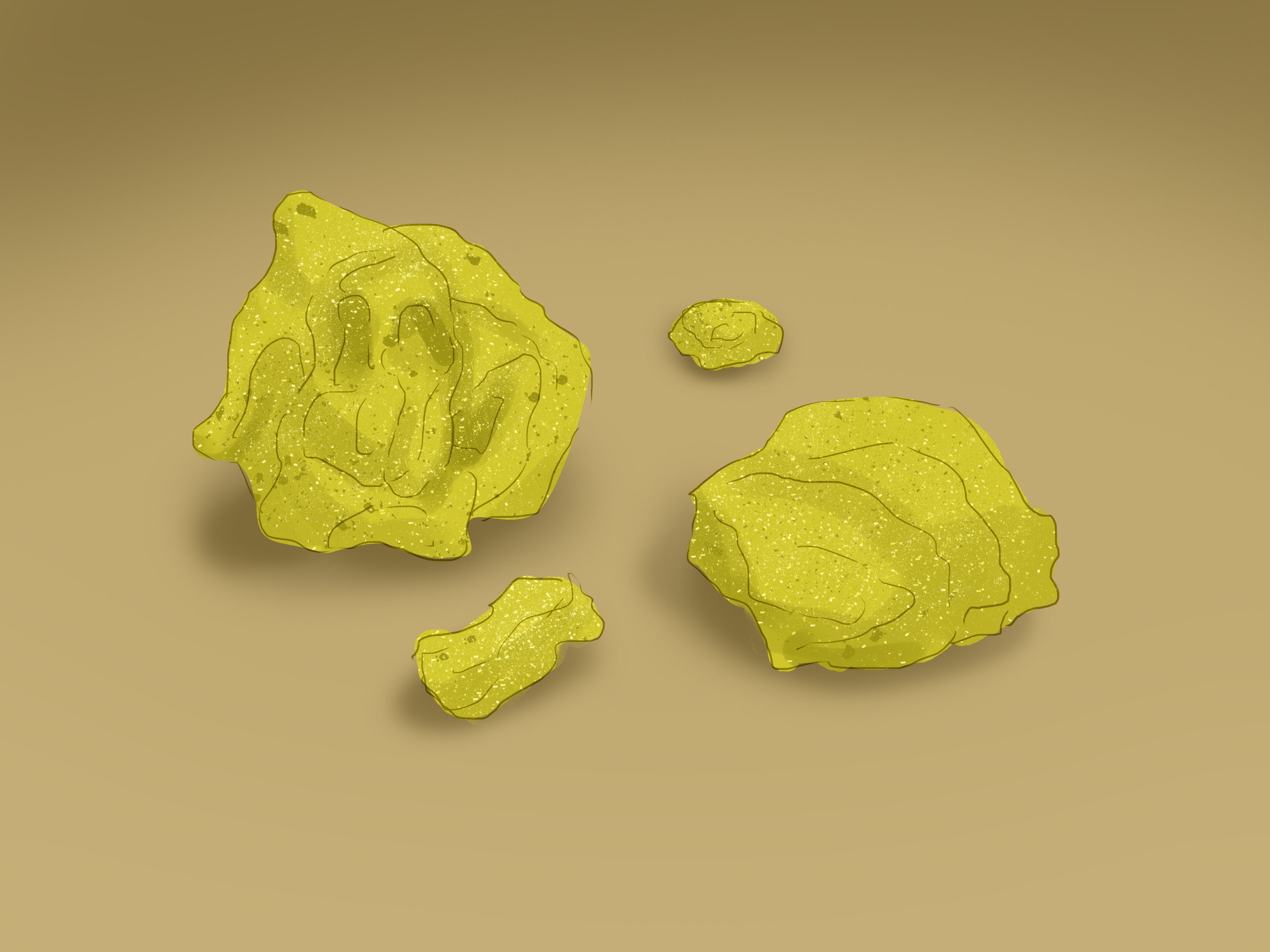
This is not glamorous, but it is genuinely useful. Catching the stone lets your medical team analyze what type it is, and that information can shape prevention advice later. Calcium oxalate, uric acid, struvite, and cystine stones do not all behave the same way, so knowing what passed can help prevent a sequel.
Your clinician may tell you to urinate through a strainer or a fine mesh filter. If you catch a stone, store it as instructed and bring it to your appointment or lab. Future you may be very grateful that present you did this mildly annoying job.
Tracking symptoms is also smart. Note when the pain started, where it moves, whether you see blood, whether you have fever, and how much you are urinating. Those details can help a clinician decide what comes next.
8. Know the line between “manageable” and “get help now”
This may be the most important tip in the entire article. Kidney stone pain can be severe, but severe pain is not the only issue. A stone can also block urine flow, trigger infection, or leave you dehydrated. That is why you should not stay home indefinitely just because you are stubborn, brave, or weirdly competitive with your own kidneys.
Seek immediate care if you have any of the following:
- Fever or chills
- Pain with repeated vomiting
- Difficulty urinating or very little urine output
- Blood clots or heavy bleeding in urine
- Pain so severe you cannot sit still or find relief
- Dizziness, faintness, or signs of dehydration
- Cloudy or foul-smelling urine, especially with fever
If you have only one kidney, are pregnant, have kidney disease, or are immunocompromised, the threshold for getting medical attention should be even lower.
9. Once the pain calms down, prevent the encore
Relief is the immediate goal, but preventing the next stone is the long game. Many people who get one kidney stone get another, so a follow-up plan matters. Prevention usually starts with drinking enough fluids each day, usually with water as the main choice.
Beyond fluids, diet changes may matter depending on the stone type. In many cases, cutting down on sodium helps because too much salt can increase calcium in the urine. Some people also need to moderate animal protein, watch high-oxalate foods, or increase citrate-rich foods and drinks. One important surprise: many people do not need to eliminate normal dietary calcium, and cutting calcium too low can actually backfire in some calcium oxalate stone formers.
The smartest move is not to copy a random “kidney stone diet” from the internet. It is to ask what kind of stone you had and whether you need urine testing, blood work, or tailored nutrition advice. Prevention works better when it is based on your stone, not your neighbor’s.
What Medical Treatment May Look Like If Home Care Is Not Enough
If your stone is too large to pass, causes uncontrolled pain, leads to infection, or blocks urine flow, a clinician may recommend a procedure. That could include shock wave treatment to break up the stone, ureteroscopy to remove or fragment it, or other minimally invasive approaches. This is not a failure. This is modern medicine stepping in because your urinary tract has decided to be difficult.
Some people also need IV fluids, stronger pain control, or temporary drainage if urine is backed up. The exact plan depends on the size and location of the stone, how well your kidneys are functioning, and whether infection is involved.
Common Mistakes People Make With Kidney Stone Pain
- Waiting too long despite fever, vomiting, or inability to urinate
- Taking more pain medicine than directed because the pain feels unfair
- Drinking huge amounts of water in one shot and triggering more nausea
- Skipping follow-up once the pain ends
- Assuming all stones need the same prevention plan
That last point matters more than people realize. A stone episode may end in a day or two, but the metabolic reasons behind it can stick around. If you ignore the follow-up, the next stone may send a “remember me?” message at the worst possible time.
Final Thoughts
Kidney stone pain can be fierce, sudden, and impressively rude. But the right approach can make it more manageable. Start with proven basics: appropriate pain relief, steady hydration, heat, rest, and medical guidance when needed. If a clinician prescribes medication to help the stone pass, use it as directed. If red flags show up, do not try to outlast them.
The most effective plan is a two-part plan: relieve today’s pain safely, then reduce the chance of meeting the next stone in a dark hallway three months from now. If there is one silver lining here, it is this: kidney stones are common, treatable, and very often preventable with the right follow-up.
Experience-Based Insights: What Living Through Kidney Stone Pain Often Feels Like
One reason kidney stone pain feels so overwhelming is that it rarely behaves like ordinary back pain. People often expect soreness, stiffness, or a steady ache. Instead, many describe an experience that starts suddenly and escalates fast. A person may feel fine in the morning, then notice a sharp, gripping pain in the side by lunchtime. Within a short time, the discomfort may move from the back toward the lower abdomen or groin, which can make it feel confusing and almost impossible to ignore.
Another common experience is the “wave pattern.” The pain may peak, ease slightly, and then return with fresh attitude a few minutes later. That rhythm can make people restless. Instead of lying still like someone with a pulled muscle, many kidney stone patients pace, shift positions, sit down, stand up again, and repeat the process like they are auditioning for a role called “person who cannot get comfortable.”
Nausea is also a surprisingly big part of the experience. Even people who usually handle pain well may feel queasy, sweaty, or shaky. Some report that the pain is bad enough to wipe out their appetite completely. Others say the urge to urinate becomes frequent and irritating, yet only a small amount comes out. Seeing pink or red urine can be frightening, especially if it is the first stone and they do not know what to expect.
Emotionally, kidney stone pain tends to produce a mix of frustration and urgency. Many people start with home remedies, hoping they can wait it out, then realize the pain is bigger than expected. A heating pad often becomes a favorite sidekick. So does a water bottle, although people quickly learn that sipping is usually better than chugging when nausea is in the room. Once pain medicine starts working, even partial relief can feel like a major victory.
There is also the strange relief that comes from finally knowing what is going on. Before diagnosis, people may worry it is appendicitis, a back injury, a bladder problem, or something worse. After imaging confirms a kidney stone, the situation still hurts, but at least it has a name and a plan. That matters. Uncertainty adds stress, and stress makes pain feel even louder.
After the stone passes or is treated, many people are shocked by how normal they feel again. The contrast is dramatic. One day everything hurts; the next day the body feels quiet. That is often the moment people become much more serious about prevention. Suddenly, drinking more water, lowering sodium, and following up with a urologist sound less like chores and more like excellent life choices.
The biggest lesson from these common experiences is simple: kidney stone pain is real, intense, and deserving of proper care. People do best when they respect the symptoms, treat the pain safely, and know when it is time to stop improvising and get help.