Reading out loud sounds simpleuntil your throat starts waving a tiny white flag after page three. Whether you are reading bedtime stories, recording audiobooks, teaching a class, leading a meeting, practicing public speaking, or narrating your own novel draft with theatrical flair, your voice can get tired when you ask it to work harder than it needs to.
The good news? Vocal fatigue is not a mysterious curse placed on people who say “just one more chapter.” It usually comes from fixable habits: shallow breathing, throat tension, poor pacing, dry air, dehydration, speaking over noise, and skipping breaks. With the right technique, you can read aloud longer, sound clearer, and avoid that scratchy, strained feeling that makes every sentence feel like climbing stairs in flip-flops.
This guide explains how to read out loud without tiring your voice in 13 practical steps. You will learn how to warm up, breathe better, project without yelling, pace your reading, protect your throat, and recognize when your voice needs professional attention.
Why Reading Out Loud Can Tire Your Voice
Your voice is produced when air from your lungs passes through your vocal folds, making them vibrate. When everything is coordinatedbreath, posture, resonance, articulation, and pacingspeaking feels easy. When you push from the throat, run out of air, speak too loudly, or keep going through discomfort, the vocal folds and surrounding muscles may become irritated or overworked.
Common signs of vocal fatigue include a raspy voice, throat tightness, soreness, reduced volume, frequent throat clearing, a need to “push” words out, or a voice that fades after extended use. Occasional tiredness after heavy voice use is common, but recurring hoarseness is your body’s polite way of saying, “Please stop treating me like a broken megaphone.”
How to Read out Loud Without Tiring Your Voice: 13 Steps
1. Start With a Gentle Vocal Warm-Up
Do not launch into a dramatic reading like your voice just sprinted out of bed. Warm-ups help wake up your breathing, resonance, and articulation before you begin. Keep it gentle: hum lightly, glide from low to comfortable high notes, do a few lip trills, or read one paragraph at a soft conversational volume.
A good warm-up should feel easy, never forced. Try this simple routine: inhale through your nose, exhale on a relaxed “mmm,” then read one sentence slowly while keeping your jaw loose. Repeat for two minutes. Think of it as stretching before a workout, except the workout is making words behave.
2. Hydrate Before You Need Hydration
Water is one of the most basic voice-care tools, but timing matters. Chugging water ten seconds before reading will not instantly moisturize your vocal folds. Your body needs consistent hydration throughout the day to keep tissues functioning well.
Keep water nearby and sip regularly. If you read aloud for work, teaching, voiceover, podcasting, or caregiving, build hydration into your routine before the session starts. Water-rich foods like cucumbers, melon, oranges, and grapes can also help support overall hydration. Coffee and tea are not villains, but too much caffeine may dry some people out, so balance them with water.
3. Breathe From the Diaphragm, Not the Shoulders
Many people tire their voice because they speak on shallow breath. When your breath support runs out, your throat muscles often try to rescue the sound. That rescue mission is where strain begins.
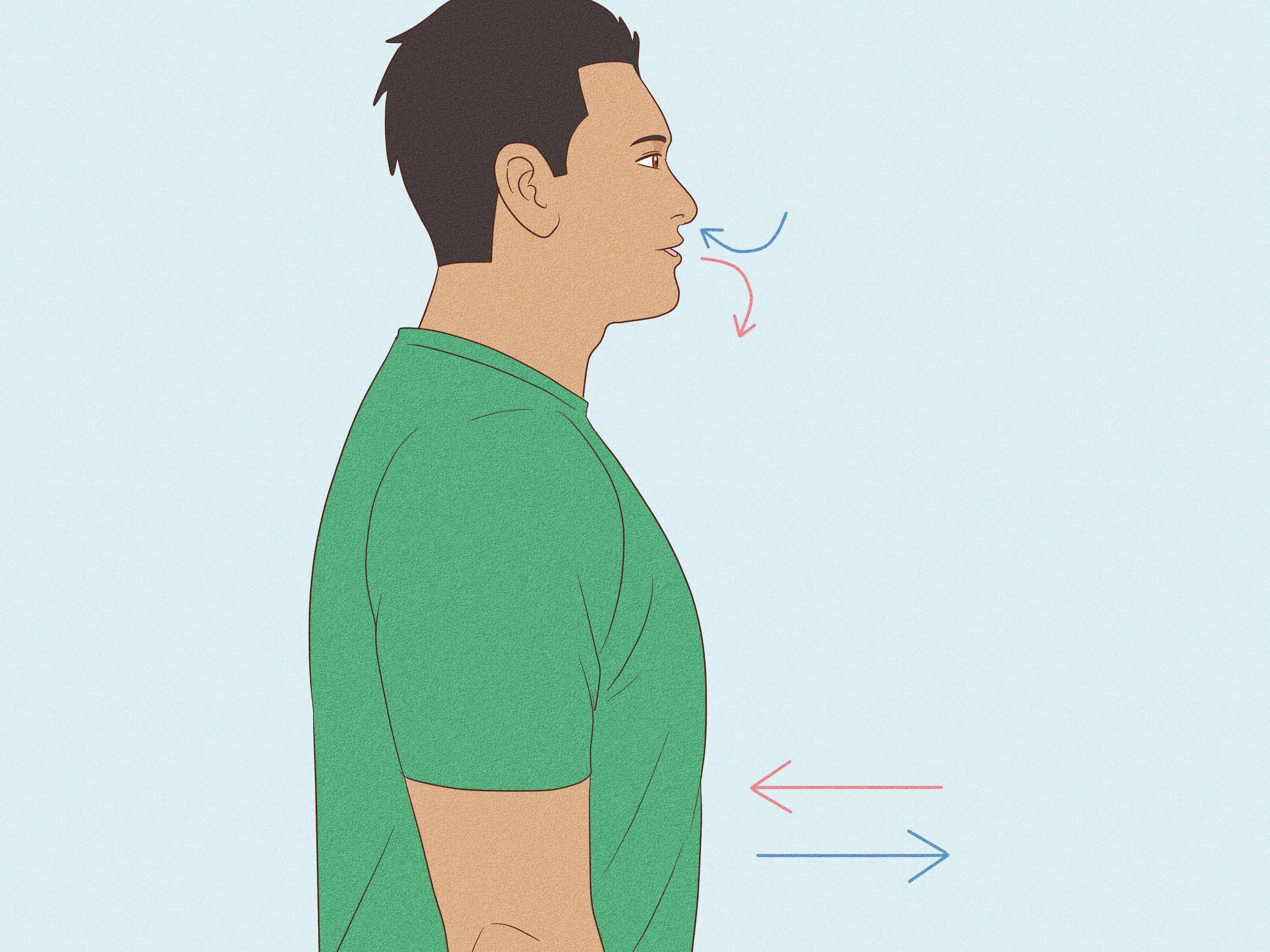
Practice diaphragmatic breathing: sit or stand tall, place one hand on your upper chest and one on your belly, inhale gently through your nose, and let your lower ribs and belly expand. Your shoulders should stay relaxed. Then exhale slowly as if fogging a mirror or saying a long “sss.” When reading, breathe at punctuation marks instead of waiting until your lungs are filing a complaint.
4. Improve Your Posture So Your Voice Can Travel
Your voice works best when your body gives it room. Slumping compresses the ribs, tightens the neck, and encourages throat-driven speech. Reading with your head bent far down over a book can also create tension in the jaw and neck.
Hold your book, tablet, or script at a comfortable height. Keep your feet grounded, shoulders relaxed, chest open, and chin level. Imagine a string gently lifting the crown of your head. You do not need to stand like a statue in a museumjust avoid folding yourself into a question mark.
5. Read at a Conversational Volume
Reading out loud does not mean performing for the back row of a stadium unless you are actually in a stadium, in which case: please use a microphone. Most vocal fatigue comes from speaking louder than necessary for too long.
Aim for a clear, comfortable volume. If someone is nearby, ask whether they can hear you without you pushing. If you are recording, let the microphone do the heavy lifting. If you are teaching or presenting, use amplification when available. Projection should come from breath and resonance, not throat squeezing.
6. Avoid Whispering When Your Voice Feels Tired
Whispering may feel like a gentle alternative, but it can strain the voice for many people because it may increase tension around the vocal folds. If your voice is tired, use a quiet, easy voice instead of a whisper, or rest completely when possible.
This is especially important after long reading sessions, colds, laryngitis, or a day packed with meetings. Your voice does not recover faster because you whisper your way through five more chapters. It recovers because you reduce the workload.
7. Use Pauses Like a Professional
Pauses are not awkward. They are oxygen with better public relations. Strategic pauses help you breathe, improve comprehension, and make your reading sound more natural. They also prevent the “runaway train” effect where your mouth keeps moving while your lungs wonder why they were not invited.
Pause at commas, periods, paragraph breaks, and emotional shifts. Before reading, mark your text with slash marks where you plan to breathe. For example: “The old house stood at the end of the road / quiet, crooked, and full of secrets.” A pause gives your voice a micro-break and gives listeners time to absorb meaning.
8. Slow Down Your Pace
Speed is one of the sneakiest causes of vocal fatigue. Reading too quickly can make you breathe poorly, tighten your jaw, skip natural pauses, and push harder to stay clear. A slightly slower pace often sounds more confident and is easier on your voice.
Try reading one paragraph at your normal speed, then read it again 10 percent slower. Notice how much more room you have to breathe. You do not need to sound like an ancient wizard delivering a prophecy, but you should give each sentence enough space to land.
9. Keep Your Jaw, Tongue, and Neck Relaxed
Tension in the jaw, tongue, neck, and shoulders can make reading aloud feel harder than it should. Before you begin, gently roll your shoulders, loosen your jaw, and let your tongue rest comfortably. Avoid clenching your teeth or pulling your chin forward.
A quick reset: place the tip of your tongue behind your lower front teeth, let your jaw drop slightly, and sigh out an easy “ah.” Then read a sentence while keeping that same relaxed feeling. If your throat tightens, pause, breathe, and restart softer.
10. Create a Voice-Friendly Reading Environment
Your surroundings matter. Dry air, smoke, dust, strong fragrances, and background noise can make your voice work harder. If the air is dry, a clean humidifier may help. If the room is noisy, move closer to your listener or microphone instead of raising your voice.
For long sessions, choose a comfortable room with good air quality and minimal distractions. If you are reading to children, sit close enough that you do not have to compete with a television, dishwasher, barking dog, or the mysterious thunder of tiny feet upstairs.
11. Take Vocal Breaks Before You Feel Strained
Do not wait until your voice is tired to rest it. Schedule short vocal breaks during longer reading sessions. A simple rhythm works well: read for 20 to 30 minutes, then rest for 3 to 5 minutes. During the break, avoid talking, whispering, or clearing your throat repeatedly.
For teachers, narrators, presenters, and parents reading several books in a row, these breaks are not laziness. They are maintenance. Your voice is a working instrument, not an unlimited streaming subscription.
12. Reduce Throat Clearing
Frequent throat clearing can irritate the vocal folds and create a cycle: irritation causes the urge to clear, clearing causes more irritation, and soon your throat is hosting a tiny demolition derby. Instead, sip water, swallow gently, or do a soft silent cough followed by a swallow.
If mucus, allergies, reflux, or postnasal drip makes you clear your throat constantly, address the underlying cause with appropriate care. Reading aloud becomes much easier when your throat is not fighting a background battle.
13. Know When to Stop and Get Help
Some voice tiredness improves with rest, hydration, and better technique. However, persistent hoarseness, pain, voice loss, trouble swallowing, breathing difficulty, coughing blood, or a voice change that lasts more than a few weeks deserves medical attention. An ear, nose, and throat specialist can evaluate the vocal folds, and a speech-language pathologist can help you build healthier voice habits.
Do not push through pain to “build stamina.” Vocal stamina improves through efficient technique and smart recovery, not heroic suffering. Your voice is not a gym muscle that needs punishment to grow. It needs coordination, moisture, rest, and respect.
Best Voice Exercises Before Reading Aloud
Use these simple exercises for three to five minutes before a reading session:
Lip Trills
Blow air through relaxed lips so they flutter. Add a gentle pitch if comfortable. This helps coordinate breath and sound without heavy vocal effort.
Humming
Hum softly on “mmm” and feel vibration around the lips or nose. Keep your throat relaxed. Humming can help you find easy resonance.
Gentle Sirens
Slide from a low comfortable pitch to a higher comfortable pitch and back down. Keep the sound light. Never force the top or bottom of your range.
Articulation Warm-Ups
Say “puh-tuh-kuh” slowly, then a little faster. Read a tongue twister at half speed. The goal is clarity, not winning an auctioneer contest.
What to Drink Before Reading Out Loud
Plain water is the safest choice for most people. Warm herbal tea can feel soothing, especially in dry weather. Some readers like room-temperature water because very cold drinks can make the throat feel tight, although personal comfort varies.
Limit alcohol before reading because it can dry the throat and reduce control. Be mindful with caffeine if you notice dryness or reflux. If you have acid reflux, avoid trigger drinks such as acidic juices, carbonated beverages, or coffee close to a long reading session. Reflux can irritate the throat and make the voice feel rough or unreliable.
Common Mistakes That Make Your Voice Tired
One of the biggest mistakes is reading through discomfort. A tired voice is feedback, not a challenge. Another mistake is using a dramatic voice that sits too low or too high for your natural range. Character voices are fun, but if your dragon voice requires medical paperwork afterward, it needs adjustment.
Other common mistakes include reading too fast, skipping breaths, speaking over noise, clenching the jaw, using poor posture, whispering when hoarse, and relying on throat clearing. Fortunately, each of these habits can be improved with awareness and practice.
How to Build Vocal Stamina Over Time
Vocal stamina grows gradually. Start with shorter reading sessions and increase duration slowly. For example, read for 10 minutes daily using good technique, then add 5 minutes after a week if your voice feels fine. Keep a simple voice log: note how long you read, how your voice felt, what you drank, and whether the room was dry or noisy.
If you use your voice professionally, consider voice training. Speech-language pathologists, vocal coaches, and singing teachers often teach breath support, resonance, projection, and tension reduction. The right guidance can save you months of trial and errorand possibly save your listeners from the thrilling sound of you gasping at every semicolon.
Special Tips for Parents, Teachers, and Narrators
For Parents Reading Bedtime Stories
Choose a comfortable volume and sit close to your child. Use expression, but do not overact every sentence. The teddy bear does not need a Broadway audition at 8:30 p.m. Keep water nearby and let your child turn pages while you pause and breathe.
For Teachers
Use classroom routines, visual signals, microphones, and student participation to reduce constant talking. Avoid speaking over chatter. Wait for attention instead of raising your voice. Your future Friday-afternoon throat will thank you.
For Audiobook and Voiceover Readers
Set your microphone correctly and monitor levels so you do not over-project. Mark breaths in the script, keep sessions short, and record when your voice is fresh. Retakes are easier when your voice is not exhausted.
Extra Experience-Based Advice: What Actually Helps During Long Reading Sessions
After spending time reading aloud in real-life situationsbedtime stories, presentations, lessons, rehearsals, recordings, and the occasional “Can you read this email out loud so we can hear how ridiculous it sounds?” momentone lesson becomes clear: the voice rarely gets tired from one big mistake. It gets tired from many tiny habits stacked together.
For example, imagine reading a 20-page chapter while sitting on a couch, neck bent down, shoulders rounded, speaking toward the book instead of the listener. At first, everything feels fine. After ten minutes, your throat feels dry. After twenty minutes, you start clearing your throat. By the end, you sound like a detective in an old movie who has seen too much. The problem was not the chapter. The problem was posture, airflow, hydration, and pacing quietly teaming up against you.
A practical trick is to set up your reading space before you begin. Place water within reach. Raise the book or device closer to eye level. Sit where your listener can hear you easily. If you are recording, test your microphone so you can speak comfortably. If you are reading to a group, stand where your voice can travel without shouting. Small setup choices prevent big vocal effort later.
Another useful experience: your “interesting voice” should still feel like your voice. Many people tire themselves by creating extreme character voices. A villain becomes too gravelly. A child voice becomes too high. A monster voice becomes a throat-shredding appliance. Instead of changing pitch drastically, change rhythm, attitude, and word emphasis. A dragon can speak slowly and smugly without sounding like a garbage disposal. A princess can sound bright and precise without forcing your pitch into the ceiling fan.
Breath marks are also underrated. Before a long read, scan the text and mark natural pause points. This is especially helpful for complicated sentences, poetry, scripture, technical material, or children’s books with surprisingly athletic punctuation. When you know where to breathe, you stop panicking halfway through a sentence and pushing the last six words out on fumes.
During long sessions, use silent breaks. Not “breaks” where you answer five messages, chat with someone, and then return to reading. Actual voice breaks. Sip water. Stretch your neck gently. Breathe through your nose. Let your vocal folds rest. Three quiet minutes can make the next chapter feel dramatically easier.
Finally, listen to your body without being dramatic about it. A little tiredness after unusual voice use may happen. Sharp pain, persistent hoarseness, or repeated voice loss is different. That is not “just how reading aloud works.” It is a sign to reduce vocal load and consider professional help. Reading out loud should feel expressive, connected, and sustainablenot like your throat is paying rent in a haunted house.
Conclusion
Learning how to read out loud without tiring your voice is really about working smarter, not louder. Warm up gently, hydrate consistently, breathe from the diaphragm, keep good posture, slow your pace, pause often, and avoid pushing through discomfort. Use a microphone when needed, rest before strain appears, and protect your voice from dryness, irritants, and overuse.
Your voice is part instrument, part storyteller, and part daily workhorse. Treat it kindly, and it will carry your words with more comfort, clarity, and confidencewhether you are reading a bedtime story, teaching a room full of energetic humans, recording narration, or finally giving that dramatic cereal-box ingredient list the performance it deserves.