Prawns are one of those glorious kitchen ingredients that make you look like you planned dinner three days in advance, even when you bought them on the way home while debating whether cereal counts as a meal. Sweet, tender, quick-cooking, and wildly flexible, prawns can become garlic butter appetizers, lemony pasta, smoky grilled skewers, spicy tacos, chilled cocktail platters, or a full seafood boil that makes the table feel like a party.
The catch? Prawns are fast. Wonderful-fast, weeknight-fast, “dinner in ten minutes” fast. But that also means they can go from juicy to rubbery before your playlist reaches the chorus. The secret is not complicated: buy good prawns, thaw them safely, clean them properly, season them smartly, and cook them only until they turn firm, opaque, and beautifully pink.
This guide walks through everything you need to know about how to prepare and cook prawns, from peeling and deveining to sautéing, boiling, grilling, roasting, poaching, and storing leftovers. Whether your package says “prawns” or “shrimp,” the techniques below will help you cook them with confidence instead of whispering, “Please don’t become seafood erasers.”
Prawns vs. Shrimp: Does It Matter in the Kitchen?
Technically, prawns and shrimp are different crustaceans, but in many American grocery stores, restaurants, and recipes, the terms are often used loosely. For home cooking, the preparation is nearly identical. Size, freshness, shell condition, and cooking method matter far more than the name on the package.
Large prawns are excellent for grilling, broiling, skewers, shrimp cocktail, and main dishes because they stay juicy and are easier to handle. Medium prawns work well in pastas, stir-fries, fried rice, tacos, and curries. Small prawns are best folded into soups, salads, omelets, and seafood cakes, where they can blend into the dish without needing center-stage drama.
How to Buy the Best Prawns
Fresh prawns should smell clean and mildly briny, like the ocean on its best behavior. They should not smell sour, fishy, or ammonia-like. The flesh should look firm and moist, not slimy or mushy. If the heads are still attached, they should look fresh, not darkened or leaking. Shells should be intact and glossy.
Frozen prawns are often the smartest choice. Many prawns are frozen soon after harvest, which helps preserve texture and flavor. The “fresh” prawns at the seafood counter may have been previously frozen and thawed for display. That is not automatically bad, but it does mean frozen prawns can be just as goodor betterwhen handled properly.
What the Numbers Mean
Prawn size is usually listed as a count per pound. For example, 16/20 means there are about 16 to 20 prawns per pound. The lower the number, the larger the prawn. Here is a simple guide:
- U/10 or 10/15: Extra-large prawns for grilling, impressive appetizers, or special dinners.
- 16/20 or 21/25: Great all-purpose sizes for sautéing, skewers, pasta, and tacos.
- 31/40: Good for soups, fried rice, salads, and quick stir-fries.
- 51/60 and smaller: Best for fillings, seafood dips, and dishes where prawns are mixed throughout.
How to Thaw Frozen Prawns Safely
The best method is to thaw prawns overnight in the refrigerator. Place them in a bowl or sealed container so any liquid stays contained. Once thawed, cook them within a day for the best flavor and texture.
Need them faster? Put the frozen prawns in a sealed bag and submerge the bag in cold water. Change the water if needed and keep it cold. Most prawns thaw in about 15 to 30 minutes, depending on size. Avoid hot water, which can start cooking the outside while the inside stays icy. That is how prawns get confused, and confused prawns are rarely delicious.
After thawing, drain them well and pat them dry with paper towels. Dry prawns brown better, sear better, and do not steam themselves into sadness in the pan.
How to Peel Prawns
To peel raw prawns, hold the body gently and pull off the legs first. The shell will usually loosen from there. Peel the shell away from the underside, then decide whether to leave the tail on. Tails look attractive for appetizers, skewers, and shrimp cocktail, but they can be annoying in pasta or rice dishes. Nobody wants to fish tails out of linguine like a tiny seafood archaeologist.
Do not throw the shells away if you like making stock. Prawn shells can be simmered with water, onion, celery, garlic, bay leaf, and peppercorns to create a quick seafood stock for risotto, bisque, gumbo, or chowder.
How to Devein Prawns
The dark line along the back of a prawn is the digestive tract. It is not usually harmful to eat, but it can look unappealing and sometimes taste gritty. Deveining is especially worthwhile for large prawns, shrimp cocktail, grilled prawns, and any dish where presentation matters.
To devein, use a small paring knife to make a shallow cut along the back. Lift out the dark vein with the tip of the knife, your fingers, or a toothpick. If the prawns are shell-on, you can still devein by cutting through the shell along the back or using a skewer to pull the vein out near the second shell joint.
After deveining, give the prawns a quick rinse only if needed to remove grit, then pat them very dry. Avoid splashing water around the sink and clean your work area well afterward. Seafood deserves respect, and so does your countertop.
Should You Cook Prawns With the Shell On?
Both shell-on and peeled prawns have a place in the kitchen. Shell-on prawns tend to have deeper flavor because the shell protects the meat and helps hold in moisture. They are excellent for grilling, boiling, roasting, and peel-and-eat platters. The shells also add flavor to broths and sauces.
Peeled prawns are easier to eat and better for fast dishes like pasta, stir-fries, tacos, salads, and saucy skillets. If you are serving dinner to people who are wearing nice shirts, peeled prawns may prevent a table full of lemon-butter fingerprints.
The Best Way to Season Prawns
Prawns have a naturally sweet, delicate flavor, so seasoning should support them rather than bury them under a spice landslide. Salt is essential. Lemon, garlic, butter, olive oil, paprika, chili flakes, black pepper, ginger, cilantro, parsley, and Old Bay-style seasonings all work beautifully.
For extra plump texture, toss one pound of prawns with about one teaspoon of kosher salt and one-quarter teaspoon of baking soda. Let them rest in the refrigerator for 15 to 30 minutes, then cook as usual. This simple dry brine helps the prawns stay juicy and gives them a pleasantly snappy bite.
Be careful with acidic marinades. Lemon juice, lime juice, and vinegar can start changing the texture of prawns if left too long. For citrusy marinades, 10 to 20 minutes is usually enough. If you want longer marinating time, use oil, herbs, garlic, spices, and only a small amount of acid.
How to Tell When Prawns Are Cooked
Prawns are done when the flesh turns opaque and pearly, the exterior becomes pink or orange, and the texture feels firm but still springy. A food thermometer should read 145°F for seafood. If you do not have a thermometer, watch the shape: perfectly cooked prawns usually curl into a loose “C.” If they tighten into a hard “O,” they are likely overcooked.
The biggest mistake is waiting too long. Prawns continue cooking slightly after they leave the heat, so pull them as soon as they look just done. In a hot sauce, soup, or skillet, residual heat will finish the job.
How to Sauté Prawns
Sautéing is the fastest and most useful method for weeknight cooking. Start by patting the prawns dry. Heat a wide skillet over medium-high heat, then add olive oil or butter. Add the prawns in a single layer. Do not crowd the pan, or they will steam instead of sear.
Cook for about 1 to 2 minutes per side, depending on size. Add garlic near the end so it does not burn. Finish with lemon juice, chopped parsley, chili flakes, or a small knob of butter. Serve over rice, pasta, toast, salad, or vegetables.
Simple Garlic Butter Prawns
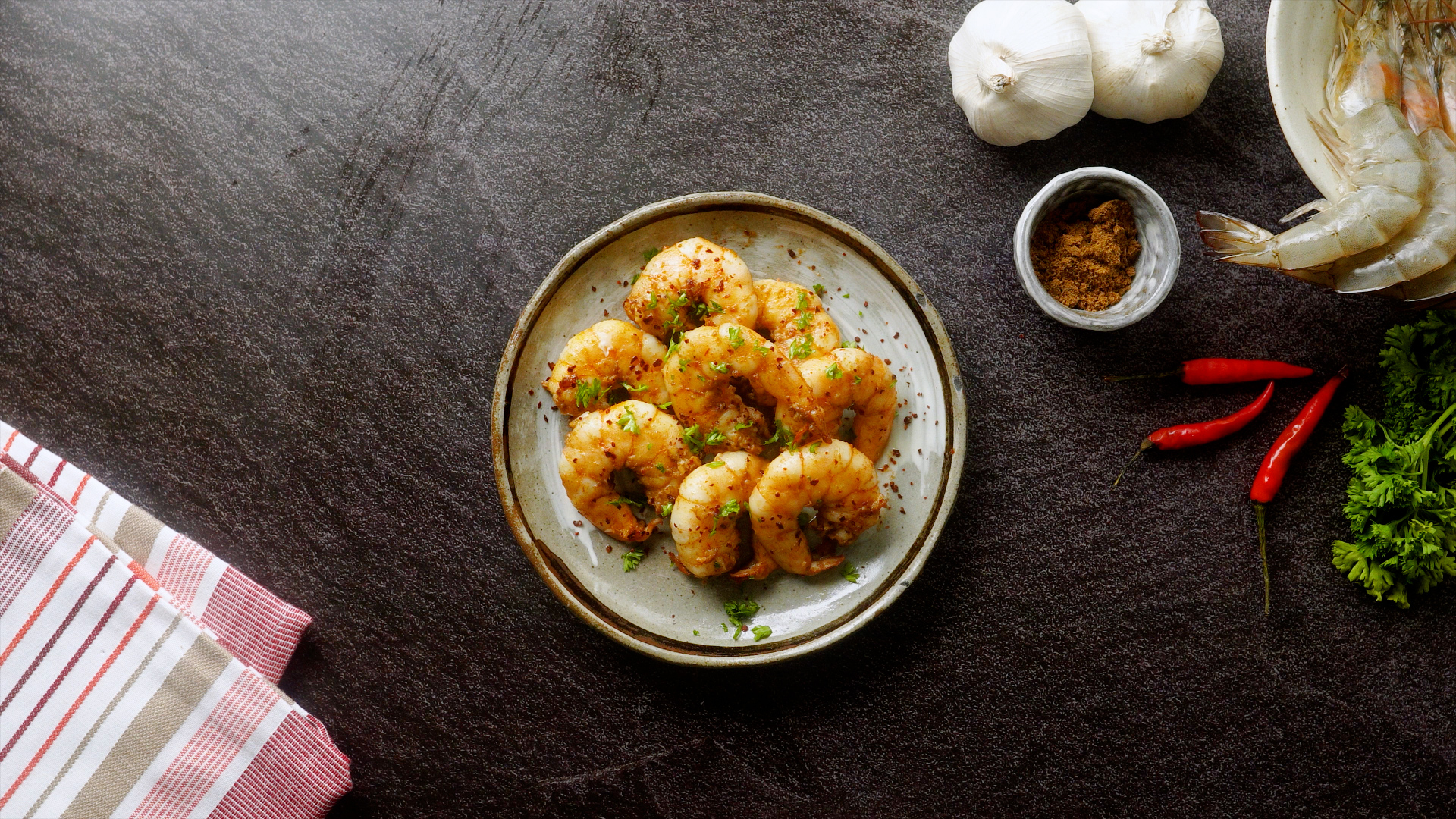
Season one pound of peeled prawns with salt, pepper, and paprika. Heat one tablespoon olive oil and one tablespoon butter in a skillet. Add prawns and cook until nearly done. Add two minced garlic cloves and cook for 30 seconds. Finish with lemon juice and parsley. That is dinner, appetizer, or the reason everyone suddenly appears in the kitchen.
How to Boil Prawns
Boiling is ideal for shrimp cocktail, seafood platters, and shrimp boils. Bring a pot of water to a boil with salt, lemon, bay leaves, garlic, peppercorns, and your favorite seafood seasoning. Add the prawns and cook just until they turn pink and opaque, usually 2 to 4 minutes depending on size.
For chilled prawns, transfer them immediately to an ice bath. This stops the cooking and keeps the texture firm and juicy. Once cold, drain well and serve with cocktail sauce, lemon wedges, or a spicy remoulade.
How to Grill Prawns
Grilled prawns are smoky, sweet, and slightly charred at the edges. Use large prawns for best results. Shell-on prawns are especially good on the grill because the shell protects the meat from direct heat. If using peeled prawns, thread them onto skewers so they are easier to flip.
Preheat the grill to medium-high or high heat and oil the grates. Season prawns with oil, salt, pepper, garlic, paprika, chili, or herbs. Grill for about 1 to 2 minutes per side for peeled prawns, or slightly longer for shell-on prawns. Remove them as soon as they are opaque and lightly charred.
How to Roast Prawns
Roasting is excellent when you want hands-off cooking. Heat the oven to 400°F. Toss prawns with olive oil, salt, pepper, garlic, lemon zest, and any spices you like. Spread them on a sheet pan in a single layer and roast for about 5 to 8 minutes, depending on size.
Roasted prawns are perfect for salads, grain bowls, tacos, and meal prep. Add vegetables that cook quickly, such as asparagus, cherry tomatoes, or thinly sliced zucchini. For longer-cooking vegetables like potatoes or carrots, roast them first and add the prawns near the end.
How to Poach Prawns
Poaching is gentle and great for delicate dishes. Heat water, seafood stock, or court bouillon with aromatics such as lemon, herbs, garlic, onion, and peppercorns. Keep the liquid below a hard boil. Add the prawns and cook slowly until they turn opaque.
This method is especially good for shrimp cocktail, chilled seafood salads, and recipes where tenderness matters more than browning. If you want ultra-neat results, poach the prawns, then chill them quickly in an ice bath.
How to Stir-Fry Prawns
For stir-fry, preparation matters because the cooking happens quickly. Peel, devein, dry, and season the prawns before heating the pan. Cook vegetables first, remove them if needed, then add the prawns to the hot pan in a single layer. Stir-fry just until they turn pink and opaque, then return the vegetables and sauce to the pan.
Good flavor combinations include ginger, garlic, soy sauce, sesame oil, scallions, chili crisp, honey, lime, basil, and vegetables like snap peas, bell peppers, broccoli, and mushrooms. Add the sauce at the end so the prawns do not overcook while the liquid reduces.
Common Prawn Cooking Mistakes
Overcooking
This is the classic prawn tragedy. Cook them briefly and remove them early. A loose “C” shape is your friend. A tight “O” shape means the prawns have entered rubber band territory.
Skipping the Dry Step
Wet prawns do not sear well. Pat them dry before sautéing, grilling, or roasting. Moisture on the surface creates steam, and steam is the enemy of browning.
Using Too Much Acid
Long exposure to lemon, lime, or vinegar can make prawns mushy. Keep acidic marinades short and punchy.
Crowding the Pan
If the prawns are piled on top of each other, they will steam unevenly. Cook in batches if needed. Yes, batches are slightly annoying. So are rubbery prawns.
How to Store Cooked Prawns
Cooked prawns should be cooled and refrigerated in a shallow airtight container. Use them within 3 to 4 days. For best texture, enjoy leftovers cold in salads, wraps, rice bowls, or sandwiches. If reheating, do it gently over low heat with a splash of water, broth, or butter. Avoid blasting them in the microwave unless you enjoy seafood with the personality of a pencil eraser.
Discard prawns that smell sour, feel slimy, or look gray and dull after cooking. When in doubt, do not gamble with seafood. Dinner should be memorable for the flavor, not for the group text the next morning.
Easy Prawn Meal Ideas
- Lemon garlic prawn pasta: Toss sautéed prawns with spaghetti, butter, lemon, garlic, parsley, and a splash of pasta water.
- Prawn tacos: Season prawns with chili powder, cumin, garlic, and lime. Serve in warm tortillas with slaw and avocado.
- Prawn fried rice: Stir-fry prawns with day-old rice, egg, peas, carrots, soy sauce, and scallions.
- Grilled prawn skewers: Marinate briefly with olive oil, garlic, paprika, lemon zest, and herbs, then grill hot and fast.
- Classic prawn cocktail: Poach, chill, and serve with cocktail sauce, lemon, and crisp lettuce.
- Coconut curry prawns: Simmer curry paste, coconut milk, vegetables, and prawns until just cooked.
Experience Notes: What Cooking Prawns Teaches You Over Time
The first real lesson of cooking prawns is that they reward attention. Not panic, not hovering with dramatic chef energy, just attention. Prawns are tiny timers with tails. The moment they change from gray and translucent to pink, opaque, and gently curled, they are telling you something important: “We are done. Please stop.” Learning to listen to that visual cue is the difference between a tender bite and a chewy one.
Another experience-based tip is to prepare everything before the prawns hit the pan. This is not the ingredient to cook while you are still chopping parsley, hunting for the lemon, or trying to open a jar of chili flakes that has apparently been sealed by a medieval blacksmith. Because prawns cook in minutes, your garlic should be minced, your sauce mixed, your garnishes ready, and your serving plate nearby. Once heat enters the story, there is no time for a side quest.
Over time, you also learn that bigger prawns are more forgiving. Small prawns are tasty, but they overcook quickly, especially in hot pans, soups, and stir-fries. Large prawns give you a little more wiggle room and a better chance at a juicy center. For beginners, 16/20 or 21/25 count prawns are a friendly place to start. They are large enough to handle easily but not so huge that dinner starts to look like a seafood bodybuilder convention.
Shells are another area where experience changes your mind. Many people peel prawns automatically because it seems convenient. But after cooking shell-on prawns on the grill or in a boil, you begin to understand why chefs love them. The shells add flavor, protect the meat, and make the eating experience feel more casual and fun. For a pasta dish, peeled prawns are practical. For a backyard platter with lemon wedges and napkins, shell-on prawns bring the party.
One of the most useful home-cooking habits is saving the shells. A quick prawn stock can turn an ordinary sauce into something that tastes like it came from a restaurant. Simmer shells with water, garlic, onion, celery, peppercorns, and a bay leaf for 20 to 30 minutes. Strain it, then use that liquid for risotto, seafood soup, gumbo, or pan sauce. It feels like a magic trick: yesterday’s scraps become tomorrow’s flavor.
Finally, cooking prawns teaches restraint. You do not need twenty ingredients. A hot pan, good salt, butter or olive oil, garlic, lemon, and fresh herbs can carry the whole dish. Prawns are already sweet and flavorful. The goal is not to disguise them; it is to give them a little stage lighting. When you stop overcomplicating the process, prawns become one of the easiest proteins to cook well. They are quick enough for weeknights, elegant enough for guests, and forgiving enough once you understand the signs. That is the beauty of them: tiny seafood, big payoff.
Conclusion
Learning how to prepare and cook prawns is mostly about building a few smart habits. Buy prawns that smell fresh and feel firm. Thaw frozen prawns safely. Peel and devein when the dish calls for it. Pat them dry before high-heat cooking. Season simply, avoid long acidic marinades, and cook them just until they turn opaque, pink, and lightly curled.
Once you understand those basics, prawns become one of the most useful ingredients in your kitchen. They can be elegant or casual, buttery or spicy, grilled or chilled, tossed into pasta or piled onto tacos. Best of all, they cook so quickly that a good prawn dinner can happen on a weeknight without turning your kitchen into a cooking show disaster scene.