Capture the Flag is the kind of game that looks simple from the sidelines: run over there, grab the flag, run back, try not to get tagged. Easy, right? Then the whistle blows, half your team charges like caffeinated squirrels, the other half forgets which side is home, and someone discovers that “strategy” is not just a fancy word coaches yell during halftime.
The good news is that Capture the Flag is easy to learn, endlessly adaptable, and exciting for kids, teens, adults, camps, school groups, neighborhood parties, and anyone who enjoys a little friendly chaos with clear rules. It blends speed, teamwork, stealth, communication, defense, and decision-making. In other words, it is tag with a missionand that mission is stealing a flag without becoming a resident of jail.
This guide explains how to play Capture the Flag, the basic rules, setup options, safety tips, winning strategies, common variations, and practical experience-based advice for making every round smoother, fairer, and more fun.
What Is Capture the Flag?
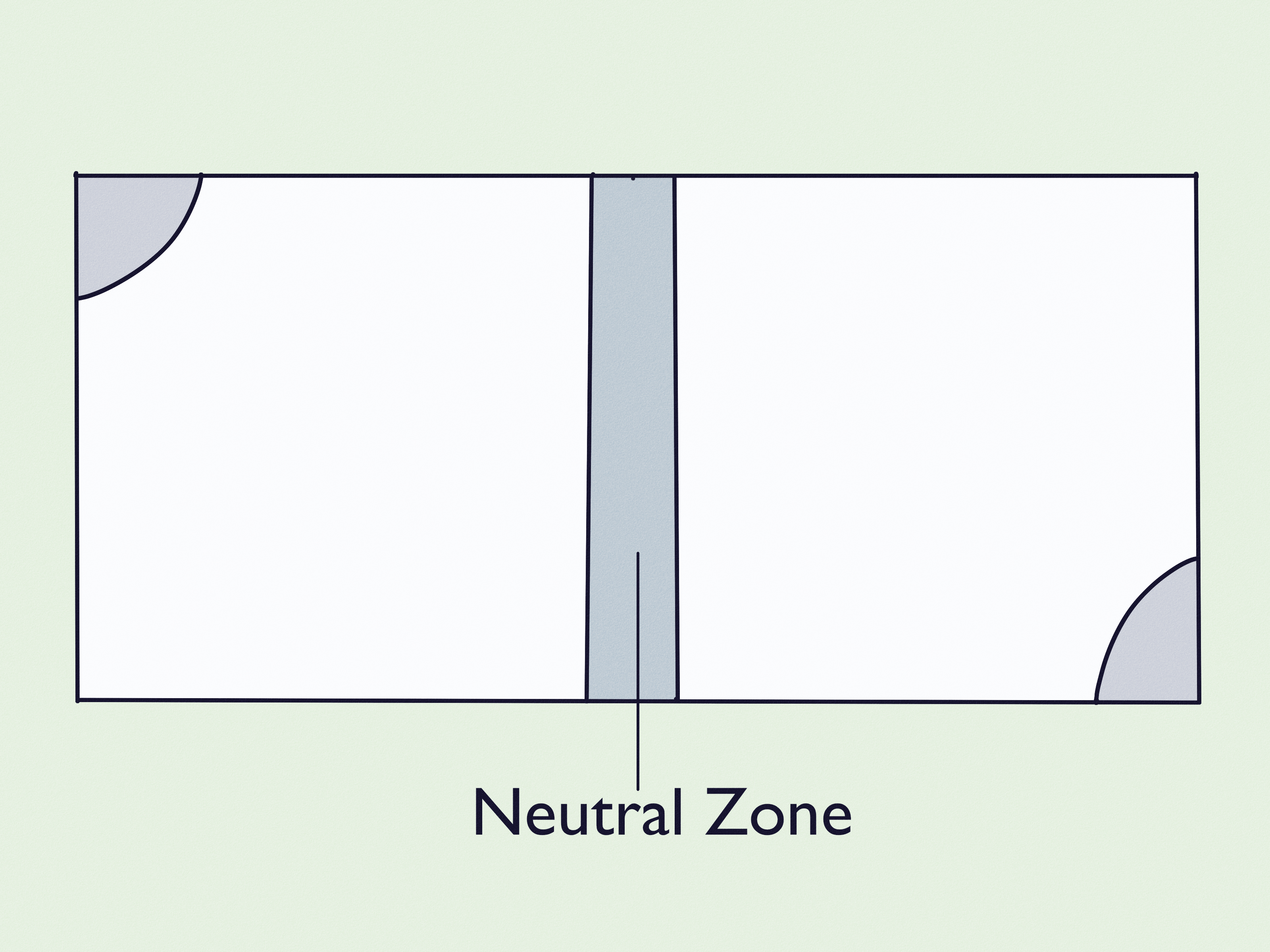
Capture the Flag is a team-based outdoor game where two teams defend their own flag while trying to steal the other team’s flag and bring it safely back to their side. The playing area is divided into two territories. Players are safe on their own side but can be tagged and captured when they cross into enemy territory.
The game works best in a large open space such as a park, field, gym, playground, backyard, campground, or schoolyard. The “flag” does not have to be an actual flag. A bandana, towel, cone, scarf, old T-shirt, beanbag, or brightly colored cloth works perfectly. The only rule is that everyone should be able to recognize it, carry it, and avoid confusing it with somebody’s hoodie.
What You Need to Play Capture the Flag
You do not need expensive equipment. Capture the Flag is popular because it turns ordinary space into a battlefield of teamwork without requiring much more than energy and a few markers.
Basic Equipment
- Two flags or flag-like objects in different colors
- Cones, rope, chalk, tape, or natural landmarks to mark boundaries
- A clearly marked center line
- A jail area for each team
- Optional team identifiers such as colored wristbands, bandanas, or pinnies
- A whistle or clear start-and-stop signal
For younger players, keep the field smaller and the rules simpler. For older players or large groups, use a bigger area with more hiding spots, longer rounds, and more strategic roles.
How to Set Up the Game
Before anyone starts sprinting, take a few minutes to set up the field correctly. Good setup prevents confusion, arguments, and the classic “That tree was definitely not the boundary!” debate.
1. Choose the Playing Area
Select a safe space with enough room to run. Remove hazards such as rocks, sharp objects, loose branches, holes, slippery spots, or anything that might turn a fun game into an awkward trip to the nurse. Outdoor fields are ideal, but gyms and large indoor spaces can also work.
2. Divide the Field Into Two Territories
Use cones, chalk, rope, painted lines, or natural landmarks to split the field into two equal sides. Each team owns one territory. The center line is important because it determines when a player becomes vulnerable to tagging.
3. Place the Flags
Each team places its flag somewhere inside its own territory. For beginners, the flag should be visible from a reasonable distance. For advanced players, the flag can be partly hidden, but it should not be buried, placed too high, or hidden somewhere unsafe. A good rule is: clever hiding is fine; impossible hiding is annoying.
4. Mark the Jail Areas
Each team should have a jail area where captured opponents must go after being tagged. A jail can be a square marked with cones, a hula hoop, a chalk circle, or a small zone near the back or side of the territory. Make it visible and easy to reach.
5. Explain the Rules Before Starting
Before the game begins, all players should understand the boundaries, tagging rules, jail rules, flag rules, safety expectations, and win condition. A one-minute explanation before the game can save ten minutes of arguing during the game.
Basic Capture the Flag Rules
The rules can vary, but the traditional version follows a simple structure. Two teams start on their own sides. The objective is to cross into enemy territory, capture the opposing flag, and return it to your own territory without being tagged.
Rule 1: Stay Safe on Your Own Side
Players cannot be tagged while they are in their own territory. Once they cross the center line into the opposing team’s territory, they can be tagged by defenders.
Rule 2: Tagging Sends Players to Jail
If a player is tagged while in enemy territory, that player must go to the opposing team’s jail. Tags should be light touches on the shoulder, arm, or back. No pushing, grabbing, tackling, tripping, blocking with the body, or dramatic superhero dives.
Rule 3: Teammates Can Rescue Captured Players
A teammate may sneak into enemy territory and tag a jailed player to free them. In many versions, the rescuer and rescued player must walk back safely to their side before rejoining the game. Other versions allow a free run back. Choose one rule before the game starts.
Rule 4: Capture the Opponent’s Flag
To score, a player must grab the opposing flag and bring it back across the center line into their own territory. Some games require the flag to be carried by the same player, while others allow handoffs. Passing the flag can make the game more strategic, but it should be clearly allowed or banned before play begins.
Rule 5: Decide What Happens if the Flag Carrier Is Tagged
This rule matters a lot. If a player is tagged while carrying the flag, one of two common options applies:
- The flag returns to its original base.
- The flag stays where the player was tagged.
Returning the flag to base favors defense. Leaving the flag where it dropped favors offense and creates faster, more intense rounds. Both are fun, but everyone must agree before the game begins.
Rule 6: Win by Bringing the Flag Home
The first team to carry the opposing flag back to its own side wins the round. If time runs out, the winner can be decided by most successful captures, fewest players in jail, or a sudden-death final run.
Safety Rules for Capture the Flag
Capture the Flag should feel exciting, not reckless. Safety rules keep the game fun for everyone and help avoid injuries.
- Use light-touch tagging only.
- No tackling, pushing, blocking, grabbing clothes, or holding players.
- Keep flags away from dangerous locations such as roads, stairs, water, thick brush, or steep areas.
- Set clear boundaries and out-of-bounds areas.
- Stop play immediately if someone falls or gets hurt.
- Use shorter rounds when players are younger or the weather is hot.
- Encourage water breaks and rest between rounds.
For schools, camps, and youth groups, adult supervision is strongly recommended. The leader should explain safe tagging, demonstrate it, and make sure players understand that Capture the Flag is not a contact sport wearing a fake mustache.
Best Capture the Flag Strategies
Winning Capture the Flag is not only about being the fastest player. Speed helps, but smart teamwork usually beats random sprinting. A team that communicates, assigns roles, and adjusts during the game has a major advantage.
1. Divide Players Into Roles
A strong team usually has three types of players: defenders, attackers, and rescuers. Defenders protect the flag and patrol the border. Attackers sneak into enemy territory and look for openings. Rescuers focus on freeing jailed teammates so the team does not slowly disappear from the field.
Do not assign all fast players to offense. A quick defender near the flag can shut down several attacks. Likewise, a clever but not-so-fast player can be excellent at distraction, scouting, or jail rescue.
2. Do Not Guard the Flag Too Closely
Many groups use a “no camping” rule that requires defenders to stay a certain distance from the flag. Even without that rule, standing directly on top of the flag is usually poor strategy. It makes the game boring and turns defense into human furniture. A better approach is to guard lanes, watch the center line, and communicate when attackers approach.
3. Use Decoys and Distractions
One of the best Capture the Flag strategies is sending a decoy runner into enemy territory to draw defenders away from the real attacker. The decoy does not need to capture the flag. Their job is to create confusion, pull defenders out of position, and make the defense react.
For example, two players might sprint loudly toward the right side while a quieter teammate sneaks along the left. If defenders chase the obvious threat, the hidden runner gets a better chance.
4. Attack in Waves
One solo runner can be easy to trap. A wave of three or four attackers creates more choices and pressure. If one player is tagged, another may still reach the flag. If a defender commits to one attacker, another attacker can slip past.
5. Control the Center Line
The center line is the most important area on the field. It is where safe territory becomes dangerous territory. Good teams watch the center line carefully and choose crossing points instead of rushing straight through the most crowded area.
6. Keep Track of Jail
If half your team is in jail, your brilliant flag plan has a small problem: no one is left to run it. Check jail often. Freeing teammates can be just as valuable as chasing the flag because it restores your team’s numbers and creates new attackers.
7. Communicate Without Giving Everything Away
Shouting “The secret plan is happening on the left side!” is not ideal. Use simple calls, hand signals, or agreed-upon words. Teams can use terms like “reset,” “switch,” “jail,” “flag open,” or “runner” to communicate quickly.
8. Change Strategy Mid-Game
If the other team figures out your plan, change it. Rotate defenders, swap attackers, move pressure to the opposite side, or send a rescue squad. Capture the Flag rewards teams that adapt instead of repeating the same failed charge like a confused parade.
Common Capture the Flag Variations
One reason Capture the Flag has stayed popular for generations is that it can be changed to fit different ages, spaces, and group sizes.
One-Flag Capture the Flag
Instead of each team having a flag, one flag is placed in the center or in a defended zone. Teams compete to grab it and bring it to their own base. This version is fast and great for smaller areas.
Four-Team Capture the Flag
The field is divided into four zones, and each team protects its own flag while trying to capture others. This version creates more chaos, alliances, and dramatic betrayals than a reality TV reunion episode.
Flag Belt Capture the Flag
Instead of tagging players by touch, players wear flag football belts or cloth strips. A player is captured when an opponent pulls their flag. This variation reduces contact and works well for younger children.
Night Capture the Flag
Older players may enjoy playing at dusk with glow sticks as flags. Use extra caution, choose a safe field, avoid rough terrain, and make boundaries highly visible. Night games should always be supervised.
Indoor Capture the Flag
In a gym or large room, use cones, mats, or tape to create territories. Indoor play should focus on controlled movement, smaller teams, and clear no-running zones if the floor is slippery.
How to Make the Game Fair and Fun
Fair teams make better games. Try to balance speed, age, size, and experience. If one team dominates every round, switch players or change the rules. A game that ends in thirty seconds because one player is secretly a track star may be impressive, but it is not fun for long.
For younger players, use shorter rounds, visible flags, and simple jail rules. For teens or adults, add more strategy with hidden flags, multiple rescue rules, longer fields, and time limits. The best version is the one where everyone understands the rules and gets to participate.
Experience-Based Tips for Playing Capture the Flag
After watching and playing many rounds of Capture the Flag, one lesson becomes obvious: the teams that look organized usually win, and the teams that begin with “Everybody just run!” usually provide entertainment for the other side. A little planning goes a long way.
One practical experience is that the first round should often be treated as a warm-up. Players learn the field, discover which routes are open, test how defenders react, and figure out where the jail becomes a problem. Instead of trying to win instantly, smart teams observe. Is the left side poorly guarded? Are defenders chasing too far? Is the flag visible but surrounded? These details shape the next attack.
Another useful lesson is that quiet players can be surprisingly valuable. In many games, the loudest and fastest players attract attention first. Meanwhile, a patient player who waits near the boundary, watches defender movement, and chooses the right moment can slip through unnoticed. Capture the Flag is not only a race; it is also a timing game.
Defense also requires more thought than simply standing near the flag. The best defenders avoid chasing every attacker deep into the field. If defenders overcommit, they create open lanes behind them. A disciplined defender shadows attackers, communicates with teammates, and protects key paths. Think of defense like guarding a doorway, not chasing a balloon in the wind.
Jail strategy can completely change a game. New players often ignore jailed teammates because the flag seems more exciting. Experienced teams know that freeing two or three players can create a sudden numbers advantage. A rescue mission can also work as a distraction. While defenders rush to stop the jailbreak, another attacker may reach the flag.
One of the funniest recurring experiences is the “almost hero” run. A player grabs the flag, everyone screams, defenders panic, and the runner gets tagged one step from the center line. These moments are painful but useful. They teach teams to support the flag carrier. A runner should not be abandoned after grabbing the flag. Teammates can screen space legally by drawing defenders away, calling safe routes, or positioning themselves for a handoff if handoffs are allowed.
Clear rules make the biggest difference. Before starting, decide whether the flag can be passed, whether freed prisoners walk or run back, how close defenders can stand to the flag, and what happens when the flag carrier is tagged. Most arguments happen because people assume different versions of the rules. A quick rule check before the game keeps the mood friendly.
Finally, the best Capture the Flag games are competitive without becoming too serious. Celebrate clever plays, rotate roles, encourage newer players, and keep rounds moving. When the game is balanced, everyone gets a story: the sneaky rescue, the perfect decoy, the brave sprint, the defender who saved the round, or the person who ran confidently in the wrong direction and still somehow became a legend.
Conclusion
Capture the Flag is a classic for a reason. It is simple enough for beginners, strategic enough for competitive players, and flexible enough for parks, schools, camps, backyards, gyms, and family gatherings. With two teams, two flags, clear boundaries, safe tagging, and a little teamwork, you can turn almost any open space into an exciting game full of movement, laughter, and tactical surprises.
The key to playing well is balance. Attack boldly, defend intelligently, rescue teammates, communicate clearly, and adapt when the other team catches on. Most importantly, keep the game safe and fun. After all, the goal is to capture the flagnot accidentally create a documentary called When Playground Games Go Wrong.