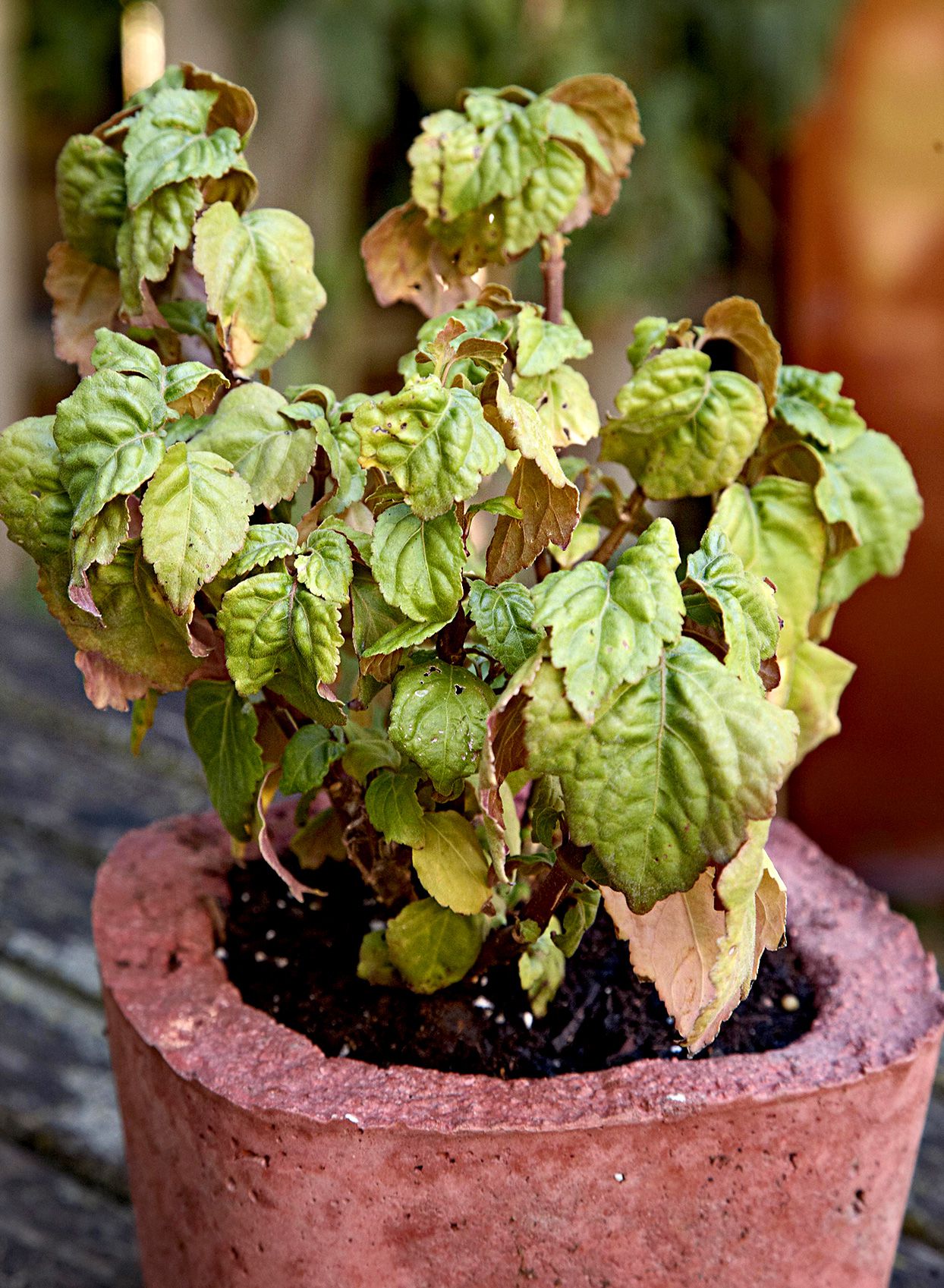
Patchouli has one of those scents that can stop people in their tracks. Some lean in and say, “Amazing.” Others make a face like they just walked into a vintage record shop in 1972. Either way, patchouli is memorable. The good news is that the plant itself is easier to like than its reputation. With the right mix of warmth, moisture, and light, patchouli can be a lush, beautiful herb with soft green leaves, a bushy shape, and serious personality.
If you have been curious about growing your own patchouli, here is the simple truth: this is not a difficult plant once you understand what it wants. Patchouli is tropical, cold-sensitive, and a little dramatic about dry air and rough treatment. But give it rich soil, steady moisture, warm temperatures, and shelter from punishing sun, and it rewards you with fragrant foliage that feels equal parts herb garden and perfume lab.
This guide covers how to plant patchouli, where it grows best, how to care for it through the seasons, how to propagate new plants, and what real gardeners tend to learn after living with it for a while. Spoiler: patchouli is usually happiest in a pot, which is excellent news for gardeners who like flexibility and fewer regrets.
What Is Patchouli?
Patchouli, usually listed botanically as Pogostemon cablin, is a tropical herb in the mint family. That family connection explains a lot. The stems can have that classic mint-family squareness, the foliage is aromatic, and the plant responds well to pinching and pruning. But unlike rugged culinary mints that seem willing to grow in a sidewalk crack, patchouli prefers softer living: humidity, warmth, fertile soil, and a little protection from weather extremes.
Gardeners grow patchouli mostly for its leaves, not its flowers. The foliage is the star of the show, and it is what gets harvested for fragrance uses such as potpourri, sachets, and dried herbal blends. Fresh leaves may smell mild until they are rubbed, bruised, or dried, so do not panic if your young plant does not perfume the whole patio on day one. Patchouli is more of a slow-burn scent story than a loud entrance.
Where Patchouli Grows Best
Outdoors in Warm Climates
Patchouli grows outdoors year-round only in frost-free or near-frost-free climates. In the United States, that usually means the warmest parts of Zones 10 and 11. In those areas, it can be grown in the ground or in a large container on a porch, patio, or lightly shaded bed.
Even in warm climates, the best location is not necessarily blazing full sun all day. Patchouli often performs best where it gets bright light, morning sun, or dappled shade. Think woodland-edge brightness rather than parking-lot punishment. A bed near taller companion plants, a patio with eastern exposure, or a spot that gets sun early and shade later tends to suit it well.
Containers Almost Everywhere Else
For most gardeners in the United States, the best answer to “Where should I grow patchouli?” is simple: in a container. A pot lets you move the plant outdoors for summer, then bring it inside before cold weather arrives. It also makes it easier to control soil quality, drainage, and moisture. In other words, a container turns patchouli from “temperamental tropical diva” into “pretty manageable houseguest.”
A sturdy pot 8 to 12 inches wide is a good starting point for a nursery plant. As it grows, size up gradually. Make sure the container has generous drainage holes. Patchouli likes moisture, but it does not enjoy sitting in sour, waterlogged soil.
How to Plant Patchouli
The best time to plant patchouli is spring, once the weather is reliably warm. This plant dislikes chilly soil and sulks when temperatures dip too low. If you are planting outdoors or moving a potted plant outside, wait until days are warm and nights are comfortably mild.
Step-by-Step Planting Guide
- Choose the right container or garden spot. Pick a location with bright indirect light, morning sun, or filtered light. Avoid intense afternoon sun in hot climates.
- Use rich, well-drained soil. A loose potting mix with compost blended in works well. Patchouli appreciates fertile soil that stays lightly moist but still drains efficiently.
- Plant at the same depth it was growing before. Do not bury the crown too deeply.
- Water thoroughly after planting. This settles the soil around the roots and reduces transplant shock.
- Add mulch if planting in the ground. A light layer helps conserve moisture and moderates soil temperature.
- Space generously. In the ground, give patchouli room for airflow and branching. Crowding invites disease and leggy growth.
If you are starting patchouli from seed, expect a slower process. Seeds are tiny and usually do best in warm indoor conditions with bright light and consistent moisture. Most home gardeners find stem cuttings or nursery starts easier and faster.
Patchouli Care Tips
Light
Patchouli likes bright conditions, but “bright” and “blistering” are not the same thing. In humid Southern gardens, some gardeners successfully grow patchouli in fuller sun as long as the soil never gets too dry. In hotter, harsher, or drier locations, patchouli is usually happier with morning sun and afternoon shade, or bright filtered light all day.
Indoors, place it near an east- or west-facing window with bright indirect light. A sheer curtain can help soften hot sun. If the plant gets long, floppy stems and stretches toward the window, it needs more light. If the leaves bleach, crisp, or scorch, it needs less direct exposure.
Soil
Patchouli grows best in rich, fertile, slightly acidic to neutral soil that drains well. A high-quality potting mix improved with compost is a smart choice for containers. Avoid heavy, compacted soil that stays soggy after watering. Roots need moisture, not swamp conditions.
If you are growing patchouli in the ground, amend the site before planting. Mix in organic matter and make sure the area drains reasonably well after rain. Raised beds can also help if your native soil is dense or slow-draining.
Water
This is the balancing act that matters most. Patchouli prefers evenly moist soil. It does not want to dry out hard, but it also does not want permanently wet feet. Water when the top inch of soil begins to feel slightly dry. Then water deeply enough that moisture reaches the root zone.
In summer, container-grown patchouli may need water frequently, especially during heat waves. In winter, growth slows down, so watering should also slow down. Never turn the plant into a cactus experiment. “Oops, I forgot for nine days” is not a growth strategy.
Temperature and Humidity
Patchouli loves warmth. It is not built for frost, cold winds, or chilly nights that make gardeners reach for a hoodie. Once nighttime temperatures begin dropping consistently, it is time to bring potted plants indoors.
Humidity also matters, especially indoors. Dry heated air can make leaves droop or brown at the edges. To help, group plants together, set the pot on a pebble tray with water below the pot line, or run a small humidifier nearby. Good air circulation helps too, because tropical plants like humidity but still need fresh air.
Fertilizer
Because patchouli is grown mainly for leafy growth, moderate feeding is useful. During active spring and summer growth, use a diluted liquid houseplant fertilizer or fish emulsion on a regular schedule. Do not overdo it. Too much fertilizer can push weak, overly soft growth that looks impressive for about five minutes and then becomes a pest magnet.
A simple routine works well: feed lightly but consistently during the growing season, then back off in winter when growth slows.
Pruning
Patchouli responds beautifully to pruning. Pinch the growing tips to encourage branching and a denser, fuller shape. If stems get lanky, trim them back just above a leaf node. Many gardeners also remove flower buds to direct energy into leaf production.
Think of pruning as a haircut with benefits. A little trim now prevents the “I woke up like this” tangle later.
How to Propagate Patchouli
Stem Cuttings
Stem cuttings are the easiest and most reliable way to make more patchouli plants. Take a healthy cutting from fresh growth, remove the lower leaves, and place the stem in moist potting mix or perlite. Keep it warm, lightly moist, and out of harsh sun. High humidity helps the cutting root faster.
Once you see fresh new growth, the cutting has likely rooted and can be potted up. This method is excellent for preserving a favorite plant, refreshing an older specimen, or making insurance copies before winter. Wise gardeners know that one patchouli plant can become three, and suddenly that feels like excellent decision-making.
Seeds
Patchouli can be grown from seed, but it is generally less convenient for home gardeners. Seeds need steady warmth, careful moisture control, and patience. Use a seed-starting mix, sow shallowly, and keep the tray warm and bright until germination.
Common Patchouli Problems and How to Fix Them
Leggy Growth
Cause: Not enough light, or no pruning.
Fix: Move the plant to brighter light and pinch stems regularly.
Scorched or Crispy Leaves
Cause: Too much direct hot sun, dry air, or missed watering.
Fix: Shift the plant to gentler light, improve humidity, and water more consistently.
Yellowing Leaves and Sluggish Growth
Cause: Overwatering, poor drainage, or soil staying cold and wet for too long.
Fix: Let the surface dry slightly before watering again, check drainage holes, and use a lighter soil mix.
Leaf Spots or Blight
Cause: Fungal problems are more likely when airflow is poor and foliage stays damp too long.
Fix: Prune crowded growth, water the soil rather than splashing leaves, remove badly affected foliage, and do not crowd plants together.
Pests Indoors
Like many tender herbs brought inside for winter, patchouli can attract common houseplant pests. Check the undersides of leaves regularly. Catching problems early is much easier than discovering that your “cozy indoor herb corner” has become an all-you-can-eat buffet.
How and When to Harvest Patchouli
Harvest patchouli for its leaves once the plant is well established and producing healthy new growth. Choose larger, mature leaves and snip them on a dry morning after dew has evaporated. Avoid taking too much at once; even a fragrant superstar still needs enough foliage to keep growing.
To dry the leaves, spread them in a single layer in a warm, airy place out of strong direct sun. Once fully dry, store them in an airtight container. Crushed dried leaves are commonly used for potpourri, herbal crafts, and fragrant sachets. Patchouli is one of those plants that makes even a small harvest feel oddly luxurious.
Should You Grow Patchouli in the Ground or in a Pot?
For gardeners in Florida, coastal Southern California, Hawaii, and other warm regions, growing patchouli in the ground can work well if the site is protected and the soil stays fertile and moist. But for everyone else, containers usually win the debate.
A pot gives you four major advantages: you can move the plant to better light, protect it from cold snaps, control the soil, and reduce the risk of root problems from bad drainage. A container also makes seasonal care easier. Outdoors in summer, indoors before cold arrives, then back outside when spring gets serious about being spring.
Here is a practical example. In South Florida, a patchouli plant may do well on an east-facing patio in a decorative pot with regular watering and occasional pruning. In a Midwestern garden, the same plant is better treated as a summer patio herb that spends winter near a bright window indoors. Same species, different strategy, fewer tears.
Real-World Growing Experiences With Patchouli
One of the most common experiences gardeners report with patchouli is that the plant looks soft and easygoing, but it teaches you quickly that tropical herbs have opinions. The first lesson is usually about light. Many beginners assume fragrant herbs want blazing sun because basil, rosemary, and thyme often do. Patchouli politely disagrees. Put it in harsh afternoon sun and it may bleach, wilt, or crisp around the edges. Move it to a spot with morning sun and bright shade, and suddenly it starts acting like it forgives you.
The second lesson is about water. Patchouli does not enjoy drought stress, especially in containers. Gardeners often notice that a plant can look perfectly fine in the morning and dramatically wilted by late afternoon during hot weather. The good news is that patchouli often rebounds fast after a deep watering. The bad news is that it will absolutely do this again if you assume yesterday’s watering schedule is still perfect during a heat wave. In real life, patchouli teaches people to observe rather than follow a rigid calendar.
Another shared experience is that patchouli gets better with pruning. Left alone, it can become lanky, top-heavy, and less attractive than expected. But once gardeners start pinching the tips and trimming leggy stems, the plant fills out beautifully. It becomes denser, leafier, and much more ornamental. In other words, patchouli often looks best after a little gentle bossiness from the gardener.
Indoor overwintering also reveals patchouli’s personality. People who bring the plant inside too late, after it has already experienced cold stress, often spend the next month nursing a sulky specimen. People who bring it in early, give it bright light, steady moisture, and a bit of humidity usually have far better luck. A pebble tray, a bright east window, and some restraint with watering go a long way. Not glamorous advice, but very effective.
Many growers also notice that patchouli can be surprisingly sentimental as a plant. It is easy to propagate from cuttings, so a favorite plant can be passed along, backed up, or refreshed. That makes it a great “sharing herb.” A healthy mother plant can become gifts for gardening friends, insurance against winter losses, or a small collection for different spots around the house and patio. There is something satisfying about turning one fragrant plant into several, especially when the original cost less than a takeout lunch.
Finally, gardeners often say that patchouli becomes more enjoyable once they stop treating it like a mystery plant and start treating it like a warm-climate foliage herb. It is not impossible. It is not fussy for sport. It just wants what many tropical plants want: warmth, moisture, airflow, decent soil, and a little mercy during extreme weather. Learn that rhythm, and patchouli stops being “that weird perfume plant” and starts becoming a genuinely beautiful, useful herb to grow.
Conclusion
Patchouli is one of those plants that feels exotic without being unreachable. It asks for a tropical setup, yes, but not a greenhouse and a personal assistant. Start with rich soil, consistent moisture, warm temperatures, and filtered light. Grow it in a container unless you live in a truly warm climate. Prune it often, propagate it from cuttings, and bring it inside before cold weather gets ideas.
Do that, and patchouli can become one of the most interesting plants in your collection: leafy, fragrant, conversation-starting, and a little bit legendary. Not bad for a plant best known for making people argue about perfume.