Fajr Salaah, also called the dawn prayer, is the first obligatory prayer of the Muslim day. It arrives quietly, before emails, traffic, breakfast decisions, and the heroic struggle of “just five more minutes.” In Islam, Fajr is more than an early-morning ritual; it is a daily reset button for the heart. It asks a believer to begin the day by standing before Allah, reciting the Qur’an, bowing in humility, and placing the forehead on the ground before the world gets loud.
For beginners, learning how to perform Fajr Salaah can feel intimidating at first. There are Arabic words, physical movements, prayer times, rak’ahs, sunnah prayers, and small details that may seem like a lot. The good news? Fajr itself is beautifully simple. The obligatory Fajr prayer has two rak’ahs, or prayer units. Many Muslims also pray two sunnah rak’ahs before it, following the practice of Prophet Muhammad, peace and blessings be upon him.
This guide explains Fajr step by step in clear American English, while keeping the heart of the prayer respectful and spiritually meaningful. Whether you are new to Islam, returning to prayer, teaching a child, or simply trying to make your mornings less chaotic and more blessed, this article will walk you through the essentials.
What Is Fajr Salaah?
Fajr Salaah is the dawn prayer and one of the five daily obligatory prayers in Islam. It is performed after true dawn begins and before sunrise. In most prayer schedules, you will see two times listed near the morning: “Fajr” and “Sunrise.” The Fajr prayer begins at the Fajr time and ends before sunrise. That window matters, so checking a reliable local prayer timetable or app is important.
The word “Fajr” refers to dawn, the moment when the first true light spreads across the horizon. Spiritually, it is a powerful time because the world is still quiet. The Qur’an gives special attention to the dawn recitation, describing it as witnessed. That is one reason many Muslims feel that Fajr has a unique calm, even when the alarm clock sounds like a tiny angry rooster.
How Many Rak’ahs Are in Fajr Prayer?
Fajr has two obligatory rak’ahs. A rak’ah is one full unit of prayer that includes standing, reciting, bowing, standing again, prostrating twice, and sitting briefly. For Fajr, the basic structure is:
- Two sunnah rak’ahs before Fajr: highly recommended and deeply emphasized in the Sunnah.
- Two fard rak’ahs of Fajr: obligatory and required as part of the five daily prayers.
If you are brand new, focus first on learning the two fard rak’ahs correctly. Once that becomes familiar, add the two sunnah rak’ahs before Fajr. Think of it like learning to drive: first keep the car on the road, then worry about parallel parking like a champion.
Before You Pray Fajr: Prepare Properly
1. Make Sure the Time Has Entered
Do not pray Fajr before its time begins. Use a local mosque timetable, trusted Islamic app, or recognized prayer calendar. Fajr starts at true dawn and ends at sunrise. If sunrise has already begun, avoid praying exactly during sunrise. If you missed Fajr unintentionally because of sleep or forgetfulness, pray it as soon as you remember, while also being mindful of the short prohibited time during sunrise according to scholarly guidance.
2. Perform Wudu
Wudu, or ablution, is the ritual washing required before prayer. Wash your hands, rinse your mouth and nose, wash your face, wash your arms up to the elbows, wipe your head, and wash your feet up to the ankles. Wudu is not just “religious handwashing.” It is a way of entering prayer with physical cleanliness and mental readiness.
3. Wear Proper Clothing
Wear clean clothing that covers the awrah, the parts of the body that must be covered in prayer. Men generally cover from the navel to the knees, though wearing a proper shirt and modest clothing is best. Women generally cover the whole body except the face and hands, according to the majority view. Clothing should be clean, modest, and not so tight or transparent that it distracts from prayer.
4. Face the Qiblah
Face the direction of the Ka‘bah in Makkah. This direction is called the Qiblah. You can use a compass, mosque signs, a prayer app, or the reliable “ask a Muslim friend who somehow always knows” method. If you are traveling or unsure, do your best based on available information.
5. Make the Intention
Niyyah, or intention, is made in the heart. You do not need to say a long sentence out loud. Simply know what you are about to pray: “I am praying the two fard rak’ahs of Fajr for Allah.” If you are praying the sunnah first, intend the two sunnah rak’ahs of Fajr.
How to Perform the Two Sunnah Rak’ahs Before Fajr
The two sunnah rak’ahs before Fajr are prayed like any normal two-rak’ah prayer. They are not obligatory, but they are strongly emphasized. Many scholars describe them as among the most important voluntary prayers because the Prophet, peace and blessings be upon him, consistently prayed them.
To pray them, stand facing the Qiblah, make your intention, say “Allahu Akbar,” recite Surah Al-Fatihah and another short surah in each rak’ah, complete the bowing and prostrations, then end with tashahhud and salam. Keep these sunnah rak’ahs simple and brief. The goal is devotion, not performing a dramatic sunrise documentary.
Step-by-Step Guide: How to Perform the Two Fard Rak’ahs of Fajr
Step 1: Stand and Begin with Takbir
Stand facing the Qiblah with calmness. Raise your hands near your shoulders or ears, depending on what you have learned, and say:
Allahu Akbar
This means “Allah is the Greatest.” With this opening takbir, you have entered the prayer. From this point, avoid unnecessary movement, talking, laughing, checking your phone, or mentally planning your breakfast burrito.
Step 2: Place Your Hands and Recite the Opening
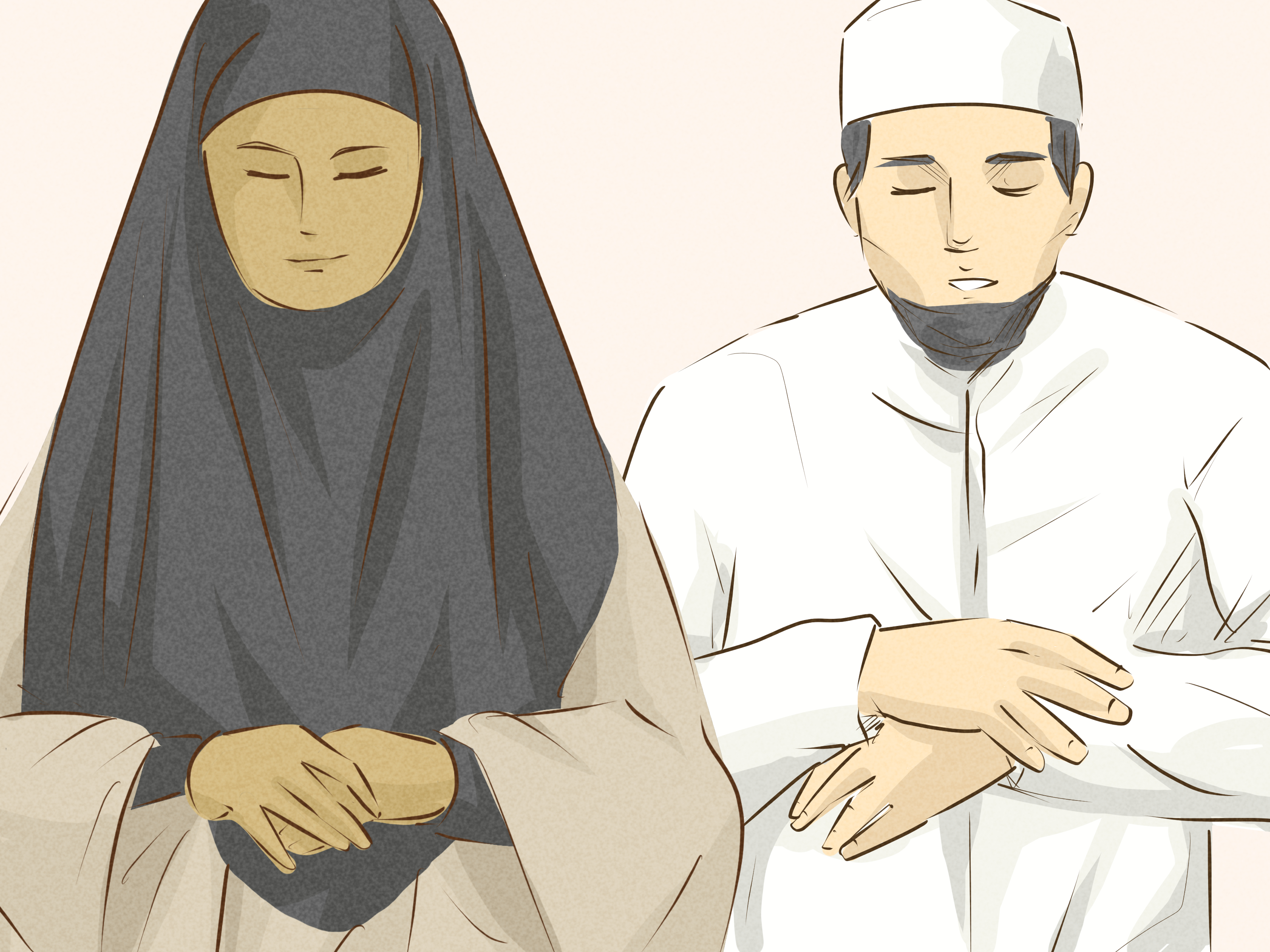
Place your right hand over your left hand while standing. Many Muslims place the hands on the chest or below it depending on their school of practice. Either way, stand with humility and focus.
You may recite an opening supplication if you know one. If you are still learning, begin with seeking refuge in Allah and saying “Bismillah,” then recite Surah Al-Fatihah.
Step 3: Recite Surah Al-Fatihah
Surah Al-Fatihah is recited in every rak’ah of prayer. It is essential to salah. If you are still memorizing it, learn it carefully with correct pronunciation. Until then, follow guidance from a qualified teacher about what to recite while learning.
After Al-Fatihah, recite another portion of the Qur’an. Many beginners recite short surahs such as Surah Al-Ikhlas, Surah Al-Falaq, or Surah An-Nas. In Fajr, the recitation is traditionally audible when praying in congregation behind an imam. If you are praying alone, many scholars allow or recommend audible recitation for Fajr, but keep your voice moderate and respectful.
Step 4: Bow in Ruku
Say “Allahu Akbar” and bow. Place your hands on your knees, keep your back reasonably straight, and say:
Subhana Rabbiyal Adheem
This means “Glory be to my Lord, the Magnificent.” Say it at least three times if you can. Ruku is a position of humility. It is not a yoga pose, a stretch break, or a chance to inspect the carpet. Be still and present.
Step 5: Stand Up from Ruku
Rise from bowing and say:
Sami‘ Allahu liman hamidah
Then, while standing, say:
Rabbana wa lakal hamd
This praises Allah and acknowledges that He hears those who praise Him.
Step 6: Go Down into Sujood
Say “Allahu Akbar” and go into prostration. In sujood, your forehead, nose, hands, knees, and toes touch the ground. Say:
Subhana Rabbiyal A‘la
This means “Glory be to my Lord, the Most High.” Say it at least three times if you can. Sujood is one of the most intimate moments of prayer. You are physically at your lowest, while spiritually drawing near to Allah.
Step 7: Sit Between the Two Prostrations
Say “Allahu Akbar” and sit briefly. You may say:
Rabbighfir li
This means “My Lord, forgive me.” Then say “Allahu Akbar” and go into the second sujood, repeating “Subhana Rabbiyal A‘la.”
Step 8: Stand for the Second Rak’ah
After the second sujood, say “Allahu Akbar” and stand again. This begins the second rak’ah. Repeat the same pattern: recite Surah Al-Fatihah, recite another short surah or verses, bow in ruku, stand, make two prostrations, and then sit for the final tashahhud.
Step 9: Sit for Tashahhud
After completing the second rak’ah’s two prostrations, sit and recite the tashahhud. If you know the full tashahhud, salawat upon the Prophet, and final du‘a, recite them. Beginners should learn these gradually and accurately. Do not panic if you are still memorizing; every practicing Muslim was once a beginner, including the person at the mosque who now recites beautifully and makes it look effortless.
Step 10: End with Salam
Turn your head to the right and say:
Assalamu ‘alaykum wa rahmatullah
Then turn your head to the left and say the same. This completes the two fard rak’ahs of Fajr.
Common Mistakes to Avoid When Praying Fajr
Praying Before the Time Enters
Fajr cannot be prayed before true dawn. If your app has multiple calculation methods, choose one recommended by your local mosque or trusted scholars in your area. Prayer time differences can happen because calculation methods vary.
Rushing Like You Are Late for a Flight
Fajr is short, but it should not be treated like a spiritual speedrun. Move calmly. Pause in each position. Let your bones settle in ruku and sujood. Prayer is not only about completing steps; it is about standing before Allah with awareness.
Skipping Wudu
Wudu is required for salah unless you are in a valid state of purification already. If your wudu breaks, renew it before praying. Cleanliness is part of the dignity of worship.
Confusing Sunnah and Fard
The two sunnah rak’ahs before Fajr are highly recommended, but the two fard rak’ahs are obligatory. If time is very short before sunrise, prioritize the fard prayer. For detailed situations, follow your school of thought or ask a qualified scholar.
Giving Up Because You Are Still Learning Arabic
Do not let imperfect pronunciation stop you from praying. Learn gradually, repeat carefully, and ask someone knowledgeable to help. Allah knows your effort. Progress beats procrastination every time.
Tips for Waking Up for Fajr
Waking up for Fajr is one of the most practical spiritual challenges. The soul may be ready, but the blanket often has a persuasive legal team. Here are realistic tips that help:
- Sleep earlier when possible.
- Set more than one alarm, but do not train yourself to ignore all of them.
- Place your phone or alarm away from the bed.
- Make wudu before sleeping if you can.
- Ask Allah sincerely to help you wake up.
- Find a family member or friend for accountability.
- Avoid late-night scrolling, because “one more video” has defeated many brave people.
Consistency is built through small habits. If you miss Fajr unintentionally, do not spiral into guilt and abandon prayer. Pray it when you remember, repent for shortcomings, and improve your routine. Islam encourages persistence, not hopelessness.
The Spiritual Meaning of Fajr
Fajr teaches discipline, sincerity, and trust. It happens when most of the world is asleep, which means it often feels private between the believer and Allah. There is no audience, no applause, and no public achievement badge. Just you, your prayer mat, the quiet air, and the choice to begin your day with worship.
It also shapes the rest of the day. A person who starts the morning with Fajr has already made one meaningful victory before breakfast. That victory can influence speech, work, patience, study, and family life. Fajr does not magically remove every problem, but it anchors the heart before the waves arrive.
Personal Experiences and Reflections on Learning Fajr Salaah
Many people remember their first serious attempt to pray Fajr regularly. It often begins with a heroic alarm plan: five alarms, three different tones, phone across the room, maybe even a backup alarm with the emotional warmth of a fire drill. The first morning may feel surprisingly peaceful. The second morning may feel like negotiating with a sleepy bear. By the third morning, a person begins to realize that Fajr is not just a prayer to learn; it is a lifestyle to build.
One common experience is discovering how quiet the world is before sunrise. Streets are softer. The house is still. Even the usual mental noise seems to have a lower volume. Standing for Fajr in that silence can feel different from praying later in the day. There is less performance, less rush, and fewer distractions. For many Muslims, this is when prayer feels most honest. You are not squeezing Allah into your schedule; you are building the schedule around Allah.
Beginners may also experience nervousness. “Am I saying this correctly?” “Did I bow at the right time?” “Was that one sujood or two?” These questions are normal. Learning salah is a process. The key is not to wait until everything is perfect before beginning. Perfectionism can become a very fancy excuse. Start with what you know, learn what you do not know, and keep improving. A short daily practice session with Surah Al-Fatihah, tashahhud, and basic phrases can make a huge difference within a few weeks.
Another powerful experience is praying Fajr in congregation at the mosque. The walk or drive may feel difficult at first, especially when the sky is dark and the bed is still calling your name like a dramatic movie villain. But entering the masjid and seeing others gathered for the same purpose can be deeply encouraging. It reminds you that Muslims around the world are answering the same call. Different languages, different jobs, different worries, same direction, same Lord.
At home, Fajr can become a family anchor. Parents may gently wake children, spouses may encourage each other, roommates may agree to knock on each other’s doors, and even a small prayer corner can make the habit easier. The atmosphere after Fajr can be beautiful: a little Qur’an, a quiet du‘a, a cup of coffee, and the rare feeling that the day has started instead of attacked.
Of course, there will be missed mornings. Someone sleeps through the alarm. A baby cries all night. Work runs late. Travel disrupts the routine. The important thing is to return without making failure your identity. Missing Fajr should concern the heart, but it should not lead to despair. Pray when you wake, seek forgiveness, adjust the cause, and try again. The road to consistency is usually paved with sincere restarts.
Over time, Fajr can change the way a person understands success. Before checking messages, before earning money, before studying, before solving problems, the believer stands and says, “Allahu Akbar.” Allah is greater than sleep, greater than worry, greater than deadlines, greater than yesterday’s mistakes, and greater than tomorrow’s unknowns. That is the quiet power of Fajr Salaah: it teaches the heart what comes first.
Conclusion
Learning how to perform Fajr Salaah is one of the most meaningful steps a Muslim can take. The prayer is short in length but enormous in value. It begins with preparation: checking the time, making wudu, dressing properly, facing the Qiblah, and forming the intention. Then come the two rak’ahs of prayer: standing, reciting, bowing, prostrating, sitting, and ending with salam.
For beginners, the most important advice is simple: start, learn, and keep going. Do not let fear of mistakes keep you away from salah. Fajr is not only about waking before sunrise; it is about waking the heart before the day begins. When practiced consistently, it becomes a source of discipline, peace, and spiritual direction.
Note: This article is an educational guide based on widely taught Islamic prayer practice. Details may vary slightly among recognized schools of Islamic law, so follow qualified local scholars or your mosque for specific fiqh questions.