Note: This article is for educational, legal, and professional-quality-control purposes. It is not intended to encourage underage drinking, unsafe alcohol handling, or unlicensed alcohol production. Alcoholic beverages contain ethanol, a psychoactive substance, so any testing or handling should follow local laws, safety rules, and responsible-use guidelines.
Introduction: Why Alcohol Content Matters More Than the Tiny Number on the Label
Alcohol content may look like a small detail on a bottle, can, recipe sheet, or lab report, but that little percentage carries a lot of weight. It affects flavor, body, tax classification, labeling accuracy, serving size, storage decisions, safety, and consumer expectations. In plain English, alcohol content tells you how much ethanol is present in a liquid. The most common measurement is ABV, or alcohol by volume, which expresses the amount of ethanol as a percentage of the total liquid volume.
For example, a beverage labeled 5% ABV contains about 5% ethanol by volume. In the United States, “proof” is also used for distilled spirits, and proof is roughly twice the ABV. So, a spirit labeled 80 proof is about 40% ABV. Easy enough, right? Well, mostly. The tricky part is that alcohol measurement can become less simple when sugar, carbonation, temperature, dissolved solids, or incomplete records enter the room like uninvited party guests.
There are several recognized ways to measure alcohol content, including hydrometers, alcoholmeters, refractometers, digital density meters, distillation-based methods, and laboratory instruments such as gas chromatography. The best method depends on the liquid being tested, the accuracy needed, and whether the result is for casual education, product development, compliance, or formal labeling.
This guide explains how to measure alcohol content in 10 clear steps, with practical context, safety reminders, and examples. Think of it as a friendly roadmap: scientific enough to be useful, human enough not to feel like your chemistry textbook has started judging you.
What Does Alcohol Content Mean?
Alcohol content usually refers to the concentration of ethanol in a beverage or liquid. Ethanol is the type of alcohol found in beer, wine, cider, spirits, and similar products. The most common expression is ABV, short for alcohol by volume.
ABV vs. Proof
ABV tells you the percentage of ethanol by volume. Proof, commonly used for spirits in the United States, is approximately double the ABV. A 40% ABV spirit is 80 proof. A 50% ABV spirit is 100 proof. This conversion is simple, but accurate testing is not always as simple as multiplying numbers while feeling smug about it.
Why Temperature Matters
Temperature affects liquid density, and density affects many alcohol measurement tools. A hydrometer, for example, floats differently depending on the density of the liquid. If the sample is warmer or cooler than the tool’s calibration temperature, the reading may need correction. Many hydrometers are calibrated around 60°F or 68°F, so reading the fine print on the instrument is not optionalit is the tiny boring sentence that saves your measurement from becoming decorative fiction.
How to Measure Alcohol Content: 10 Steps
Step 1: Identify What You Are Measuring
Before choosing a method, identify the type of liquid. Is it beer, wine, cider, a distilled spirit, a sweet liqueur, a fermented sample, or a non-beverage liquid that may contain ethanol? Different liquids behave differently. A dry wine is not the same as a sugary cocktail base. A clear spirit is not the same as a syrupy liqueur. A carbonated beverage is not the same as a still sample.
This matters because dissolved sugars, acids, solids, and bubbles can interfere with measurement. For fermented beverages, alcohol is often estimated from the change in density before and after fermentation. For distilled spirits, alcohol content is commonly measured through proofing methods that account for density and temperature. For complex commercial products, laboratory testing may be the most reliable choice.
Step 2: Choose the Right Measurement Method
The main methods for measuring alcohol content include hydrometer readings, alcoholmeter readings, refractometer readings, digital density measurement, distillation plus density testing, and laboratory analysis. Each has a different purpose.
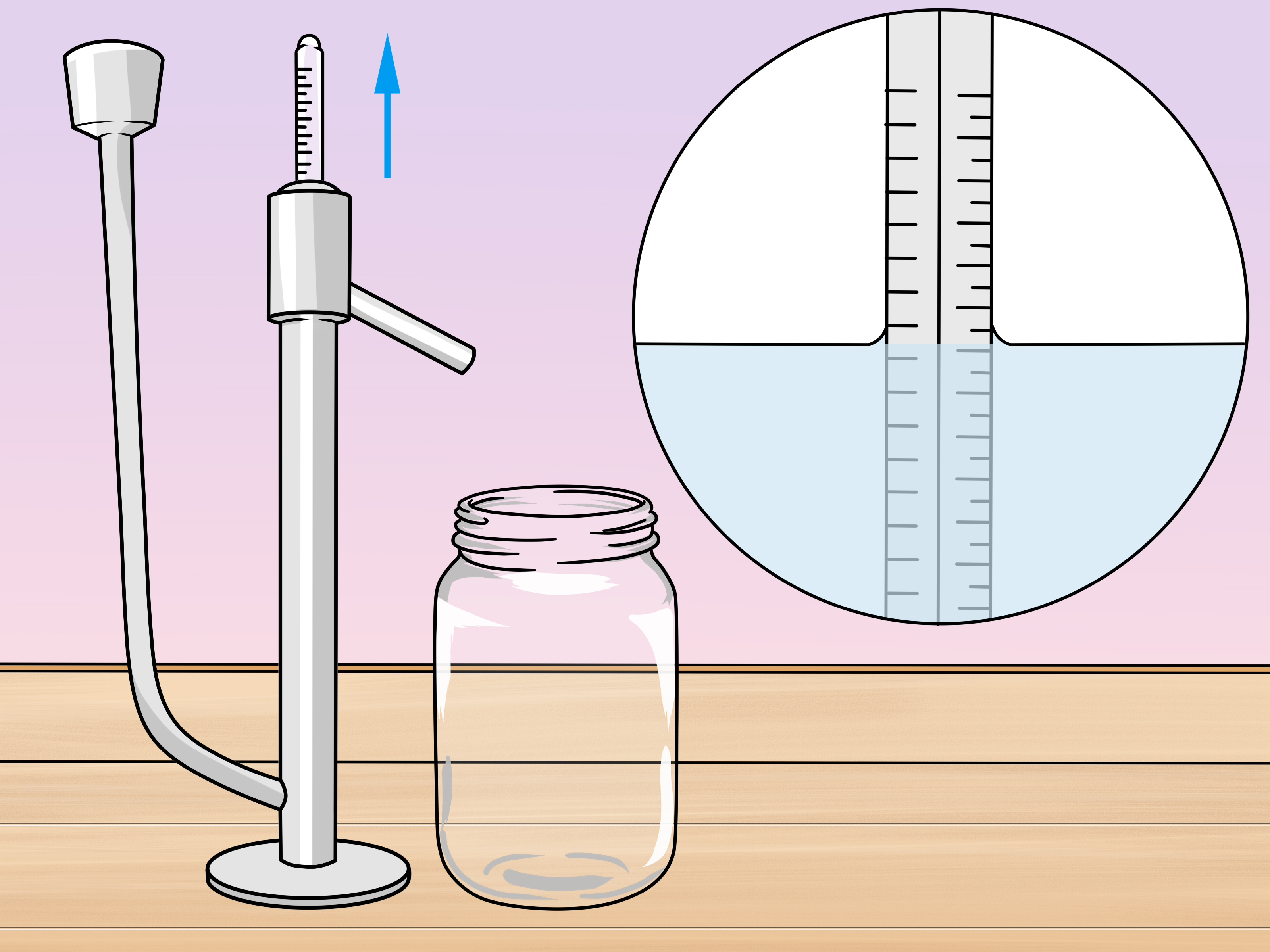
A hydrometer measures specific gravity, or relative density. It is often used with fermented beverages by comparing an original gravity reading with a final gravity reading. An alcoholmeter is a specialized hydrometer intended for distilled spirits or water-ethanol mixtures. A refractometer estimates sugar concentration by measuring how light bends through a sample, but alcohol changes refractometer readings, so correction is needed after fermentation. Digital density meters are faster and more precise, while laboratory methods are preferred when legal or commercial accuracy is required.
Step 3: Use Clean, Appropriate Equipment
Accurate alcohol testing begins with clean equipment. A dirty test jar, sticky residue, bubbles, or leftover liquid from another sample can distort results. Use a clean sample container, a properly calibrated measuring tool, and a thermometer when temperature correction is needed.
For professional or commercial work, instruments should be maintained according to manufacturer instructions and relevant regulatory standards. If a tool is cracked, unreadable, uncalibrated, or suspiciously ancient, do not trust it just because it looks scientific. A glass tube with numbers is not automatically wise.
Step 4: Take a Representative Sample
A measurement is only as good as the sample. If the liquid is layered, cloudy, partially settled, carbonated, or mixed unevenly, one small sample may not represent the whole batch or container. In quality-control settings, sampling procedures are carefully defined to avoid misleading results.
For educational measurement, the key idea is simple: the sample should reflect the liquid you are trying to evaluate. Avoid foam, sediment, fruit pulp, ice, or anything that does not belong in the test sample unless the method specifically accounts for it.
Step 5: Control the Temperature
Temperature control is one of the most overlooked parts of alcohol measurement. Density-based tools depend on how liquid behaves at a certain temperature. If your hydrometer or alcoholmeter is calibrated at 60°F but the sample is much warmer, the reading may be off.
Use a thermometer and compare the sample temperature with the calibration temperature of your instrument. If needed, use a reliable correction chart, calculator, or professional procedure. For formal testing, temperature correction is not a cute bonusit is part of the measurement.
Step 6: Measure Specific Gravity When Working With Fermented Beverages
For fermented beverages such as beer, wine, or cider, alcohol content is commonly estimated by comparing two density readings: the original gravity before fermentation and the final gravity after fermentation. Sugar makes the liquid denser before fermentation. As yeast converts some sugar into ethanol and carbon dioxide, density drops. The difference between the two readings can be used to estimate ABV.
This method works best when readings are recorded carefully and the beverage is not unusually high in unfermented sugars or additives. Missing the first reading is like trying to calculate how far you drove after throwing away the starting mileage. You can still guess, but the confidence level puts on a tiny hat and walks away.
Step 7: Use Alcoholmeter or Proofing Methods for Distilled Spirits
Distilled spirits are usually measured differently from beer or wine. For relatively pure water-ethanol mixtures, an alcoholmeter can estimate alcohol percentage based on density. In professional U.S. spirits operations, proofing may involve hydrometers, thermometers, official tables, correction factors, and approved devices.
However, an alcoholmeter is not reliable for every liquid. Sweet liqueurs, flavored spirits, cream-based products, and liquids with dissolved solids can produce misleading readings because the tool assumes a simpler water-and-ethanol mixture. In those cases, professional testing methods may be needed.
Step 8: Understand the Limits of Refractometers
A refractometer can be useful for measuring sugar concentration before fermentation, especially in juice, must, or wort. It requires only a small sample and gives quick readings, often in degrees Brix. But after fermentation begins, alcohol affects how light bends through the liquid. That means a post-fermentation refractometer reading needs correction.
Refractometers are helpful tools, but they are not magic wands. If someone waves one over a fermented beverage and announces a final ABV without correction, smile politely and ask where the math went.
Step 9: Calculate or Confirm ABV Carefully
Once you have valid readings, alcohol content can be calculated or confirmed using the appropriate method. For fermented beverages, ABV is often estimated from the change between original gravity and final gravity. For spirits, proof is determined through density, temperature, and approved correction tables or devices. For complex beverages, lab testing may be necessary.
Accuracy depends on good records, clean equipment, correct temperature adjustment, and the right method for the product. A number with two decimal places may look official, but precision is not the same as accuracy. A wrong measurement written neatly is still wrongit just has better handwriting.
Step 10: Record the Result and Add Safety Context
After measuring alcohol content, record the method, sample type, temperature, tool used, date, and result. If the number is for a label, commercial decision, research project, or compliance purpose, keep documentation. If the number is only educational, documentation still helps you understand how the result was reached.
Finally, remember that alcohol content is not just a technical measurement. It is connected to serving size, health risk, legal restrictions, and responsible handling. A higher ABV means more ethanol in a smaller volume. Clear measurement helps prevent confusion, supports accurate labeling, and encourages safer decisions.
Common Tools Used to Measure Alcohol Content
Hydrometer
A hydrometer is a floating instrument used to measure liquid density or specific gravity. In fermented beverages, it helps estimate how much sugar has been converted into alcohol. It is affordable, simple, and widely used, but it requires careful sampling, temperature awareness, and both starting and ending readings for best results.
Alcoholmeter
An alcoholmeter is designed to estimate alcohol concentration in distilled spirits or water-ethanol mixtures. It is useful for clear spirits but can be inaccurate in liquids containing sugar, flavoring, or other dissolved ingredients.
Refractometer
A refractometer measures how light bends through a liquid. It is commonly used to estimate sugar content before fermentation. After fermentation, alcohol affects the reading, so correction is required. Refractometers are convenient because they need only a small sample.
Digital Density Meter
A digital density meter measures density electronically and can offer faster, more repeatable results than manual tools. These instruments are common in professional quality-control environments where consistency matters.
Laboratory Testing
Laboratory methods, including distillation-based testing and gas chromatography, can provide highly accurate alcohol measurements. These methods are used when results must meet legal, tax, labeling, or research standards.
Important Safety and Legal Considerations
Alcohol measurement should be handled responsibly. In many places, alcohol production, distribution, labeling, and sale are regulated. Rules vary by location and product type, so anyone working with alcohol in a professional context should follow applicable laws and consult qualified experts when needed.
Health matters too. Alcohol affects the brain and body, and higher alcohol content increases risk when consumed. Accurate measurement helps people understand what a product contains, but it does not make alcohol risk-free. For younger readers, the safest choice is not to drink alcohol. For adults, responsible use means paying attention to serving size, ABV, personal health, transportation safety, and local law.
Common Mistakes When Measuring Alcohol Content
Ignoring Temperature
Temperature is one of the biggest sources of measurement error. Always compare the sample temperature with the instrument’s calibration temperature and apply correction when needed.
Using the Wrong Tool
A hydrometer, alcoholmeter, and refractometer are not interchangeable in every situation. Match the tool to the liquid and the purpose of the test.
Testing a Sugary or Flavored Product Like a Plain Spirit
Sugars and dissolved solids affect density. A sweet liqueur may fool an alcoholmeter because the tool expects a simpler water-and-ethanol mixture.
Forgetting the Original Gravity Reading
For fermented beverages, the original gravity reading is essential for estimating ABV from fermentation change. Without it, the result is less certain.
Trusting a Single Reading Too Much
Good measurement often means checking consistency. If a result seems strange, repeat the measurement, review the method, and inspect the equipment.
Example: Why Method Selection Changes the Result
Imagine three different liquids: a dry cider, a clear vodka, and a sweet coffee liqueur. The dry cider may be estimated using original and final gravity readings. The vodka may be measured with an alcoholmeter or professional proofing method because it is close to a water-ethanol mixture. The coffee liqueur, however, contains sugar and flavor compounds that affect density, so a simple alcoholmeter reading could be misleading. The same “measure alcohol” question has three different answers because the liquids are chemically different.
This is why the first step is never “grab the nearest gadget.” The first step is understanding the sample. The liquid is the boss; the instrument is just trying to keep up.
Experience-Based Tips for Measuring Alcohol Content
When people first learn how to measure alcohol content, they often focus on the tool. That makes sense. Tools are visible, shiny, and occasionally come in intimidating packaging. But the real skill is not just owning a hydrometer, alcoholmeter, or refractometer. The real skill is knowing when a reading deserves your trust.
One useful habit is to slow down before measuring. Rushing creates tiny mistakes that grow into big confusion. A sample that is too warm, too bubbly, poorly mixed, or taken from the wrong part of a container can give a result that looks precise but does not mean much. In practical testing, preparation is half the measurement. The number appears at the end, but accuracy begins before the instrument touches the liquid.
Another lesson is that clarity mattersboth in the sample and in the recordkeeping. Write down the date, temperature, tool, calibration point, and result. If you are comparing readings over time, use the same method as consistently as possible. Changing tools or methods midway can make results harder to interpret. It is like weighing yourself on three different bathroom scales and blaming breakfast for the chaos.
People also underestimate how much dissolved material can affect measurements. Sugar, fruit solids, flavorings, syrups, and carbonation all change how a liquid behaves. That is why a tool that works reasonably well for one beverage may be unsuitable for another. The best testers are not the ones who memorize one trick; they are the ones who ask, “What else is in this liquid besides ethanol and water?”
For anyone writing about alcohol content online, accuracy and responsibility should go together. Do not present rough estimates as laboratory-grade facts. Do not imply that a simple tool can solve every measurement problem. And do not ignore health and legal context. Alcohol content is not just a fun number for beverage nerds. It affects serving size, consumer safety, labeling, and compliance.
In professional environments, the best experience-based advice is simple: verify important results. If a measurement affects a label, sale, tax decision, safety claim, or public-facing statement, use validated methods and qualified testing when needed. A casual estimate may be acceptable for learning, but commercial claims need stronger support.
Finally, remember that alcohol measurement is a blend of science and judgment. The science gives you principles: density, temperature, sugar conversion, proof, and ABV. Judgment tells you which principle applies to the sample in front of you. That combination is what turns a measurement from “a number I found” into “a result I can explain.”
Conclusion
Measuring alcohol content is not about chasing a mysterious number hidden inside a bottle. It is about choosing the right method, preparing a representative sample, controlling temperature, understanding your tool, and interpreting the result honestly. Hydrometers, alcoholmeters, refractometers, digital density meters, and laboratory tests all have a place, but none of them should be used blindly.
The most reliable approach starts with the question: what kind of liquid am I testing, and how accurate does the result need to be? From there, the process becomes much clearer. For fermented beverages, gravity changes can estimate ABV. For spirits, proofing methods and temperature correction matter. For complex or commercial products, professional testing may be the smartest option.
Alcohol content measurement is part science, part careful procedure, and part common sense. Get those three working together, and the final number becomes more than a labelit becomes useful information.