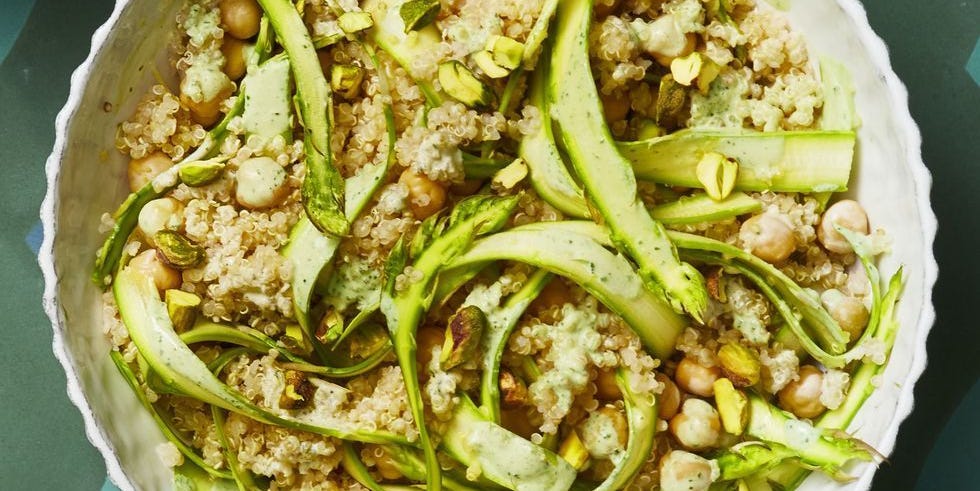
Tahini-lemon quinoa with asparagus ribbons is the kind of meal that makes a regular Tuesday feel suspiciously organized. It is bright, creamy, crunchy, herby, and filling without leaving you in a post-lunch nap trance. The combination of nutty quinoa, silky lemon-tahini dressing, and fresh asparagus ribbons creates a spring-inspired bowl that works as a vegetarian main dish, a make-ahead lunch, or a colorful side for grilled chicken, salmon, tofu, or whatever protein is currently staring at you from the refrigerator.
The real magic is in the contrast. Quinoa brings a fluffy, lightly chewy base. Tahini adds richness with its toasted sesame flavor. Lemon juice wakes everything up like someone opening the curtains at 7 a.m. Asparagus ribbons bring crunch, freshness, and a restaurant-worthy look without requiring restaurant-level emotional damage.
This easy quinoa recipe is flexible enough for busy weeknights but polished enough for a spring brunch, picnic, or dinner party. You can serve it warm, room temperature, or chilled, which makes it especially useful when the weather cannot decide whether it is still winter or suddenly summer.
Why Tahini-Lemon Quinoa with Asparagus Ribbons Works So Well
A great grain bowl needs more than one texture. If everything is soft, it becomes a beige situation. If everything is crunchy, it feels like eating a decorative centerpiece. This recipe lands in the sweet spot: tender quinoa, crisp asparagus ribbons, creamy tahini dressing, fresh herbs, and toasted nuts or seeds.
Quinoa has a mild nutty flavor that plays nicely with bold ingredients. It does not compete with tahini, lemon, garlic, or herbs. Instead, it behaves like a dependable friend who brings snacks and never starts drama. The lemon-tahini sauce coats the grains without drowning them, while the asparagus ribbons add a fresh green bite that keeps each forkful lively.
This dish is also naturally easy to customize. Add chickpeas for extra heft, feta for a salty pop, avocado for creaminess, or roasted sweet potatoes when you want something more substantial. Keep it vegan with maple syrup in the dressing, or add a spoonful of Greek yogurt for a tangier, thicker sauce.
Ingredients for Tahini-Lemon Quinoa with Asparagus Ribbons
This recipe serves 4 as a light main course or 6 as a side dish.
For the quinoa
- 1 cup uncooked quinoa, rinsed well
- 1 3/4 cups vegetable broth or water
- 1/2 teaspoon kosher salt
- 1 teaspoon extra-virgin olive oil
For the asparagus ribbons and salad
- 1 pound medium or thick asparagus spears
- 1 cup fresh peas or thawed frozen peas
- 3 scallions, thinly sliced
- 1/2 cup chopped fresh parsley
- 1/4 cup chopped fresh mint or dill
- 1/3 cup toasted sliced almonds, chopped pistachios, or sunflower seeds
- 1/3 cup crumbled feta cheese, optional
- Freshly ground black pepper, to taste
For the lemon-tahini dressing
- 1/3 cup well-stirred tahini
- 3 tablespoons fresh lemon juice
- 1 teaspoon finely grated lemon zest
- 1 small garlic clove, finely grated or minced
- 1 tablespoon extra-virgin olive oil
- 1 teaspoon maple syrup or honey
- 1/2 teaspoon ground cumin
- 1/2 teaspoon kosher salt, plus more as needed
- 3 to 6 tablespoons warm water
How to Make Tahini-Lemon Quinoa with Asparagus Ribbons
Step 1: Rinse and cook the quinoa
Place the quinoa in a fine-mesh strainer and rinse it under cool running water for about 30 seconds. This small step helps remove the naturally occurring coating that can taste slightly bitter. Give the quinoa a good shake afterward so it is not carrying an unnecessary swimming pool into the saucepan.
Heat the olive oil in a medium saucepan over medium heat. Add the rinsed quinoa and stir for 1 to 2 minutes, just until it smells lightly toasted and nutty. Add the vegetable broth or water and salt. Bring the mixture to a boil, cover the pan, reduce the heat to low, and simmer for 14 to 16 minutes.
Once the liquid has absorbed, remove the saucepan from the heat. Keep it covered for 5 minutes, then fluff the quinoa gently with a fork. Let it cool slightly while you prepare the vegetables and dressing.
Step 2: Create asparagus ribbons
Wash the asparagus and trim away the woody ends. Choose medium or thick asparagus spears for this recipe because pencil-thin spears tend to become tiny, rebellious green toothpicks when you try to shave them.
Lay one asparagus spear flat on a cutting board. Hold the cut end steady and use a vegetable peeler to shave long ribbons from the stalk, moving away from your hand. Rotate the asparagus as needed until you have made ribbons from most of the spear. Do not worry if the tips break off; toss them in with the ribbons. They are delicious and have done nothing wrong.
For raw, crisp asparagus ribbons, place them directly into a large bowl. For softer ribbons, blanch them in boiling water for 20 to 30 seconds, then transfer them immediately to ice water. Drain and pat dry before adding them to the bowl.
Step 3: Make the lemon-tahini dressing
In a small bowl, whisk together tahini, lemon juice, lemon zest, garlic, olive oil, maple syrup, cumin, and salt. At first, the mixture may become very thick. This is normal. Tahini occasionally enters a dramatic phase before becoming creamy again.
Add warm water one tablespoon at a time, whisking well after each addition. Continue until the dressing is smooth, glossy, and pourable. It should coat the back of a spoon but still drizzle easily over the quinoa. Taste and adjust with more lemon juice, salt, black pepper, or water as needed.
Step 4: Assemble the quinoa bowl
Add the warm or room-temperature quinoa to the bowl with the asparagus ribbons. Add peas, scallions, parsley, mint or dill, and about two-thirds of the toasted nuts or seeds. Pour over about half of the tahini-lemon dressing and toss gently until the quinoa is coated.
Transfer the mixture to a large serving platter or divide it among individual bowls. Drizzle the remaining dressing over the top. Finish with the remaining nuts or seeds, feta if using, and plenty of black pepper.
Tips for the Best Lemon Tahini Quinoa Recipe
Use fresh lemon juice
Bottled lemon juice can work in a true emergency, such as a snowstorm, a forgotten grocery list, or an unexpected shortage of motivation. But fresh lemon juice gives this dish a cleaner, brighter flavor. The zest adds extra citrus aroma without making the dressing overly sour.
Choose a good tahini
Tahini should smell nutty and roasted, not bitter or stale. Stir the jar thoroughly before measuring because the sesame solids often settle at the bottom while the oil rises to the top. A separated tahini jar is not broken; it is simply asking you to do a tiny arm workout.
Do not overcook the quinoa
The best quinoa for a salad is fluffy and separate, not mushy. Letting it rest after cooking is just as important as simmering it correctly. That short rest gives the grains time to absorb any remaining moisture and become lighter.
Keep the asparagus bright and crisp
Raw asparagus ribbons provide the most crunch and a clean, grassy flavor. Briefly blanched ribbons are more tender and easier for guests who prefer softer vegetables. Either option works beautifully, so choose based on your mood and the texture preferences of the people at your table.
Easy Variations for Tahini-Lemon Quinoa with Asparagus
Add chickpeas for a heartier meal
Stir in a drained and rinsed can of chickpeas, or roast chickpeas with olive oil, salt, paprika, and cumin until crisp. They add extra substance and turn this into a satisfying vegan quinoa dinner.
Make it Mediterranean-inspired
Add chopped cucumbers, cherry tomatoes, kalamata olives, feta cheese, and a pinch of dried oregano. The lemon-tahini dressing works especially well with salty olives and creamy cheese.
Turn it into a protein-packed lunch bowl
Top the quinoa with grilled chicken, baked salmon, pan-seared shrimp, crispy tofu, or a jammy egg. This recipe has enough flavor to support a protein without making it taste like two unrelated meals accidentally met in the same bowl.
Use another green vegetable
If asparagus is out of season, swap in shaved zucchini, ribbons of cucumber, baby spinach, roasted broccoli, green beans, or snap peas. The creamy lemon-tahini dressing is flexible and does not hold grudges.
Give it a spicy kick
Add crushed red pepper flakes, Aleppo pepper, harissa, chili crisp, or a pinch of cayenne to the dressing. A little heat makes the sesame and lemon flavors taste even more vivid.
What to Serve with Tahini-Lemon Quinoa
This asparagus quinoa recipe is versatile enough to stand alone, but it also fits easily into a larger meal. Serve it alongside grilled salmon with lemon, roasted chicken thighs, lamb kebabs, garlic shrimp, or crispy baked tofu. It is also excellent with warm pita bread, hummus, marinated olives, and a simple tomato salad.
For brunch, serve the quinoa with poached eggs and a side of fruit. For a picnic, pack it in a chilled container with extra dressing on the side. For dinner parties, spread it across a wide platter and pile the asparagus ribbons high in the center. It looks fancy, but the vegetable peeler deserves most of the credit.
How to Store Leftovers
Store leftover tahini-lemon quinoa in an airtight container in the refrigerator for up to 3 to 4 days. Keep the extra dressing separate whenever possible, especially if you want the asparagus ribbons to stay crisp. Before serving leftovers, stir the quinoa and add a small splash of lemon juice or warm water to loosen the dressing.
This recipe is best eaten cold or at room temperature after storing. Reheating is possible, but the asparagus ribbons will soften. That is not a disaster, just a different personality.
Frequently Asked Questions
Can I make this quinoa recipe ahead of time?
Yes. Cook the quinoa and make the lemon-tahini dressing up to two days ahead. Store them separately in the refrigerator. Shave the asparagus and add the herbs, nuts, and dressing closer to serving time for the freshest texture.
Is tahini-lemon quinoa vegan?
Yes, as long as you use maple syrup instead of honey and skip the optional feta cheese. The base recipe is naturally plant-forward and works well for vegan meal prep.
Can I use pre-cooked quinoa?
Absolutely. You will need about 3 cups of cooked quinoa. Let it come to room temperature, fluff it with a fork, and continue with the recipe as written.
What can I use instead of tahini?
Cashew butter, sunflower seed butter, or smooth almond butter can work in a pinch. The flavor will change, but the dressing will still be creamy and delicious. Add a little extra lemon juice to keep the flavor bright.
Experience: Making Tahini-Lemon Quinoa with Asparagus Ribbons at Home
The first time I made tahini-lemon quinoa with asparagus ribbons, I had what can only be described as a vegetable peeler confidence problem. I had watched enough cooking videos to believe that shaving asparagus would be effortless, elegant, and vaguely cinematic. In reality, my first ribbon looked like it had survived a small gardening accident.
But after a few tries, the technique became strangely satisfying. The asparagus ribbons began to pile up in the bowl like green confetti. Some were long and graceful. Some were short and slightly chaotic. A few tips snapped off immediately, which is completely fine because asparagus tips are essentially tiny flavor prizes.
What surprised me most was how much the dressing changed the dish. Plain quinoa can be useful, filling, and nutritionally respectable, but it is rarely the person who dominates the conversation at dinner. Once the tahini, lemon, garlic, and warm water came together, the quinoa suddenly tasted richer and brighter. The sauce did not merely sit on top; it worked its way between the grains and made every bite feel intentional.
The tahini itself had a moment of panic. It thickened after the lemon juice went in, turning from smooth sesame paste into something that looked more like edible cement. This is the point where many cooks assume they have ruined the dressing. They have not. A little warm water and a determined whisk transform it into a creamy, glossy sauce that feels like a magic trick performed by a pantry staple.
For the final bowl, I added parsley, mint, peas, toasted almonds, and a shower of black pepper. The herbs made the entire kitchen smell fresh before the food even reached the table. The almonds gave it crunch, the peas added sweetness, and the asparagus ribbons kept everything from becoming too soft or too serious.
The best part of this recipe is how it changes depending on the day. Served warm, it feels comforting and substantial. Served chilled, it becomes a refreshing lunch that tastes better than the sad desk salad you were about to buy. Add salmon and it becomes dinner. Add chickpeas and pita bread and it becomes a casual Mediterranean-style spread. Add feta, and suddenly everyone asks whether you got the recipe from a restaurant.
It also taught me that impressive food does not always require complicated techniques. Sometimes it just requires looking at an ordinary vegetable and deciding that it deserves to wear a ribbon. The same asparagus that might otherwise be roasted in a pan becomes something fresh, delicate, and slightly dramatic when shaved into thin strips.
Now, when spring asparagus appears at the market, this is one of the first recipes I make. It is colorful without trying too hard, healthy without tasting like a punishment, and flexible enough to rescue whatever herbs, vegetables, or proteins are lingering in the refrigerator. Most importantly, it proves that quinoa can be exciting when it is paired with enough lemon, tahini, and crunchy toppings to give it a proper personality.
Final Thoughts
Tahini-lemon quinoa with asparagus ribbons is a fresh, satisfying recipe that belongs in your regular rotation. It combines creamy sesame dressing, bright citrus, fluffy quinoa, crisp vegetables, and plenty of room for customization. Whether you serve it as a simple meatless dinner, a spring side dish, or a make-ahead lunch, it brings color and flavor to the table without requiring complicated prep or a sink full of dishes.
Make it once with asparagus, then try it again with whatever seasonal vegetables you have on hand. Keep the lemon-tahini dressing in your back pocket, because it has a way of making nearly every grain bowl, salad, roasted vegetable tray, and random refrigerator situation taste much more exciting.